





Abdominal Ultrasound Scan

Fast, painless, and radiation-free imaging of your abdominal organs — for accurate diagnosis and early treatment.

At Koshikaa, we offer expert abdominal ultrasound scans that give your doctor a clear, real-time view of the organs inside your abdomen. Using high-frequency sound waves, this safe and non-invasive test helps detect, diagnose, and monitor a wide range of health conditions — from gallstones and kidney stones to liver disease and more.

What Is an Abdominal Ultrasound?

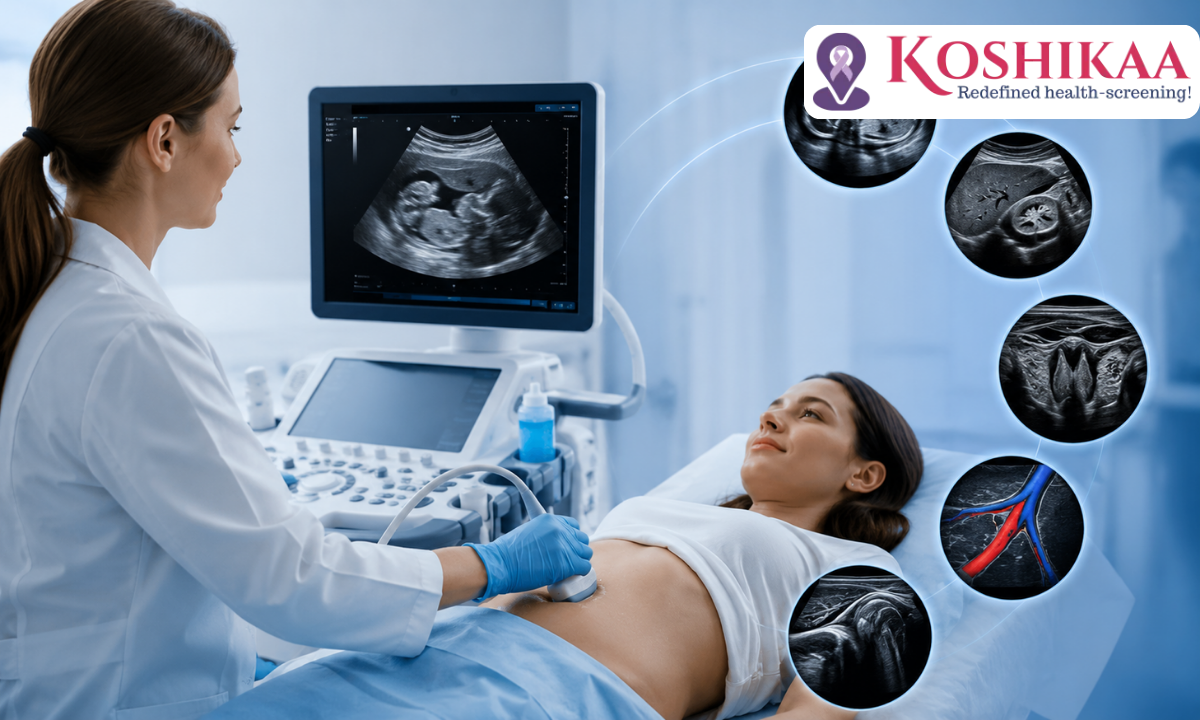
An abdominal ultrasound is a medical imaging test that uses sound waves — not radiation — to produce detailed images of the structures inside your belly. A handheld device called a transducer is gently moved across your abdomen, sending sound waves that bounce off internal tissues to create real-time pictures on a monitor.

It is one of the most widely recommended diagnostic tools because it is:

  • Safe — no radiation exposure

  • Painless — completely non-invasive

  • Quick — typically completed in 15–30 minutes

  • Affordable — cost-effective compared to CT or MRI scans


Request a Call Back

Organs Examined in an Abdominal Ultrasound

A complete abdominal ultrasound at Koshikaa evaluates the following structures:

  • Liver — checks for fatty liver, cirrhosis, tumors, or abnormal function

  • Gallbladder — detects gallstones, inflammation (cholecystitis), or bile duct obstruction

  • Kidneys — identifies kidney stones, cysts, hydronephrosis, or kidney disease

  • Pancreas — assesses for pancreatitis or pancreatic masses

  • Spleen — evaluates enlargement (splenomegaly) or injury

  • Bladder — checks for stones or urinary retention

  • Abdominal Aorta & Blood Vessels — screens for aortic aneurysm or abnormal blood flow

  • Bile Ducts — identifies blockages or dilation

Your doctor may recommend this scan if you experience any of the following:

  • Unexplained abdominal pain, bloating, or swelling

  • Nausea, vomiting, or indigestion that persists

  • Jaundice (yellowing of skin or eyes)

  • Suspected gallstones or kidney stones

  • Abnormal liver function test results

  • Frequent urinary tract infections or blood in urine

  • Monitoring of known liver, kidney, or pancreatic conditions

  • Sudden or severe abdominal pain (acute abdomen)

  • Screening for abdominal aortic aneurysm (AAA)

Conditions an Abdominal Ultrasound Can Detect

OrganConditions Detected
LiverFatty liver, cirrhosis, liver tumors, hepatitis
GallbladderGallstones, cholecystitis, bile duct blockage 
KidneysKidney stones, cysts, kidney cancer, hydronephrosis
PancreasPancreatitis, pancreatic cysts or cancer
SpleenSplenomegaly (enlarged spleen), abscesses
BladderBladder stones, urinary retention 
Blood VesselsAbdominal aortic aneurysm, portal hypertension 

How to Prepare for Your Pregnancy Scan

Proper preparation ensures the clearest possible images:
  • Fast for 6–8 hours before the scan — avoid food and drinks (water is usually permitted) to prevent gas and ensure the gallbladder is fully visible

  • Avoid smoking before the scan as it can cause air swallowing and increase gas

  • Wear loose, comfortable clothing for easy abdominal access

  • Inform us of any medications you are currently taking

  • Bring previous reports, doctor’s prescription, and any relevant blood test results

  • For bladder assessment, you may be asked to come with a full bladder — drink 2–3 glasses of water 1 hour prior and avoid urinating.

What to Expect During the Procedure

Your abdominal ultrasound at Koshikaa is simple, comfortable, and takes 15–30 minutes:

  1. You lie on your back (or side) on a comfortable examination table

  2. A warm, water-based gel is applied to your abdomen to ensure smooth sound wave transmission

  3. Our sonographer gently glides the transducer across your skin, capturing organ images from multiple angles

  4. Real-time images appear on the monitor and are reviewed by our radiologist

  5. The gel is wiped off and you can resume normal activity immediately after

  6. A detailed written report is ready — typically within 2–4 hours

Why Choose Koshikaa for Your Abdominal Ultrasound?

When it comes to accurate diagnostics Koshikaa considered as a best for ultrasound scan in Bangalore and patient-first care, Koshikaa stands out as one of Bangalore’s most trusted imaging centers. Here’s why patients and doctors alike recommend us:

Ultrasound Scan In Bangalore with cutting edge technology

Advanced Imaging Technology

Affordable Pricing

Ultrasound scan in Bangalore with patient focused approach

Expert Radiologists

Ultrasound scan in Bangalore with Comprehensive Screening

Hygiene & Comfort

100% Reliable and accurate ultrasound scan reports

Fast Reports & Easy Booking

Trusted by Doctors Across Bangalore

How to Book An Ultrasound Scan

Booking an Affordable Ultrasound scan at the Best Health Screening Centre is easy and takes less than a minute. Just follow these 4 simple steps: 

Fill Out the Booking Form

Please enter your name, mobile number, and email. This way, we can contact you quickly and, moreover, confirm your appointment without any delays.

Wait for a Quick Confirmation Call

Our team will call you to confirm your appointment. Moreover, they will guide you on any instructions for the scan.

Get Details via SMS or Email

Once confirmed, you’ll receive the appointment details. Additionally, the center address and reporting time will be sent directly to your phone or inbox

Walk In for Your Ultrasound Scan

Visit the center at your scheduled time. Furthermore, our expert team will ensure a smooth, comfortable experience

Reviews

Our Blogs

Book Your Abdominal Ultrasound Scan in Bangalore

Booking your ultrasound scan in Bangalore at Koshikaa takes less than 2 minutes:

  1. Book Online — koshikaa.com
  2. Walk In — Any Koshikaa center in Bangalore

  3. Scan in 15–30 mins — Private, comfortable rooms

  4. Get Digital Report — WhatsApp / email in 4–6 hours

Working Hours: Monday – Saturday: 8 AM – 8 PM | Sunday: 9 AM – 2 PM

Frequently Asked Questions – Abdominal Ultrasound Scan

Is an abdominal ultrasound safe?

Yes, completely. It uses sound waves — no radiation — making it safe for all ages including pregnant women.

Why do I need to fast before the scan?

Fasting ensures the gallbladder is full and the bowel gas is minimal, both of which significantly improve image clarity.

How long does the scan take?

A standard abdominal ultrasound takes 15–30 minutes depending on the organs being examined.

Will I get the results the same day?

Yes. At Koshikaa, reports are typically ready within 2–4 hours of your scan.

Do I need a doctor's referral?

A referral is recommended but not mandatory. Our radiologist will guide you through the appropriate scan for your symptoms.

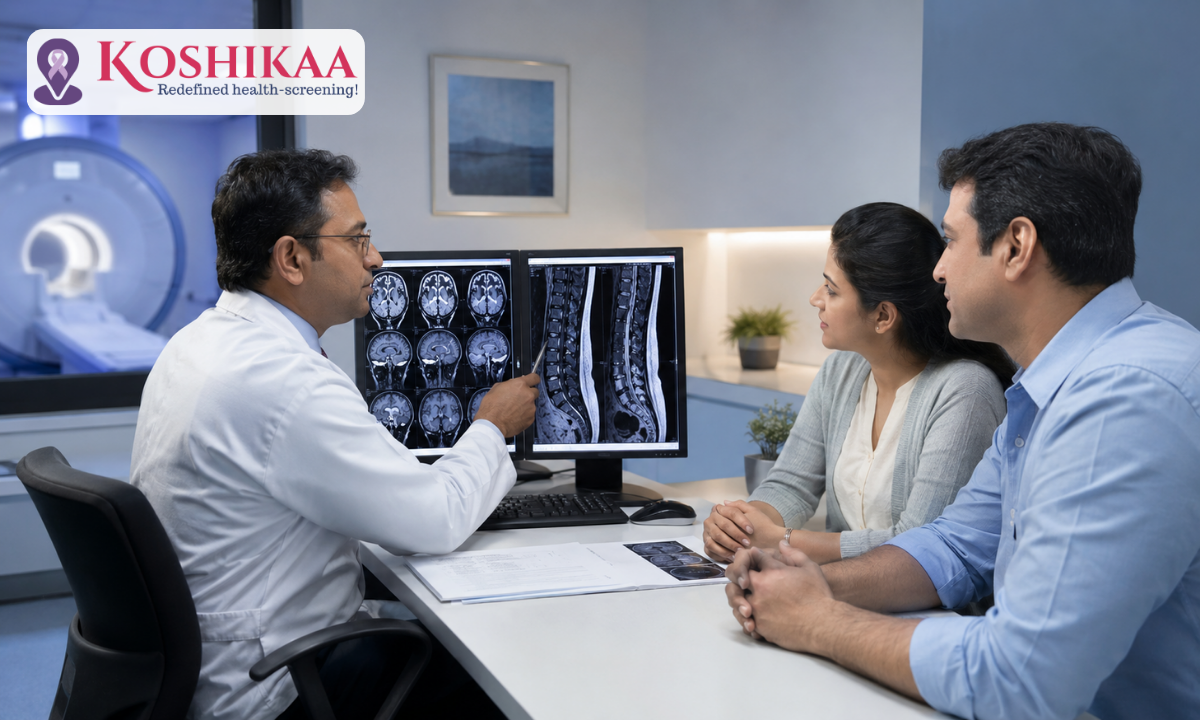
CT scans of the spine are conducted to assess the vertebrae, spinal cord, and surrounding soft tissues for conditions like herniated discs, spinal fractures, or spinal stenosis, aiding in the diagnosis and management of spinal disorders with detailed imaging essential for surgical planning and intervention.
CT scans of the pelvis are utilized to visualize the pelvic bones, reproductive organs, bladder, and surrounding structures for conditions such as fractures, tumors, or pelvic inflammatory disease, guiding treatment plans and surgical interventions with precise anatomical information.
CT scans of the neck are performed to evaluate structures such as the throat, thyroid gland, lymph nodes, and blood vessels for abnormalities like tumors, infections, or injuries, assisting in diagnosis and management of head and neck disorders with detailed imaging.
CT scans of the extremities are employed to assess bones, joints, and soft tissues in the arms or legs, aiding in the diagnosis of fractures, arthritis, or other musculoskeletal conditions, guiding orthopedic treatment and rehabilitation plans for optimal recovery.
CT scans of the chest are utilized to examine the lungs, heart, blood vessels, and surrounding structures for conditions such as lung nodules, pneumonia, or pulmonary embolism, facilitating accurate diagnosis and management of respiratory and cardiovascular diseases.
CT scans of the brain are conducted to assess brain structures, identify abnormalities like tumors, hemorrhages, or strokes, and aid in diagnosing neurological conditions, guiding neurosurgical interventions and treatment strategies with precise imaging of the brain’s anatomy.
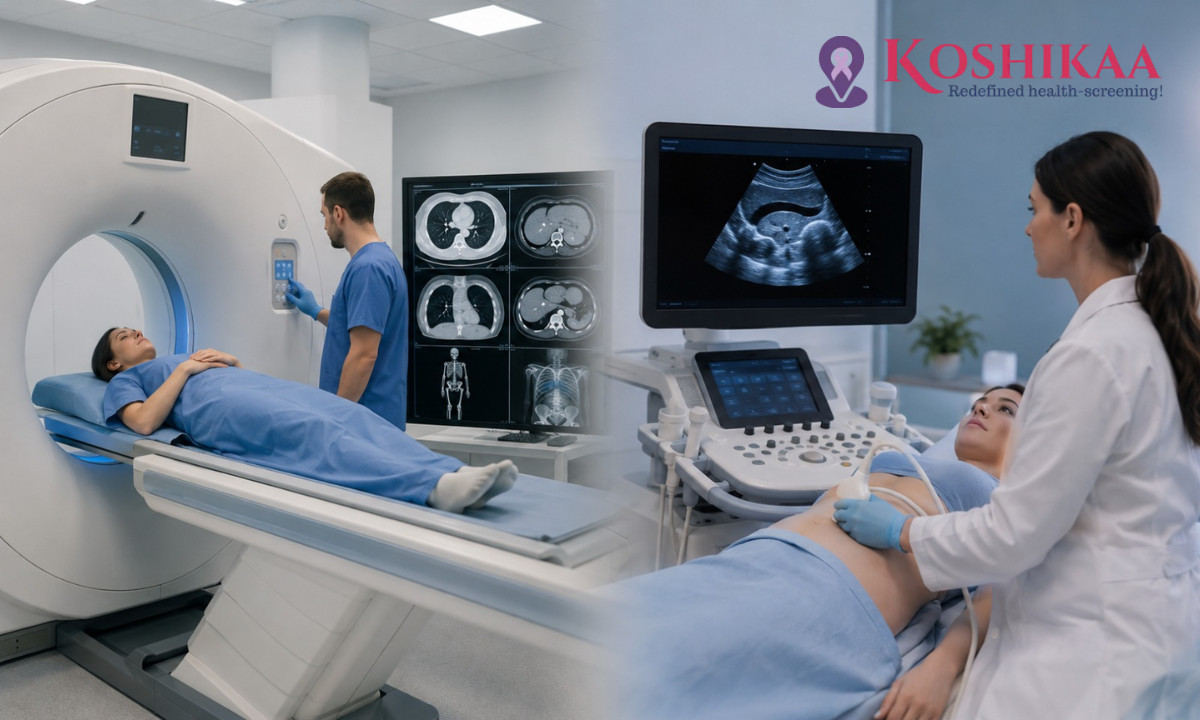
CT scans of the abdomen are performed to visualize and evaluate the internal organs such as the liver, kidneys, pancreas, and intestines for conditions like tumors, infections, or injuries, providing detailed images essential for diagnosis and treatment planning.
Transplant organ ultrasound scans, including those of the liver, kidney, or pancreas, are performed to assess organ viability, detect complications, and monitor post-transplant function. These scans play a vital role in the early detection of issues such as organ rejection, vascular complications, or fluid collections, guiding timely interventions and optimizing transplant outcomes for patients.
Ultrasound examinations of organs such as the liver, kidney, or prostate are crucial for assessing organ structure, detecting abnormalities, and monitoring disease progression. These scans help diagnose conditions such as liver cirrhosis, kidney stones, or prostate enlargement, guiding treatment decisions and monitoring response to therapy over time.
Ultrasound scans are valuable for detecting cysts or fluid collections within the body, including cysts in the liver, kidneys, or other organs. These scans help characterize the nature and size of cysts, aiding in diagnosis and treatment planning for conditions such as cystic liver disease or renal cysts, and guiding interventions such as cyst drainage or sclerotherapy.

Frequently Booked Tests

Frequently Booked Checkups