
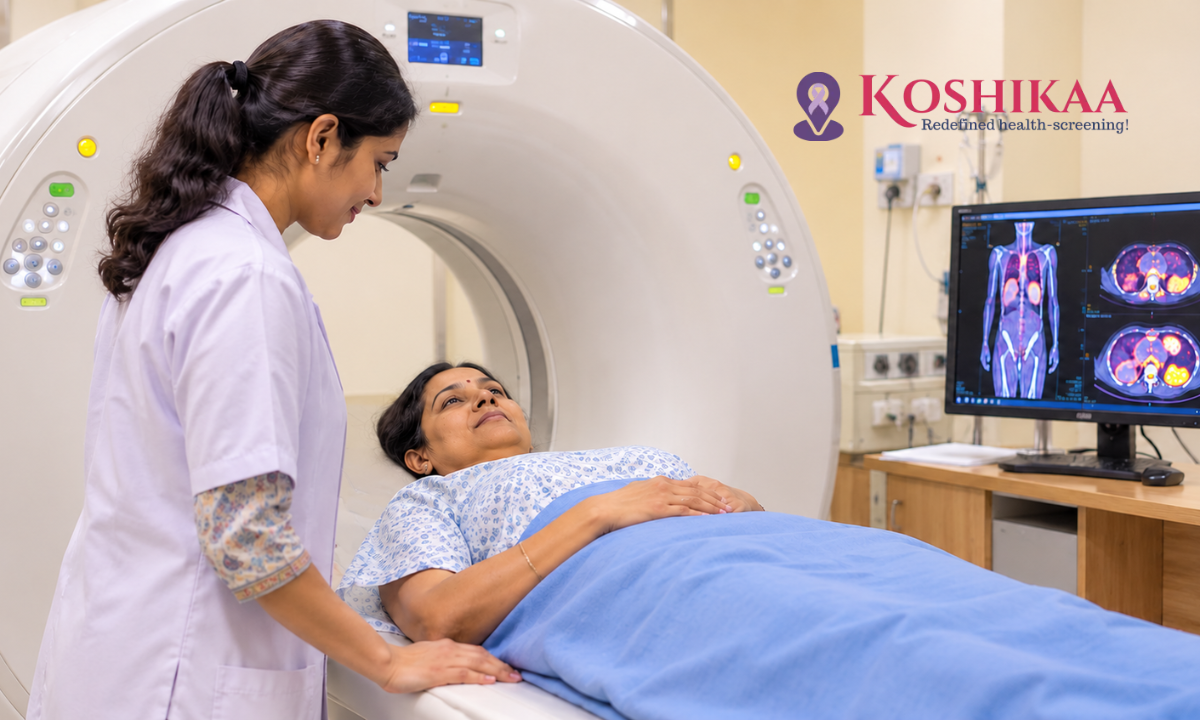
A PET-CT scan is one of the most advanced imaging tests available, and it plays an important role in cancer care and several other conditions. If your doctor has suggested one, you may be wondering why you need it, what it will show and how it differs from other scans you may have already had.
Understanding when a PET-CT scan is recommended can help you feel more prepared and confident about the test. In simple terms, PET-CT shows how active the cells in your body are, as well as where they are. This makes it particularly useful for finding out how far a known cancer has spread, checking how well treatment is working and investigating certain other conditions.
However, PET-CT is not a routine screening test, and it is not needed for every patient or every type of cancer. This guide explains when doctors recommend a PET-CT scan, when it may not be the right test, how to prepare and what the results mean.
What Is a PET-CT Scan?
A PET-CT scan combines two imaging techniques in one examination. Positron emission tomography (PET) uses a small amount of a radioactive tracer to show how active cells are, while computed tomography (CT) uses X-rays to show detailed anatomy. Together, they show both the location and the activity of tissues.
The most commonly used tracer is FDG, a form of glucose. Many cancer cells use more glucose than normal cells, so they take up more FDG and appear as bright areas on the scan. Other tracers are designed for specific conditions, such as PSMA tracers for prostate cancer and DOTA-based tracers for neuroendocrine tumours.
Your doctor chooses the tracer based on the question being asked, so a PET-CT is not always an FDG scan. For a step-by-step explanation of the scanning process, see our guide to how a PET-CT scan works.
When Do Doctors Recommend a PET-CT Scan?
Cancer Diagnosis and Staging
The most common reason for a PET-CT scan is to stage cancer, which means finding out whether a cancer has spread beyond its original site and, if so, where. Accurate staging helps doctors choose the most appropriate treatment, such as surgery, radiotherapy or chemotherapy. Because a single PET-CT scan examines most of the body, it can sometimes replace several separate scans and reveal spread that other tests may miss.
PET-CT may be used in selected cases for staging cancers such as the following, depending on the cancer type, stage, previous imaging and treatment plan:
• Lymphoma
• Lung cancer
• Head and neck cancers
• Oesophageal cancer
• Cervical cancer
• Melanoma
• Some cases of colorectal and breast cancer, particularly when spread is suspected
PET-CT may also help investigate a suspicious lung nodule or find the original site of a cancer when it has been discovered elsewhere in the body, known as cancer of unknown primary. In most cases, a biopsy is still needed to confirm the diagnosis.
Monitoring Treatment Response
PET-CT can show whether a cancer is responding to treatment by comparing the activity of tumours before, during and after therapy. In lymphoma, for example, PET-CT is a standard part of assessing how well chemotherapy is working. A reduction in activity may indicate a good response, sometimes even before the tumour shrinks in size.
Evaluating Possible Recurrence
After treatment, PET-CT may be recommended if symptoms, blood tests or other scans suggest that a cancer may have returned. It can help distinguish active cancer from scar tissue left after surgery or radiotherapy, which can look similar on a standard CT scan.
Selected Non-Cancer Indications
PET-CT is also used for some conditions other than cancer:
• Heart conditions: to assess whether heart muscle is still alive after a heart attack, which helps doctors decide on procedures to restore blood flow
• Brain conditions: to help locate the source of seizures in epilepsy and to support the assessment of some types of dementia. Read more about how brain PET scans help diagnose neurological disorders.
• Infection and inflammation: to help find the cause of a prolonged fever when other tests have not found it, or to assess certain inflammatory conditions of the blood vessels
• Bone conditions: a specialised bone PET-CT using sodium fluoride can assess bone abnormalities
Different PET-CT Tracers and Their Uses
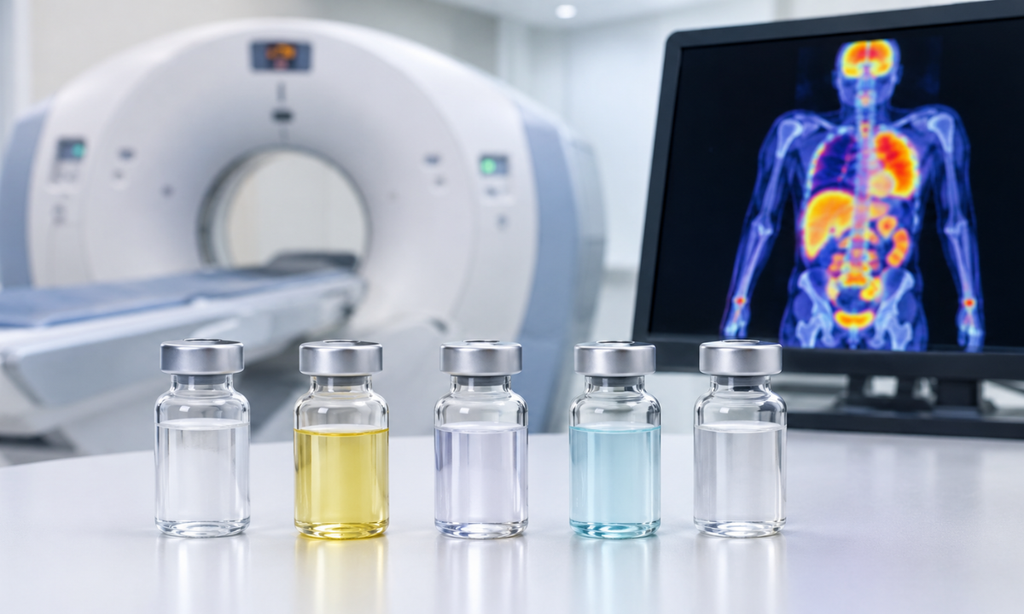
The tracer your doctor recommends depends on the condition being investigated. Koshikaa offers several types of PET-CT scan:
| Tracer | Main Use |
| FDG | Most common tracer; used for many cancers, infection and inflammation, and some heart and brain scans |
| PSMA | Prostate cancer staging and assessing recurrence |
| DOTANOC | Neuroendocrine tumours |
| FAPI | Selected specialist-indicated or emerging uses, mainly for cancers that may not show clearly with FDG |
| Sodium fluoride (NaF-18) | Detailed assessment of bone abnormalities |
Choosing the right tracer helps ensure the scan answers the specific question your doctor is asking. Your specialist will decide which scan is most appropriate for you.
Does Every Cancer Patient Need a PET-CT?
No. PET-CT is a powerful test, but it is recommended only when it is likely to change treatment decisions.
When PET-CT May Not Be Needed
Your specialist may decide that PET-CT is not the right test in situations such as these:
• Another test already answers the question: for example, many early-stage cancers with a low risk of spread can be staged with other tests
• The result would not change treatment: if the scan is unlikely to alter the management plan, it may not be recommended
• A more suitable targeted test is available: some cancers do not show clearly on FDG PET-CT, so a different tracer, such as PSMA for prostate cancer, or a different test, such as MRI for small brain lesions, may be preferred
• Pregnancy: the balance of benefits and risks needs careful specialist review
• Screening healthy people: PET-CT is not recommended as a general screening test for people without symptoms or a known cancer
These are general examples; the final decision always rests with your specialist.
Why the Decision Rests With Your Specialist
Your oncologist or treating doctor will consider the type and stage of cancer, current clinical guidelines and what information is needed for your treatment plan. If you are unsure why a PET-CT has or has not been recommended, ask your doctor to explain. Our guide to cancer screening and diagnostic tests explains how different tests fit together.
How to Prepare for a PET-CT Scan
Preparation differs depending on the tracer, so always follow the instructions from the nuclear medicine team.
| Tracer | Typical Preparation |
| FDG | Usually no food or glucose-containing drinks for about four to six hours; plain water is allowed. Follow the centre’s diabetes and medicine instructions |
| PSMA | Fasting is generally not required; stay well hydrated |
| DOTANOC | Follow the nuclear medicine team’s instructions, which can differ from FDG, particularly if you take somatostatin analogue injections |
| FAPI | Follow the nuclear medicine team’s instructions |
| NaF-18 | Hydration and timing may be specified by the centre |
General points for all PET-CT scans, particularly FDG:
• Blood sugar: your blood glucose will be checked before the tracer is given, as high sugar levels can affect the images. If you have diabetes, you will receive specific instructions about your food and medicines
• Exercise: avoid strenuous exercise for 24 hours before the scan, as active muscles can take up the tracer
• Caffeine: for heart-related scans, you may be asked to avoid caffeine for 24 hours
• Medicines and history: bring a list of your medicines, previous scan reports and images, and details of recent treatment such as chemotherapy, radiotherapy or surgery
• Pregnancy and breastfeeding: tell the team if you are or might be pregnant, or if you are breastfeeding
• Clothing: wear warm, comfortable clothing without metal fastenings
Always follow the instructions you receive when you book.
What Happens During the Scan?
Tracer Injection and Rest
A small amount of tracer is injected into a vein in your arm. You will then rest quietly in a comfortable room for about an hour while the tracer travels through your body. Keeping still and relaxed during this time helps improve image quality.
The Scan
You will lie on a table that moves slowly through the ring-shaped scanner. The scan itself usually takes about 20 to 30 minutes, and you will need to keep as still as possible. The whole visit, including preparation and rest, can take two to three hours. Learn more about our PET-CT scan in Bangalore services.
After the Scan
Most people can return to their normal activities straight away. Drinking plenty of water helps flush the tracer from your body. Because the tracer gives off a small amount of radiation for a few hours, you may be advised to avoid close contact with pregnant women and young children for the rest of the day.
What Do PET-CT Results Mean?
How Results Are Reported
A nuclear medicine specialist or radiologist reviews the images and prepares a report for your doctor. The report describes any areas of increased tracer uptake, often using a measurement called the SUV (standardised uptake value), and compares them with any previous scans. SUV is a measurement of tracer uptake, not a cancer score. It must be interpreted with the scan pattern, your history and other tests.
Increased Uptake Does Not Always Mean Cancer
Areas of high tracer uptake can be caused by cancer, but also by infection, inflammation, recent surgery, healing fractures or normal activity in organs such as the brain, heart, kidneys and bladder. This is why PET-CT findings are always interpreted alongside your symptoms, medical history and other tests.
A Normal Result Is Reassuring but Not Absolute
A PET-CT with no abnormal uptake is reassuring, but very small cancers or those that do not take up the tracer well may not be visible. Your doctor will consider the result in the context of your overall care.
Next Steps
Depending on the findings, your doctor may recommend a biopsy, other imaging tests or a change in treatment. Discussing the report with your doctor is the best way to understand what it means for you. Keep a copy of your report and images, as they will be useful for comparison if you need another scan in the future.
Frequently Asked Questions
Is a PET-CT scan used to diagnose cancer?
PET-CT can show areas that may be cancer, but a biopsy is usually needed to confirm the diagnosis. PET-CT is most often used to stage a known cancer, check treatment response or look for recurrence.
Can a PET-CT scan detect all cancers?
No. Some cancers do not take up the FDG tracer well, and very small tumours may not be visible. Other tracers or tests may be more suitable for certain cancers.
Is the radiation from a PET-CT scan safe?
PET-CT involves a small amount of radiation from both the tracer and the CT component. The dose is carefully controlled, and the scan is recommended only when the benefits outweigh the risks.
How long does a PET-CT scan take?
The scan itself takes about 20 to 30 minutes, but the whole visit, including preparation and the rest period after the injection, usually takes two to three hours.
Can I have a PET-CT scan if I have diabetes?
Yes. You will receive specific instructions about fasting, food and diabetes medicines, and your blood sugar will be checked before the scan.
How much does a PET-CT scan cost at Koshikaa?
Prices depend on the type of scan and tracer. At Koshikaa, PET-CT scans currently start from around ₹12,000, with a full-body FDG PET-CT at around ₹25,000 and specialised PSMA, DOTANOC and FAPI scans at around ₹29,000. Please confirm the final cost, including any additional charges, when you book.
Conclusion
A PET-CT scan is a valuable test for staging cancer, checking treatment response, investigating possible recurrence and assessing selected heart, brain and inflammatory conditions. It is not needed for every patient, and it is not a screening test for healthy people. Your specialist will recommend PET-CT when the information it provides is likely to guide your treatment.
To book a PET-CT scan or ask about preparation, contact Koshikaa in Banashankari, Bengaluru, on +91 7996666106.