

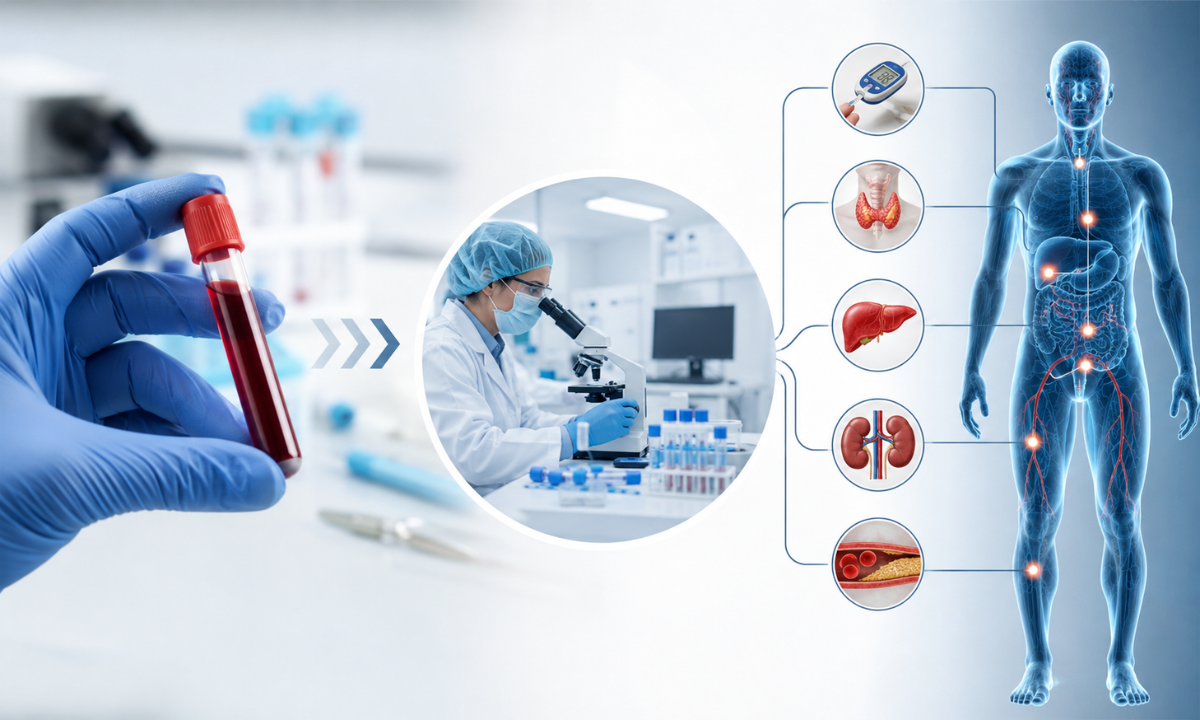
Most serious health conditions do not always cause clear symptoms in their early stages. Some can develop quietly over months or even years, making regular health checks an important part of preventive care. This is where health conditions detected by blood tests become particularly relevant. A routine blood test in Bengaluru can provide valuable insights into how your heart, liver, kidneys, thyroid, and other vital systems are functioning. It can also help identify certain health concerns before they progress or begin affecting your daily life.
Regular blood testing is not just for people who are unwell; it can be a useful part of maintaining your overall health and understanding changes in your body over time. In this article, we explore 10 common health conditions that blood tests can help detect and why including routine testing in your health screening routine can support early awareness and timely medical care.
Medical Disclaimer
The information in this article is intended solely for general health awareness and educational purposes. It is not a substitute for professional medical advice, diagnosis, or treatment. Blood test results must always be interpreted in the context of your symptoms, medical history, and other diagnostic findings by a qualified physician or pathologist. Reference ranges can vary slightly between laboratories. Never delay or avoid professional medical consultation based solely on information provided here.
Why Routine Blood Testing Matters for Early Disease Detection?

Conditions like diabetes, thyroid disorders, and some cancers can go unnoticed for years. By the time symptoms appear, the illness may be advanced and harder to treat. Diagnostic blood tests serve as an early warning system. They measure blood cell counts, organ enzymes, hormone levels, and specific biomarkers that change subtly before you feel unwell.
Getting regular health screenings, even when you feel fine, provides your doctor with a baseline. This helps track changes over time and allows for early intervention, making treatment simpler and more effective.
10 Health Conditions Routine Blood Tests Can Catch Early
1. Diabetes and Prediabetes
A Fasting Blood Sugar (FBS) test and HbA1c are commonly used to identify abnormal blood glucose levels. According to the American Diabetes Association, diabetes can be diagnosed with a fasting plasma glucose of 126 mg/dL or higher or an HbA1c of 6.5% or above, while fasting glucose of 100–125 mg/dL or HbA1c of 5.7–6.4% falls within the prediabetes range.
Prediabetes does not necessarily mean that diabetes will develop, but it indicates an increased risk and provides an opportunity to make lifestyle changes and, when appropriate, receive medical guidance to reduce that risk. HbA1c also provides an estimate of average blood glucose over the previous few months, making it useful for assessing longer-term glucose control.
For detailed preparation steps, check our guide on the fasting blood sugar test and our breakdown of the HbA1c test.
2. Anemia and Other Blood Disorders
A Complete Blood Count (CBC) provides information about red blood cells, white blood cells, and platelets, making it one of the most commonly used blood tests during routine health evaluations. It measures parameters such as haemoglobin, hematocrit, red blood cell count, white blood cell count, and platelet count.
Low haemoglobin or abnormal red blood cell measurements may point towards anemia, which can have several causes, including iron deficiency, vitamin B12 or folate deficiency, blood loss, and certain chronic conditions. Changes in white blood cells may occur with infections, inflammation, immune disorders, or, less commonly, blood-related cancers.
However, an abnormal CBC does not establish a diagnosis on its own. Doctors generally interpret the results alongside symptoms, medical history, and additional tests when needed. You can read more in our article on the hemoglobin blood test and the wider benefits of a CBC test.
3. Thyroid Disorders
The thyroid gland influences several important functions, including metabolism, heart rate, energy levels, and temperature regulation. Thyroid disorders can occur when the gland produces too little or too much thyroid hormone, leading to conditions such as hypothyroidism or hyperthyroidism.
A Thyroid Function Test, usually beginning with TSH and followed by measurements such as free T4 when appropriate, can help assess whether the thyroid is functioning normally. The American Thyroid Association notes that TSH is generally the initial blood test used to evaluate thyroid function, and changes in TSH can sometimes appear before thyroid hormone levels become abnormal.
Abnormal thyroid results may help explain symptoms such as persistent tiredness, unexplained weight changes, changes in heart rate, or sensitivity to heat or cold. However, symptoms alone cannot confirm a thyroid disorder, and test results need to be interpreted in their clinical context.
4. High Cholesterol and Cardiovascular Risk
A Lipid Profile measures important blood fats, including total cholesterol, LDL cholesterol, HDL cholesterol, and triglycerides. These results help doctors assess cardiovascular risk and determine whether lifestyle changes or treatment may be appropriate.
High levels of LDL cholesterol and other atherogenic lipids can contribute to the buildup of plaque in the arteries over time, increasing the risk of cardiovascular disease. Importantly, high cholesterol often causes no noticeable symptoms, which is why testing can be useful as part of appropriate preventive care. Current cardiovascular guidelines also consider additional factors such as blood pressure, diabetes, family history, and other risk-enhancing markers when assessing an individual’s overall risk.
Some people may also have high-sensitivity C-reactive protein (hs-CRP) measured when a clinician considers it useful for refining cardiovascular risk. However, it should be interpreted alongside other risk factors rather than treated as a standalone measure of heart health.
5. Liver Dysfunction and Fatty Liver Disease
Liver Function Tests (LFTs) measure substances in the blood that can provide information about liver injury and function. Enzymes such as ALT and AST, along with bilirubin and other markers, may become abnormal when the liver is affected by inflammation, injury, or other conditions.
Fatty liver disease can sometimes be present without obvious symptoms, particularly in its earlier stages. Blood tests may reveal elevated liver enzymes and can be used alongside a person’s medical history and other assessments to investigate possible liver disease.
However, blood tests alone cannot confirm fatty liver or determine the extent of liver damage. Doctors may also use imaging, such as ultrasound, and, in selected situations, other tests or scoring systems to assess the liver more comprehensively. Our detailed article on how fatty liver disease is diagnosed covers how blood work fits alongside imaging.
6. Kidney Disease
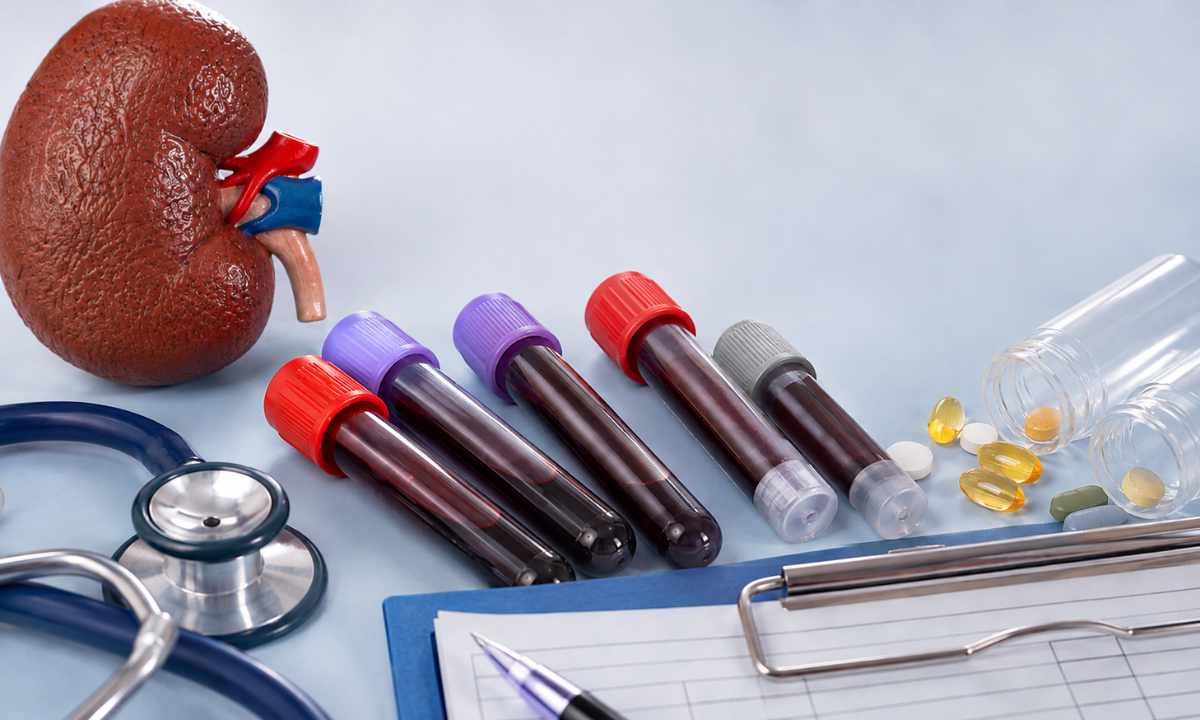
A Kidney Function Test (KFT) may include measurements such as serum creatinine and blood urea nitrogen, while estimated glomerular filtration rate (eGFR) provides an estimate of how well the kidneys are filtering the blood. A decline in kidney function can occur gradually without obvious symptoms, particularly in the early stages of chronic kidney disease.
Blood testing is especially important for people with risk factors such as diabetes, high blood pressure, cardiovascular disease, or a family history of kidney disease.
However, kidney health is not assessed through blood tests alone. Doctors commonly consider urine albumin, particularly the urine albumin-to-creatinine ratio (UACR), alongside eGFR when evaluating chronic kidney disease. Persistent abnormalities over time are important when determining whether chronic kidney disease is present.
7. Vitamin and Mineral Deficiencies
Blood tests can help identify certain nutritional deficiencies, particularly when a person has symptoms or risk factors that make a deficiency more likely. Vitamin B12 and Vitamin D are commonly tested when clinically appropriate.
Vitamin B12 deficiency can contribute to anemia and, when prolonged, neurological problems such as numbness or tingling. Vitamin D deficiency can affect bone health and may be associated with muscle weakness or bone discomfort. However, symptoms such as fatigue are non-specific and can have many different causes.
Testing can help determine whether a deficiency is actually present before supplementation is recommended. The appropriate test and interpretation depend on the individual’s age, symptoms, diet, medications, medical history, and other risk factors.
8. Hepatitis B, Hepatitis C, and HIV
Some infections, including Hepatitis B, Hepatitis C, and HIV, may remain unnoticed for a long time because a person may have few or no symptoms in the early stages. Blood tests can help identify these infections or determine whether further testing is needed.
For Hepatitis B, testing can also provide information about whether a person has an active infection, previous exposure, or immunity, depending on which markers are tested. Our guide on testing for Hepatitis B immunity explains these tests in more detail.
Testing may be recommended based on individual risk factors, medical history, pregnancy, planned procedures, or other clinical circumstances. Early identification can allow appropriate medical follow-up and, where available, treatment or preventive measures.
9. Autoimmune and Inflammatory Conditions
Blood tests can provide useful clues when doctors are investigating autoimmune or inflammatory conditions. Tests such as Rheumatoid Factor (RA Factor), ESR (erythrocyte sedimentation rate), and CRP may be used alongside symptoms, physical examination, and other investigations.
For example, rheumatoid factor and other antibody tests may support the evaluation of rheumatoid arthritis, while ESR and CRP can indicate that inflammation is present. However, these markers are not specific to one disease and can be abnormal for several different reasons.
This means that an abnormal result does not automatically confirm an autoimmune condition. Doctors usually interpret multiple findings together before reaching a diagnosis. Our guide on tests for diagnosing rheumatoid arthritis goes deeper into how these markers are interpreted together.
10. Early Cancer Markers

Certain blood tests measure substances known as tumour markers, including PSA, CA-125, CEA, and AFP. These markers can have useful roles in specific clinical situations, such as monitoring certain cancers, assessing symptoms, or supporting further investigation.
However, it is important not to describe tumour markers as general-purpose tests that can reliably detect cancer before symptoms appear. Most tumour markers are not accurate enough to be used alone for cancer screening, because they may be elevated in non-cancerous conditions or remain normal in someone who has cancer.
For example, PSA can be used in discussions about prostate cancer screening, but elevated PSA can also occur with benign prostate conditions. CA-125 may be used in the evaluation of some ovarian cancer cases, but it has not been shown to be an effective standalone screening test for ovarian cancer in women without symptoms.
Therefore, tumour marker results should always be interpreted by a healthcare professional and, when necessary, followed by appropriate imaging, examination, or tissue testing.
Important Note: Blood tests can provide valuable clues about your health, but an abnormal result does not automatically mean you have a disease. Results can be influenced by factors such as age, medications, recent illness, diet, hydration, and other medical conditions. Your doctor should interpret your results alongside your symptoms, medical history, physical examination, and other investigations before making a diagnosis.
Quick Reference: Condition vs. Blood Test
| Health Condition | Key Blood Test(s) | Why Early Detection Matters |
|---|---|---|
| Diabetes / Prediabetes | FBS, HbA1c | Reversible at the Prediabetes Stage |
| Anemia | CBC, Hemoglobin | Prevents fatigue and complications from chronic deficiency. |
| Thyroid disorders | TSH, T3, T4 | Easily corrected with medication if caught early |
| High cholesterol / heart risk | Lipid Profile, hs-CRP | Reduces long-term risks of heart attack and stroke |
| Liver dysfunction | LFT (ALT, AST, Bilirubin) | Slows or reverses fatty liver progression |
| Kidney disease | KFT, Creatinine, eGFR | Preserves kidney function before symptoms show |
| Vitamin deficiencies | Vitamin D, B12 | Corrects fatigue and issues with bones and nerves |
| Hepatitis B/C, HIV | Viral screening panels | Enables early treatment and prevents transmission |
| Autoimmune conditions | RA Factor, ESR, CRP | Earlier specialist referrals lead to better joint outcomes |
| Certain cancers | PSA, CA-125, CEA, AFP | Prompts timely imaging or biopsy |
Why Choose Koshikaa for Routine and Preventive Blood Testing
As a dedicated Health Screening Centre in Bangalore, Koshikaa is built around the idea that prevention should be simple, affordable, and accessible to everyone. A few reasons patients across Bengaluru choose us for their routine and diagnostic blood tests:
- Comprehensive test menu: From CBC and lipid profiles to thyroid panels, vitamin levels, and cancer marker tests, all under one roof.
- Accurate, fast reporting: Most reports are ready within 24 – 48 hours, with both soft and hard copies available.
- Age-wise and personalized screening: Test panels tailored to your age, gender, and personal or family health history rather than a one-size-fits-all approach.
- Expert interpretation: Reports are reviewed by qualified pathologists and medical professionals who explain results in plain language.
- Affordable pricing: Individual blood tests and full-body checkup packages designed to fit different budgets, with home sample collection available for many tests.
Conclusion
Many health conditions detected by blood tests, including diabetes, thyroid disorders, high cholesterol, fatty liver, kidney problems, vitamin deficiencies, and certain infections, can develop without noticeable symptoms. Regular blood testing can help identify potential concerns early and provide a clearer picture of your overall health.
Instead of waiting for symptoms to appear, make routine blood tests part of your annual health check-up. If it has been a while since your last screening, book a comprehensive blood test with Koshikaa and take a proactive step towards understanding and protecting your long-term health.
Frequently Asked Questions
1. How often should I get a routine blood test done?
For most healthy adults, an annual routine blood test is a reasonable starting point. However, people with existing conditions like diabetes, thyroid disorders, or high cholesterol, or those with a family history of chronic illness, may need more frequent testing as advised by their doctor.
2. Can a blood test alone diagnose cancer?
No. Blood tests that check tumour markers (like PSA or CA-125) can flag the need for further evaluation, but they cannot confirm a cancer diagnosis on their own. Imaging tests and a biopsy are typically required to reach a definitive diagnosis.
3. Do I need to fast before a routine blood test?
It depends on the specific test. Fasting blood sugar, lipid profile, and a few other tests usually require 8–12 hours of fasting, while tests like CBC or thyroid function generally don’t. Your lab or doctor will always confirm the exact preparation needed.
4. What’s the difference between a routine blood test and a full-body health checkup?
A routine blood test usually focuses on specific parameters, such as sugar levels or a CBC, while a full-body checkup is a broader panel covering multiple organ systems, along with a doctor consultation, giving a more complete picture of overall health.
5. How soon will I get my blood test results?
Most standard blood tests are reported within 24- 48 hours, though some specialized tests, like certain hormone or infection panels, can take a little longer.
6. Can abnormal results always be treated?
Many conditions caught early through blood tests, like prediabetes, mild thyroid imbalance, or vitamin deficiencies, are highly manageable with lifestyle changes or medication. Early detection is precisely what makes treatment simpler and more effective.