

Protecting your long-term health requires maintaining a clear understanding of your body’s immune defenses against serious viral infections.
Among systemic conditions, Hepatitis B remains a major global public health concern, causing significant liver inflammation and potential long-term complications. Scheduling a preventive evaluation at an advanced Health screening centre in Bangalore enables individuals to verify their immune status and safeguard their hepatic wellness before exposure occurs.
Taking a proactive approach through a routine Blood test in Bangalore ensures you possess adequate antibody protection, turning potential health uncertainties into clear, actionable clinical data.
Hepatitis B is a viral hepatitis infection that targets hepatocytes, the functional working cells of the liver. While some acute cases resolve naturally, chronic infections can progress silently over decades, leading to liver fibrosis, cirrhosis, or hepatic cellular damage.
Fortunately, Hepatitis B is highly preventable through immunization and natural antibody defenses. Conducting a dedicated test for Hepatitis B immunity allows clinicians to evaluate whether your immune system holds sufficient antibodies to neutralize the virus upon exposure, ensuring continuous protection for you and your family.
We believe that preventive diagnostic screening is the cornerstone of lifelong vitality. In this comprehensive guide, we will break down everything you need to know about testing for Hepatitis B immunity, interpreting your antibody titers, understanding the difference between surface antigens and antibodies, and taking proactive steps to maintain lifelong liver health.
What Is a Test for Hepatitis B Immunity?
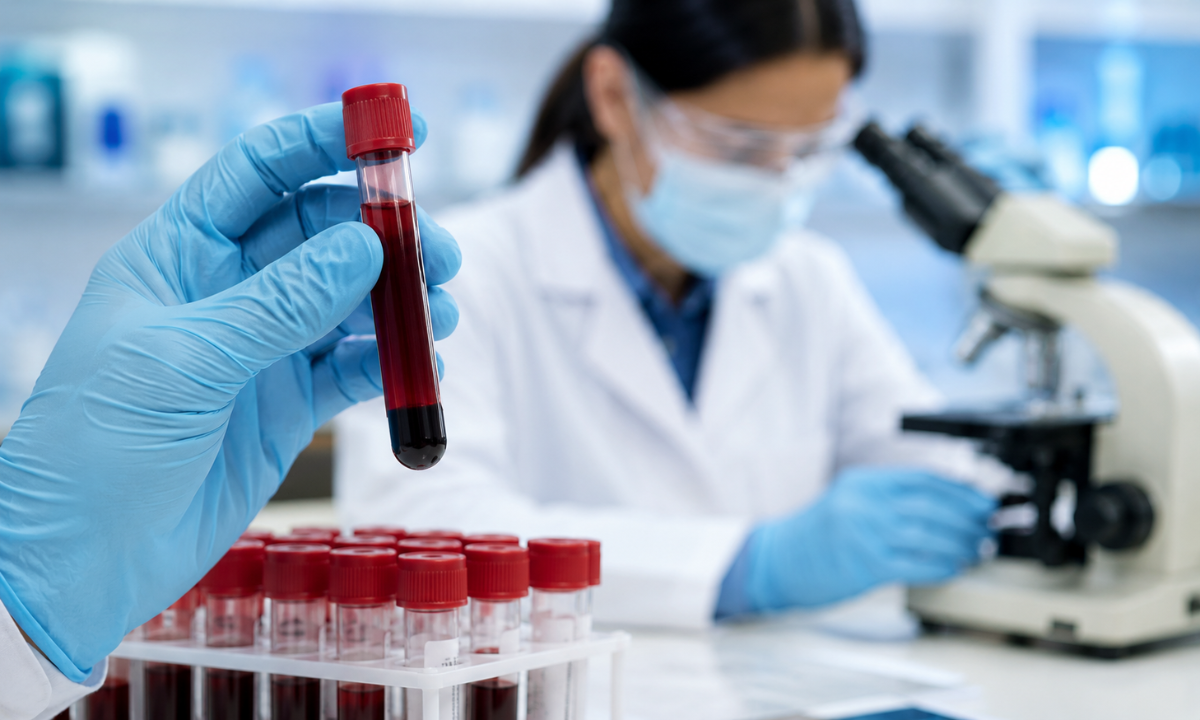
A test for Hepatitis B immunity is a quantitative blood assay that measures the concentration of specific protective antibodies in your bloodstream.
Specifically, this laboratory evaluation looks for Hepatitis B surface antibodies, clinically abbreviated as Anti-HBs or HBsAb. These specialized Y-shaped proteins are manufactured by your immune system’s B-cells to recognize, bind to, and neutralize the Hepatitis B virus before it can invade liver cells.
It is essential to distinguish between testing for active viral infection and testing for protective immunity, as these evaluations measure opposite sides of the biological coin:
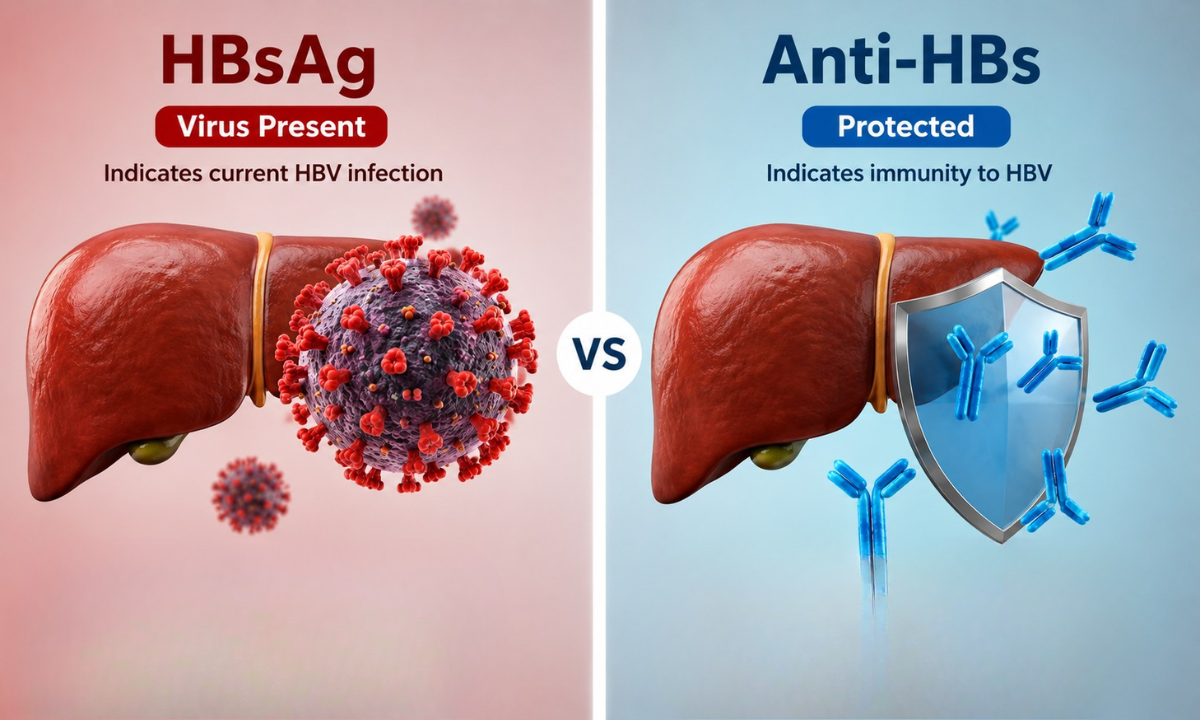
- Hepatitis B Surface Antigen (HBsAg): This marker detects the physical outer protein shell of the Hepatitis B virus. A positive HBsAg result indicates an active viral hepatitis infection, meaning the virus is present and multiplying inside the liver cells.
- Hepatitis B Surface Antibody (Anti-HBs): This marker detects the protective proteins built by your immune system. A positive Anti-HBs result confirms that you are immune to the virus, either due to successful vaccination or complete recovery from a past, cleared liver infection.
By assessing Anti-HBs levels, your healthcare provider can determine if your immune memory remains active or if your antibody count has waned over time, indicating the need for a booster dose.
Interpreting Your Serology Results: Understanding Antibody Titers

When you receive your lab report from an accredited laboratory or Health screening centre in Bangalore, your Anti-HBs levels will be presented as a quantitative numerical value measured in milli-international units per milliliter (mIU/mL). This numerical figure represents your antibody titer strength.
International clinical guidelines established by the World Health Organization (WHO) and the Centers for Disease Control and Prevention (CDC) standardize how these antibody titers are interpreted:
| Anti-HBs Titer Level | Clinical Status | Medical Recommendation |
|---|---|---|
| Below 10 mIU/mL | Non-Immune / Susceptible | You lack adequate protection. A primary 3-dose Hepatitis B vaccine series or booster dose is strongly recommended. |
| 10 to 100 mIU/mL | Moderate / Borderline Immunity | You possess basic protection, but antibody levels may be declining. High-risk individuals should consider a single booster dose. |
| Greater than 100 mIU/mL | Robust / High Protection | Your immune system maintains strong, active protection against Hepatitis B infection. No booster is necessary. |
Understanding these numerical thresholds gives you complete clarity regarding your true biological defense against viral hepatitis, eliminating any ambiguity about your immunization status.
Who Should Get Tested for Hepatitis B Immunity?

While verifying immune status is valuable for anyone taking control of their preventive health, specific populations face elevated exposure risks or biological vulnerability. Clinical guidelines recommend booking a routine Blood test in Bangalore to check immunity for the following groups:
- Healthcare Workers and First Responders: Doctors, nurses, dentists, medical laboratory technicians, and emergency personnel who encounter blood or bodily fluids during daily duties.
- Individuals with Chronic Medical Conditions: Patients undergoing regular hemodialysis, individuals with pre-existing liver disease (such as fatty liver or cirrhosis), or those living with diabetes.
- Expectant Mothers and Family Members: Screening pregnant women protects newborns from perinatal viral hepatitis transmission, while checking household contacts of Hepatitis B patients ensures family safety.
- Travelers and International Students: Individuals planning prolonged stays or employment in regions with moderate-to-high Hepatitis B prevalence.
- Individuals Who Received Childhood Vaccinations Years Ago: As antibody levels can naturally decrease over decades, verifying titer strength ensures immune memory remains active into adulthood.
Proactive testing ensures that any gap in protective immunity is identified and remedied long before potential occupational or community exposure happens.
Natural Immunity vs. Vaccine-Induced Immunity: Decoding the Serology Matrix
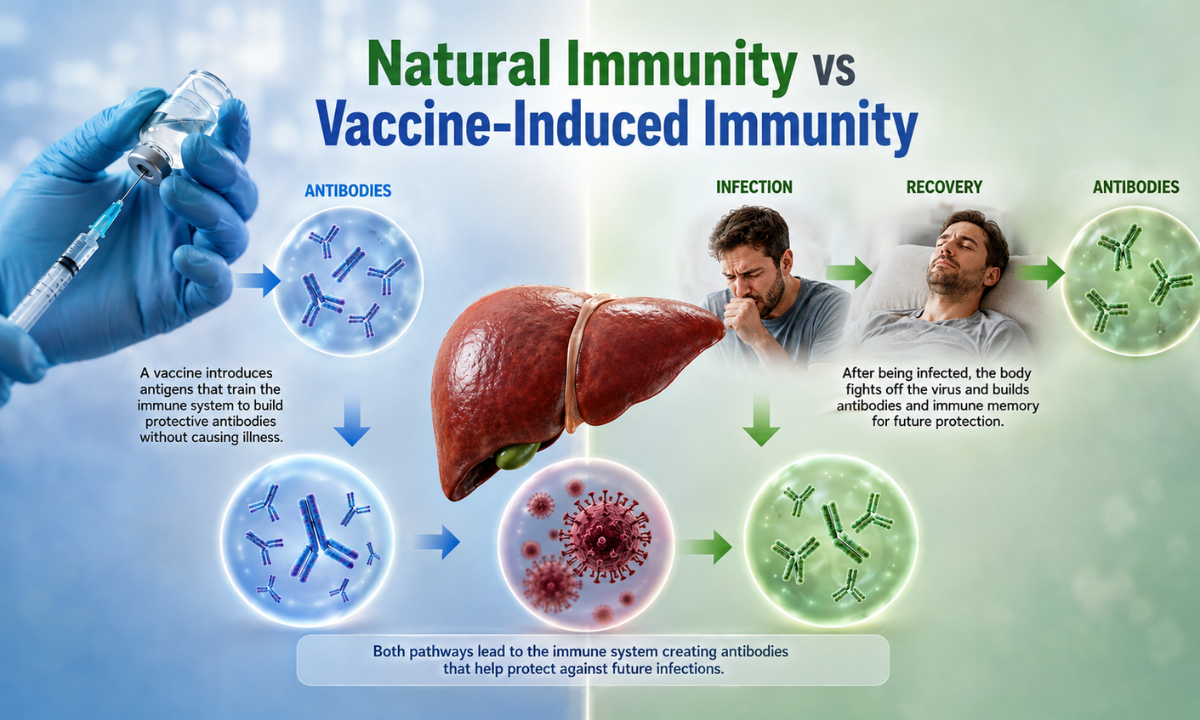
An intriguing aspect of immunological testing is that your blood chemistry reveals not only whether you are immune, but also how that immunity was acquired. Your body builds slightly different antibody profiles depending on whether protection stemmed from a sterile vaccine or an actual exposure that your body successfully cleared.
To differentiate between these states, laboratories analyze a combination of three key blood markers: Hepatitis B Surface Antigen (HBsAg), Surface Antibody (Anti-HBs), and Core Antibody (Anti-HBc).
| Serological Marker | Vaccine-Induced Immunity | Natural Infection Recovery | Active Chronic Infection |
|---|---|---|---|
| HBsAg (Surface Antigen) | Negative | Negative | Positive |
| Anti-HBs (Surface Antibody) | Positive (> 10 mIU/mL) | Positive (> 10 mIU/mL) | Negative |
| Anti-HBc (Core Antibody) | Negative | Positive | Positive |
Why does this distinction matter? Vaccines contain only purified surface proteins, stimulating Anti-HBs production without ever exposing your system to internal viral core proteins. In contrast, natural recovery triggers antibodies against both the outer surface and the inner viral core (Anti-HBc). Evaluating this complete panel provides an accurate biological record of your immune history.
What to Do If Your Titer Is Low or Non-Immune?
If your test for Hepatitis B immunity returns an Anti-HBs titer below 10 mIU/mL, there is no need to panic. A low titer simply means your bloodstream currently lacks enough circulating antibodies to neutralize the virus instantly upon contact. Taking structured medical steps easily restores your protection:
- Consult Your Physician: Review your full serology report with a qualified doctor or gastroenterologist to rule out active infection (confirming negative HBsAg).
- Administer a Booster Dose: For individuals who completed a full vaccine series in the past, a single booster dose often triggers a rapid memory recall response, surging antibody titers back to optimal levels.
- Complete a Primary Vaccine Series: If you were never vaccinated or if your system shows zero immune response, completing a standard 3-dose recombinant Hepatitis B vaccine series (given at 0, 1, and 6 months) establishes long-lasting protection.
- Post-Vaccination Verification: Schedule a follow-up Blood test in Bangalore 1 to 2 months after your final vaccine dose to confirm that your antibody titers have successfully exceeded the 10 mIU/mL threshold.
Following this structured approach guarantees that your body establishes a robust, verified barrier against viral hepatitis.
Why Choose Koshikaa? Proactive Health Screening in Bangalore
Navigating viral health and liver wellness requires a diagnostic partner that prioritizes clinical precision, patient comfort, and complete transparency. At Koshikaa, we have designed our health screening experience to make comprehensive wellness assessments seamless and stress-free for families across Bangalore.
- State-of-the-Art Laboratory Technology: Our partner testing facilities utilize advanced chemiluminescent immunoassay (CLIA) systems to deliver exact, quantitative antibody readings.
- Comprehensive Liver Health Panels: Combine your Hepatitis B immunity test with full Liver Function Tests (LFT), lipid profiles, and metabolic screening for a complete organ health assessment.
- Hassle-Free Home Sample Collection: Enjoy certified phlebotomy services at your doorstep across Bangalore, making routine blood work comfortable and convenient.
- Clear, Actionable Diagnostic Reports: Receive easy-to-read, physician-reviewed reports that break down complex serological terms into clear health insights.
Pairing advanced diagnostic tools with honest patient support, Koshikaa empowers you to make informed decisions that protect your long-term health.
Conclusion
Your liver is one of your body’s most resilient and essential organs, performing hundreds of vital metabolic functions every single day. Protecting it from preventable viral hepatitis infections is one of the most impactful investments you can make in your personal longevity.
A simple, quantitative test for Hepatitis B immunity takes the guesswork out of preventive health, providing definitive proof of whether your body possesses the necessary surface antibodies to fight off infection. Whether you are due for a routine checkup, starting a new healthcare role, or simply prioritizing your family’s health, verifying your immunity status provides lasting peace of mind.
Ready to confirm your protection and take charge of your wellness? Visit a Koshikaa Health screening centre in Bangalore or book your comprehensive health test online today. Let us help you build a safer, healthier future backed by precise diagnostic science.
Koshikaa Stands For Proactive Diagnostics for Lifelong Wellness.