
Magnetic Resonance Imaging (MRI) has emerged as one of the most powerful diagnostic tools in the medical field, playing a crucial role in the early detection of cancer. The non-invasive, radiation-free nature of MRI scans makes them an essential method for identifying and diagnosing various types of cancer at an early stage, often before symptoms even manifest. Early detection is vital because it significantly improves treatment outcomes and survival rates, giving patients a better chance at recovery. MRI scans, with their ability to produce highly detailed images of internal organs and tissues, can provide the necessary insight for healthcare professionals to make more informed decisions about a patient’s treatment plan.
For individuals looking for advanced diagnostic options, an MRI scan in Bangalore offers state-of-the-art technology and experienced radiologists, making it a preferred destination for early cancer detection. This blog will explore the role of MRI in early cancer detection, the benefits it provides, and why getting an MRI scan in a city like Bangalore can be a wise decision.
What is an MRI Scan?
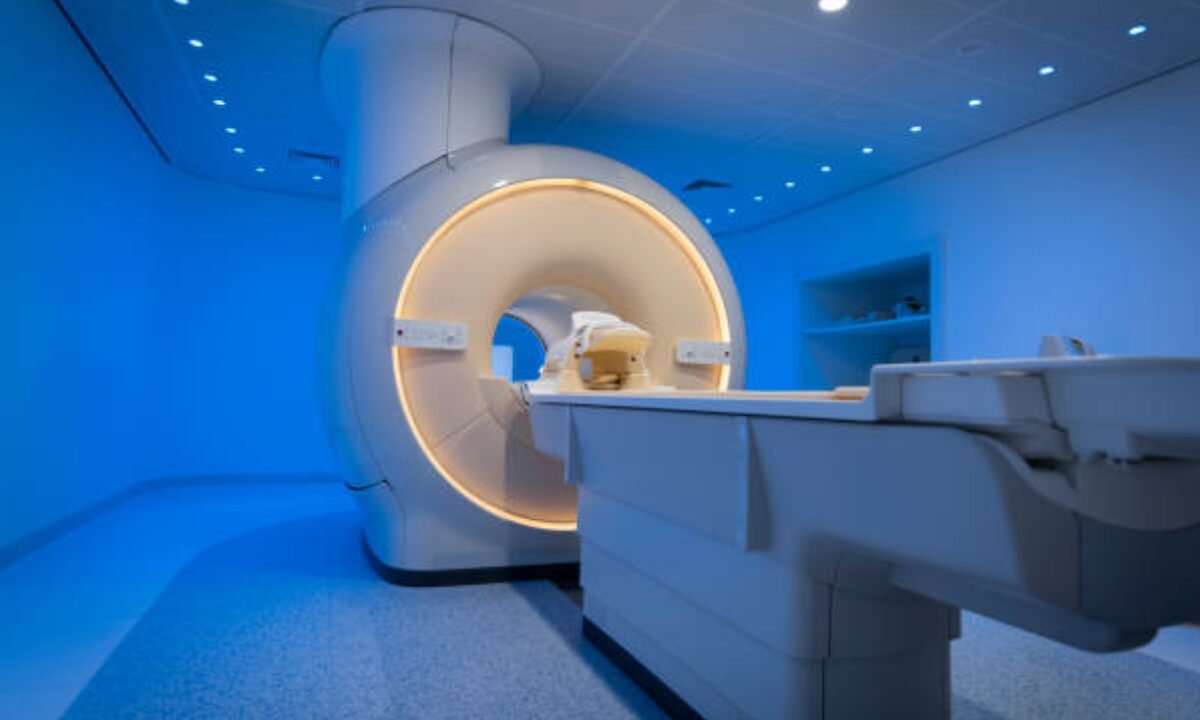
MRI, or Magnetic Resonance Imaging, is a medical imaging technique that uses powerful magnets and radio waves to create detailed images of the organs and tissues inside the body. Unlike X-rays or CT scans, MRI does not use ionizing radiation, which can be harmful over time. This makes MRI particularly useful for repeated scanning, often necessary for cancer monitoring and early detection.
In cancer diagnostics, MRI scans are employed to detect abnormalities in soft tissues that are difficult to visualize using other imaging methods. They are particularly effective for imaging the brain, spinal cord, bones, and organs such as the liver, kidneys, and prostate.
How MRI Scans Help in Early Cancer Detection
MRI scans are highly sensitive to changes in the water content and the architecture of tissues, which can indicate the presence of cancerous growths. This sensitivity enables MRI to detect even the smallest tumours, often before they have had a chance to spread or become symptomatic. The clarity and precision of MRI imaging allow doctors to see abnormal tissues with more detail than other scanning methods.
Early detection is crucial because many cancers, such as breast, prostate, and liver cancers, can go unnoticed until they reach an advanced stage. MRI scans can identify these cancers at an early stage when treatment is more likely to be successful.
MRI in Breast Cancer Detection
Breast cancer is one of the most common cancers among women, and early detection is critical for successful treatment. While mammography is the standard screening method, MRI scans are often used for high-risk patients, especially those with a family history of breast cancer. MRI is more sensitive than mammography and can detect cancers that mammograms might miss, particularly in women with dense breast tissue.
MRI in Brain Tumor Detection
Brain tumours can be difficult to diagnose in their early stages because symptoms often resemble those of less serious conditions. MRI scans can detect brain tumours earlier than other imaging methods. MRI’s ability to visualize soft tissues in detail makes it the gold standard for detecting tumours in the brain, whether benign or malignant.
MRI for Prostate Cancer
Prostate cancer is another condition where early detection can significantly improve survival rates. MRI scans, particularly multiparametric MRI (mpMRI), have become a key tool for detecting prostate cancer early. This advanced form of MRI combines multiple imaging sequences to provide more detailed information about the prostate, helping doctors distinguish between aggressive and slow-growing cancers.
Benefits of MRI Scans in Cancer Detection
There are numerous benefits of using MRI scans for early cancer detection, including:
- Non-invasive and Radiation-free: One of the most important benefits of MRI is that it does not expose the patient to harmful radiation, making it safer for long-term monitoring.
- High Resolution: MRI scans produce high-resolution images that allow for the detection of even the smallest tumours, which can be missed by other imaging techniques.
- Detailed Visualization of Soft Tissues: MRI is especially effective for imaging soft tissues, making it an essential tool for detecting cancers in organs such as the liver, brain, and breast.
- Customizable Imaging: MRI scans can be adjusted to focus on specific areas of the body, providing detailed images tailored to the patient’s needs.
MRI Scan in Bangalore: Access to Advanced Technology
For those seeking high-quality cancer diagnostics, an MRI scan in Bangalore offers access to some of the most advanced medical technologies and healthcare professionals. Bangalore is home to numerous world-class medical centres, equipped with cutting-edge MRI machines that offer faster and more precise imaging. Whether you’re looking for routine screening or suspect an abnormality, undergoing an MRI scan in Bangalore ensures that you receive expert care and accurate diagnostics.
Additionally, Bangalore’s medical centres often collaborate with specialists across different fields, ensuring that once a diagnosis is made, patients can easily transition to treatment planning, whether it involves surgery, chemotherapy, or radiotherapy. With early cancer detection being a game-changer in patient outcomes, the accessibility and advanced technology available in the city are invaluable.
When to Consider an MRI Scan?
Individuals at high risk of developing cancer—whether due to family history, genetic factors, or exposure to carcinogens—should consider undergoing regular MRI screenings. In some cases, doctors may recommend an MRI scan if abnormalities are detected in initial screenings, such as mammograms or ultrasounds. For example, if a patient has a family history of breast cancer and dense breast tissue, an MRI scan is often recommended as it can pick up small lesions that other imaging techniques might miss.
Other cancers that benefit from MRI screening include liver cancer, especially in patients with cirrhosis, and brain tumours in patients presenting with chronic headaches or other neurological symptoms.
Challenges and Limitations of MRI
While MRI is a powerful tool for cancer detection, it does come with some limitations. For instance, MRI scans can sometimes produce false positives, leading to unnecessary anxiety or invasive testing like biopsies. In addition, MRI is not always effective for all cancer types; for example, it is less effective in detecting lung cancer compared to a CT scan.
Moreover, MRI scans can be more expensive than other imaging techniques, which may not be accessible to everyone. However, considering the long-term benefits of early detection, many patients and doctors consider MRI to be worth the investment, especially in cities like Bangalore where healthcare infrastructure is advanced and accessible.
Conclusion
MRI scans have revolutionized the early detection of cancer, offering a non-invasive, radiation-free method to detect abnormalities in the body’s tissues at an early stage. From breast and brain tumours to prostate and liver cancers, MRI scans have become indispensable tools in modern cancer diagnostics. The availability of advanced MRI scan technology in cities like Bangalore ensures that individuals have access to the best diagnostic care, making early detection—and ultimately, more effective treatment—a reality.
For individuals at risk of cancer or those with suspicious symptoms, scheduling an MRI scan in Bangalore can be a proactive step toward maintaining health and ensuring peace of mind.
Koshikaa Screening Centre offers a wide range of comprehensive cancer screening services, ensuring accurate results and personalized health care. Contact us today at +91 7996666106