
Introduction
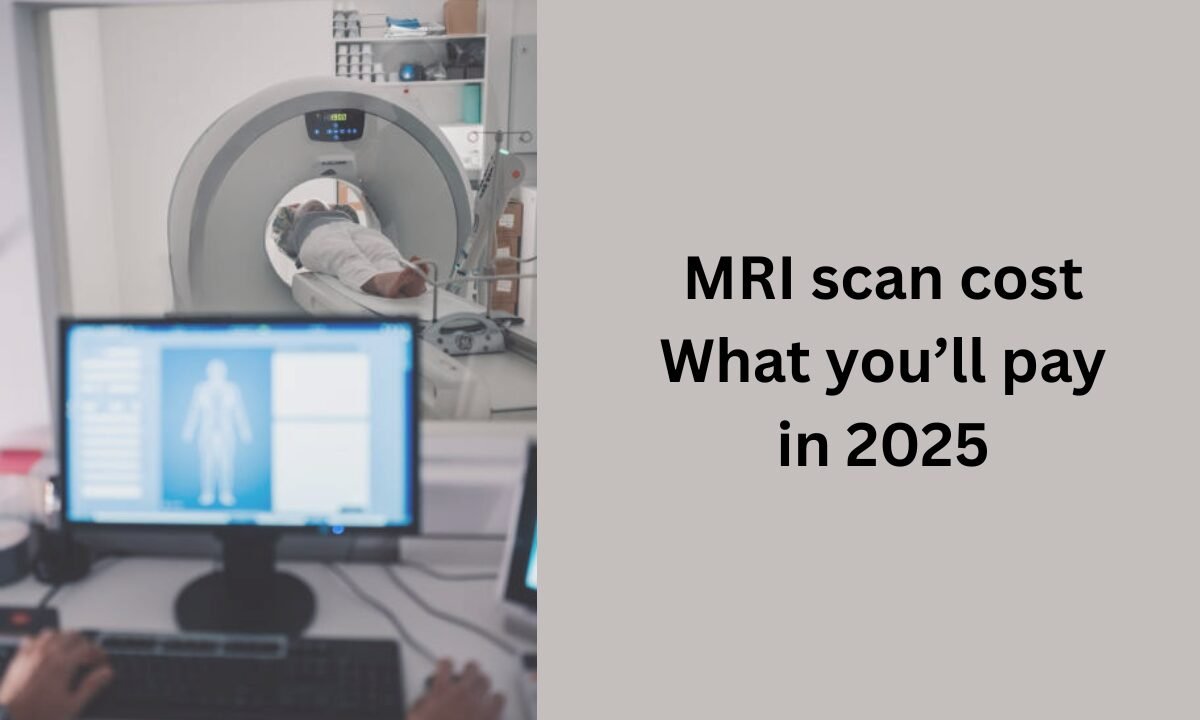
Have you been advised to get an MRI scan and are wondering how much it’s going to cost? You’re not alone. Every month, thousands of people in India search for answers to “MRI scan cost”, hoping to get clear, straightforward information. The truth is that MRI scan prices can vary wildly—from ₹2,000 to ₹25,000—based on several critical factors.
In this blog, we break down everything you need to know about the cost of an MRI scan in 2025. Whether you’re in Bangalore, Mumbai, or a smaller city, this friendly guide will help you make an informed, wallet-friendly choice.
What Is an MRI Scan?

An MRI (Magnetic Resonance Imaging) scan is a non-invasive imaging test used to get detailed images of your organs, bones, tissues, and more. It uses strong magnetic fields and radio waves instead of radiation, making it a safer choice compared to CT scans or X-rays.
How Much Does an MRI Scan Cost in India?
On average, here’s a breakdown of MRI scan costs across India:
- Basic MRI Scan (Single Body Part): ₹3,000 to ₹6,000
- MRI Brain or Spine: ₹4,000 to ₹8,000
- Contrast MRI (with dye injection): ₹7,000 to ₹15,000
- Whole-Body MRI Scan: ₹12,000 to ₹25,000
MRI Scan Cost in Bangalore:
In metro cities like Bangalore, prices tend to be slightly higher due to advanced infrastructure and quality standards. Curious about the exact cost in Bangalore? Check this link for updated prices on the cost of an MRI scan.
Frequently Asked Questions About MRI Scan Cost:
Why is there such a big price difference?
MRI scan costs depend on factors like:
- Type of MRI (with or without contrast)
- The body part being scanned
- Equipment quality (1.5T vs 3T MRI machines)
- Hospital vs diagnostic centre
- City location
Are MRI scans covered by insurance?
Yes, most health insurance policies in India cover MRI scans if prescribed by a doctor. Always confirm with your provider beforehand and ask whether you need pre-authorization.
Can I save money by choosing a diagnostic centre over a hospital?
Absolutely. Diagnostic centres often offer the same quality MRI scans at up to 30–50% lower prices than multi-speciality hospitals.
What’s the cost difference between 1.5 Tesla and 3 Tesla MRI machines?
- 1.5T MRI: Standard quality, cheaper (₹4,000–₹6,000)
- 3T MRI: Higher clarity images, more expensive (₹6,000–₹10,000+)
If you don’t need super-detailed imaging, 1.5T is usually sufficient and budget-friendly.
Is a contrast MRI worth the extra cost?
A contrast MRI, which uses a special dye to highlight tissues, is often necessary for a more detailed diagnosis, especially for tumors or vascular issues. Though it adds ₹3,000–₹7,000 to the cost, it’s often essential and medically justified.
Key Stats to Know:
- In 2023, over 1.5 million MRI scans were performed in India.
- Bangalore has over 200 centres offering MRI services, and competition often leads to discounts of up to 40%.
- More than 65% of people choose diagnostic centres over hospitals for affordability.
Top Tips to Save on MRI Scan Costs:
- Compare prices online: Use price comparison platforms or local aggregators to find the most affordable MRI scan in your city.
- Ask for discounts: Many centres offer cash payment discounts, off-peak hour rates, or package deals.
- Stick to doctor recommendations: Avoid unnecessary scans; always get a clear prescription.
- Use health cards: Cards like Bajaj Finserv Health EMI Network Card offer EMI options on diagnostic tests.
- Check for second opinions: If unsure about needing a scan, consult another specialist before booking.
Real-Life Story:
Priya, a 32-year-old graphic designer from Bangalore, was quoted ₹8,500 for a contrast MRI brain scan at a well-known hospital. After some online digging, she found a reputed diagnostic centre through Koshikaa and got the same test done for ₹5,200—saving over ₹3,000 without compromising quality.
Conclusion:
Getting an MRI scan doesn’t have to be confusing or costly. By understanding the types of scans, where to get them, and what influences pricing, you can take control of your health decisions with confidence. Whether you need a quick brain MRI or a whole-body scan, remember to compare prices, ask questions, and make informed choices.
If you’re searching for the most competitive rates, especially in South India, don’t miss this resource for the updated cost MRI scan in Bangalore.