
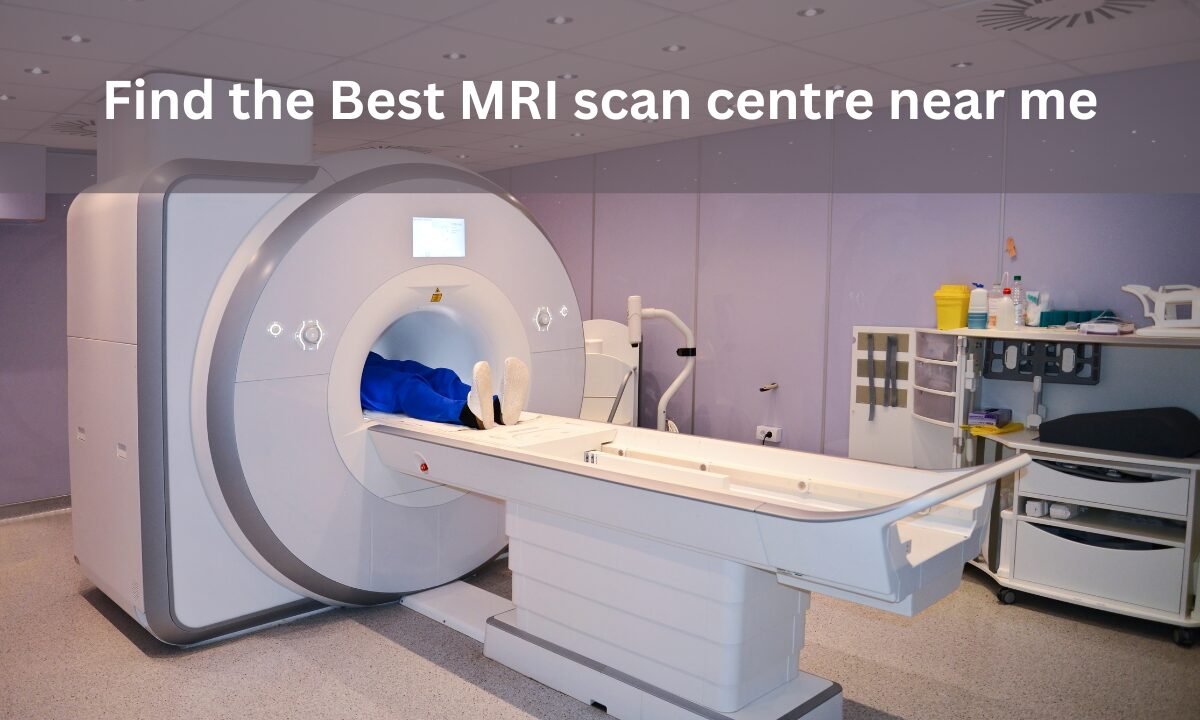
Introduction:
When one seeks an “MRI scan centre near me”, it may be overwhelming, especially when trying to solve health concerns, and time is of the essence. With all these hundreds of diagnostic centers sprouting up in each city, how can you ever trust any of them? And more to the point, how do you find a good one that is near and affordable too?
In this guide, we will walk you step by step through how to get the best MRI scan centers close to your location: faster and smarter. We will answer your most burning questions, share tips you need to know and provide you with expert advice so that you can save your time, pocket, and nerves.
What Is an MRI Scan & Why Choosing the Right Centre Matters
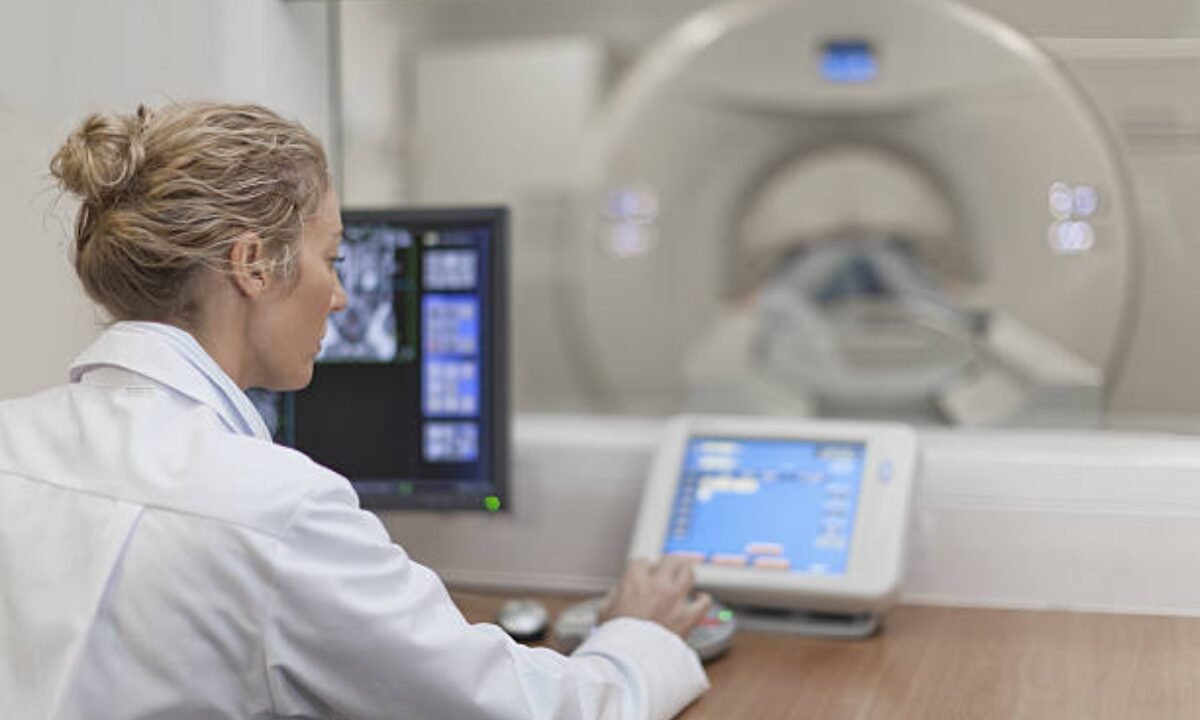
MRI scan, i.e., Magnetic Resonance Imaging scan, is a very vital diagnostic test that makes detailed images of your body through the use of strong magnets and radio waves. It’s non-invasive and radiation-free, but it works only if it is done by a reputed diagnostic centre using cutting-edge machines and skilled operators.
A quality scan can detect a condition early and improve treatment. A not-so-good scan, however, could result in a misdiagnosis or delay. That is why being able to locate a reputed “MRI scan centre near me” is more important than you can imagine.
Key Factors to Consider When Searching “MRI Scan Centre Near Me”
Here are 7 essential things you should check before choosing a nearby MRI scan centre:
Accreditation & Certifications
Look for centres accredited by NABL (National Accreditation Board for Testing and Calibration Laboratories) or NABH. These certifications ensure high standards of equipment, hygiene, and reporting.
Proximity & Accessibility
Choose a centre within 3-5 km from your location if possible. This reduces commute stress, especially for elderly or injured patients.
Machine Technology (1.5T vs 3T)
- 1.5 Tesla: Ideal for most standard scans, affordable.
- 3 Tesla: Offers higher clarity, used for detailed neurological, musculoskeletal, or vascular studies.
Availability of Radiologists
An efficient centre has in-house experienced radiologists who can interpret the scans quickly, meaning that you do not wait too long for the report.
Cost Transparency
The cost may vary from ₹3000 to ₹ 25000, depending on the scan type. Request a total price, including the additional price incurred, by contrast, reports, or urgent delivery.
Report Turnaround Time
Standard turnaround is 12–24 hours. Some give urgent reports in 4-6 hours for serious cases.
Patient Reviews & Ratings
Always ensure that you confirm Google reviews, Practo, Justdial, or a local listing platform to hear from genuine patients.
Quick Stats on MRI Usage in India:
- Over 1.7 million MRI scans are done annually in India.
- Bangalore, Mumbai, and Delhi have the highest number of MRI centres.
- More than 60% of patients now book your scan online using aggregator platforms.
FAQs: Answers You Need Before Booking an MRI
How do I find the best MRI scan centre near me?
Compare centers on Google Maps, and online medical directories such as Practo or Koshikaa based on proximity, price and reviews.
Can I walk in, or do I need an appointment?
The majority of the MRI centers will need a doctor’s prescription and an appointment before any scanning, especially with the use of contrast MRI or a whole body scan.
How long does an MRI scan take?
According to the body part that needs to be scanned, an MRI scan can last between 20-60 minutes. Whole-body or contrast-enhanced scans are likely to be more time-consuming.
Is it painful or uncomfortable?
MRI scans are painless. One has to do this while lying still in an enclosed tunnel, which can be uncomfortable for claustrophobic individuals. Open MRI machines are available in some centers.
Are home pickup and drop-off services available?
Some of the advanced centers provide ambulance/cab tie-ups for the patients, especially the aged and immobile. Always ask.
Real-Life Scenario:
It’s Rajesh, a 52-year-old businessman in Bengaluru. He googled “MRI scan centre near me” and received a first quote of ₹9,000 from a hospital. After reviewing the options online and comparing centers using Koshikaa, he located a certified diagnostic lab that was only 2 km away from his home, providing the exam at Rs 4,800, including same-day report generation. He saved money, he saved time, and he saved stress all in the process of doing a 10-minute online comparison.
How to Quickly Find the Best MRI Scan Centre Near You (Action Plan)
- Step 1: Use your GPS-enabled phone to search “MRI scan centre near me”
- Step 2: Shortlist top 3 based on ratings (4.2+), distance (within 5 km), and availability
- Step 3: Call to check machine type (1.5T or 3T), cost, and report time
- Step 4: Ask about radiologist qualifications and whether they offer urgent reports
- Step 5: Book an appointment online or via phone to avoid long waiting times
Pro Tip:
If you’re based in Bangalore and want an updated list of certified centers, you can check platforms like Koshikaa, where centers are verified, and you can filter by cost, distance, and reviews. For a trusted and budget-friendly MRI scan centre near me, visit this detailed guide on Koshikaa: MRI Scan Near Me.
Conclusion:
Leave it to chance when it comes to your health. Do you think it’s not possible to find a good and affordable MRI scan centre near you? Think again! With the help of online tools and platforms, this is not just possible, but easier than ever. Accreditation, technology, and patient reviews should be prioritized before the booking.
Take some time to research and compare. You may be grateful for your future health.