
Best 3D Mammography in Bangalore

Koshikaa offers advanced 3D mammography in Bangalore, designed for early breast cancer detection. Providing accurate imaging, complete comfort, and compassionate care with us, your trusted partner in women’s health.

What Is 3D Mammography?

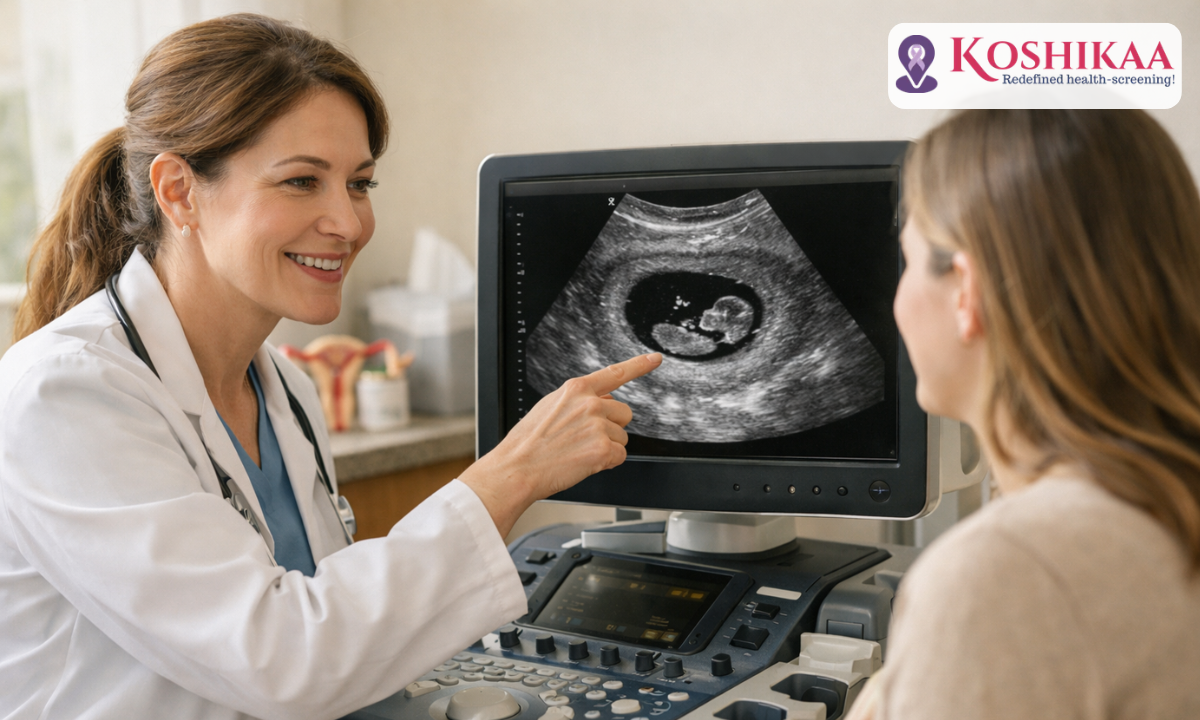
At Koshikaa, we offer modern 3D mammography in Bangalore. This technology captures clear images of breast tissue from different angles. Unlike traditional 2D scans, this advanced technique helps us detect even the smallest abnormalities early.

Our mammography services in Bangalore ensure highly accurate imaging, giving you confidence in your results. When you visit our Mammography Centre in Bangalore, you will receive expert care. We use modern technology in a friendly

Who Should Get a 3D Mammogram?

  • Are 40 years or older and due for your yearly screening.
  • Have a family history or genetic risk of breast cancer.
  • Have experienced previous breast lumps or abnormal findings.
  • Have dense breast tissue, which makes 3D imaging more effective.
  • Need a follow-up screening after an earlier exam.
  • Prefer regular preventive screening to maintain breast health and detect any potential issues early.

Benefits of 3D Mammography

Better Treatment Outcomes

We provide highly detailed, layered 3D images, enabling early detection of breast abnormalities for more accurate diagnosis and better health outcomes.

Enhanced Image Clarity

Our 3D mammography identifies small tumors that traditional 2D scans often miss, giving women confidence in their breast health.

Personalized Care

By offering precise imaging, we reduce false alarms, unnecessary follow-ups, and the stress often associated with routine screenings.

Early Cancer Detection

Early detection allows timely treatment interventions, improving treatment success and enhancing long-term breast health and overall patient well-being.

Advanced BIRADS classification system

This advanced imaging is especially effective for women with dense breast tissue, improving detection accuracy where conventional scans may be less reliable.

Benefits of 3D Mammography

Better Treatment Outcomes

We provide highly detailed, layered 3D images, enabling early detection of breast abnormalities for more accurate diagnosis and better health outcomes.

Enhanced Image Clarity

Our 3D mammography identifies small tumors that traditional 2D scans often miss, giving women confidence in their breast health.

Personalized Care

By offering precise imaging, we reduce false alarms, unnecessary follow-ups, and the stress often associated with routine screenings.

Early Cancer Detection

Early detection allows timely treatment interventions, improving treatment success and enhancing long-term breast health and overall patient well-being.

Advanced BIRADS classification system

This advanced imaging is especially effective for women with dense breast tissue, improving detection accuracy where conventional scans may be less reliable.
Why Choose Koshikaa for 3D Mammography Services ?

We use advanced 3D mammography technology to deliver highly precise results, ensuring early detection and complete confidence in your breast health.

Expert Radiologists

Our experienced radiologists specialize in women’s imaging, providing expert care, accurate interpretations, and a reassuring, professional screening experience for every patient.

Comfortable & Safe

We maintain a calm, private, and supportive environment, helping women feel comfortable, relaxed, and confident throughout their mammography scan.

Accurate Reports

Our reports are fast, clear, and easy to understand, giving patients timely insights and actionable information for informed health decisions.

Reliable services

We are a trusted provider of mammography services in Bangalore, offering accessible, affordable, and reliable screening options for women of all ages.


How the Procedure Works

Before Your Appointment
Before your 3D mammogram, we provide simple preparation instructions, such as avoiding deodorants, powders, or perfumes. Wear comfortable clothing and bring any previous reports. Our staff at the health screening center in Bangalore will help you. We make sure your experience is easy and stress-free from the moment you arrive.
Registration and Check-in
When you arrive, we check your details and medical history. Our team explains the procedure, answers questions, and ensures you feel comfortable and confident. This step sets the tone for a reassuring experience at our Mammography Centre in Bangalore.
Positioning for the Scan
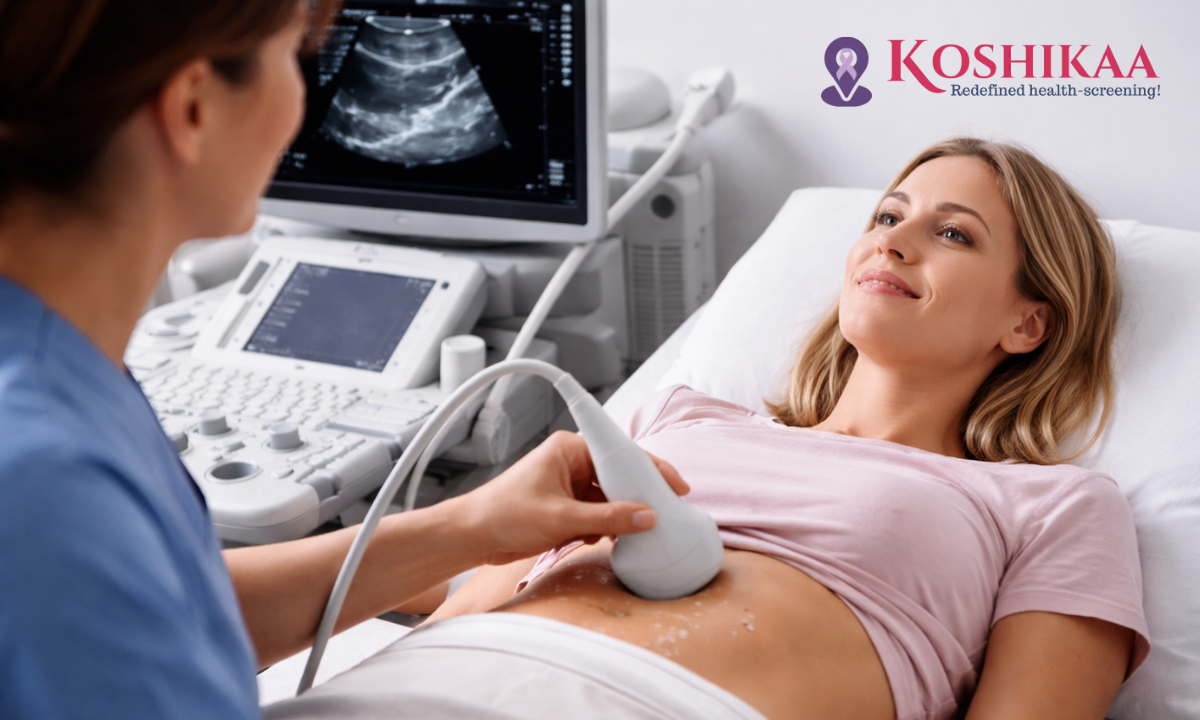
We gently position your breast on the 3D scanner. The machine takes multiple angled images within a few minutes. You may feel mild pressure, but the process is quick, precise, and designed to maximize comfort while providing highly accurate imaging results.
Image Capture and Review
During the scan, we capture high-resolution images of each breast layer. Our radiologists monitor the imaging, ensuring clarity and precision. This step allows us to detect even small abnormalities early, providing you with confidence in the accuracy of your results.
After the Scan
After completion, you can immediately resume daily activities. We review your images carefully and provide a detailed report promptly. This allows your doctor to make informed decisions quickly, ensuring timely follow-up or preventive care for your ongoing breast health.

Patient Stories

Where In Bangalore?

Visit us at Koshikaa for advanced preventive care and comprehensive health checkups.

Reach Out To Us

Our Recent Blogs

FAQs

What is a 3D mammogram?

A 3D mammogram is an advanced breast imaging technique that captures multi-layered images. It allows us to detect small abnormalities early, providing highly accurate results compared to traditional 2D mammograms.

How long does a 3D mammogram take?

The 3D mammogram procedure typically takes 15–20 minutes. We ensure it is quick and comfortable, allowing you to return to your normal daily routine immediately after the scan without any delays.

Is a 3D mammogram painful?

Most women feel only slight pressure for a few seconds while the breast is positioned. Overall, the procedure is quick, comfortable, and designed to minimize discomfort while ensuring accurate imaging.

How do we prepare for a 3D mammogram?

Before your scan, avoid deodorants, perfumes, or powders. Wear a two-piece outfit and bring any previous mammogram reports. This helps us ensure clear, precise images and a smooth procedure.

What does a 3D mammogram show?

3D mammography provides detailed images of breast tissue layers. This allows us to detect cysts, tumors, or other abnormalities early, offering a more accurate diagnosis compared to traditional 2D scans.

Why choose Koshikaa for 3D mammography in Bangalore?

We combine modern 3D imaging technology, expert radiologists, and a supportive environment. Koshikaa is a trusted health screening centre in Bangalore offering accurate, compassionate, and patient-focused mammography services.

How soon will I get my mammogram report at Koshikaa?

We provide prompt and accurate reports, usually within 24 hours. This ensures your doctor can make timely decisions, giving you confidence and peace of mind regarding your breast health.

MRI of the uterus is primarily used for diagnosing and evaluating conditions such as uterine fibroids, adenomyosis, and malignancies. It is particularly useful in the planning of surgical procedures and assessing the extent of gynecological diseases. This imaging test is valuable for its ability to deliver detailed cross-sectional images of the uterus and surrounding structures.
An MRI of the spleen can help diagnose various disorders affecting the spleen including splenomegaly (enlarged spleen), tumors, and other abnormalities. It provides clear, detailed images that are crucial for assessing the health of the spleen and planning potential surgical interventions.
Prostate MRI is a non-invasive imaging technique that provides detailed pictures of the prostate gland and surrounding tissues. It helps in the detection, staging, and monitoring of prostate cancer. Prostate MRIs are increasingly used to guide biopsy procedures and assist in the planning of treatment strategies for prostate health.
An MRI of the pancreas is used to identify issues such as pancreatitis, pancreatic cancer, and other pancreatic disorders. It offers high-resolution images that help in detecting small lesions and assessing the pancreatic ducts. This imaging technique is valuable for guiding biopsies and planning surgeries involving the pancreas.
MRI scans of the liver, kidney, and bile ducts provide detailed images that help diagnose various conditions, such as tumors, cysts, and blockages in the bile ducts. They are crucial for assessing organ damage, staging cancer, and planning liver or kidney-related surgeries. This type of MRI can also evaluate the health and function of these organs comprehensively.
Breast MRI is highly sensitive for detecting breast cancer, especially in individuals with dense breast tissue or a high risk of cancer. It is often used in conjunction with mammography to provide a more comprehensive evaluation. Breast MRIs can also monitor the response to breast cancer treatments and provide detailed pre-surgical mapping.
Brain and spine MRIs are critical tools for diagnosing and monitoring neurological conditions, including tumors, spinal cord injuries, and multiple sclerosis. These MRIs can reveal abnormalities in brain tissue and spinal cord structure that might not be visible with other imaging methods. They are essential for planning surgeries and assessing the effectiveness of treatments in neurology.
PET-CT scans of transplant organs like the liver, kidney, or pancreas are performed to assess metabolic activity, detect complications, and monitor post-transplant function. These scans play a vital role in the early detection of issues such as organ rejection, recurrence of disease, or infection, guiding timely interventions and optimizing transplant outcomes for patients.
PET-CT examinations of organs such as the liver, kidney, or prostate are crucial for assessing metabolic activity, detecting abnormalities, and monitoring disease progression. These scans help diagnose conditions such as liver metastases, renal cell carcinoma, or prostate cancer, guiding treatment decisions and monitoring response to therapy over time.
PET-CT scans of soft-tissue masses are utilized to assess metabolic activity and detect malignant tumors or other abnormalities. By combining PET imaging with CT imaging, these scans provide detailed information about tumor location, size, and metabolic characteristics, aiding in accurate diagnosis and treatment planning for soft-tissue cancers.
PET-CT scans are valuable for detecting cysts or fluid collections within the body, including cysts in the liver, kidneys, or other organs. These scans help characterize the nature and metabolic activity of cysts, guiding diagnosis and treatment planning for conditions such as cystic liver disease, renal cysts, or pancreatic cysts.
PET-CT scans of muscles are performed to assess metabolic activity and detect abnormalities such as inflammation, infection, or tumors. These scans provide valuable information about muscle function and pathology, aiding in the diagnosis and management of conditions like myositis, muscular dystrophy, or soft-tissue sarcomas.
PET-CT scans of the brain are utilized to evaluate brain metabolism and detect abnormalities such as tumors, epilepsy, or neurodegenerative diseases. By combining functional PET imaging with anatomical CT imaging, these scans offer comprehensive information about brain function and structure, guiding neurosurgical interventions and treatment decisions for neurological disorders
PET-CT scans of bones are commonly used to detect bone metastases in cancer patients, assess bone health in conditions like osteoporosis, and evaluate response to treatment. By combining PET and CT imaging, these scans provide detailed information about metabolic activity and anatomical changes in bone structures, aiding in accurate diagnosis and treatment planning for various bone-related conditions.
CT scans of the spine are conducted to assess the vertebrae, spinal cord, and surrounding soft tissues for conditions like herniated discs, spinal fractures, or spinal stenosis, aiding in the diagnosis and management of spinal disorders with detailed imaging essential for surgical planning and intervention.
CT scans of the pelvis are utilized to visualize the pelvic bones, reproductive organs, bladder, and surrounding structures for conditions such as fractures, tumors, or pelvic inflammatory disease, guiding treatment plans and surgical interventions with precise anatomical information.
CT scans of the neck are performed to evaluate structures such as the throat, thyroid gland, lymph nodes, and blood vessels for abnormalities like tumors, infections, or injuries, assisting in diagnosis and management of head and neck disorders with detailed imaging.
CT scans of the extremities are employed to assess bones, joints, and soft tissues in the arms or legs, aiding in the diagnosis of fractures, arthritis, or other musculoskeletal conditions, guiding orthopedic treatment and rehabilitation plans for optimal recovery.
CT scans of the chest are utilized to examine the lungs, heart, blood vessels, and surrounding structures for conditions such as lung nodules, pneumonia, or pulmonary embolism, facilitating accurate diagnosis and management of respiratory and cardiovascular diseases.
CT scans of the brain are conducted to assess brain structures, identify abnormalities like tumors, hemorrhages, or strokes, and aid in diagnosing neurological conditions, guiding neurosurgical interventions and treatment strategies with precise imaging of the brain’s anatomy.
CT scans of the abdomen are performed to visualize and evaluate the internal organs such as the liver, kidneys, pancreas, and intestines for conditions like tumors, infections, or injuries, providing detailed images essential for diagnosis and treatment planning.
Transplant organ ultrasound scans, including those of the liver, kidney, or pancreas, are performed to assess organ viability, detect complications, and monitor post-transplant function. These scans play a vital role in the early detection of issues such as organ rejection, vascular complications, or fluid collections, guiding timely interventions and optimizing transplant outcomes for patients.
Ultrasound examinations of organs such as the liver, kidney, or prostate are crucial for assessing organ structure, detecting abnormalities, and monitoring disease progression. These scans help diagnose conditions such as liver cirrhosis, kidney stones, or prostate enlargement, guiding treatment decisions and monitoring response to therapy over time.
Soft-tissue masses can be evaluated using ultrasound to determine their size, location, and characteristics. Ultrasound imaging helps differentiate between benign and malignant masses, guiding further diagnostic evaluation and treatment planning. By providing real-time imaging, ultrasound assists in the precise localization of soft-tissue masses for biopsy or surgical removal if needed.
Ultrasound scans are valuable for detecting cysts or fluid collections within the body, including cysts in the liver, kidneys, or other organs. These scans help characterize the nature and size of cysts, aiding in diagnosis and treatment planning for conditions such as cystic liver disease or renal cysts, and guiding interventions such as cyst drainage or sclerotherapy.
Musculoskeletal ultrasound scans are used to assess the health and integrity of muscles, identifying issues such as strains, tears, or muscle inflammation. These scans provide detailed images of muscle structures, allowing healthcare providers to diagnose muscle injuries accurately and develop personalized rehabilitation plans to promote recovery and restore function.
Ultrasound examinations of joints are essential for evaluating joint health, detecting abnormalities such as inflammation, fluid accumulation, or cartilage damage. By visualizing the joint structures in real-time, ultrasound helps diagnose conditions like arthritis, bursitis, or ligament injuries, guiding treatment decisions and monitoring disease progression over time.
Ultrasound scans of tendons are performed to assess for injuries, inflammation, or tears, aiding in the diagnosis and management of conditions such as tendonitis or tendon tears. These scans provide detailed images of tendon structures, helping healthcare providers determine the extent of damage and plan appropriate treatment strategies, including physical therapy or surgical intervention if necessary.
Pelvis X-rays play a crucial role in diagnosing injuries, diseases, and developmental conditions affecting the pelvic region. They provide detailed images of the hip bones, sacrum, and coccyx, aiding in the assessment of fractures, dislocations, or signs of arthritis. Pelvic X-rays are instrumental in guiding surgical interventions, monitoring healing progress, and evaluating conditions such as osteoporosis or tumors. By providing precise anatomical information, these imaging studies enable healthcare professionals to deliver personalized care and improve patient outcomes.
Teeth X-rays, known as dental radiographs, are indispensable tools for dentists to assess oral health. They aid in diagnosing dental decay, gum disease, and abnormalities in tooth structure or alignment. These images provide valuable insights into hidden dental issues, allowing for early intervention and prevention of complications. Additionally, dental X-rays are essential for planning treatments such as orthodontics, root canals, or dental implants, ensuring optimal outcomes and patient satisfaction.
Spine X-rays are pivotal in diagnosing spinal fractures, degenerative conditions, and spinal misalignments, providing critical information for treatment planning and monitoring spinal health. They offer detailed images of the vertebrae and surrounding structures, enabling healthcare professionals to identify issues such as scoliosis, disc herniation, or spinal stenosis
Skull X-rays are valuable for detecting fractures, assessing head trauma, and evaluating the alignment of facial bones, crucial in diagnosing conditions like fractures, tumors, or developmental abnormalities in the skull. They provide detailed views of the cranial structure, aiding clinicians in determining appropriate treatment strategies and ensuring patient safety.
For the heart, X-ray solutions can aid in the detection of various cardiac problems, ranging from mild to severe, including – Heart failure, Cardiac congestion and other heart-related conditions. In addition to cardiac assessments, X-ray solutions are also used for breast examinations to identify tumors or signs of breast cancer.

Bone X-rays are essential for diagnosing fractures and assessing bone alignment, aiding doctors in developing treatment plans and monitoring healing progress. They provide detailed images of the skeletal system, helping identify abnormalities or injuries that may not be visible through other imaging techniques

Abdominal X-rays are performed when patients experience symptoms such as significant nausea, ongoing vomiting, abdominal pain, flank or back pain, or abdominal swelling. These X-rays can help diagnose various conditions.

Frequently Booked Tests

Frequently Booked Checkups