
Are you wondering how much you should budget for a heart test before booking an appointment? The electrocardiogram test cost in India is generally affordable, but it can vary depending on the city, diagnostic centre, and type of ECG performed.
An ECG is one of the simplest and quickest tests used to check the heart’s electrical activity. If you are exploring reliable ECG services in Bangalore, understanding the pricing and what affects it can help you make an informed decision.
By the end of this blog, we will clearly understand what you are paying for and how to choose the right centre without confusion.
Medical Disclaimer:
This blog is for general informational purposes only and should not be considered medical advice. The electrocardiogram test cost and related details may vary based on individual health conditions and diagnostic centres. Please consult a qualified healthcare professional or visit a trusted diagnostic centre for proper evaluation and personalized medical guidance.
Key Points At A Glance
- The average electrocardiogram test cost in India ranges between ₹150 and ₹900.
- In Bangalore, the price typically falls between ₹200 and ₹850.
- A standard resting ECG is the most affordable option.
- Advanced tests like Holter monitoring cost ₹3,000–₹5,000.
- At-home ECG services may cost around ₹799.
- Prices vary depending on the type of facility and location.
- Insurance may cover an ECG if medically necessary.
- Choosing a trusted health screening centre in Bangalore ensures accuracy and reliability.
What Is An Electrocardiogram (ECG)?
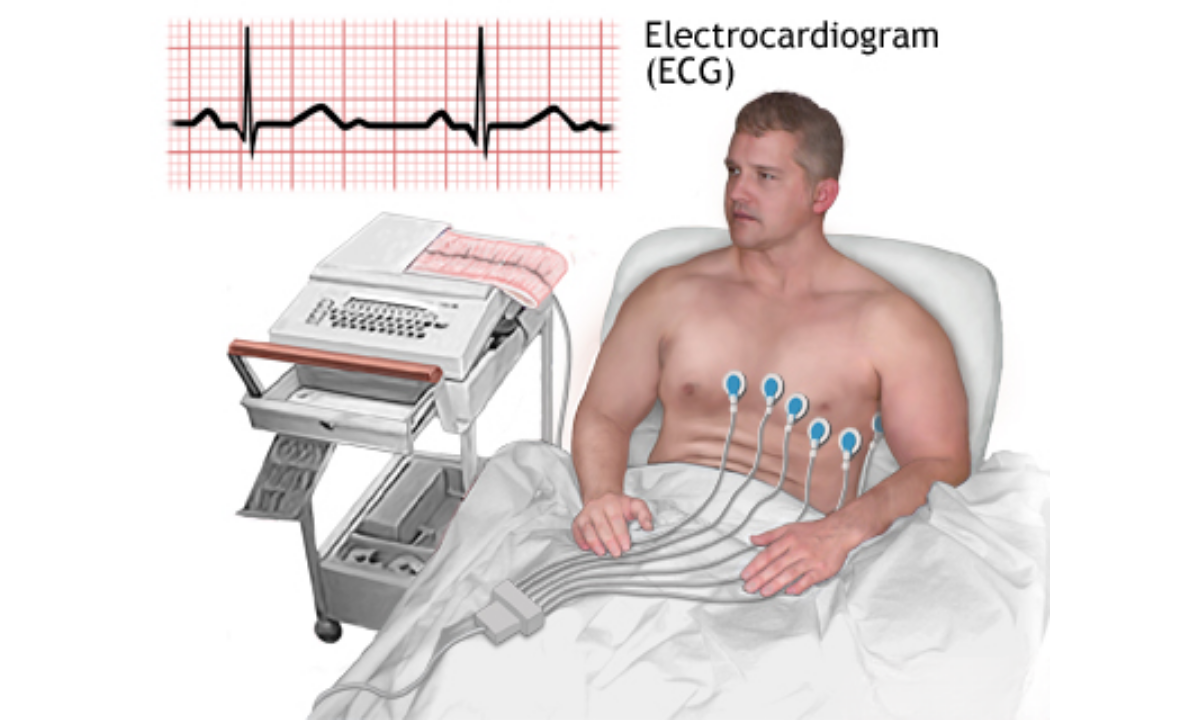
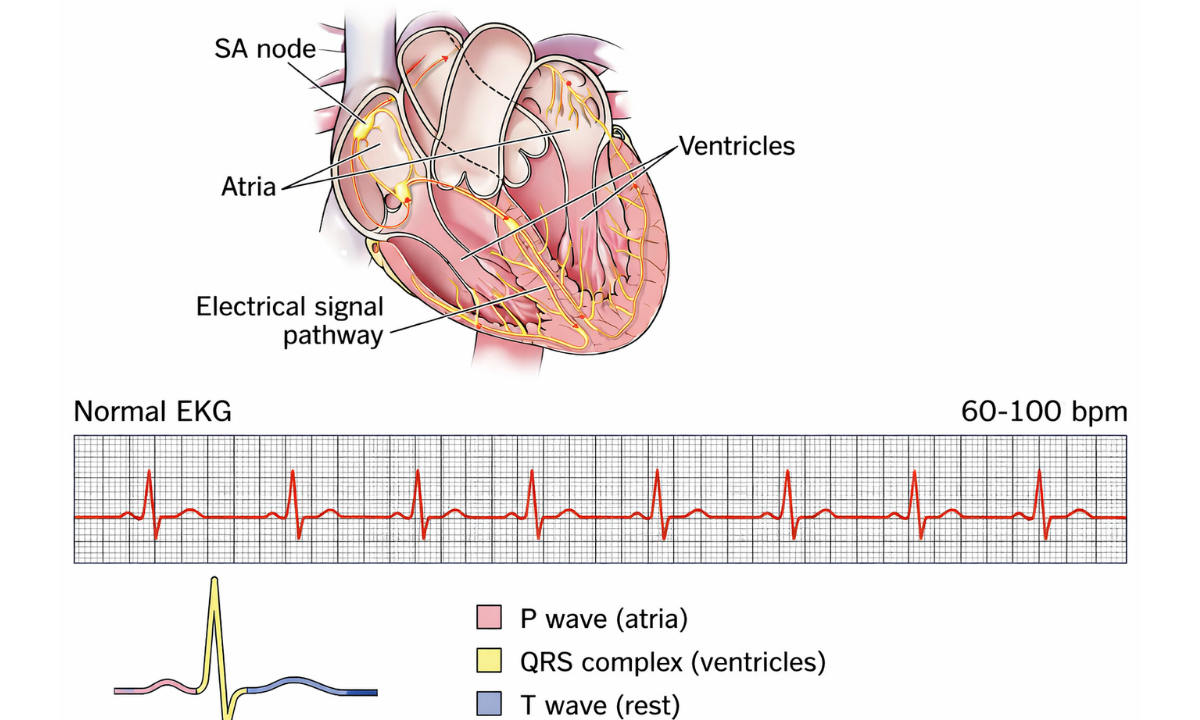
An electrocardiogram, also called an ECG or EKG, is a simple test that records the electrical signals of the heart. It helps doctors detect irregular heart rhythms, heart attacks, and other cardiac conditions.
The test is painless and usually takes 5–10 minutes. Small electrodes are placed on the chest, arms, and legs to capture heart signals.
Electrocardiogram Test Cost In India
Let us first understand the general pricing structure across India.
| City | Approximate Cost Range |
|---|---|
| Bangalore | ₹200 – ₹850 |
| Delhi/NCR | ₹142 – ₹800 |
| Mumbai | ₹180 – ₹900 |
| Hyderabad | ₹150 – ₹750 |
In most cases, the average cost falls between ₹250 and ₹500.
The cost depends on whether the test is done in a local lab or a corporate hospital.
Electrocardiogram Test Cost In Bangalore
If we focus specifically on Bangalore, the pricing remains competitive due to the presence of multiple diagnostic centres.
For example:
- Local diagnostic labs may charge around ₹250–₹400.
- Private hospitals may charge ₹500–₹850.
Bangalore offers a wide range of affordable options, making heart screening accessible.
What Affects The Cost Of An ECG?
Understanding cost factors helps us avoid confusion.
1. Type Of Facility
| Facility Type | Cost Level |
|---|---|
| Local Diagnostic Centre | Lower |
| Corporate Hospital | Higher |
| Multi-specialty Hospital | Moderate to High |
Local labs usually have lower operational costs, which reduces pricing.
2. Type Of ECG Test
Not all ECG tests are the same.
| Type Of ECG | Description | Cost Range |
|---|---|---|
| Resting ECG | Standard test done while lying down | ₹150–₹900 |
| ECG test on a treadmill | Also called TMT, done during exercise | ₹1,500–₹3,000 |
| Holter Monitoring | 24-hour continuous ECG recording | ₹3,000–₹5,000 |
A standard resting ECG is the most affordable. An ECG test on a treadmill costs more because it evaluates heart function under stress.
3. Location
Metro cities may have slightly higher prices. However, due to competition, cities like Bangalore often offer affordable rates.
4. At-Home ECG Services
Some centres provide home collection services.
The average cost is around ₹799, which includes technician visit charges. This option is convenient for elderly patients or those with mobility issues.
ECG Vs Other Heart Tests
Many people confuse ECG with other heart tests.
1. 2D Echocardiography
The 2D echocardiography test price is usually higher than a standard ECG. It ranges between ₹1,500 and ₹3,500 depending on the centre.
This test uses ultrasound to create images of the heart’s structure.
2. 3D Echocardiography
A 3D echocardiography test provides even more detailed imaging of heart chambers and valves.
It is typically recommended when doctors need advanced structural information. The cost is higher compared to a 2D echo.
ECG vs Echo – Quick Comparison
| Feature | ECG | 2D Echo | 3D Echo |
|---|---|---|---|
| Measures | Electrical activity | Heart structure | Detailed 3D heart structure |
| Duration | 5–10 mins | 20–30 mins | 30–45 mins |
| Cost | Lower | Moderate | Higher |
Cost Comparison Table For Easy Understanding
| Test Type | Average Cost | Purpose |
|---|---|---|
| Resting ECG | ₹250–₹500 | Basic heart rhythm check |
| ECG test on a treadmill | ₹1,500–₹3,000 | Stress evaluation |
| Holter Monitoring | ₹3,000–₹5,000 | 24-hour monitoring |
| 2D Echo | ₹1,500–₹3,500 | Structural imaging |
When Do We Need An ECG?
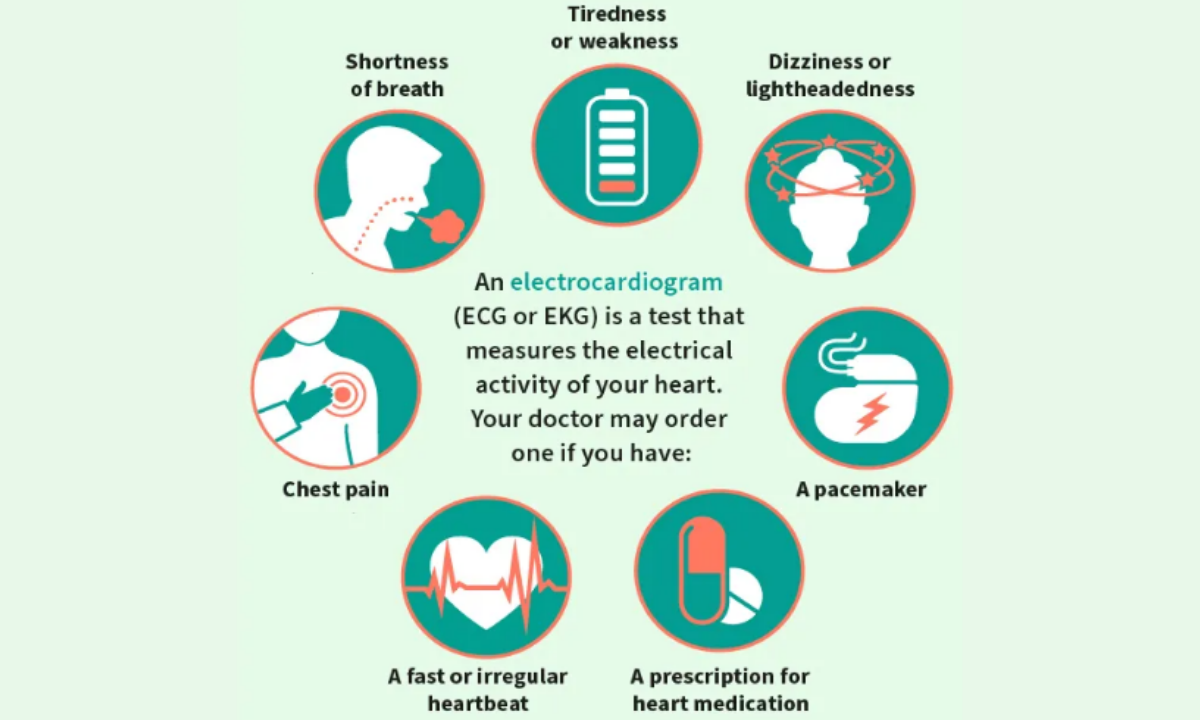
Doctors may recommend an ECG if we experience:
- Chest pain
- Irregular heartbeat
- Dizziness
- Shortness of breath
- High blood pressure
It is also commonly included in preventive health checkups.
Visiting a reliable health screening centre in Bangalore ensures proper evaluation.
Understanding Electrocardiogram Test Results
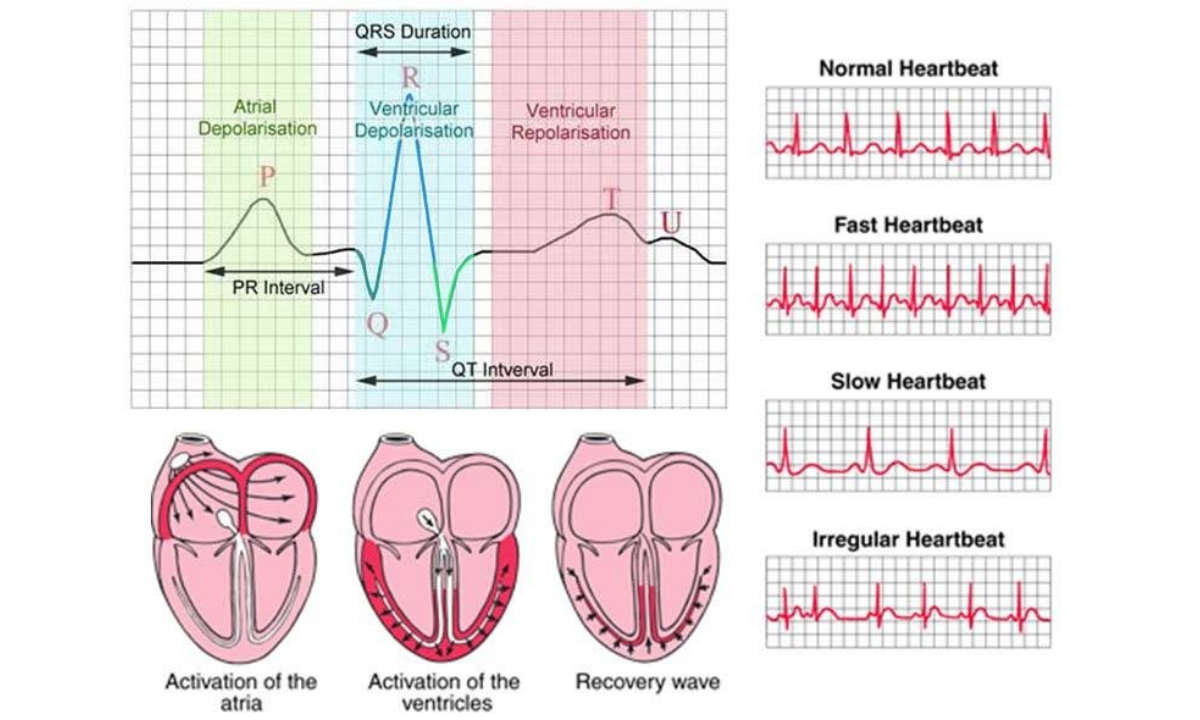
Getting the test done is only the first step. Understanding electrocardiogram test results is equally important.
An ECG report typically shows:
- Heart rate
- Rhythm pattern
- Electrical conduction
- Signs of previous heart damage
Doctors interpret these readings carefully before recommending further tests.
Insurance Coverage
Many health insurance plans cover an ECG if prescribed by a doctor.
If the test is part of hospitalization or cardiac evaluation, coverage is often included. Always check with your insurer beforehand.
Tips To Choose The Right ECG Centre
We should not choose based only on price.
Here are some helpful tips:
- Check if the centre has qualified technicians.
- Ensure the equipment is updated.
- Look for transparent pricing.
- Confirm quick report delivery.
- Read online reviews.
Affordable pricing is good, but quality matters more.
Why Affordable Heart Testing Matters
Heart conditions can develop silently. Regular testing helps detect problems before they become serious.
Spending ₹300–₹500 on preventive testing can potentially prevent major medical expenses later.
Why Preventive Heart Checkups Are Important
Heart diseases are increasing even among younger adults.
Regular ECG screening helps detect problems early. It is especially useful if we have:
- Family history of heart disease
- Diabetes
- High cholesterol
- Hypertension
Preventive care is always better than emergency treatment.
Final Thoughts
The electrocardiogram test cost is generally affordable and varies depending on the type of ECG, facility, and location. In most cases, it ranges between ₹150 and ₹900, making it accessible for routine heart screening.
If you are looking for a reliable ECG test in Bangalore, choosing a trusted centre ensures accurate results and professional care. At Koshikaa, we focus on quality diagnostics, transparent pricing, and patient comfort so that heart health remains simple and stress-free.
Taking a small step today by scheduling an ECG can give you peace of mind and protect your heart for the future.
Frequently Asked Questions
1. Is ECG painful?
No, an ECG is completely painless and non-invasive. During the test, small adhesive electrodes are placed on the chest, arms, and legs to record the heart’s electrical activity. You may feel slight discomfort only when the stickers are removed, but the procedure itself does not cause any pain. It is safe for people of all age groups.
2. How long does an ECG take?
A standard resting ECG usually takes about 5 to 10 minutes to complete. The actual recording of the heart’s electrical activity takes only a few seconds, but preparation time is included.
More advanced tests, such as Holter monitoring, require wearing a portable device for 24 hours to continuously record heart activity during daily activities.
3. Do I need to fast before an ECG?
No, fasting is not required for a routine resting ECG. You can eat and drink normally before the test unless your doctor advises otherwise.
However, for certain specialized heart tests like a treadmill stress test, specific instructions may be given regarding food, caffeine intake, or medications. It is always best to follow the guidance provided by your healthcare provider.
4. Can an ECG detect a heart attack?
Yes, an ECG can detect signs of a current or previous heart attack by identifying abnormal electrical patterns in the heart. It helps doctors quickly assess whether there is reduced blood flow or damage to heart muscle tissue.
However, in some cases, additional tests such as blood tests (cardiac enzymes) or imaging studies may be required to confirm the diagnosis and assess severity.
5. Is an ECG enough to diagnose heart disease?
An ECG is an important first-line test, but it may not always provide a complete picture of heart health. While it can detect rhythm problems, electrical abnormalities, and signs of heart damage, structural issues may require further evaluation.
Doctors may recommend additional tests such as echocardiography, stress testing, or Holter monitoring for a more detailed assessment of heart function.
Reference:
1. From Google
2. https://koshikaa.com/ecg-test-in-bangalore/
Image source:
3. https://www.webmd.com/heart-disease/electrocardiogram-ekgs