

Early diagnosis of cancer has significantly improved the chances of successful treatment and long-term survival. One of the most powerful tools used for this purpose is the MRI scan, which stands for Magnetic Resonance Imaging. MRI allows detailed imaging of soft tissues, making it especially important in detecting various forms of cancer, particularly those affecting the brain, spinal cord, and similar organs when traditional X-rays or other imaging methods cannot fully reveal the extent and location of abnormalities.
Why is Early Cancer Detection Important?
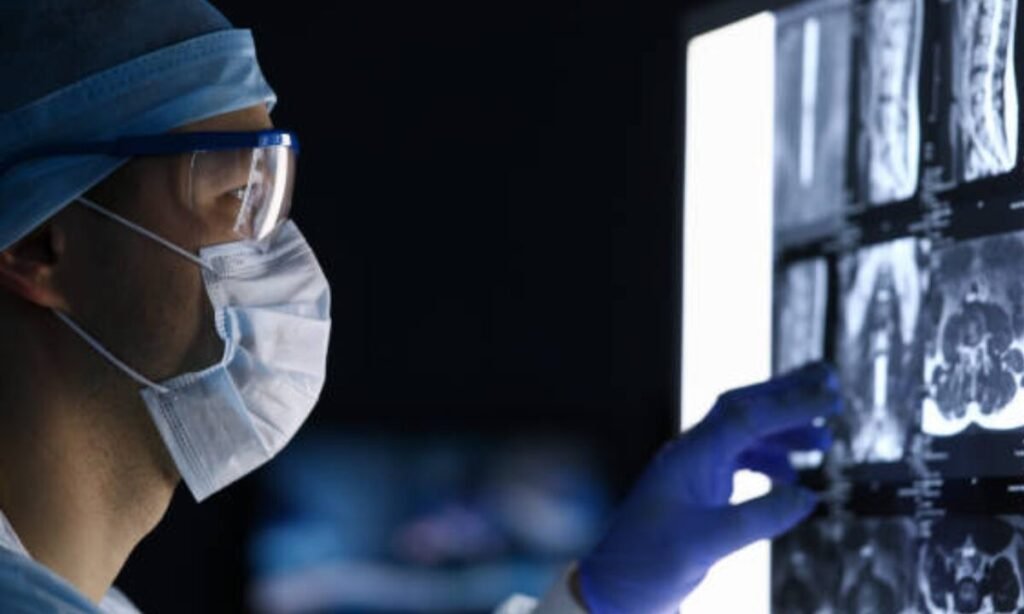
Early detection of cancer tends to provide a much better prognosis for patients since treatment could be much more effective in controlling the cancer. However, most cancers show no apparent symptoms until they reach the advanced stages. MRI scans can help doctors lay out a targeted or effective treatment plan since they can identify these malignant growths at the earliest stage.
How MRI Scans Detect Cancer?
An MRI scan uses powerful magnetic fields and radio waves that generate an image of organs and tissues inside. This feature is helpful in diagnostic cancer procedures, particularly breast, prostate, brain, and liver cancers. Unlike other imaging methods, however, an MRI scan does not use any radiation and is a safer method for routine scanning for patients exposed to increased risks.
In an MRI scan in Bangalore, the patient can expect a non-invasive process that produces clear images in detailed precision without causing harm from radiation.
Cancers Best Detected by MRI Scans
It’s important to understand the significance of MRI scans in detecting and diagnosing various types of cancer.
1. Brain Tumors: MRI scans are invaluable in identifying and locating brain tumors due to their high-resolution imaging capabilities.
2. Breast Cancer: For women at a higher risk of breast cancer, MRI scans offer a much more detailed option than mammograms. They are adept at detecting smaller tumors, helpful for women with dense breast tissue.
3. Prostate Cancer: MRI has emerged as a cutting-edge diagnostic tool for the early detection of prostate cancer. Its ability to provide clear visualization of the prostate and surrounding tissues aids in the detection of tumors before they metastasize.
4. Liver Cancer: MRI is also highly effective in identifying liver cancer. Its potential in distinguishing between benign and malignant tumors is crucial for early diagnosis.
Patients in Bangalore scheduled for an MRI scan should expect their doctors to provide them with detailed information regarding the appropriateness of the procedure for their specific condition.
Benefits of Early Cancer Detection through MRI
Improved Survival Rates: The likelihood of a complete cure through treatment depends on how early cancer is detected. Most cancers can be managed or even cured through surgical removal, radiation therapy, or systemic treatments if they are identified in the early stages. This allows doctors to treat patients according to a customized treatment plan, to the best benefit of the patient, with fewer side effects and less invasive means.
Treatment Costs are Lower: Treating cancer in its early stages is less expensive than in later stages, which may require surgical interventions, radiation, and chemotherapy as part of a more comprehensive treatment.
Quality of Life: Patients treated at an early stage have fewer complications and a higher quality of life compared to those diagnosed later
Early Cancer Detection at Koshikaa
Our practice offers the latest advanced MRI scan in Bangalore, with state-of-the-art equipment, to ensure accuracy in cancer detection. On the strength of committed radiologists and state-of-the-art equipment, we provide timely and accurate diagnosis, which is more critical in the fight against cancer.
Thus, the comfort of getting professional care for the early detection and effective treatment of cancer will be what the patient may hope for when he undergoes an MRI scan in Bangalore at Koshikaa Screening Centre.
Focusing on early detection through MRI scans and other diagnostic methods affords patients the best chance of combating cancer and living healthier and more productive lives.