
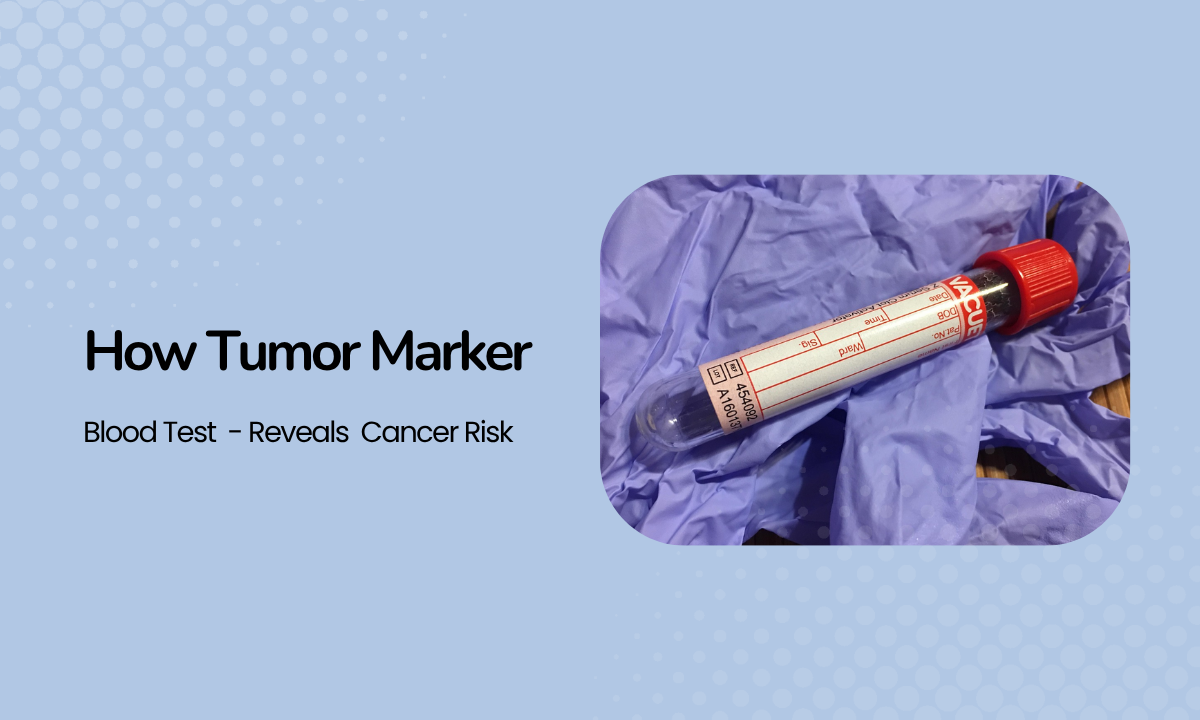
Tumor Marker Blood Tests are one of the most important tools in detecting cancer early and monitoring treatment progress. These specialized tests measure specific proteins or substances in your blood that may indicate abnormal cell activity.
If you have been considering a blood test to detect cancer, understanding how these markers work can make a big difference in timely intervention. At our Health Screening Centre in Bangalore, we often see patients who gain crucial insights into their health through these tests.
Whether it’s a routine cancer blood test or follow-up after treatment, a blood test report from a reliable centre provides valuable guidance. Visiting the right Health Screening Centre in Bangalore ensures accurate testing, expert interpretation, and peace of mind.
Curious about which tumor markers matter most and how they influence treatment decisions? Let’s explore.
What Are Tumor Marker Blood Tests?
Tumor marker blood tests are designed to detect abnormal levels of certain proteins, hormones, or enzymes that are often elevated in cancer patients. These markers are not definitive proof of cancer, but they can indicate:
- Early warning signs of cancer
- Risk assessment in high-risk individuals
- Monitoring the effectiveness of ongoing treatment
A cancer blood work test is often recommended for patients with a family history of cancer or persistent symptoms like unexplained weight loss, fatigue, or abnormal pain.
Key Types of Tumor Markers
Some commonly measured tumor markers include:
| Tumor Marker | Associated Cancer | Purpose |
| AFP (Alpha-fetoprotein) | Liver, Testicular | Detect liver tumors or germ cell tumors |
| CEA (Carcinoembryonic antigen) | Colorectal, Pancreatic | Monitor recurrence after treatment |
| CA-125 | Ovarian | Early detection of ovarian cancer |
| PSA (Prostate-specific antigen) | Prostate | Screen and monitor prostate cancer |
| CA 19-9 | Pancreatic | Assess pancreatic and biliary tract cancers |
Tip: A single elevated marker is not a diagnosis; doctors consider multiple markers and imaging results to confirm a condition.
How Tumor Marker Blood Tests Work
A blood test in Bangalore at a certified lab involves drawing a small blood sample, which is analyzed for the presence and level of specific tumor markers.
- The results are included in your blood test report, showing marker levels and comparison with standard reference ranges.
- High or rising levels may prompt additional imaging or follow-up blood test to detect cancer.
- Regular monitoring helps track treatment response and detect recurrence early.
Benefits of Tumor Marker Blood Tests
| Benefit | How It Helps |
| Early Detection | Can reveal cancer risk before symptoms appear |
| Monitoring | Tracks the effectiveness of treatment |
| Personalized Care | Helps doctors recommend targeted therapies |
| Non-Invasive | Quick and painless procedure |
| Risk Assessment | Useful for individuals with family history of cancer |
Tip: Ask your doctor about combining tumor marker tests with full-body health screening at a trusted Health Screening Centre in Bangalore for comprehensive results.
Blood Test Price and Accessibility
The blood test price for tumor marker tests varies depending on the number of markers analyzed.
Choosing a reputed centre ensures accurate readings, proper sample handling, and timely delivery of your blood test report. Always verify lab credentials and test methods to avoid false positives or inconclusive results.
When to Consider a Cancer Blood Work Test
We recommend a cancer blood test if you experience:
- Unexplained weight loss or fatigue
- Persistent pain in specific areas
- Family history of certain cancers
- Abnormal findings in routine screenings
Combining this with imaging or other tests improves accuracy and treatment planning.
Choosing the Right Centre
Selecting the Health Screening Centre in Bangalore is crucial. A centre with modern labs, experienced technicians, and comprehensive reporting ensures that your results are precise and actionable.
At our Health Screening Centre in Bangalore, we provide patient-friendly procedures, detailed blood test reports, and expert guidance for tumor marker interpretation.
Final Thoughts
Tumor Marker Blood Tests are an essential part of early cancer detection, risk assessment, and treatment monitoring. They complement imaging and other diagnostic tools for a complete health picture.
At Koshikaa, we combine advanced lab facilities with personalized care, making it easier for patients to take proactive steps toward their health. Visiting our Health Screening Centre in Bangalore ensures accurate tests, reliable reports, and expert guidance for every stage of your journey.
FAQs About Tumor Marker Blood Tests
1. What are three tumor markers?
Commonly measured tumor markers include AFP (liver/testicular), CEA (colorectal/pancreatic), and CA-125 (ovarian). These help detect early signs of cancer risk.
2. What are the 5 tumor markers?
The five key markers often assessed are AFP, CEA, CA-125, PSA, and CA 19-9, covering cancers of the liver, colon, ovary, prostate, and pancreas.
3. What is the normal range for cancer and tumor marker test?
Normal ranges vary by marker. For example, PSA <4 ng/mL, CA-125 <35 U/mL, AFP <10 ng/mL. Levels above these require further assessment.
4. Does a full blood count show tumor markers?
No. A full blood count evaluates red cells, white cells, and platelets. Tumor marker detection requires specific biochemical tests beyond routine blood counts.
5. Can tumor marker tests predict cancer recurrence?
Yes. Rising tumor marker levels after treatment can indicate recurrence, allowing early intervention and tailored therapy plans.