
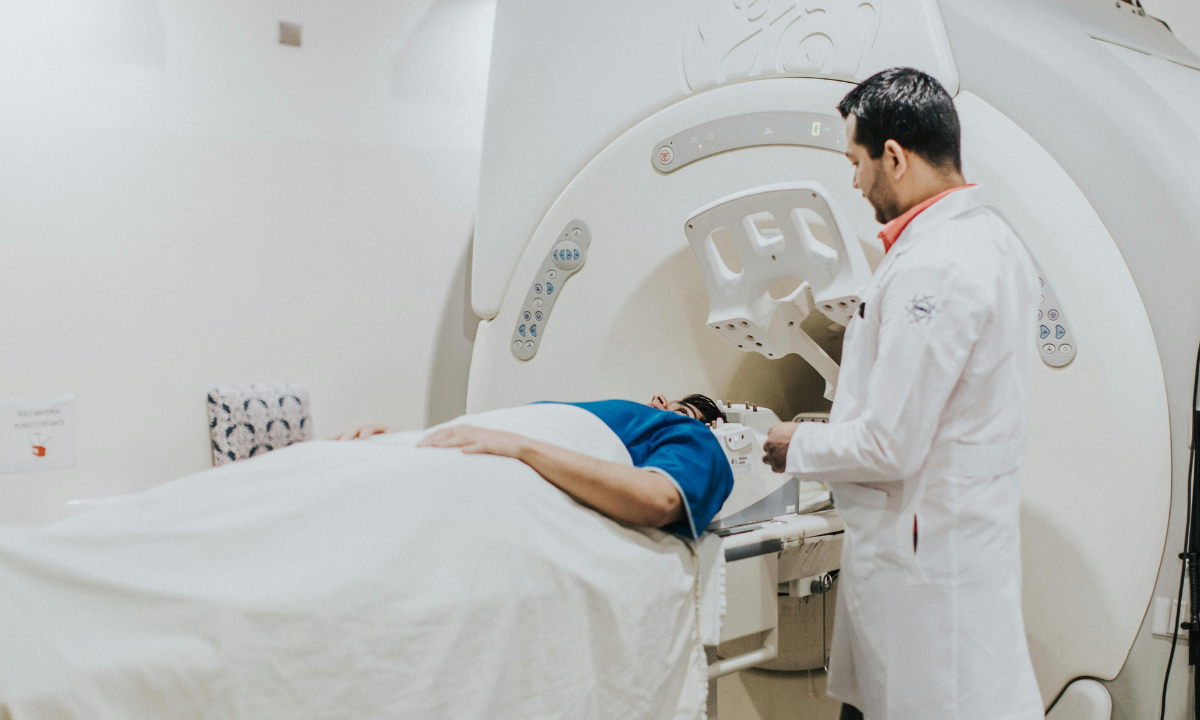
Radiation from scans is a subject that naturally raises many questions. With medical imaging becoming a routine part of healthcare today, more people wonder whether the radiation involved in procedures like X-rays, CT scans, or PET scans is safe.
At our trusted Health Screening Centre in Bangalore, we often meet individuals who want to know how much radiation they are exposed to, whether it carries risks, and why doctors sometimes recommend these scans over others. These are all valid concerns, and understanding the facts can help you feel more confident when a scan is advised.
In this blog, we will walk you through the five most important things you should know about radiation from scans. And stay with us till the end, you may be surprised at one of the comparisons we share.
1. Not All Imaging Scans Use Radiation
When we talk about imaging and diagnostics, it’s important to know that not every scan involves radiation.
- MRI (Magnetic Resonance Imaging) uses magnetic fields and radio waves, not radiation.
- Ultrasound relies on sound waves to capture images of organs and tissues.
- X-rays, CT scans, and PET scans, on the other hand, do use radiation.
This distinction is why your doctor carefully chooses the right type of scan for your situation. If radiation-free alternatives are suitable, they are often the first choice.
2. Radiation in X-rays is Extremely Low
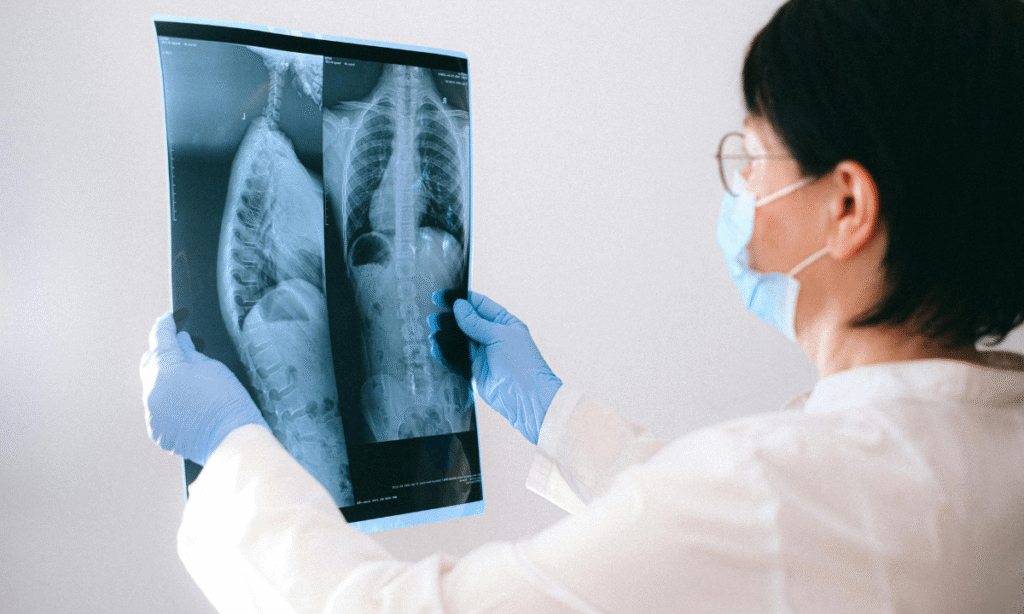
X-rays are among the most common and oldest imaging tools in medicine. They work by passing a controlled amount of radiation through the body to capture images of bones, teeth, or the chest.
The amount of radiation in an X-ray is very small. For perspective:
- A chest X-ray exposes you to about 0.1 mSv of radiation, which is roughly the same as the natural background radiation you are exposed to in just 10 days of daily life.
That means a single X-ray is considered safe, even for children, when used appropriately. Doctors usually advise them only when necessary, like to check fractures, lung infections, or dental issues.
3. How Much Radiation in a CT Scan Matters More
CT (Computed Tomography) scans provide detailed 3D images, which makes them incredibly useful in detecting internal injuries, tumors, or complex health conditions. But because they capture multiple X-ray images from different angles, they involve higher radiation compared to a single X-ray.
Here’s a simple comparison table to put things into perspective:
| Scan Type | Average Radiation Dose (in mSv) | Equivalent Natural Exposure |
|---|---|---|
| Chest X-ray | 0.1 mSv | 10 days of natural exposure |
| Chest CT Scan | 7 mSv | 2 years of natural exposure |
| PET Scan | 25 mSv | 8 years of natural exposure |
So yes, radiation exposure in CT scans is higher, but it’s still within medically acceptable safety limits. Doctors carefully weigh the diagnostic benefits against the small risks before recommending one.
Example to relate: Taking a chest CT scan is like getting the same radiation you’d receive if you flew around the world a couple of times. Air travel exposes you to natural cosmic radiation, yet millions of people fly safely every year.
4. Radiation Used in PET Scan Is Unique but Controlled
PET (Positron Emission Tomography) scans are slightly different. They use small amounts of radioactive tracers combined with imaging technology to study how organs and tissues function.
The radiation used in PET scan is higher than X-rays and CT scans, but the purpose is also more advanced, it helps detect cancer, track how treatments are working, and even identify early-stage diseases that might otherwise be missed.
Doctors carefully calculate the dosage of these tracers based on your age, health, and body size. The radiation disappears naturally from the body within hours or days, minimizing long-term risks.
5. Safety Measures Are Always a Priority
At any reputed health screening centre in Bangalore, strict safety protocols are followed to protect patients.
Here are some of the measures in place:
- Low-dose technology: Modern machines are designed to use the smallest radiation dose needed.
- Protective shielding: Sensitive areas, such as reproductive organs, are shielded whenever possible.
- Avoiding repeat scans: Doctors ensure your scan history is reviewed so you don’t undergo unnecessary repetitions.
- Special considerations for children and pregnant women: Extra caution is taken, and alternatives are often used first.
This means every scan you undergo is carefully justified for your health and safety.
Tips to Stay Safe and Informed
- Always ask why a scan is recommended, it helps you understand its necessity.
- Keep a personal record of your past scans to avoid duplication.
- If you are pregnant or suspect pregnancy, inform your doctor before any radiation-based scan.
- Don’t panic about one-time exposures, remember, the benefits usually outweigh the risks.
Wrapping Up
Radiation from scans is part of modern medical imaging, but it is carefully regulated to keep patients safe. Whether it’s radiation in X-ray, radiation exposure in CT scans, or radiation used in PET scan, the benefits of accurate diagnosis often outweigh the risks.
At a health screening centre in Bangalore like Koshikaa, our focus is on balancing advanced imaging and diagnostics with patient safety and awareness. By staying informed, you can approach your healthcare decisions with confidence.
FAQs on Radiation From Scans
1. Do all imaging scans use radiation?
No. MRI and Ultrasound use sound waves or magnetic fields. X-rays, CT scans, and PET scans involve radiation but at controlled and safe levels.
2. How much radiation in a CT scan is considered safe?
A chest CT scan exposes you to about 7 mSv, equal to roughly two years of natural background exposure, which is considered safe when medically required.
3. Is radiation exposure in CT scans dangerous if repeated?
Frequent CT scans can increase cumulative exposure, but doctors carefully track your medical history to avoid unnecessary repetition and reduce risks.
4. Why is radiation used in PET scan higher than others?
PET scans use radioactive tracers to study organ function, which requires higher radiation, but the insights gained often outweigh the minimal risks involved.
5. Can I refuse a scan if I’m concerned about radiation?
Yes, but speak with your doctor first. They may suggest an alternative like MRI or Ultrasound, or explain why the scan is crucial for diagnosis.