
Health screening is one of the smartest steps you can take to protect your well-being. It helps detect hidden health issues before they turn serious.
By undergoing a timely health screening test, you gain awareness, clarity, and peace of mind about your overall health. But to get accurate results, proper preparation is crucial.
At a trusted Health Screening Centre in Bangalore, even small mistakes before the test can affect the outcome and lead to misleading reports. So, what are the common mistakes people make, and how can we avoid them? Let’s find out.
Why Preparing for a Health Screening Matters

The main benefits of health screening include early diagnosis, cost savings, and prevention of major illnesses.
However, mistakes like strenuous exercise, alcohol and caffeine, smoking, stress, dehydration, incorrect fasting, and skipping breakfast can all influence your test reports.
Preparation is as important as the test itself.
7 Mistakes to Avoid Before a Health Screening
1. Strenuous Exercise
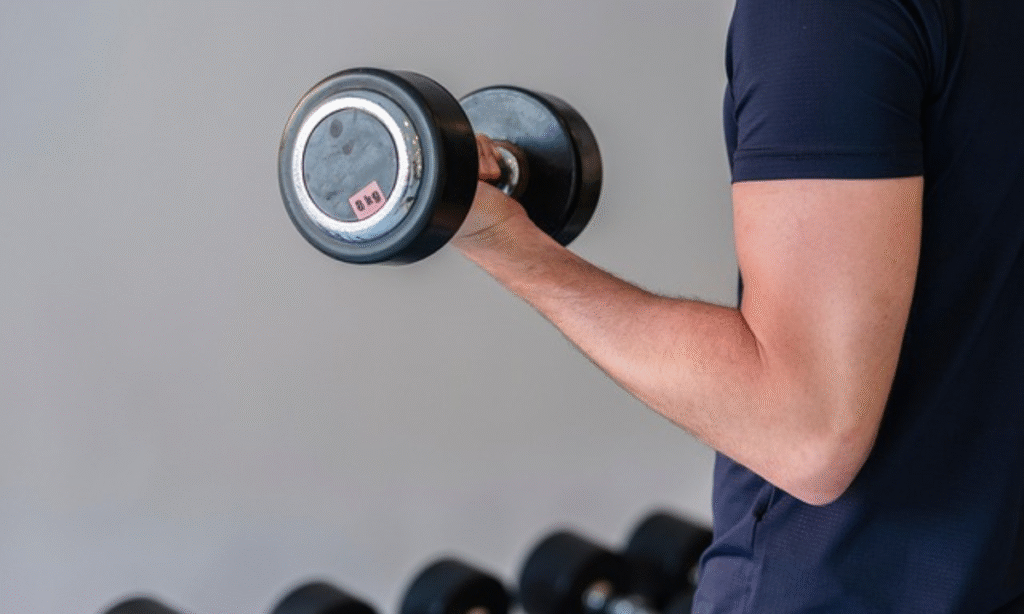
Working out intensely just before your appointment can alter results like blood sugar and liver enzymes.
Tip: Keep your activity light a day before your screening.
2. Alcohol and Caffeine
Alcohol affects liver function, while caffeine impacts heart rate and blood pressure.
Tip: Avoid both for at least 24 hours before your test.
3. Smoking
Nicotine raises blood pressure and can affect lung function test results.
Tip: Stop smoking at least 12 hours before your appointment.
4. Stress
Stress hormones can affect cholesterol and sugar levels, giving a false impression of poor health.
Tip: Practice deep breathing or meditation before the test.
4. Stress
Stress hormones can affect cholesterol and sugar levels, giving a false impression of poor health.
Tip: Practice deep breathing or meditation before the test.
5. Dehydration
Not drinking enough water may make it difficult to draw blood and can affect the results of kidney function tests.
Tip: Drink plenty of water unless told otherwise by your doctor.
6. Incorrect Fasting
Some tests require fasting for 8–12 hours. Eating secretly or fasting longer than recommended may both give wrong results.
Tip: Follow the instructions given in your health screening tests list.
7. Skipping Breakfast (When Not Required)
If your tests do not require fasting, skipping breakfast can cause dizziness and weakness.
Tip: Eat a light, healthy meal when fasting is not required.
Why Correct Preparation Ensures Better Results

A mid-annual or yearly screening is only effective when results are accurate. That is why a reliable Health Screening Centre in Bangalore emphasizes preparation guidelines for every patient.
By avoiding common mistakes, you get reliable reports, which help doctors give the right advice on your long-term health.
Health Screening Benefits at a Glance
- Detects diseases early
- Reduces treatment costs
- Tracks lifestyle-related conditions
- Promotes healthier choices
- Provides peace of mind
Example: A person with borderline cholesterol can improve their lifestyle if detected early, preventing future complications.
Final Thoughts
A health screening is only as good as the preparation behind it. Avoiding small mistakes makes a big difference in ensuring accurate, reliable results.
Choosing the right health screening centre in Bangalore ensures you not only get modern facilities but also expert guidance.
At Koshikaa, we believe preventive care is the foundation of a healthier tomorrow, and proper screening is the first step in that journey.
FAQs
1. What to avoid before health screening?
Avoid strenuous exercise, alcohol, caffeine, smoking, and stress. Stay hydrated and follow the correct fasting instructions for accurate results.
2. Is there anything you shouldn’t do before a blood test?
Yes. Don’t smoke, drink alcohol, or consume caffeine. Incorrect fasting and dehydration also affect blood test results significantly.
3. What are some things the patient should avoid before testing?
Avoid skipping meals unnecessarily, avoid overexertion, and manage stress. These simple steps ensure correct results and better medical advice.
4. How to prepare for a health screening?
Get adequate rest, stay hydrated, follow fasting rules, and avoid smoking or alcohol. Carry your medical history if available.
5. Can medications affect health screening results?
Yes. Some medicines can impact blood sugar, cholesterol, or kidney readings. Always inform your doctor about ongoing medications before your test.