

Multiple people across the globe face serious complications from blood cancer as a medical illness. Receiving doctor advice to undergo a cancer detection test in Bangalore creates normal feelings of worry and confusion about what this procedure will be like. Learning the testing process allows you to reduce anxiety while gaining knowledge about blood cancer diagnosis procedures. This guide will explain in simple steps the complete process of a blood cancer detection test from preparation to final results.
What is Blood Cancer?
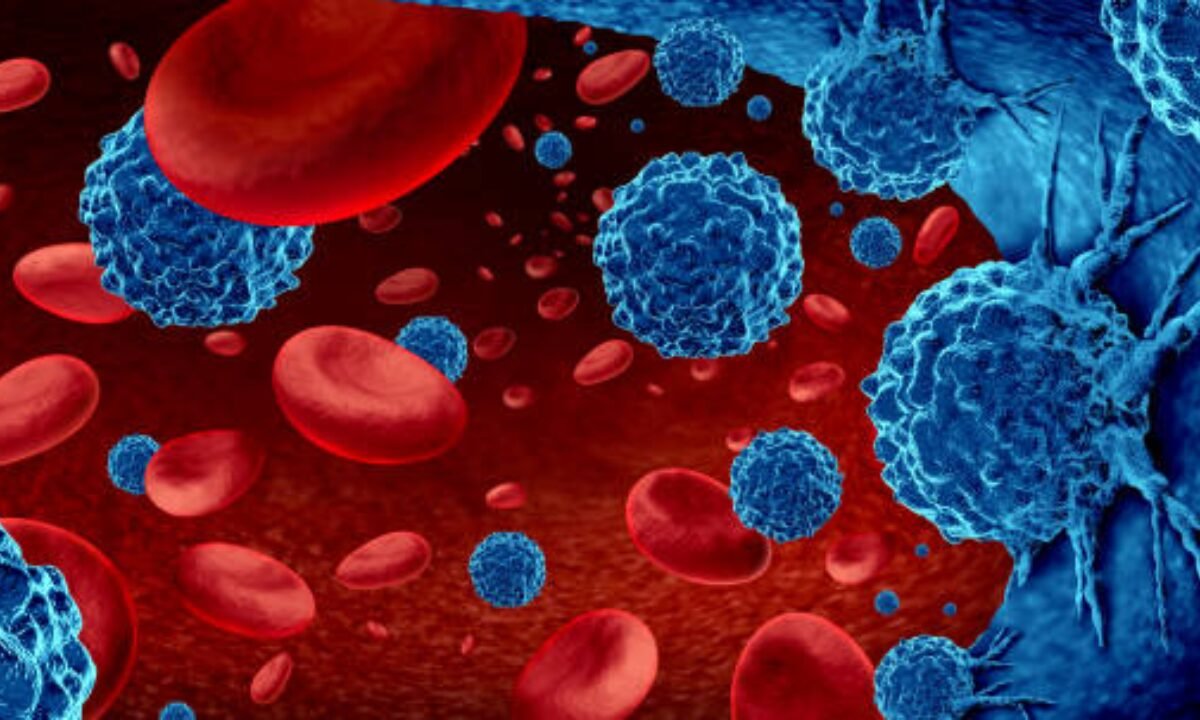
The test requires an initial clarification of blood cancer definitions. Blood cancer disrupts the structure and working procedure of blood cells, starting at the bone marrow where blood develops. The term describes cancerous growths that involve leukaemia along with lymphoma and multiple myeloma. Early medical identification of blood cancer remains essential because proper treatment planning requires it. A blood cancer detection test maintains its crucial position for detection purposes.
The significance of conducting blood cancer detection tests becomes essential to understand.
A blood cancer detection test will identify abnormalities in blood structures that need to be evaluated. You need this test based on specific signs including being tired, often having repeated infections or losing weight without reason and unusual bruises.
A health checkup sometimes incorporates a cancer detection test in Bangalore as its preventive aspect. Regular health screenings are a common aspect of healthy living practices for people residing in Bangalore and its neighbouring big cities. The detection tests are part of comprehensive health evaluations conducted by various individuals during full body checkup in Bangalore.
How to Prepare for the Test?
The process of preparation for blood cancer detection testing follows straightforward procedures that need no complex preparation steps.
1. Fasting or Not?
A few blood tests need patients to follow a fasting timetable as one of their pre-test protocols. The medical staff performing the test will let you know if fasting is required as a part of your preparation.
2. Medication Check
You should notify both your doctor and technicians operating at the health screening centre in Bangalore whether you take medications or supplements before your test.
3. Stay Hydrated
You will benefit from high water intake before testing because it enhances the visibility of veins to blood drawing technicians.
The protocol for test preparation enables you to achieve a smoother and more pleasant experience during the testing procedure.
What Happens During the Test?
Medical facilities combine the blood cancer detection test with blood tests and imaging as well as biopsies as part of their diagnostic process. Let’s go step by step:
The initial step requires you to sign up at the Health Center facilities.
All patients need to perform registration steps before entering the health centre. Any patient visiting a Bangalore health screening centre or any other facility needs to complete paperwork while sharing their medical records.
Blood Sample Collection
Doctors validate the presence of blood cancer by performing blood tests on collected blood samples. Here’s what typically happens:
- A healthcare worker cleans your arm with an antiseptic solution to stop the risk of infections that might occur during the treatment process.
- A needle of small size enters your vein to extract blood samples. Most people experience only a light pinch sensation which becomes almost painless during the procedure.
- The technician will collect your blood sample into separate test tubes which receive labels before analysis begins.
The Complete Blood Count test (CBC) is typically conducted at this time since it detects abnormal cell levels between white blood cells and platelets as well as red blood cells which might indicate blood cancer.
Conducting bone marrow aspiration
The doctor will order a bone marrow biopsy to get a better understanding of your condition if initial blood tests show unusual results. This medical procedure demands additional invasiveness through bone marrow sampling from your hip bone area. A local anaesthetic is used to reduce pain, but mild discomfort might be felt.
Bone marrow tests help determine whether the blood cells are being produced normally in your bone marrow or not. If your doctor recommends this, it’s to ensure a thorough evaluation.
Additional Imaging Tests
The evaluation process might require medical imaging tests including X-rays, CT scans, or MRIs to confirm whether cancer cells have reached lymph nodes or other organs. A diagnosis testing package available in Bangalore includes cancer screening tests within its diagnostic package.
After the Test: What Happens Next?
The duration for receiving results depends on which tests were conducted. Basic blood test outcomes become available quickly while molecular tests combined with biopsies need one to two weeks for final results.
You should visit your doctor when test results are prepared to explore the meaning behind the outcome. Abnormal results from testing will require your doctor to create a plan involving additional examination or therapy initiation.
Why Regular Screening is Important?
The majority of people schedule routine health examinations before diseases develop because they lack distinguishing symptoms. Blood testing during full body checkup in Bangalore provides an opportunity to identify blood cancer simultaneously with standard health screenings.
Medical technology developments have made holistic health screening services convenient for residents of Bangalore and similar cities. Visiting a health screening centre in Bangalore for preventive or specific tests requires immediate action to improve your total health condition.
Your Comfort Matters
Perceiving anxiety before a medical test is typical yet understanding what will happen during the examination helps decrease your stress levels. The detection of blood cancer through testing appears complicated but remains simple because these tests help you understand your health condition better.
Your doctor and supporting staff at the health screening centre stand ready to help when you feel uncertain or overburdened. Health screening centre personnel and doctors will assist you with any questions you have about the process at their facility in Bangalore or any other location.
Final Thoughts
Getting a cancer detection test in Bangalore is an essential step toward better health, especially if you have symptoms or risk factors connected to blood cancer. The process, while slightly nerve-wracking at first, is generally simple and can provide critical insights into your health.
Bangalore provides residents with many choices of high-quality medical facilities because it possesses a robust healthcare infrastructure. The healthcare facilities in Bangalore provide complete body exams together with detection tests for cancer that will secure your health. Prioritize your health because early detection stands as the key difference for your well-being.
So, don’t hesitate. You should execute blood cancer detection tests exactly as your doctor prescribes since these assessments protect the course of your future health.
Koshikaa is a well-respected health screening centre in Bangalore that provides comprehensive imaging services and preventive health care.