
Why MRI Scans Are a Game-Changer for Early Cancer Detection in Bangalore
CT scan in Bangalore

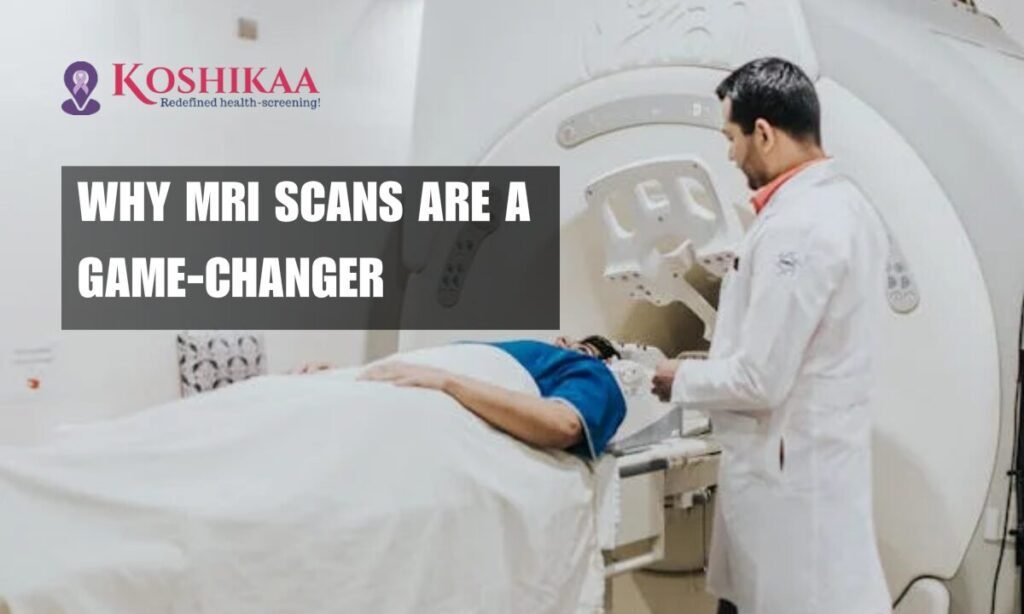
Introduction In a city like Bangalore, where fast-paced lives often sideline health, early disease detection is not just wise, it’s life-saving. Cancer, in particular, is a silent enemy that often strikes without symptoms. The earlier it’s found, the better the odds of successful treatment. MRI Scans have emerged as one of the most powerful, non-invasive […]

Book Your MRI Scan Online Instantly in Bangalore Today
CT Scan in Bangalore

Introduction Do you need an MRI scan in Bangalore but don’t want to deal with long queues or endless phone calls? We hear you. Whether it’s for a persistent headache, a sports injury, or a doctor’s urgent referral, getting an MRI can feel stressful enough without the added hassle of finding a reliable scan centre. […]

Importance of Early Cancer Detection Through MRI

Early diagnosis of cancer has significantly improved the chances of successful treatment and long-term survival. One of the most powerful tools used for this purpose is the MRI scan, which stands for Magnetic Resonance Imaging. MRI allows detailed imaging of soft tissues, making it especially important in detecting various forms of cancer, particularly those affecting […]

Understanding MRI Scans: A Complete Guide for Patients
MRI scan in Bangalore

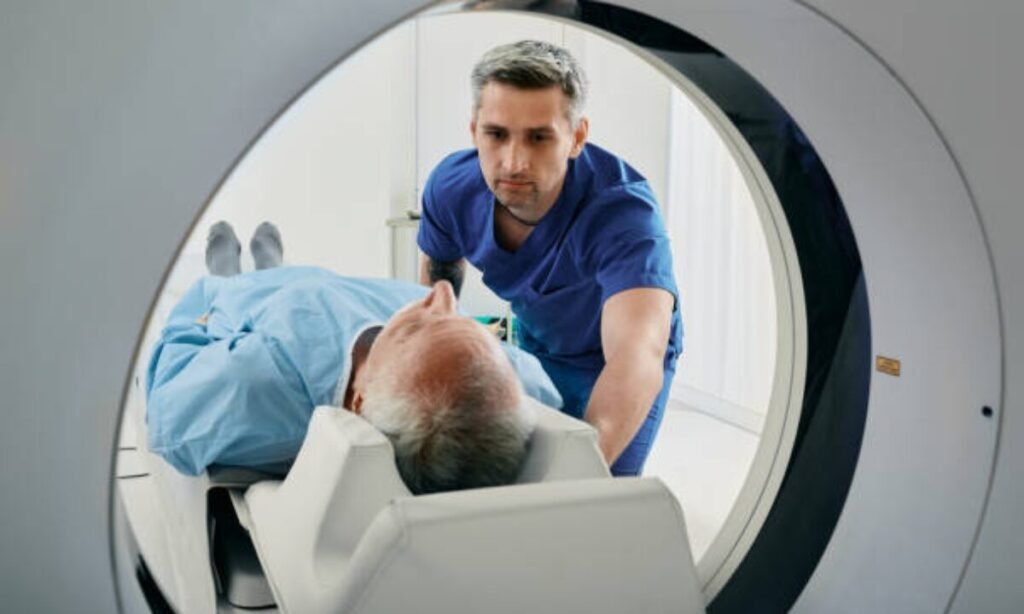
Magnetic Resonance Imaging (MRI) scans are an important tool in modern healthcare because they provide doctors with extremely detailed images of the body that can help them detect a variety of illnesses. MRI, unlike other imaging techniques such as X-rays or CT scans, generates images using powerful magnets and radio waves rather than harmful radiation. […]

Why is MRI Scan A Powerful Tool for Diagnosis and Treatment?
MRI scan in Bangalore

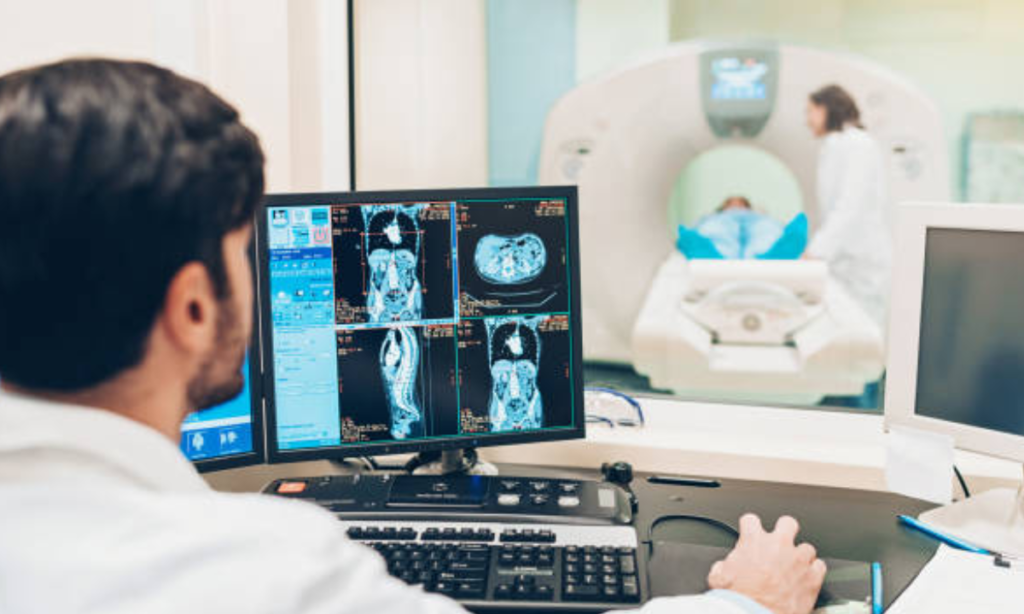
If you’re wondering whether an MRI scan is really necessary, the answer is simple: MRI is one of the most powerful and accurate tools in modern medicine. It helps doctors see what’s happening inside your body without any surgery or pain. Why it’s so useful: In short, an MRI scan gives clear answers, saves time, […]

CT scans of the spine are conducted to assess the vertebrae, spinal cord, and surrounding soft tissues for conditions like herniated discs, spinal fractures, or spinal stenosis, aiding in the diagnosis and management of spinal disorders with detailed imaging essential for surgical planning and intervention.
CT scans of the pelvis are utilized to visualize the pelvic bones, reproductive organs, bladder, and surrounding structures for conditions such as fractures, tumors, or pelvic inflammatory disease, guiding treatment plans and surgical interventions with precise anatomical information.
CT scans of the neck are performed to evaluate structures such as the throat, thyroid gland, lymph nodes, and blood vessels for abnormalities like tumors, infections, or injuries, assisting in diagnosis and management of head and neck disorders with detailed imaging.
CT scans of the extremities are employed to assess bones, joints, and soft tissues in the arms or legs, aiding in the diagnosis of fractures, arthritis, or other musculoskeletal conditions, guiding orthopedic treatment and rehabilitation plans for optimal recovery.
CT scans of the chest are utilized to examine the lungs, heart, blood vessels, and surrounding structures for conditions such as lung nodules, pneumonia, or pulmonary embolism, facilitating accurate diagnosis and management of respiratory and cardiovascular diseases.
CT scans of the brain are conducted to assess brain structures, identify abnormalities like tumors, hemorrhages, or strokes, and aid in diagnosing neurological conditions, guiding neurosurgical interventions and treatment strategies with precise imaging of the brain’s anatomy.
CT scans of the abdomen are performed to visualize and evaluate the internal organs such as the liver, kidneys, pancreas, and intestines for conditions like tumors, infections, or injuries, providing detailed images essential for diagnosis and treatment planning.
Transplant organ ultrasound scans, including those of the liver, kidney, or pancreas, are performed to assess organ viability, detect complications, and monitor post-transplant function. These scans play a vital role in the early detection of issues such as organ rejection, vascular complications, or fluid collections, guiding timely interventions and optimizing transplant outcomes for patients.
Ultrasound examinations of organs such as the liver, kidney, or prostate are crucial for assessing organ structure, detecting abnormalities, and monitoring disease progression. These scans help diagnose conditions such as liver cirrhosis, kidney stones, or prostate enlargement, guiding treatment decisions and monitoring response to therapy over time.
Ultrasound scans are valuable for detecting cysts or fluid collections within the body, including cysts in the liver, kidneys, or other organs. These scans help characterize the nature and size of cysts, aiding in diagnosis and treatment planning for conditions such as cystic liver disease or renal cysts, and guiding interventions such as cyst drainage or sclerotherapy.

Frequently Booked Tests

Frequently Booked Checkups