
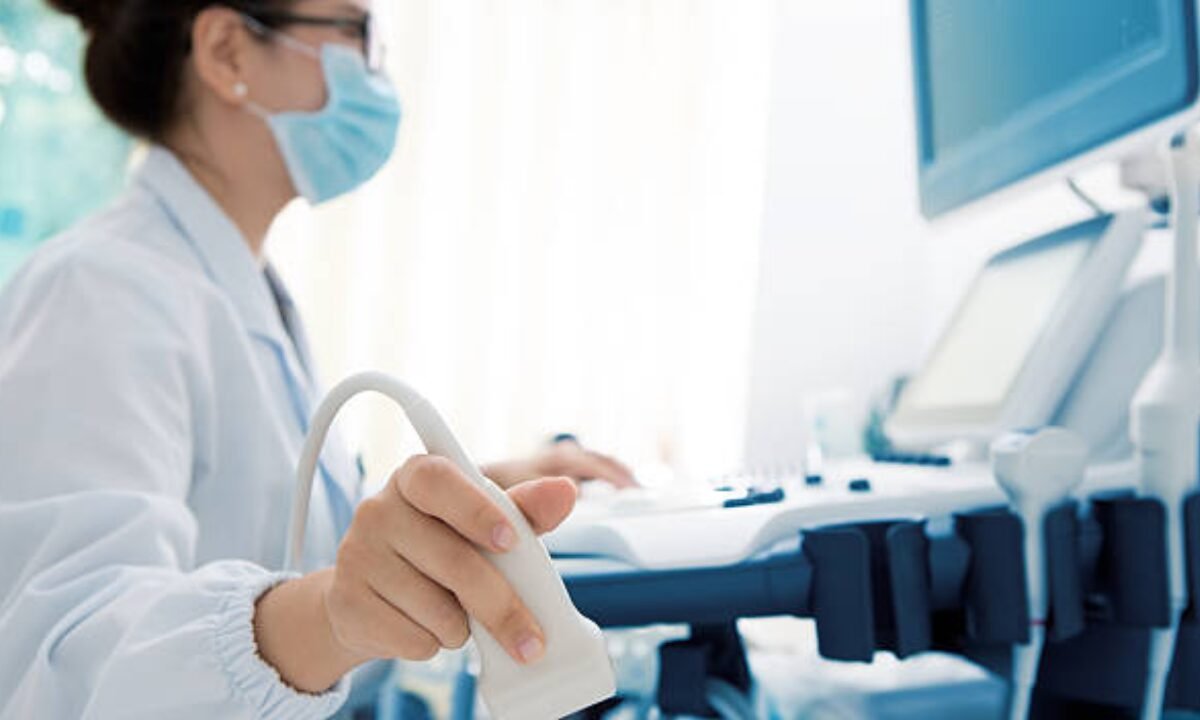
Ultrasound scan, or sonography, is a medical imaging technique that has become an integral part of healthcare. It works by using high-frequency sound waves to produce images of the inside of the body, allowing doctors to visualize organs, tissues, and blood flow in real time. One of the key advantages of ultrasound is its safety. Unlike X-rays or CT scans, it does not use ionizing radiation, making it a preferred option for monitoring sensitive areas like the abdomen, heart, or during pregnancy. This non-invasive method provides accurate and immediate results, which are essential in diagnosing and managing a wide range of medical conditions.
In cities like Bangalore, where healthcare infrastructure is rapidly advancing, ultrasound scans are widely accessible in hospitals and diagnostic centers. The versatility of ultrasound allows its application in multiple fields of medicine, including prenatal care, cardiology, emergency medicine, and vascular health. This blog will explore some of the most essential uses of ultrasound scans in Bangalore, highlighting its role in improving patient outcomes through early diagnosis and precise imaging.
Monitoring Pregnancy and Baby Development
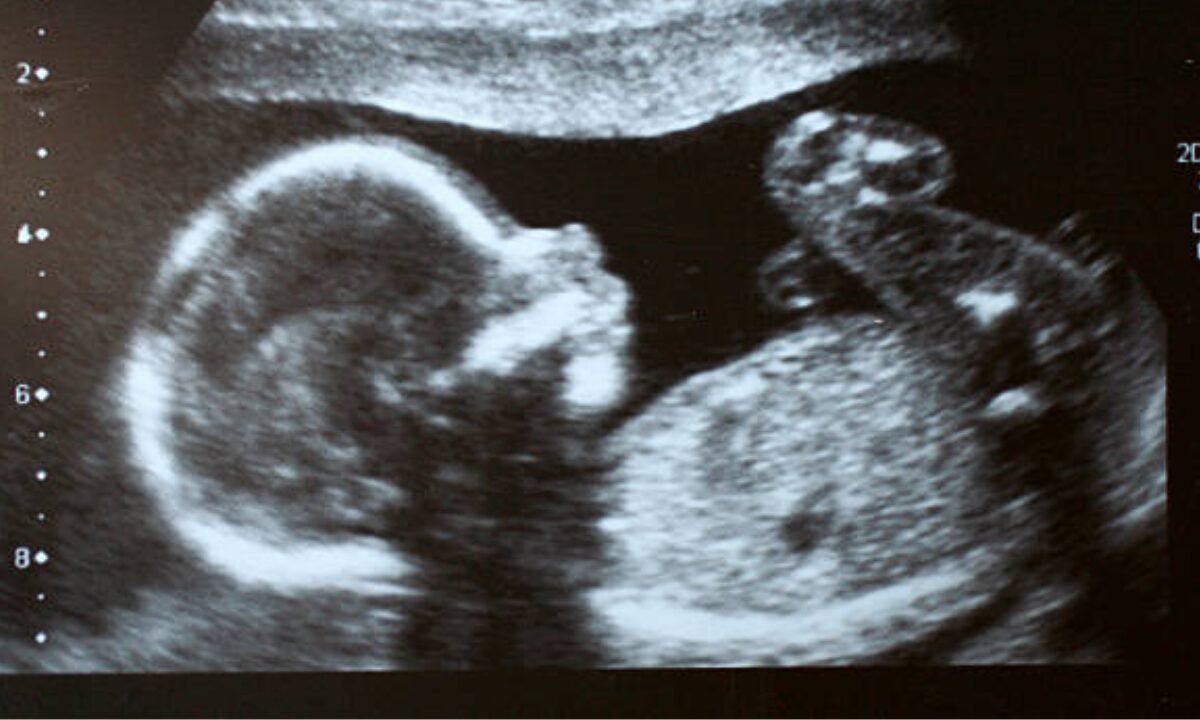
Ultrasound is most commonly known for its use during pregnancy. It allows doctors to monitor the health and development of the baby inside the womb. During a routine ultrasound, doctors can check how the baby is growing, measure the size of the baby, and see if there are any abnormalities. It also helps determine the baby’s position before delivery.
In cities like Bangalore, expectant parents frequently rely on ultrasound scans to ensure the safe and healthy development of their babies. These scans can also identify multiple pregnancies, like twins or triplets, early on. Since ultrasound uses sound waves and not radiation, it is completely safe for both mother and baby.
Diagnosing Medical Conditions
Ultrasound is a key tool in diagnosing many medical conditions. It can create images of soft tissues and organs that other imaging methods, like X-rays, might not show as clearly.
Abdomen: Ultrasound scans help detect problems in organs like the liver, kidneys, and gallbladder, which can be crucial for diagnosing conditions such as liver disease or gallstones.
Heart: Echocardiography, a specific type of ultrasound, checks the heart’s structure and function to diagnose heart conditions.
Pelvis: For both men and women, ultrasound scans are used to assess reproductive organs. In women, it helps diagnose issues like ovarian cysts, fibroids, and endometriosis.
Many clinics offering ultrasound scans in Bangalore use the latest imaging technology, ensuring quick and accurate diagnosis for patients. In addition, ultrasound is often used to guide procedures like biopsies, improving the accuracy of tissue sampling and reducing risks.
Emergency and Trauma Care
Ultrasound is a lifesaver in emergencies. It allows doctors to quickly assess patients, especially those involved in accidents or who have suffered trauma. Using ultrasound, they can detect internal bleeding, organ damage, or fluid buildup.
In Bangalore, hospitals use ultrasound scans to determine the extent of internal injuries and prioritize urgent care. The speed and real-time imaging of ultrasound are essential for emergency care and can often be the difference between life and death.
Checking Blood Flow and Blood Vessels
A special type of ultrasound called Doppler ultrasound is used to check blood flow in the body. It helps detect blockages in arteries and veins, which is critical for diagnosing conditions like deep vein thrombosis (DVT) and assessing circulation problems.
Healthcare centers offering ultrasound scans in Bangalore often use Doppler ultrasound to diagnose vascular conditions and monitor blood flow in patients with heart problems. By providing early detection, it allows doctors to prevent more serious complications like strokes or heart attacks.
Conclusion
Ultrasound is a powerful tool in modern healthcare, offering safe, accurate, and real-time imaging without the use of radiation. Whether it’s monitoring pregnancies, diagnosing conditions, assisting in emergency care, or checking blood flow, ultrasound scans play a vital role in improving patient outcomes.
If you need an ultrasound scan in Bangalore, rest assured that many of the city’s medical centers are equipped with advanced ultrasound technology, helping doctors provide the best care for your health.
Koshikaa Screening Centre offers a wide range of comprehensive cancer screening services, ensuring accurate results and personalized health care. Contact us today at +91 7996666106