
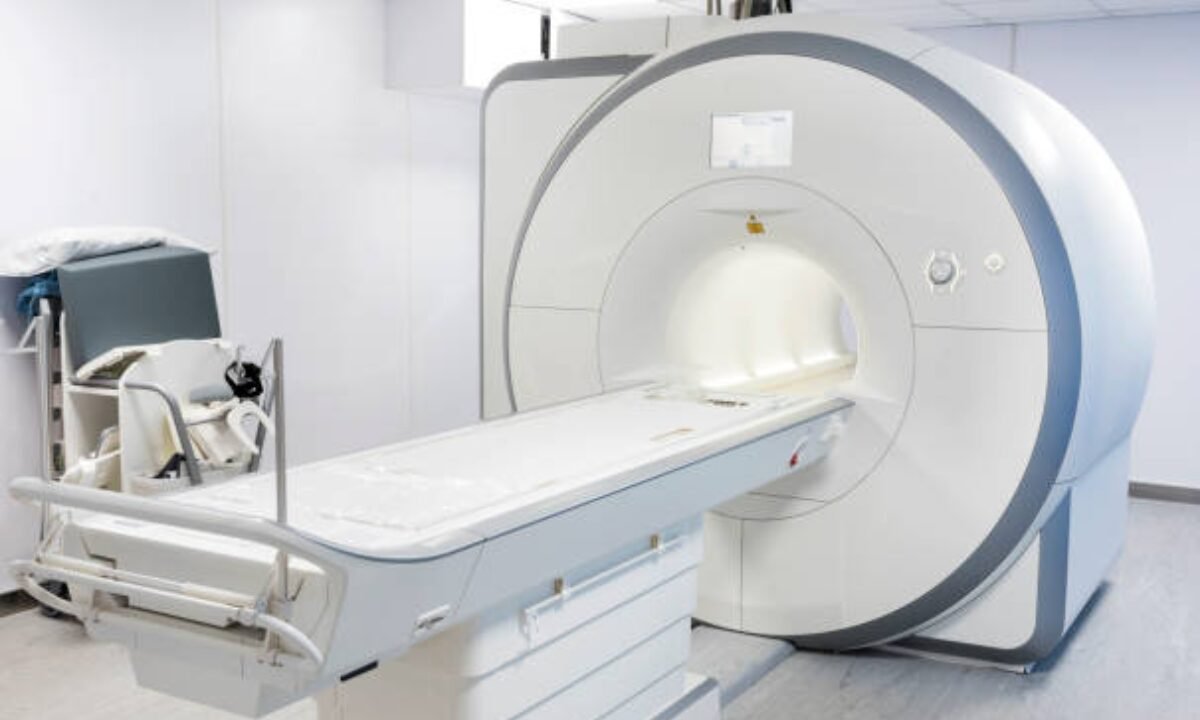
Wondering whether you need a CT scan or an MRI? Here is the one-sentence difference: A CT scan is best for trauma, bone fractures, and lung issues because it uses ionizing radiation to show dense structures in under 5 minutes. An MRI is the gold standard for brain tumors, torn ligaments, and spinal cord issues because it uses magnetic fields to create high-contrast images of soft tissue—but it takes 30 to 60 minutes. In this breakdown of the 5 critical differences, we’ll cover costs, safety (especially if you have metal implants or a pacemaker), and exactly what each machine feels like from the patient’s perspective.
What is a CT scan?
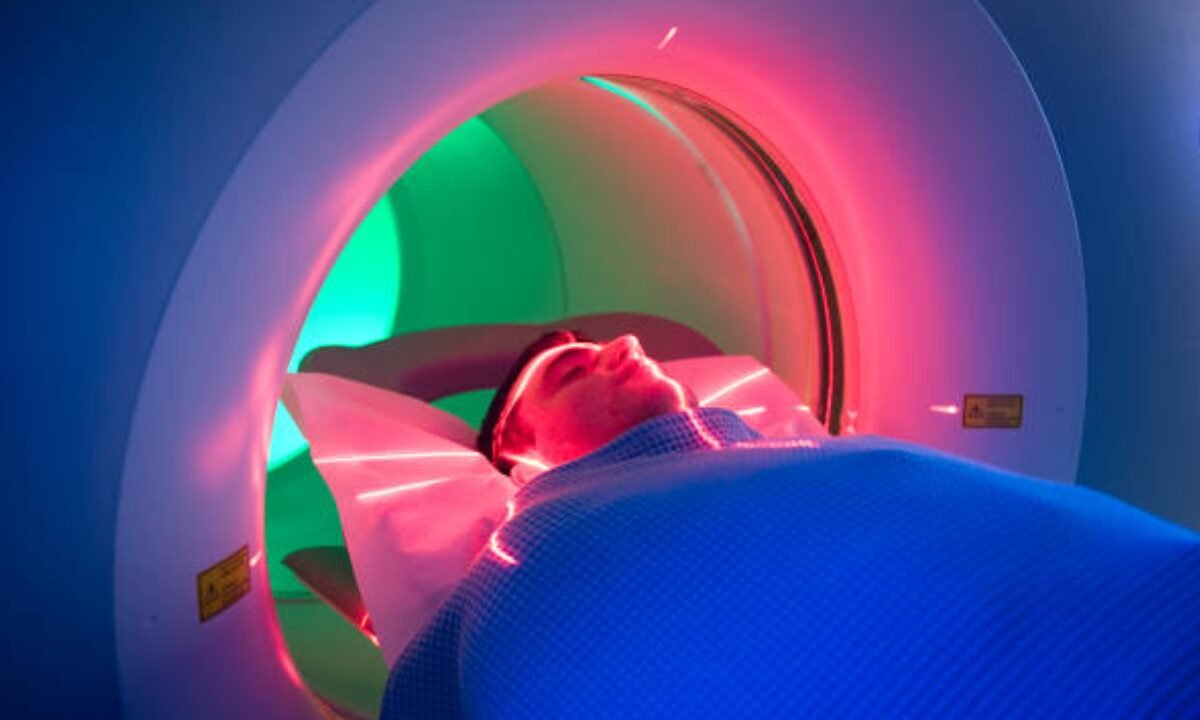
A CT scan is a process in which X-rays create images of the body’s internal structures. It is highly effective and quick in diagnosing internal injuries or abnormalities like fractures, tumors, and infections. The procedure involves taking multiple X-ray images from various angles and combined by a computer to produce a cross-sectional view of the body’s internal structures.
Advantages of CT Scans
1. Speed: One of the Key advantages of CT scans is their speed. CT scans are fast and provide quick results, making them particularly useful in emergencies, where rapid diagnosis is necessary. It can be crucial in situations where timely medical intervention is critical.
2. Bone Imaging: CT scans are excellent at imaging bones and are particularly effective at detecting fractures and diagnosing bone damage. Making them an indispensable tool in orthopedics medicine, since they can provide detailed images of bone structures and aid in accurate diagnoses.
3. Cost-Effective: In general, CT scans are more cost-effective compared to MRI scans, making them a more commonly available imaging option. This cost-effectiveness can make CT scan in Bangalore a preferred choice for both patients and healthcare providers, especially when comprehensive imaging is required.
Disadvantages of CT Scans
1. Radiation Exposure: Of course, as they utilize X-rays, CT scans do expose patients to some small amount of ionizing radiation, which can prove harmful in case of repeated exposure.
2. Imaging of Soft Tissues: CT scans might not provide detailed images of soft tissues such as the brain, spinal cord, or muscles.
A person interested in getting a CT scan should find a diagnostic center that uses modern technology and professional expertise to provide accurate results. MRI, or Magnetic Resonance Imaging, is a cutting-edge medical imaging technique that utilizes powerful magnets and radio waves to generate incredibly detailed images of the body’s internal organs and tissues. Unlike CT scans, MRI scans are especially effective in producing high-resolution images of soft tissues such as the brain, spinal cord, joints, and internal organs. MRI scan is an essential tool for accurate diagnosis and treatment planning for various medical conditions.
What is an MRI scan?
Magnetic Resonance Imaging (MRI) Scan is a medical imaging technique used to visualize internal structures of the body in detail. It uses strong magnetic fields and radio waves to generate images of the organs and tissues. It is commonly used to diagnose various conditions and is extremely useful for imaging the brain, spine, joints, and soft tissues.
Advantages associated with MRI Scans
1. No radiation: A major benefit of an MRI scan is that it does not use ionizing radiation, so almost all patients coming to the MRI center are at no risk, especially children and pregnant women.
2. Superior Soft Tissue Imaging: MRI is unique in its ability to provide high-resolution images of soft tissues, making it primarily used for tumor detection, brain disorders, and musculoskeletal-related issues.
3. Accuracy: MRI provides a more detailed and accurate diagnosis than CT scans in cases where close observation of soft tissue is necessary.
Limitations of MRI Scans
When considering the limitations of MRI scans, it’s important to note that they generally take longer time, when compared to CT scans. An MRI typically takes about 30 minutes to over an hour, which can be a significant factor for individuals with busy schedules or those who may find it challenging to remain still for an extended period.
In addition, the cost of an MRI scan is usually higher than that of a CT scan, making it important to consider budget and other financial requirements when opting for this type of imaging.
Furthermore, the confined space of the MRI machine may contribute to feelings of claustrophobia for some patients, which can be a source of anxiety or discomfort during the scan.
If you’re in search of an MRI scan in Bangalore, it’s advisable to seek out a reputable diagnostic center known for offering high-end MRI facilities and employing experienced radiologists who can ensure a smooth and reliable imaging experience.
Differences Between CT Scans And MRI Scans
When it comes to the differences between CT scans and MRI scans, there are several key points to consider.
1. Technology: CT scans utilize X-rays, providing detailed images of the body’s internal structures. On the other hand, MRI scans use a combination of magnetic fields and radio waves to generate detailed images, especially for soft tissues like the brain and muscles.
2. CT scans are particularly effective for imaging bones and the lungs, making them useful for detecting cancer or internal injuries. On the other hand, MRI scans excel in visualizing soft tissues such as the brain, spinal cord, and muscles.
3. Duration: CT scans are relatively quick, typically taking only a few minutes to complete. Conversely, MRI scans tend to take longer due to the detailed nature of the images they produce.
4. Cost and Availability: CT scans are generally more affordable and widely available compared to MRI scans, making them more accessible for many patients.
5. Radiation: CT scans involve minimal radiation exposure, while MRI scans do not expose the patient to any radiation, making them a safer option in that regard.
There is often a choice between a CT scan and an MRI scan, as one may be more suitable for the specific condition being diagnosed. For patients requiring a CT scan or an MRI scan in Bangalore, Koshikaa Screening Centre provides advanced imaging technology and precise expert analysis to ensure accurate diagnosis.