

Hepatitis B is a viral infection that affects the liver and can sometimes stay in the body for years without noticeable symptoms. Because of this, getting the right tests for Hepatitis B is important if you may have been exposed, want to check your immunity, or have symptoms such as fatigue, nausea, or jaundice.
A blood test in Bangalore can help doctors determine whether you have a current infection, have recovered and developed immunity, or are still at risk of infection. Understanding the different tests and their results can also help you have a clearer discussion with your doctor.
In this guide, we’ll explain the main tests for Hepatitis B, what they check, how testing is done, and what common results may mean.
Medical Disclaimer
This article is for general educational purposes only. It is not a substitute for professional medical advice, diagnosis, or treatment. Hepatitis B test results should always be interpreted by a qualified doctor based on your medical history, exposure risk, and vaccination status.
What Is Hepatitis B, and Why Does Testing Matter?
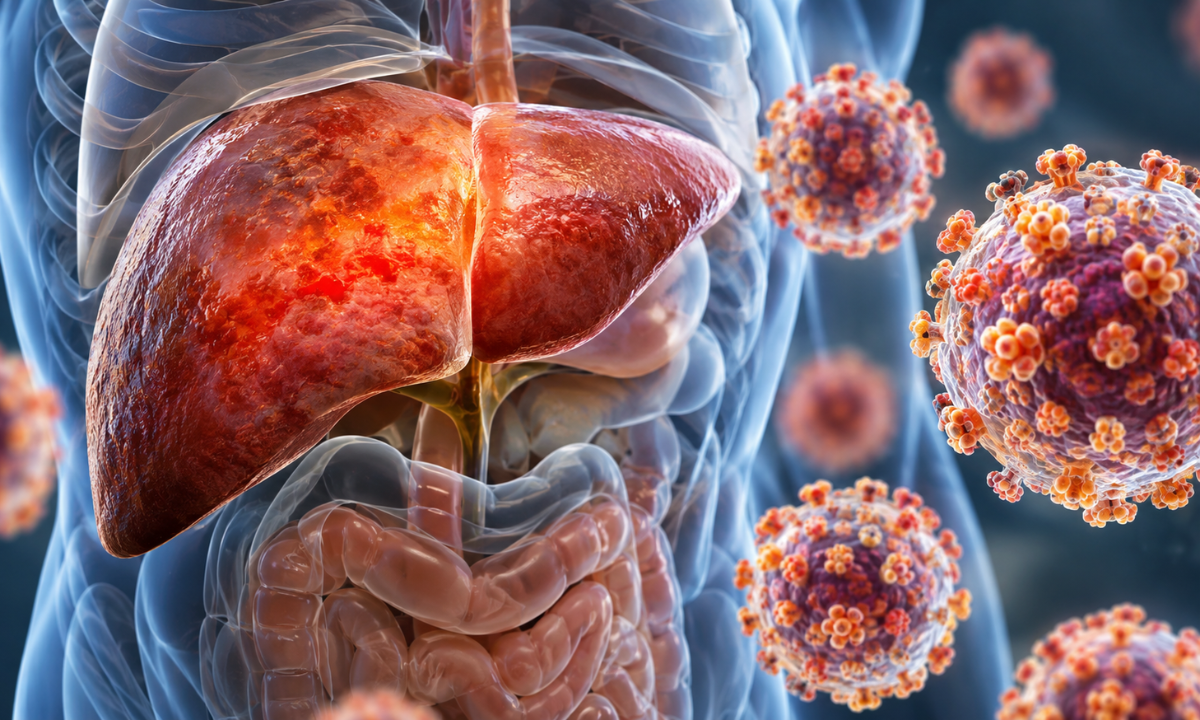
Hepatitis B is caused by the Hepatitis B virus (HBV), which affects the liver. It can cause a short-term infection or become a long-term infection that may lead to liver damage.
Because Hepatitis B may not cause noticeable symptoms, testing is important to know whether you have an active infection, past infection with immunity, vaccine-related immunity, or no immunity.
Types of Tests for Hepatitis B
Hepatitis B testing involves several blood markers. Doctors usually look at these results together to understand a person’s infection and immunity status.
1. HBsAg (Hepatitis B Surface Antigen) Test
This is usually the first and most important screening test for Hepatitis B. HBsAg is a protein found on the surface of the Hepatitis B virus. A positive result usually means that the virus is currently present in the blood and the person may be able to spread the infection.
HBsAg can usually be detected within a few weeks after exposure. If it remains positive for more than six months, it generally indicates a chronic infection.
2. Anti-HBs (Hepatitis B Surface Antibody) Test
Often called the test for Hepatitis B antibody, this test checks for antibodies produced after your body clears a Hepatitis B infection or after vaccination. A positive anti-HBs result generally means you have immunity against Hepatitis B.
When the antibody level is measured as a number, it is called a test for Hepatitis B titer. A level above roughly 10 mIU/mL is generally considered protective. Titer testing may be used to check whether vaccination has provided enough protection, especially for healthcare workers.
3. Anti-HBc (Hepatitis B Core Antibody) Test
This test checks for antibodies against the core protein of the Hepatitis B virus. It has two main forms:
- IgM anti-HBc: Usually appears during a recent or acute infection and decreases over the following months.
- Total (IgG) anti-HBc: Can remain in the body for life after a person has had a Hepatitis B infection.
Anti-HBc is not produced after vaccination. Its presence generally indicates a past or current Hepatitis B infection and helps doctors distinguish natural immunity from vaccine-related immunity.
4. HBeAg and Anti-HBe Tests
HBeAg is associated with active viral replication and higher infectivity. Anti-HBe generally indicates a shift toward lower viral replication and lower infectivity.
These tests are mainly used after an infection has been identified to assess disease activity rather than for initial screening.
5. HBV DNA (Viral Load) Test
The HBV DNA test measures the amount of Hepatitis B virus in the blood. It is mainly used for people with a confirmed infection to monitor the level of the virus and help doctors assess disease activity and treatment needs.
Hepatitis B and Hepatitis C Combined Screening
Doctors may recommend tests for Hepatitis B and C together because both viruses affect the liver and can share some risk factors. Combined screening may be considered for people with certain risk factors, before surgery, or as part of a comprehensive health checkup.
Hepatitis C is tested separately, usually with an anti-HCV antibody test.
The Hepatitis B Testing Procedure: What to Expect
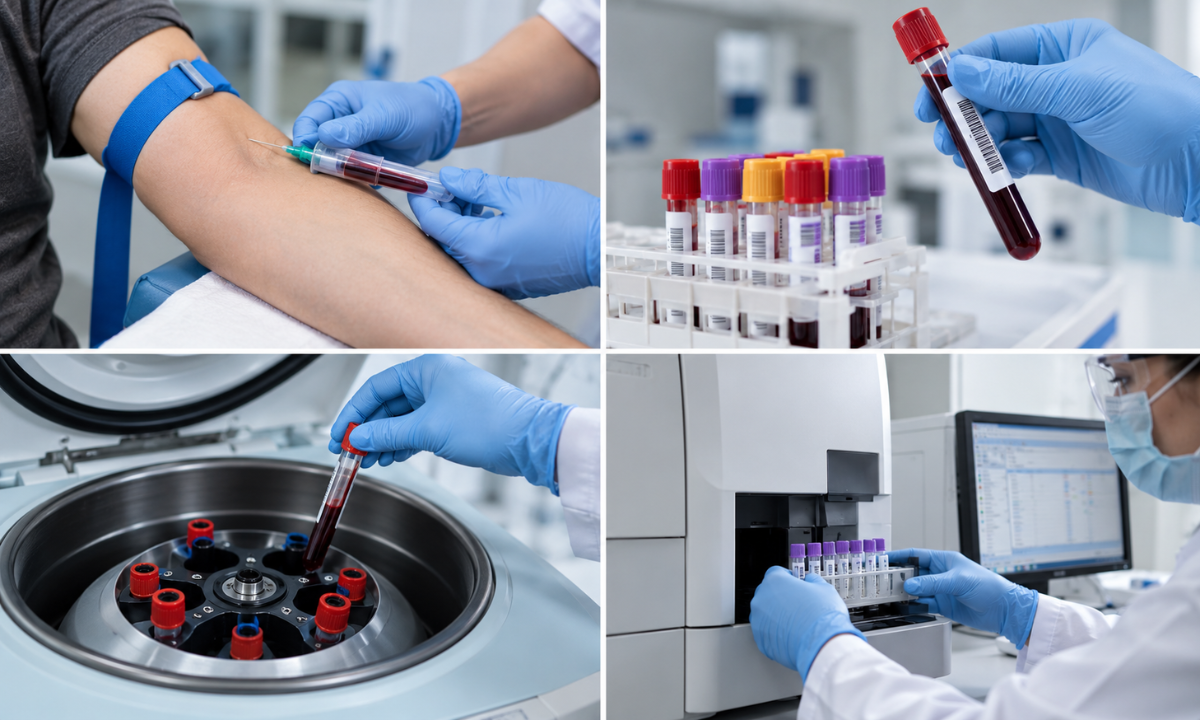
Getting tested for Hepatitis B is usually simple and does not require special preparation.
- Sample collection: A small blood sample is taken from a vein in your arm.
- No fasting required: Hepatitis B testing generally does not require fasting.
- Lab testing: The sample is tested for the markers ordered by your doctor, commonly HBsAg, anti-HBs, and anti-HBc.
- Results: Results are typically available within 24 to 48 hours, depending on the tests performed.
- Doctor consultation: Your doctor will review the results and may recommend additional tests, such as HBV DNA, if needed.
Understanding Your Hepatitis B Test Results

Hepatitis B results need to be interpreted together because one marker alone may not provide the complete picture.
| HBsAg | Anti-HBc | Anti-HBs | Typical Meaning |
|---|---|---|---|
| Negative | Negative | Negative | No current infection or immunity |
| Negative | Negative | Positive | Immunity from vaccination |
| Negative | Positive | Positive | Immunity from past infection |
| Positive | Positive | Negative | Current infection |
| Positive | IgM positive | Negative | Acute infection |
| Positive | IgM negative | Negative | Chronic infection |
There can also be a short window period, usually around 6–8 weeks after exposure, when HBsAg has cleared, but anti-HBs has not yet appeared. During this period, IgM anti-HBc may be the only detectable marker. This is why test results should be interpreted by a doctor.
Who Should Consider Getting Tested?
Hepatitis B testing may be recommended for:
- People with unexplained fatigue, jaundice, or abnormal liver function results
- Healthcare workers and others with occupational exposure risks
- People planning surgery, dialysis, or immunosuppressive treatment
- Pregnant women as part of routine antenatal screening
- People checking their immunity after vaccination
- Anyone undergoing a comprehensive health checkup
Why Choose Koshikaa for Hepatitis B Testing?
As a trusted Health Screening Centre in Bangalore, Koshikaa offers Hepatitis B testing along with other diagnostic services.
- Comprehensive Hepatitis B panels, including HBsAg, anti-HBs (titer), and anti-HBc
- Physician-reviewed reports with results explained clearly
- Fast turnaround, with most results available within 24 to 48 hours
- Combined Hepatitis B and C screening options
- Home sample collection for added convenience
Conclusion
Testing for Hepatitis B involves several markers that help determine whether you have a current infection, past infection with immunity, vaccine-related immunity, or no immunity. Understanding the different tests for Hepatitis B, including HBsAg and antibody titer tests at Koshikaa, can help you better understand your results.
If you have not been tested recently or are unsure about your immunity after vaccination, a simple blood test can help provide clarity.
Frequently Asked Questions
1. What is the difference between a Hepatitis B antibody test and an antigen test?
The HBsAg test checks for the presence of the virus and can indicate a current infection. Antibody tests check your immune response and can show immunity from vaccination or a past infection.
2. What does a Hepatitis B titer test measure?
A titer test measures the level of anti-HBs antibodies in your blood. A level above 10 mIU/mL is generally considered protective.
3. Do I need to fast before a Hepatitis B test?
No. Fasting is usually not required unless you are having another blood test that requires it.
4. Can I test for Hepatitis B and C together?
Yes. Both can be screened together, especially when checking for common risk factors or during a broader health checkup.
5. How soon after exposure can Hepatitis B be detected?
HBsAg can usually be detected within 1 to 9 weeks after exposure, although there may be a short window period.
6. If my Hepatitis B antibody test is positive, does that mean I’m infected?
Not necessarily. A positive anti-HBs result usually means you are immune because of vaccination or a past infection. Your doctor will review the complete test panel to determine your status.