
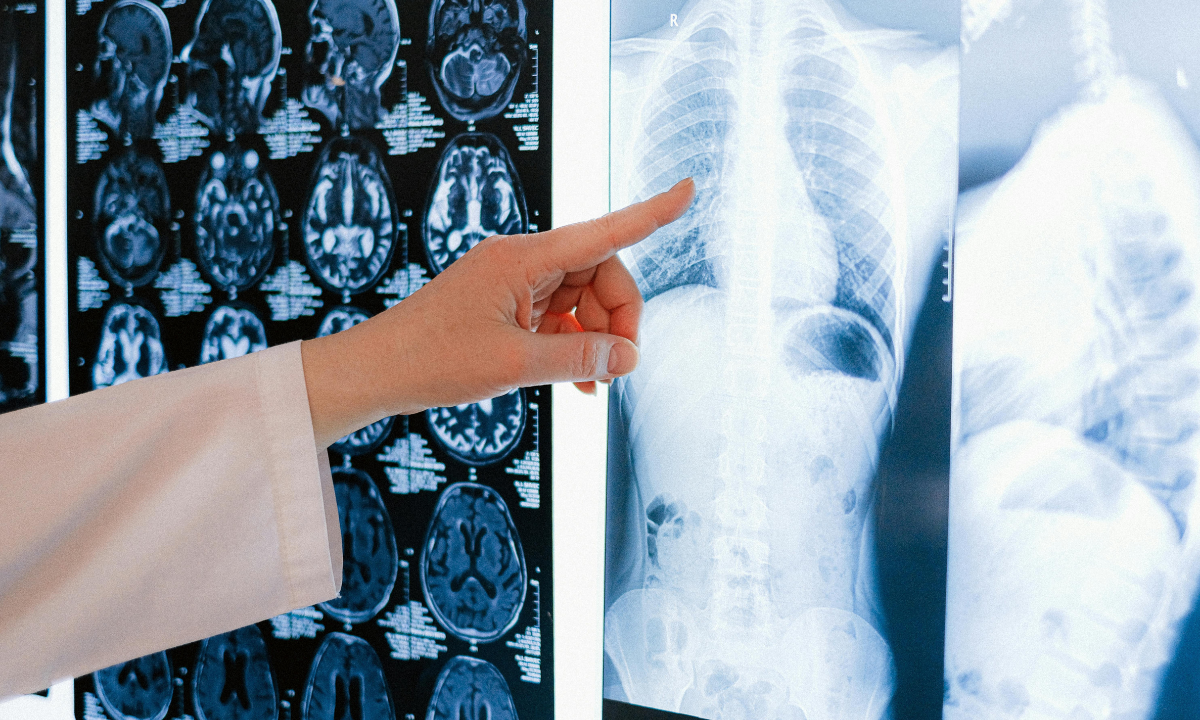
Imaging tests are an essential part of modern healthcare. They help doctors see inside the body without surgery. This makes it easier to find health problems early. When we discuss prevention, imaging and diagnostics play a vital role. These tests catch diseases before they become severe.
At a trusted Health Screening Centre in Bangalore, imaging tests help people feel confident about their health. These tests also guide them to get timely treatments. And here’s the curiosity: what if a simple test today could prevent a serious illness tomorrow?
What Are Preventive Imaging Tests?
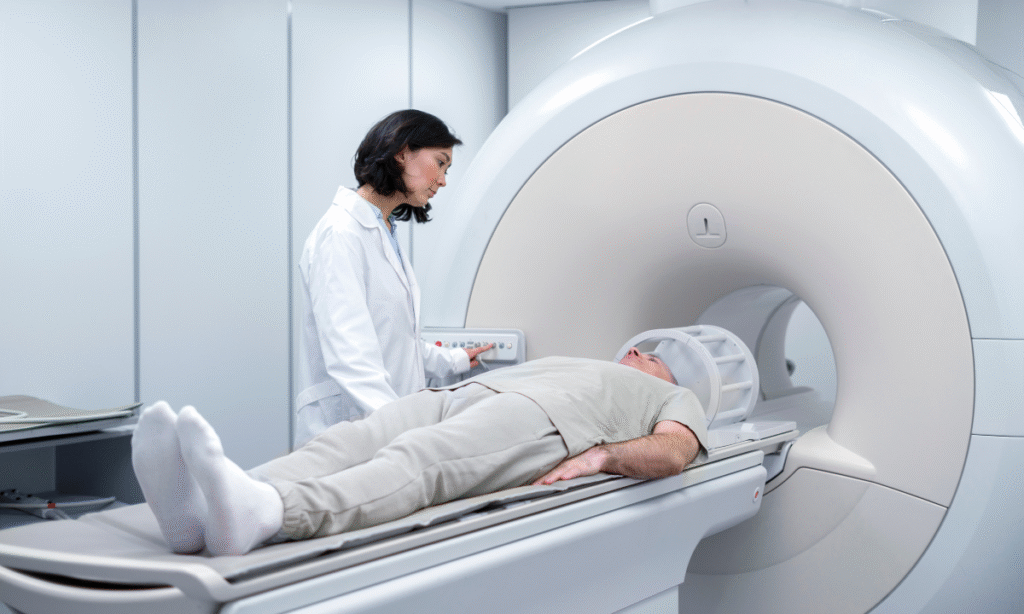
Preventive imaging tests are medical scans done not because you already feel sick, but to make sure hidden issues are not developing inside your body.
They are different from diagnostic tests taken after symptoms appear. Instead, these scans provide reassurance and allow early action if a problem is detected.
Why Are Imaging Tests Important?
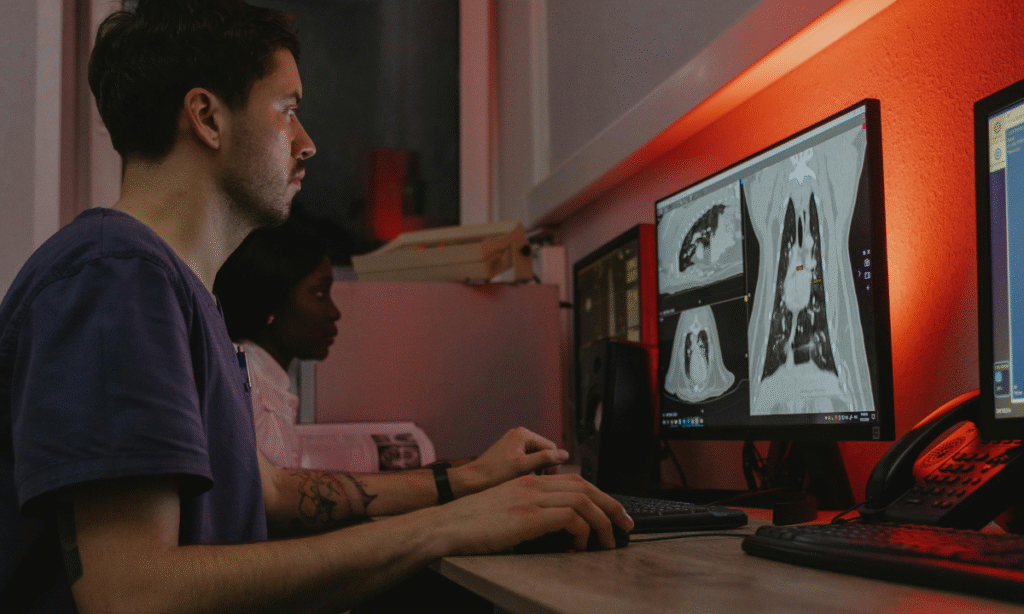
Imaging tests create detailed pictures of organs and tissues. This allows doctors to:
- See inside the body without surgery
- Detect diseases at their earliest stages
- Guide treatments with accuracy
For example, the diagnosis of heart disease can be supported by CT scan, while the diagnosis of brain issues like tumors or strokes often starts with an MRI.
Benefits of Preventive Imaging and Diagnostics
Here are some key advantages of using preventive imaging:
| Benefit | Example | Why It Matters |
|---|---|---|
| Early detection | Diagnostic test for cancer | Prevents late-stage complications |
| Better treatment | Imaging of kidneys | Helps doctors decide precise treatment |
| Peace of mind | Full body checkup test | Confirms overall health status |
| Cost savings | Imaging of liver | Avoids expensive advanced treatments |
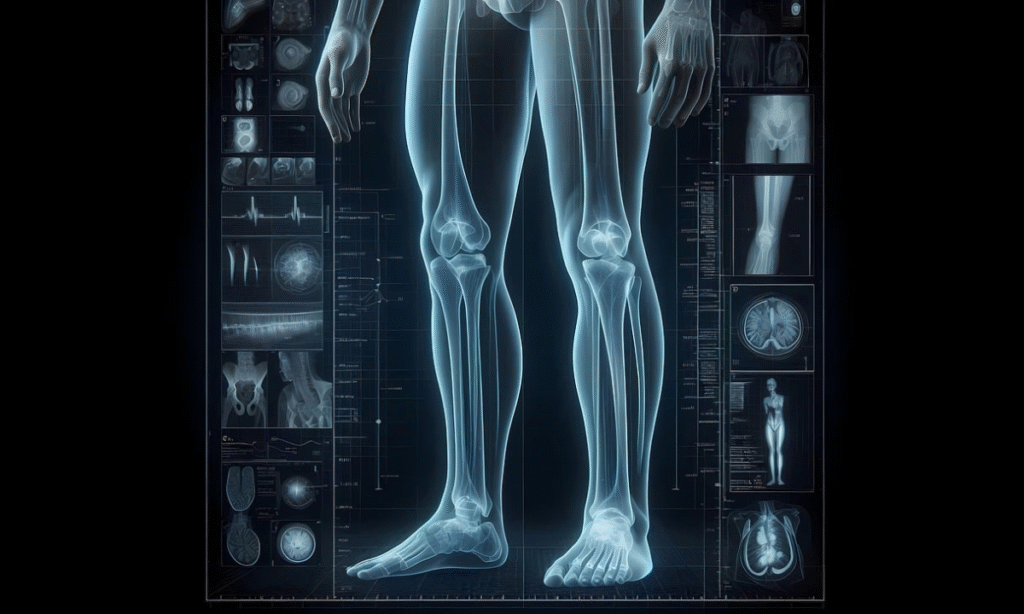
How Different Organs Benefit from Imaging Tests
Diagnosis of Heart
Heart scans like CT angiography help spot blockages early, reducing the risk of heart attacks.
Diagnosis of Brain
MRI scans detect tumors, strokes, or neurological disorders before they worsen.
Imaging of Lung
A chest CT can reveal infections, chronic diseases, or even early lung cancer.
Imaging of Liver
Ultrasound or MRI helps in spotting fatty liver, cysts, or tumors early.
Imaging of Kidneys
Ultrasound or CT scans detect stones, infections, or kidney function issues before they progress.
Why Preventive Imaging Is a Game-Changer
- Saves lives by detecting silent killers like cancer and heart disease.
- Encourages healthier lifestyles when patients see early signs of issues.
- Reduces treatment costs by preventing late-stage disease.
- Builds confidence for families about long-term health.
A mid-year full body checkup test often includes imaging scans, giving a complete picture of your wellness.
Tips for Making the Most of Preventive Imaging
- Do not wait for symptoms – schedule a test regularly.
- Choose a trusted centre with updated machines.
- Ask questions so you understand your results.
- Follow up on recommendations quickly.
Mid-life adults, senior citizens, and people with family histories of illness should be more proactive.
A Health Screening Centre in Bangalore You Can Trust

When it comes to preventive care, choosing the right centre matters. A well-equipped Health Screening Centre in Bangalore, like Koshikaa, ensures accurate diagnosis, modern facilities, and expert consultation, giving you peace of mind.
Final Thoughts
Preventive imaging tests are not just about finding illness, but about building a healthier future. They give us knowledge, confidence, and control over our well-being.
For anyone planning a scan, visiting a reliable Health Screening Centre in Bangalore ensures accuracy and trust. At Koshikaa, we believe in empowering people with the right diagnostics for a healthier tomorrow.
FAQs
1. Why is preventive screening important?
Preventive screening detects diseases early, even before symptoms appear, ensuring timely treatment and reducing long-term health risks for patients.
2. What is preventive imaging?
Preventive imaging uses scans like MRI, CT, ultrasound, or X-rays to monitor organs and tissues, helping doctors identify hidden health problems at an early stage.
3. Why is imaging important in healthcare?
Imaging provides detailed internal views without surgery, improving accuracy in diagnosis, guiding treatments, and supporting prevention for various health conditions.
4. How often should I go for a full body checkup test?
Doctors usually recommend once a year, though people with chronic conditions or a family history of diseases may need more frequent checks.
5. Are imaging tests safe?
Most imaging tests are safe. MRI and ultrasound use no radiation, while CT scans and X-rays use minimal doses carefully controlled by specialists.