
Blog Summary:
- Spinal compression occurs when pressure builds on the spinal cord or nerve roots, most often from a herniated disc, bone spurs, or spinal stenosis.
- Persistent chronic neck pain, tingling, numbness, and muscle weakness are early warning signs that should not be dismissed as ordinary stiffness.
- Bladder or bowel changes alongside back or neck pain are a medical emergency and may indicate progressing spinal cord injury.
- Accurate diagnosis relies on MRI and CT scans, supported by nerve conduction studies and a physical examination.
- Common causes include disc degeneration, trauma, osteoporosis, tumours, and prolonged poor posture from desk-based work.
- Treatment ranges from physiotherapy and lifestyle changes for mild cases to steroid injections or surgery for severe, unresolved compression.
- Early evaluation prevents a manageable condition from progressing into permanent nerve damage.
- Koshikaa provides MRI, CT scan, and health screening services in Bangalore to support timely diagnosis and treatment planning.
Spinal compression syndrome in general develops step by step. It does no longer get away suddenly, however instead worsens quietly daily. When many human beings first observe something is incorrect, they never assume they have advanced an infection. They best attribute the one’s early caution signs that their frame has developed a hassle to normal pain because of sitting for too long or having an incorrect snoozing posture, after which throw those super emotions to the decrease back in their mind.
Whether you can understand those signs and symptoms and signs early outcomes in extensively considered one of a type consequences: if detected early, healing goes easily, and you may recover properly with out struggling masses; if you put off treatment for too prolonged, you may no longer simplest have to bear pain for a long term, however healing will also take a brilliant deal of time, and the struggling you undergo and the energy you spend are completely on awesome tiers.
This guide will provide a reason for this remember grade by grade: what exactly spinal compression is, what signs and symptoms you need to observe for each day of life, how hospitals will diagnose behavior diagnoses, what reasons this situation is, and all the current remedy options available these days.
What Is Spinal Cord Compression?
Let’s begin with the aid of explaining exactly what spinal cord compression is. This condition develops progressively whilst your spinal cord, or the individual nerve roots that expand from the spinal cord, is subjected to chronic compression. This brought stress that is exerted disrupts the pathways that normally transmit indicators inside the body. So where does this strain come from? There are several common causes: it can result from a herniated disc, the increase of extra bone spurs on bones, spinal stenosis — the scientific time period for the narrowing of the spinal canal, the channel that homes the spinal wire, or injuries sustained via the vertebrae, the segmented bones that guard the spinal wire.
Once the spinal cord or the affected nerve roots are compressed and not able to function properly, the signal transmission pathways within the frame are interrupted, and they can’t relay the unique instructions. At this level, the primary symptoms someone will experience are ache, frequent numbness in the frame, and weakness. If the condition worsens similarly, the limbs or organs that the damaged nerves have been firstly liable for controlling will completely lose the capacity to function normally.
What Are the Symptoms of Spinal Cord Compression?
The following ten bodily manifestations all signal that you may be developing spinal twine compression. You have to be looking for a formal clinical exam as soon as viable, and never delay in search of care.
- Long-lasting continual persistent chronic neck pain:
Ordinary neck soreness and distension frequently improves gradually after some days of relaxation. However, if your chronic neck pain persists for numerous weeks without development, it’s far one of the clearest early signs and symptoms of progressing spinal cord compression. This uncomfortable sensation regularly worsens when you perform positive precise moves, or turns into more extreme after sitting at a desk for a long term with your body held rigidly in vicinity.
- Pain that radiates down the fingers or legs:
When the nerves in the spinal cord are compressed, the pain indicators dispatched outward carry uncommon sensations. You will feel a burning sensation, or a stabbing ache like a jolt of lightning, that travels from the neck or decreases back all the way to the limbs such as the legs and arms.
- Numbness or tingling within the body:
If you abruptly increase a numb, itchy sensation in your arms, feet, or fingertips that looks like many small needles lightly pricking you, do not dismiss it. This is a common signal that the nerve pathways inside the backbone are below excessive pressure.
- Muscle weak spot:
You used to be able to carry heavy objects conveniently, walk up and down stairs, and grip gadgets without straining, but now these tasks have abruptly emerged as hard. This is maximum possibly as a result of compressed nerves that disrupt the frame’s regular capability to govern its muscle mass.
- Poor coordination or stability troubles:
When spinal cord pain interferes with the transmission of indicators that control motion, you may steadily feel unsteady for your feet when on foot, and not able to stand steady. This sense of instability becomes especially obvious when taking walks on uneven floors, or staying in dimly lit surroundings.
- Changes in bladder or bowel characteristic:
This is a risky warning signal which you should live alert to. If you develop a surprising incapacity to govern your urination or bowel movements even when experiencing neck pain or back pain, you must try to find emergency hospital therapy at once. This might also suggest that spinal cord harm is hastily worsening.
- Pain worsens when mendacity down or coughing:
Spinal cord pain associated with compression regularly unexpectedly intensifies during any action that places additional stress at the backbone. The pain will flare up sharply when you cough or sneeze forcefully, or exert effort at some stage in day by day sports.
- Stiff frame with confined variety of movement:
If you word that the variety you can flip your neck or bend your waist has shrunk appreciably, to the point you can’t flip your neck to even circulate your shoulders, or bend over to the touch your knees, and in particular if this situation develops within only some days, you should seek exam right away and never delay.
- Muscle spasms inside the lower back or neck:
Sudden involuntary cramps, which are muscle spasms, are clearly the body’s herbal spontaneous reaction to guard the compressed location. Recurrent spasms are often carefully linked to nerve infection brought on by way of spinal twine compression.
- Fatigue because of persistent pain:
The chronic neck pain brought on by using spinal wire compression will disrupt your everyday sleep and intrude with diverse activities. Over time, you may continuously feel exhausted, and this lingering tiredness can not be relieved even after you have sufficient rest.
If you revel in several of the signs and symptoms listed above at the identical time, specifically if numbness and weak points occur collectively, do no longer hold to the fluke thought that your frame will get better on its own. It is pleasant to go to a health center as soon as viable for a formal examination and evaluation.
What Diagnostic Tests Are Required?
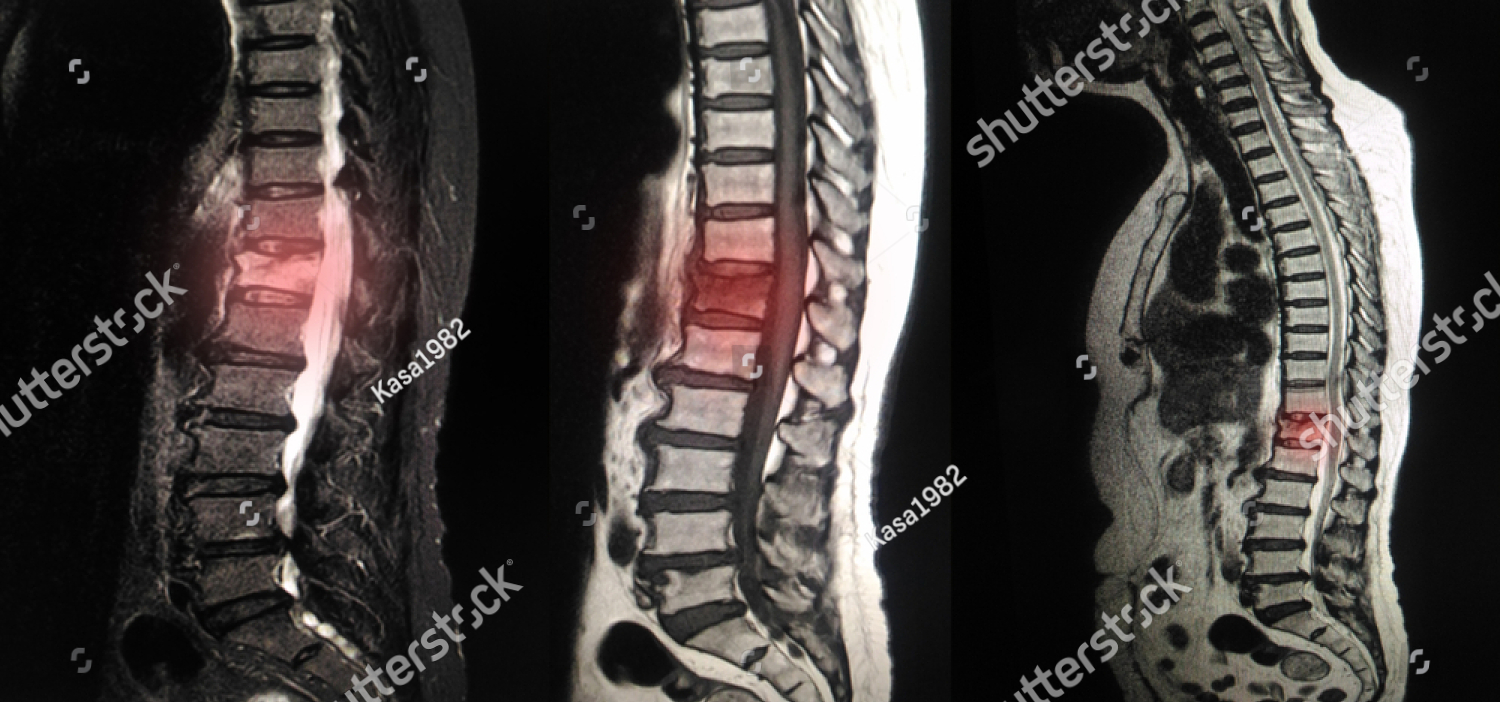
To as it should be Diagnosing spinal twine compression, docs cannot rely totally on visual judgment; specialized imaging examinations are required—these examinations want so that you can actually seize gentle tissues within the frame, the pathways of nerve travel, and the data of every bone, in order that the trouble may be recognized correctly. Currently, the most normally used diagnostic strategies by doctors are as follows:
- MRI check: This is the preferred imaging exam. MRI Scan no longer reveals the man or woman giving the examination to dangerous ionizing radiation, however it could capture clean pics of the spinal twine, intervertebral discs, and all smooth tissues around the ones components, permitting a complete view of the conditions surrounding the backbone. If you are searching for a reliable MRI Scan in Bangalore, you must prioritize establishments that meet conditions: first, the centre’s gadget is updated and advanced; 2nd, there are radiologists professional in deciphering spinal pictures, which guarantees the reliability of the examination consequences.
- CT check: A CT check can seize exceptional layered pictures of every bone structure of the backbone, this is equivalent to slicing the bones open layer by using the usage of layer to observe the details. This exam is specially beneficial if docs suspect that an affected character has bone spurs, has skilled a fracture, or has congenital abnormalities within the spinal form, as it could find bone-associated troubles. If you go through CT scan centre in Bangalore, selecting a neighborhood CT scan centre with a strong reputation and mature operation will no longer most effectively make sure that the captured pics are clean and correct, but also accelerate the file issuance method, so you will no longer have to wait a long time for the outcomes.
- Nerve conduction studies (NCS) and electromyography (EMG): These examinations are utilized in combination. They measure whether or not electric powered signals inside the body can behave generally alongside the nerves, supporting docs appropriately pinpoint the exact location wherein the nerve is compressed, and decide the severity of the compression, which permits you to set the suitable direction for the next remedy.
- Physical and neurological examination: Doctors will not straight away prescribe numerous excessive-end imaging examinations as speedy as an affected character arrives. Before arranging imaging examinations, they will first perform a simple bodily and specialized neurological exam for the patient, to evaluate whether the affected man or woman’s reflexes are normal, if the muscle mass has sufficient electricity, and if the pores and skin’s sensory responses are touchy. This first narrows down the variety of possible reasons for the symptoms and signs, heading off blindly ordering examinations that waste time and prices.
In addition to helping those focused diagnoses, comprehensive health screening centres in Bangalore also can help sufferers find out hidden threat factors in advance than their signs and symptoms end up worse into more important fitness issues, collectively with super bone density or pressure as a result of prolonged-term improper posture, nipping the trouble within the bud.
What Causes Spinal Compression?
There are many reasons which can trigger spinal compression. To deliver powerful treatment, it’s far important to first end up aware of the root reason.
- Herniated or bulging intervertebral disc: Our backbone is formed with the aid of stacking vertebrae one on the pinnacle of some other. Between each vertebrae sits an intervertebral disc that acts like a cushion, mainly designed to take in the strain generated via body movements. If this cushion shifts out of its right feature, it’ll right now compress the encircling nerves, and the sudden strain will disrupt the regular functioning of the spine.
- Spinal stenosis: The spinal canal is a passage inside the frame that particularly homes the spinal wire. This passage will genuinely narrow, in most instances in association with getting old. As a quick end result, the space left for the spinal twine and the nerve roots branching off from the spinal cord shrinks, and the compression at the spinal cord will regularly worsen through the years.
- Degenerative disc disorder: The same intervertebral discs that cushion the vertebrae referred to above will slowly wear out after extended use. Long-time period wear at the backbone’s intervertebral discs motivates their capability to soak up impact to continuously decline, as a way to grow the pressure that the surrounding tissues supporting and shielding the backbone have to endure.
- Trauma or damage: Accidents, unintentional falls, or accidents sustained at some point of sports activities sports can all motive surprising compression of the spine, or create greater strain on the backbone because of bone fractures, which in flip ends in acute nerve damage, requiring a medical doctor’s evaluation as quickly as possible.
- Tumors or regular growths: This state of affairs within reason is unusual, however if ordinary growths that have to not exist increase near the spinal cord, they will squeeze nerve tissue; furthermore, those growths will slowly extend, and the enjoy of compression will constantly accumulate and grade by grade worsen.
- Poor posture and repetitive strain: Maintaining incorrect sitting or status positions for prolonged durations, particularly in a desk-sure paintings united states, will regularly cause persistent neck ache and upload burden to the intervertebral discs; these tensions collect on a day by day basis, and over the direction of months or years, the spinal compression will become an increasing number of excessive.
- Osteoporosis: When someone has osteoporosis, bone power decreases and bones turn out to be greater fragile. After bones emerge as brittle and easy, they’re an extended way more likely to expand compression fractures, a state of affairs that is especially commonplace for some of the aged. This can generate sudden immoderate pressure, undermining the stability and normal feature of the backbone.
What Are the Treatment Options for Spinal Compression?
The treatment of spinal compression depends on the severity of the compression and the development of the affected person’s signs and symptoms; a single treatment plan can’t be implemented for all cases.

- Conservative remedy: For moderate to moderate conditions, non-surgical options along with bodily therapy, centered sports, and posture correction are typically the primary-line measures. In addition to these adjustments to movements and behavior, doctors may also prescribe anti-inflammatory pills to alleviate ache and swelling at some point of flare-ups, first assuaging the most distressing signs.
- Epidural steroid injection: This injection administered at a particular area can lessen infection around the compressed nerve, temporarily relieving the affected person’s discomfort and supporting them through the transition duration earlier than other gradual-appearing remedies take impact.
- Physical remedy mixed with lifestyle modifications: Strengthening the muscles that help the spine, and adjusting paintings and home environments to be ergonomically compliant, reduces the load on the spine at the source. This now not simplest prevents the compression from worsening in addition but also lowers the chance of destiny recurrence.
- Surgical treatment: If the compression is already severe, mainly whilst signs of spinal twine damage appear, which includes lack of bladder management or apparent muscle weakness, surgical decompression can be required to relieve the pressure on the nerve and prevent permanent, irreversible nerve harm. For the particular kind of surgical treatment to be carried out, doctors will keep in mind methods which include discectomy, laminectomy, or spinal fusion primarily based on the particular diagnostic consequences.
- Regular assessment and tracking: Caution must now not be relaxed after treatment starts off involved. Follow-up imaging examinations, whether or not repeat MRI or CT scans, can assist docs track whether or not the cutting-edge remedy plan is effective, and affirm whether or not the spinal compression has stabilized, is regularly improving, or continues to get worse, so that the plan can be adjusted at any time.
Conclusion:
Spinal compression symptoms rarely emerge suddenly—you’ll not be absolutely super someday, best to be beaten thru maximum of those symptoms the very next. But although those discomforts boom steadily, you ought to in no manner brush aside them casually, writing them off as mere ordinary stiffness inside the shoulders and neck, or tiredness from not getting enough rest.
If you’ve got persistent chronic neck pain that lingers for a long term, frequent numbness in your palms and ft that seems like tiny needles pricking you, or constant weakness during your body with no identifiable motive, even though you haven’t performed any heavy hard work—the ones are not minor problems. They are pressing signals your body is sending, caution you to pay attention right now and are seeking advice from a medical doctor. What you want to do is get a formal imaging exam as speedy as possible to verify your scenario, and perceive the ideal purpose behind these symptoms.
If you have already evolved the signs and symptoms referred to above, do not put off. Do not wait till the ache grows greater excessive, the numbness takes region increasingly more regularly, and you may not stroll earlier than you are seeking out hospital therapy. Koshikaa offers a complete range of diagnostic offerings, in conjunction with MRI, CT scans and whole health screening packages, to help you acquire a correct evaluation that avoids misreading your condition. We also can customise a remedy plan tailored to your specific situation, in place of using a one-duration-suits-all plan to each affected person.. Taking this correct step will help you maintain many important health troubles at bay.
FAQs:
1. What is spinal wire compression?
Spinal wire compression develops whilst unresolvable extra strain builds up on the spinal twine and the nerve roots that make bigger out from the spinal column. Common reasons that cause this pressure consist of herniated discs, bone spurs developing from bones, spinal stenosis, or unintended trauma. This pressure urgent on the nerves will disrupt the regular rhythm of nerve signal transmission. If left unaddressed, it could gradually cause pain, numbness, or hassle lifting and shifting one’s hands and feet due to muscle susceptible points.
2. What are the early caution signs and symptoms of spinal wire compression?
At the preliminary onset of the condition, the body will first give a few minor, without issues ignored troubles—the ones are the early signs and symptoms. They encompass continual neck pain that doesn’t resolve, occasional stabbing, needle-prick-like numbness inside the hands and feet, fashionable muscle weak factor, constant stiffness that restricts motion, and ache that worsens even as coughing or mendacity all the way down to sleep. Most of these discomforts get worse regularly over time, and plenty of people neglect the collection issues at first.
3. Is lengthy-time period neck pain continually a sign of spinal wire compression?
No, not all persistent neck pain is due to spinal wire compression. However, if neck ache lasts for several weeks without development, especially if it’s miles followed by a way of numbness within the arms and hassle lifting or the usage of the palms because of weak factors, you have to be seeking out clinical examination properly. First rule out the possibility of spinal cord compression, then inspect some other underlying issues.
4. How is spinal cord compression identified?
To diagnose this situation, an MRI experiment is usually done first to genuinely visualize the frame’s smooth tissues and the pathways of the nerves; a CT experiment is likewise performed to specifically test for abnormalities in bone shape. In a few cases, extra nerve conduction assessments or electromyography may be ordered to properly affirm whether or not or now not nerve characteristic is normal and unimpaired.
5. Can untreated spinal wire compression cause everlasting health issues?
Yes. If you forget about atypical symptoms and signs and symptoms on your frame and put off remedy indefinitely, the pressure on the spinal twine will hold to build, and the worsening compression will cause eternal, irreparable damage to the spinal wire. If you enjoy loss of bladder or bowel manipulation, or a sudden severe weak point that leaves you actually no longer able to transport, you need to visit the sanatorium at once, with none put off.
6. What situations can trigger spinal cord compression?
Common triggers for this situation consist of herniated or bulging discs, spinal stenosis, degenerative disc ailment, physical trauma, osteoporosis, tumor growth, and long-time period upkeep of horrific, misaligned postures—which encompass constantly hunching over to apply a cellular phone at the same time as slouched on a settee.
7. What remedy alternatives are available for spinal cord compression?
Depending on whether or now not the scenario is mild or extreme, the chosen remedy strategies will vary completely. If symptoms are nevertheless pretty mild, you can undergo bodily treatment for slow rehabilitation, accurate your everyday poor posture, or take anti-inflammatory remedy to alleviate pain and numbness. If the compression is already extreme, you may want an epidural steroid injection to reduce infection and pain, or undergo surgical methods which incorporate discectomy or spinal fusion to remedy the compression problem at its root.
8. Where in Bangalore can I get an MRI or CT test related to spinal twine compression?
Koshikaa gives MRI scans, CT scans, and an entire variety of fitness check-up offerings in Bangalore. It can help patients with spinal wire compression gain correct diagnostic results, then increase suitable remedy plans tailor-made to every character’s situation.