
“Why has my doctor asked for another blood test when I already feel so weak?”
If you have ever found yourself asking this during an illness, you are not alone.
When infections become severe, unexplained, or don’t respond to regular treatment, doctors often recommend specialised diagnostics to identify the root cause. One such essential test is understanding what is blood culture test, especially when you are visiting a reliable blood test in Bangalore facility that prioritises accuracy and speed.
What makes this test so powerful in detecting hidden infections before they turn dangerous? Let’s dive deeper.
Key Points at a Glance
- A blood culture test detects harmful bacteria or fungi in the bloodstream
- It plays a critical role in diagnosing life-threatening infections like sepsis
- Helps doctors choose targeted antibiotics, improving recovery outcomes
- Involves sterile sample collection and lab-based microbial analysis
- Early detection significantly reduces complications and hospitalisation time
- Widely recommended in emergency, ICU, and chronic infection cases
What Is Blood Culture Test?
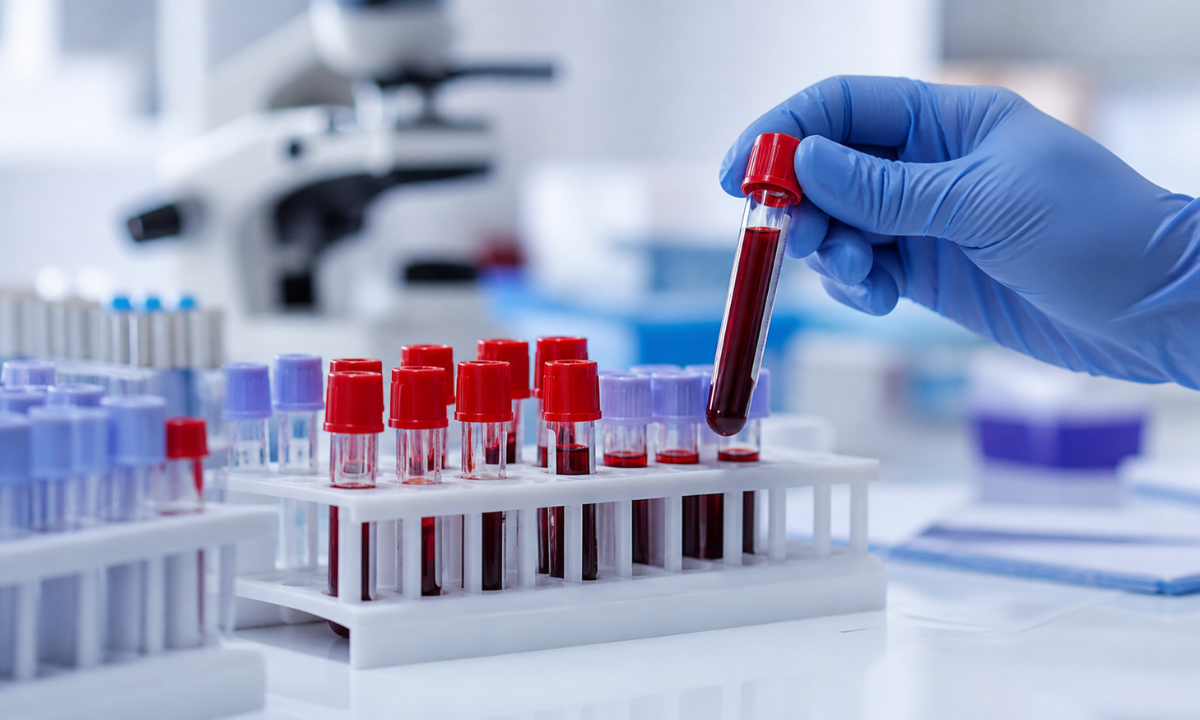
A blood culture test is an advanced laboratory investigation designed to detect microorganisms such as bacteria, fungi, or yeast present in the blood. Under normal circumstances, blood is sterile, meaning it should not contain any infectious organisms.
However, when pathogens enter the bloodstream through wounds, infections, or medical procedures, they can spread rapidly across the body. This condition, known as ‘bacteremia’ or ‘fungemia’, can escalate into severe complications if not treated promptly.
This blood test doesn’t just confirm the presence of infection; it also helps pinpoint the exact organism responsible. That precision allows doctors to move from guesswork to targeted treatment, which is critical in urgent medical situations.
Why Blood Culture Test Is Done

Understanding why blood culture test is done becomes crucial when symptoms are vague but potentially serious. Doctors typically recommend this test when there is a suspicion that an infection has entered the bloodstream and could affect multiple organs.
Here are some detailed scenarios where it is advised:
- Unexplained high fever with chills or sweating that persists for days
- Suspected sepsis, a medical emergency where infection spreads throughout the body
- Symptoms like rapid heartbeat, confusion, or low blood pressure
- Infections that are not improving despite antibiotic treatment
- Patients with weakened immunity due to diabetes, cancer therapy, or organ transplants
Globally, studies show that sepsis contributes to nearly 1 in 5 deaths worldwide, highlighting the importance of early diagnosis through blood culture testing.
Blood Culture Test Purpose

The blood culture test purpose is not limited to identifying infection; it is about enabling faster, smarter, and more effective medical decisions. In many cases, it can be the difference between timely recovery and prolonged illness.
Key Objectives Explained:
- Detect infection early: Identifies pathogens before symptoms worsen
- Guide antibiotic therapy: Helps doctors prescribe the most effective medication
- Monitor ongoing infections: Tracks whether treatment is working
- Prevent complications: Reduces the risk of organ damage or septic shock
For example, using broad-spectrum antibiotics without knowing the exact bacteria can lead to resistance. Blood culture tests eliminate this uncertainty and ensure precision-based care.
What Does Blood Culture Test Show

A frequently asked question is, ‘What does blood culture test show?’ The answer lies in both detection and detailed analysis.
The test results provide insights into whether microorganisms are present and, if so, their exact type and behaviour.
| Result Type | Meaning |
|---|---|
| Negative | No microbial growth detected; blood is likely infection-free |
| Positive | Infection confirmed; bacteria or fungi identified |
| Contaminated | External contamination during sample collection |
In positive cases, the lab performs an additional antibiotic sensitivity test, which shows which medications will effectively eliminate the infection. This step is crucial in avoiding ineffective treatments and speeding up recovery.
Blood Culture Test Procedure
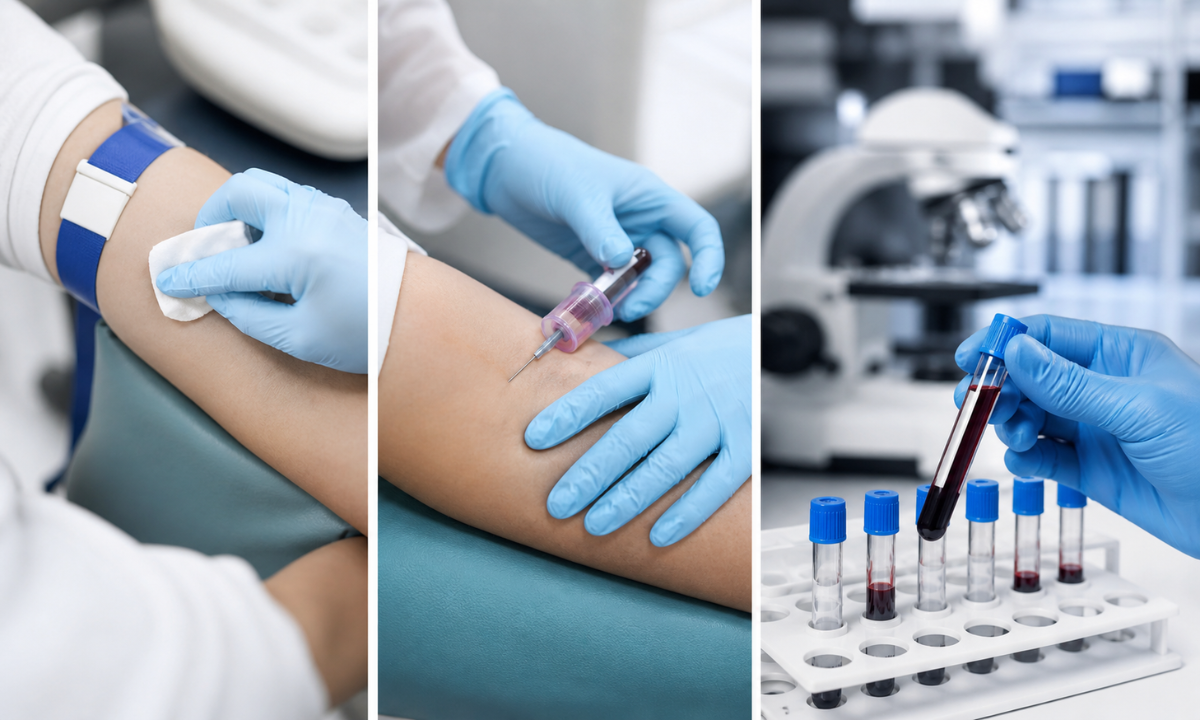
Knowing the blood culture test procedure can help reduce anxiety and prepare you for the process. While it may sound complex, it is actually straightforward and safe.
Step-by-Step Breakdown:
- Pre-Test Preparation
You usually don’t need to fast, but informing your doctor about current medications is important. Antibiotics taken before the test can sometimes affect results. - Sample Collection
A trained technician cleans the skin thoroughly to prevent contamination. Blood is then drawn from a vein using sterile equipment, often from multiple sites to improve accuracy. - Laboratory Processing
The collected samples are placed in special culture bottles containing nutrients that encourage microbial growth. These are then monitored continuously. - Observation Period
The lab checks for signs of bacterial or fungal growth over 24–72 hours. Some infections may take longer to detect, depending on the organism. - Final Analysis
If growth is detected, further tests identify the organism and determine the best antibiotics for treatment.
This structured approach ensures high accuracy and reliable diagnosis.
When Should You Consider a Blood Culture Test?

Recognising the right time to take this test can significantly impact outcomes. It is often recommended when symptoms indicate a possible systemic infection.
You should consider it if you experience:
- Persistent fever above 38°C lasting more than 2–3 days
- Sudden chills, fatigue, or weakness
- Rapid breathing or heart rate
- Low blood pressure or dizziness
- Confusion or altered mental state
These symptoms may seem general, but when combined, they can signal a serious underlying infection requiring immediate attention.
Benefits of Early Blood Culture Testing
Early diagnosis through blood culture testing offers several life-saving benefits. Acting quickly can prevent complications that may otherwise become difficult to manage.
Key Advantages:
- Accurate diagnosis of bloodstream infections at an early stage
- Targeted treatment, reducing unnecessary antibiotic use
- Lower risk of severe complications like organ failure
- Reduced hospital stays and medical costs
- Improved survival rates in critical cases
Research indicates that early and appropriate antibiotic therapy, guided by blood culture results, can improve survival rates in sepsis patients by up to 30–40%.
Tips for Accurate Blood Culture Results
To ensure the most reliable results, a few precautions can make a significant difference.
- Always choose a reputable diagnostic centre
- Ensure strict sterile conditions during sample collection
- Avoid taking antibiotics before the test unless prescribed
- Inform your doctor about recent infections or treatments
- Schedule the test during fever spikes for better detection
These small but important steps can greatly enhance test accuracy.
Common Myths About Blood Culture Tests
Despite its importance, there are several misconceptions surrounding this test.
Myth 1: It’s the same as a regular blood test
Reality: It is a specialised test specifically designed to detect infections in the bloodstream.
Myth 2: Results are immediate
Reality: Since it involves microbial growth, results typically take 1–3 days.
Myth 3: Only critically ill patients need it
Reality: It is recommended whenever a bloodstream infection is suspected, even in early stages.
Final Thoughts
Understanding what is blood culture test is essential in today’s healthcare landscape, where infections can escalate rapidly if left undiagnosed. This test plays a critical role in identifying hidden infections, guiding treatment, and preventing life-threatening complications.
If you’re looking for a dependable blood test in Bangalore, choosing a trusted health screening centre in Bangalore ensures accuracy, hygiene, and timely reporting. At Koshikaa, advanced diagnostic support combined with patient-focused care helps you stay informed, proactive, and protected against serious health risks.
FAQs
1. Is the blood culture test painful?
A blood culture test involves drawing a small amount of blood using a sterile needle, similar to any routine blood test. You may feel a quick pinch or slight discomfort at the puncture site, but it usually lasts only a few seconds. Most people tolerate it well, and any soreness afterwards is mild and temporary.
2. How long do results take?
Blood culture test results are not immediate because they require time for microorganisms to grow in a controlled lab environment. Preliminary results may be available within 24 hours, especially if bacteria are detected early. However, final results, including identification of the organism and antibiotic sensitivity, typically take 48 to 72 hours.
3. Can I eat before the test?
In most cases, you can eat and drink normally before a blood culture test, as fasting is not required. However, it is important to follow your doctor’s instructions, especially if other tests are scheduled alongside it. Also, inform your healthcare provider about any medications or antibiotics you are currently taking beforehand.
4. Is it safe for children and elderly patients?
Yes, the blood culture test is safe for both children and elderly patients when performed by trained healthcare professionals. Special care is taken during sample collection to ensure comfort and hygiene. Since these groups may have weaker immune systems, this test is especially important for detecting infections early and preventing serious complications.