
Maintaining your physical independence starts with understanding your body’s foundation. We believe that true wellness isn’t just about treating illness, it’s about establishing a clear health baseline today to protect your tomorrow.
A DEXA scan is one of the most effective, proactive tools available to ensure you stay strong and mobile for years to come. Choosing the Best Health Screening Centre in Bangalore, you are taking a vital step toward long-term vitality, using advanced imaging to safeguard your skeletal health before any issues arise.
When we talk about longevity, we often focus on heart health or nutrition, but your bone mineral density is the silent framework that supports every move you make.
Whether you are an athlete tracking your body composition or an individual looking to prevent age-related decline, this simple, non-invasive assessment provides the clarity you need. By moving beyond the reactive nature of a standard X-ray in Bangalore, we empower you to take charge of your wellness journey through personalized, preventive care.
In this guide, we’ll explore how this sophisticated imaging technology serves as the cornerstone of your proactive health strategy.
Medical Disclaimer
The clinical insights, scoring interpretations, and preventive health strategies outlined in this guide are intended strictly for educational and informational purposes. This content does not serve as a substitute for professional medical advice, a formal physician consultation, or a personalized clinical diagnosis. Bone density degradation rates and body composition metrics are deeply influenced by individual metabolic profiles, genetic predispositions, and underlying medical conditions. Always consult a qualified healthcare provider or specialized endocrinologist to interpret your specific scan results and to design a safe, appropriate treatment or supplementation regimen. Never alter your prescription medications or delay seeking professional clinical guidance based on the material read in this article.
What Does a DEXA Scan Actually Check For?
When most people hear the word X-ray, they picture a black-and-white image of a broken bone. A DEXA (Dual-Energy X-ray Absorptiometry) scan is entirely different. Instead of just looking at the physical shape of your skeletal structure, this advanced technology measures the microscopic density and overall composition of your body.
Think of it as a comprehensive structural audit. At Koshikaa, we utilize this advanced scan to establish your baseline in three critical areas of physical wellness:
1. Detecting Bone Loss Before It Happens (Osteopenia & Osteoporosis)
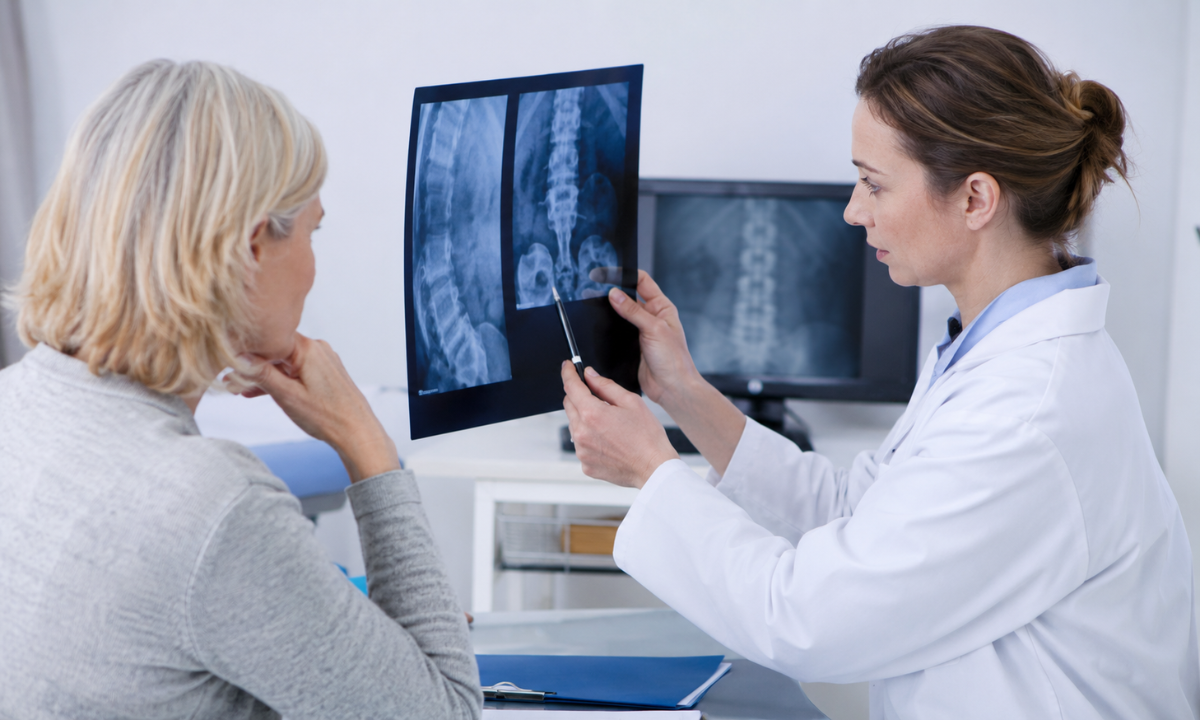
Bone loss is entirely silent; you cannot feel your bones thinning as you age. By the time a traditional X-ray detects a problem, significant damage has usually already occurred.
A DEXA scan acts as an early warning system, detecting microscopic drops in your bone mineral density (a stage known as Osteopenia) long before it develops into full-blown Osteoporosis.
This gives you the power to reverse the trend with targeted nutrition and lifestyle changes before your mobility is ever compromised.
2. Pinpoint Fracture Risk Assessment
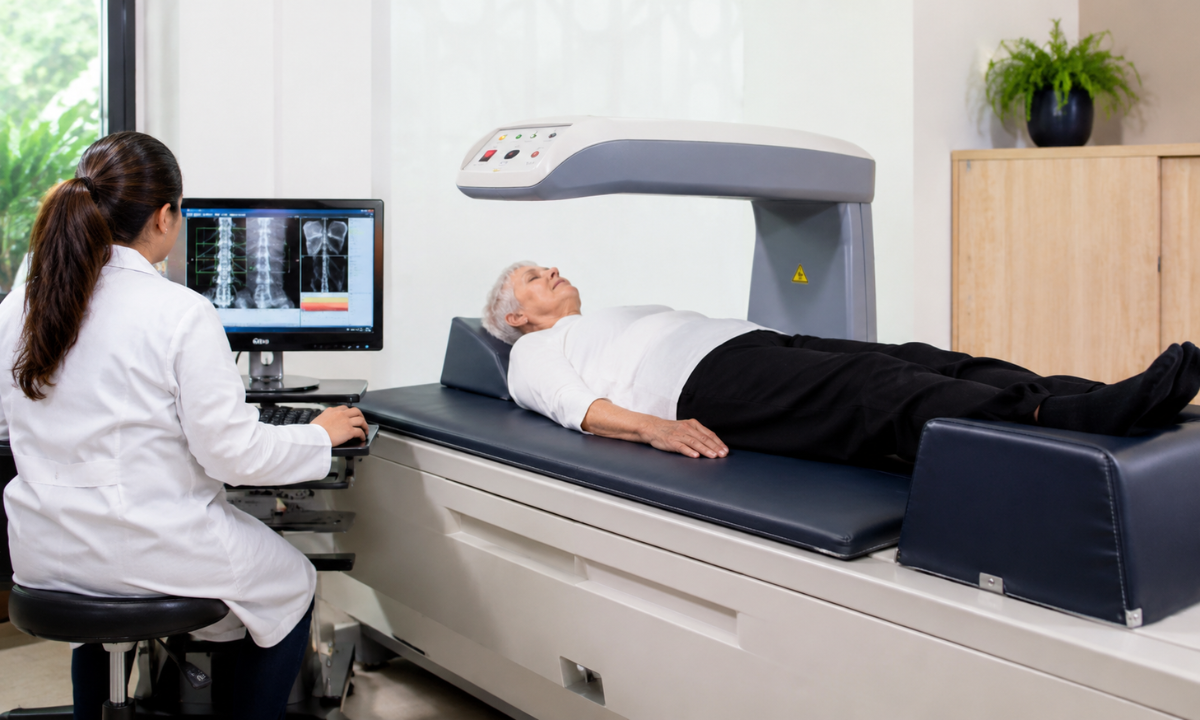
Not all bones age at the same rate. Your skeletal structure has specific load-bearing zones that are particularly vulnerable to wear and tear over decades of use. Rather than guessing your risk level, a DEXA scan specifically targets the lumbar spine and the hips. By precisely analyzing the density of these critical joints, we can accurately predict and prevent the fragility fractures that commonly rob individuals of their independence.
3. Advanced Body Composition Analysis
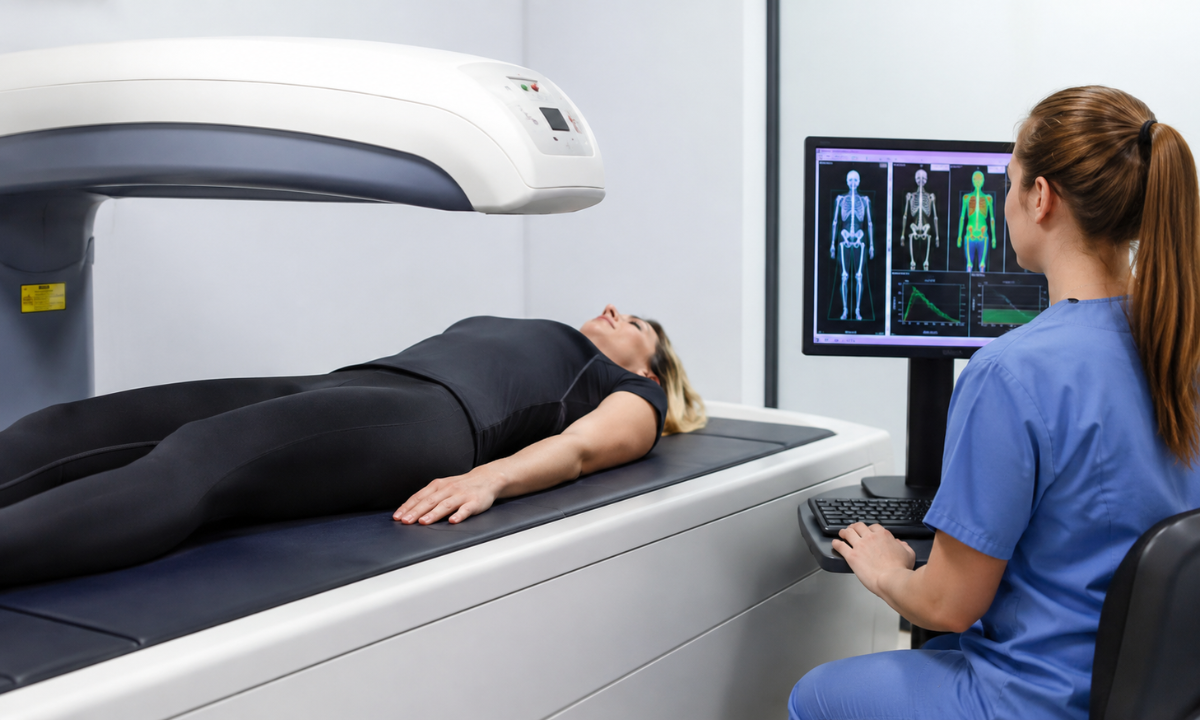
Wellness is more than just bone deep! Unlike standard scales or generic BMI calculators that simply measure total weight, a full-body DEXA scan provides a flawless breakdown of your exact physiological makeup. It measures:
- Lean Muscle Mass: Ensuring you are building functional strength and preserving muscle as you age.
- Total Body Fat Percentage: Giving you a true, accurate picture of your metabolic health.
- Visceral Fat: Identifying the hidden, dangerous fat stored around your internal organs that is heavily linked to cardiovascular and metabolic risks.
Whether you are a fitness enthusiast tracking muscle gains or an individual looking to optimize your metabolic health, this three-dimensional insight is the ultimate blueprint for a personalized wellness strategy.
The Proactive Approach: Who Should Get Scanned?
For decades, the medical community viewed bone density testing as something strictly reserved for the elderly.
We fundamentally disagree with waiting for a problem to develop before addressing it. By shifting from a reactive mindset to a proactive one, you gain the power to preserve your physical foundation while you are still active and thriving.
As skeletal health is influenced by genetics, hormones, lifestyle, and age, a one-size-fits-all approach to screening simply doesn’t work. We recommend integrating a DEXA scan into your wellness journey if you fall into any of the following proactive categories:

1. Women Entering Menopause (The Critical Window)
Estrogen is a powerful protector of bone density. As women transition into menopause, estrogen levels drop dramatically, leading to a period of rapid bone loss, sometimes up to 20% in just five to seven years. A baseline scan at the onset of menopause allows us to track this transition closely and intervene with targeted nutrition or hormone support before osteoporosis can take hold.
2. Men Over 60
While women experience an accelerated drop in bone density due to menopause, men are absolutely not immune. Testosterone levels slowly decline with age, and men over 60 begin to lose bone mass at a steady rate. A proactive scan ensures that men can maintain their structural strength and avoid the unexpected fractures that often compromise mobility later in life.
3. Individuals on Long-Term Medications
Certain life-saving medications have a frustrating side effect: they actively thin the bones. If you have been on long-term treatments such as corticosteroids (like prednisone for asthma or autoimmune conditions), specific thyroid medications, or certain cancer therapies, your risk of rapid bone loss is significantly elevated. A DEXA scan provides the exact data needed to offset these side effects through targeted supplementation.
4. Fitness Enthusiasts and Athletes
If you are deeply invested in your physical fitness, guessing your body composition isn’t enough. As a full-body DEXA scan provides clinical-grade data on your exact ratio of lean muscle to fat, it is the ultimate tool for athletes, bodybuilders, or anyone undergoing a significant weight-loss journey. It proves exactly whether your training and nutrition protocols are actively building muscle or simply burning fat.
The T-Score Explained
One of the greatest DEXA scan benefits is that it eliminates clinical guesswork. Within a few minutes, this advanced bone mineral density test translates the internal structure of your bones into a clear, universal metric known as a T-Score.
Your T-Score is a numerical value that compares your current bone density to the peak, optimal bone density of a healthy 30-year-old adult of the same gender. By understanding this score, you and your physician can instantly gauge your skeletal strength and map out a proactive wellness strategy.
Here is exactly how to read your DEXA bone density scan report:
| Your T-Score Result | The Clinical Classification | What It Means for Your Health | The Proactive Next Step |
|---|---|---|---|
| -1.0 or Above | Normal | Your bones are dense, strong, and healthy. | Maintain your current nutrition, strength training, and lifestyle habits. Schedule a baseline follow-up in a few years to track changes. |
| Between -1.0 and -2.5 | Osteopenia (The Warning Zone) | Your bone density is lower than average, but not yet at a critical fracture risk level. | This is the critical intervention window. Through targeted calcium/vitamin D supplementation and weight-bearing exercises, you can actively reverse this trend before it worsens. |
| -2.5 or Below | Osteoporosis | Your bones are structurally fragile and porous, significantly increasing your risk of spontaneous fractures. | Immediate medical intervention is required. Your doctor will likely prescribe specialized bone-building medications alongside a strict fall-prevention protocol to protect your mobility. |
The ultimate goal of a DEXA scan test is not to diagnose osteoporosis, but to detect Osteopenia. Catching your bone loss in the Warning Zone gives you the power to rebuild your skeletal foundation through simple lifestyle changes, entirely avoiding the need for heavy medications in the future.
What to Expect During Your Visit
One of the main reasons patients delay their DEXA scan procedure is simply fear of the unknown or the assumption that all medical scans involve claustrophobic tunnels or painful injections.
At Koshikaa, we want to assure you that this is one of the easiest, most comfortable diagnostic tests you will ever experience. It is entirely non-invasive, completely painless, and typically takes only 10 to 20 minutes from start to finish.
Here is a step-by-step breakdown of exactly what to expect when you visit our facility:
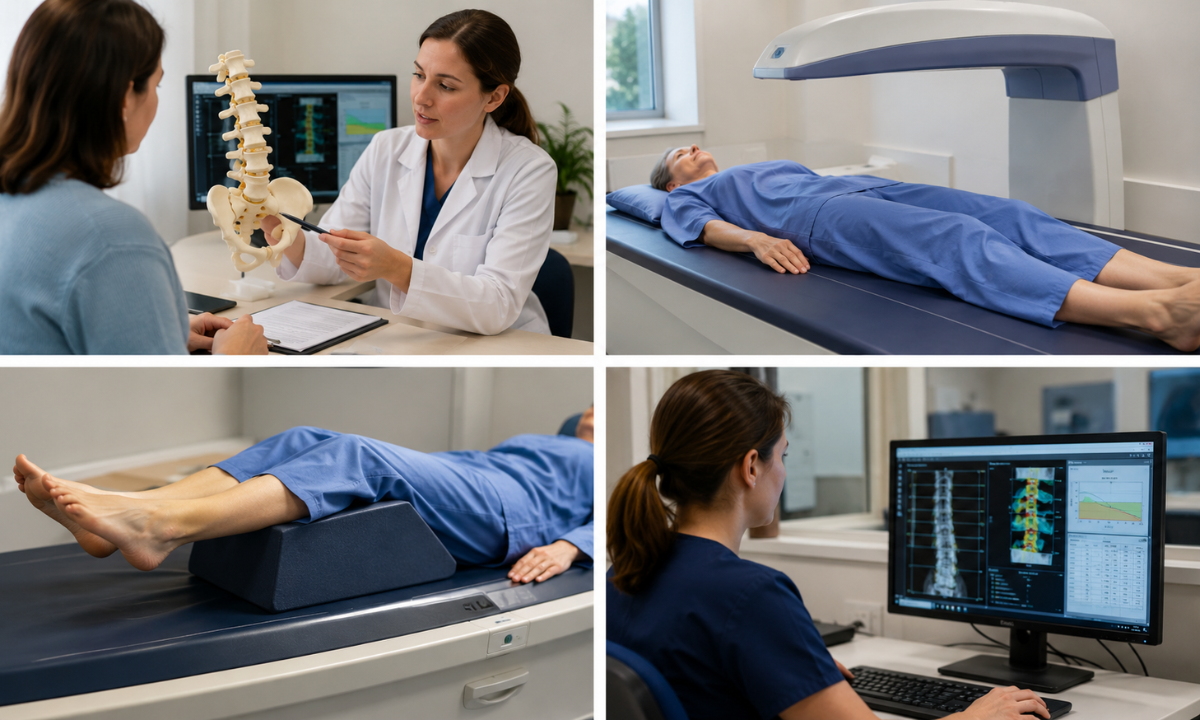
1. Preparation (What to Do Before You Arrive)
Unlike many advanced diagnostic tests, a DEXA scan does not require you to fast; you can eat and drink normally on the day of your appointment. However, there are a few minor rules to ensure the scanner gets a perfect reading:
- The 24-Hour Rule: You must stop taking any calcium supplements or over-the-counter antacids (like Tums) at least 24 hours before your scan, as undigested calcium pills can mimic bone density on the X-ray.
- The 7-Day Rule: If you have recently had a barium exam or an MRI/CT scan using contrast dye, you must wait at least 7 days before getting a DEXA scan to ensure the contrast material is completely flushed from your system.
- What to Wear: Dress comfortably in loose-fitting clothes. The golden rule is no metal. Avoid zippers, belts, metal buttons, and underwire bras, as metal blocks the X-ray beams.
2. The Scanning Process (The 15-Minute Audit)
When you enter the imaging room, you will immediately notice that the machine is completely open; there are no enclosed rings or tunnels to trigger claustrophobia.
- You will simply lie flat on your back on a comfortable, padded table.
- Our technician may place a foam wedge under your knees to flatten your lower spine or use gentle blocks to hold your legs in the perfect position.
- An imaging arm will slowly pass over your body, utilizing two different low-energy X-ray beams (one absorbed by bone, the other by soft tissue) to calculate your exact density.
You will not feel a thing. The machine simply makes a soft humming noise as it takes the measurements.
3. The Reassurance of Safety
A common concern regarding any form of X-ray is radiation exposure. However, the radiation dose from a DEXA scan is incredibly low. To put it in perspective, the amount of radiation you receive during this scan is significantly less than a standard chest X-ray and is roughly equivalent to the natural background radiation you absorb from the environment during a standard cross-country airplane flight.
Note: While exceptionally safe, you must inform your doctor if there is any possibility you might be pregnant, as all elective radiation should be avoided during pregnancy.
Once the imaging arm completes its pass, you are finished. There is no recovery time, no grogginess, and you can immediately resume your normal daily activities without restriction.
Understanding the Cost & Value of Preventive Screening
One of the most common barriers to proactive healthcare is the fear of hidden medical expenses. At Koshikaa, we believe that transparency is the foundation of patient trust.
When it comes to understanding your DEXA scan cost, you will be pleasantly surprised to find that securing your long-term mobility is highly affordable, especially when compared to the financial and physical toll of an unexpected injury.
In Bangalore, the cost of a bone density test varies depending on the comprehensiveness of the scan.
Typical DEXA Scan Pricing in Bangalore
Here is a general breakdown of what you can expect to invest in your skeletal health at a premium diagnostic center:
| Type of DEXA Scan | What It Measures | Average Cost Range in Bangalore (₹) |
|---|---|---|
| Single Site Scan | Focuses on one specific area (e.g., just the Lumbar Spine or one Hip). | ₹1,500 – ₹2,000 |
| Two-Site Scan | The clinical standard for fracture risk (Both the Spine and the Hip). | ₹2,000 – ₹2,500 |
| Whole-Body Scan | Comprehensive bone density plus a full body composition analysis (muscle mass and fat percentage). | ₹3,000 – ₹4,000 |
The True ROI of Prevention: Cost vs. Value
When evaluating medical costs, it is vital to shift your perspective from expense to investment. While spending ₹2,500 on a proactive health screening might feel like a discretionary expense, the alternative, waiting for a fragility fracture to occur, carries a devastating financial and physical burden.
Consider the Return on Investment (ROI) when you catch bone loss early compared to treating it reactively:
| The Proactive Approach (Koshikaa) | The Reactive Reality (Waiting for a Fall) |
|---|---|
| Investment: ₹2,500 for a detailed scan. | Expense: Upwards of ₹2,00,000 to ₹4,00,000+ for hip replacement surgery. |
| Intervention: Simple lifestyle changes, Vitamin D, and calcium supplements. | Intervention: Major surgery, titanium implants, and weeks of hospitalization. |
| Outcome: Maintained independence, uncompromised mobility, and peace of mind. | Outcome: Months of painful physical therapy and potential permanent loss of full mobility. |
We do not want our patients paying for expensive emergency surgeries in their 70s. We want them investing in affordable, high-precision knowledge in their 40s and 50s. A DEXA scan is not just a medical test; it is an incredibly cost-effective insurance policy for your lifelong physical independence.
Why Choose Koshikaa for Your Holistic Wellness?
When it comes to safeguarding your skeletal foundation and long-term vitality, where you get screened matters. We at Koshikaa have redefined the diagnostic experience to shift away from the cold, clinical feel of traditional testing environments. We have built our reputation as a trusted healthcare partner in Bangalore by looking beyond individual symptoms and focusing entirely on your complete physical footprint.
Choosing Koshikaa for your preventive and annual health screening offers distinct, patient-first advantages:
- Bespoke Health Questionnaires: We know that your body is unique. Koshikaa doesn’t believe in automated, one-size-fits-all diagnostics. Before your scan, we integrate your specific lifestyle habits, dietary preferences, and family medical histories to contextualize your results and craft a genuinely personalized care path.
- Tailored Age-Wise Screenings: Biological risks shift dramatically with every decade of life. Our comprehensive packages are custom-calibrated to address the exact physiological vulnerabilities of your age bracket, ensuring you receive the precise insights you need without paying for unnecessary tests.
- Comprehensive Care Under One Roof: From routine, foundational blood work to high-resolution ultrasounds, mammography, and advanced bone density testing, we provide a seamless, stress-free ecosystem for all your diagnostic needs.
We are on a mission to replace medical anxiety with proactive empowerment. Our compassionate medical staff and technologists take the time to answer your questions, walk you through your data, and turn a routine diagnostic checkup into a celebration of your commitment to longevity.
Conclusion
Your skeletal health is the literal framework of your life. It dictates your ability to travel, play with your children or grandchildren, stay active in your career, and move through the world with absolute freedom. Waiting for a fracture or a severe fall to tell you that your bones are thinning is a reactive approach that compromises your quality of life.
By investing in a quick, painless, and highly affordable DEXA scan, you transition from a passive bystander to an active architect of your own aging process. Whether your score reveals optimal strength or signals that it’s time to intervene during the crucial “warning zone,” having definitive data brings absolute peace of mind. Partner with Koshikaa today, establish your physical baseline, and secure a strong, uncompromised, and mobile future.