
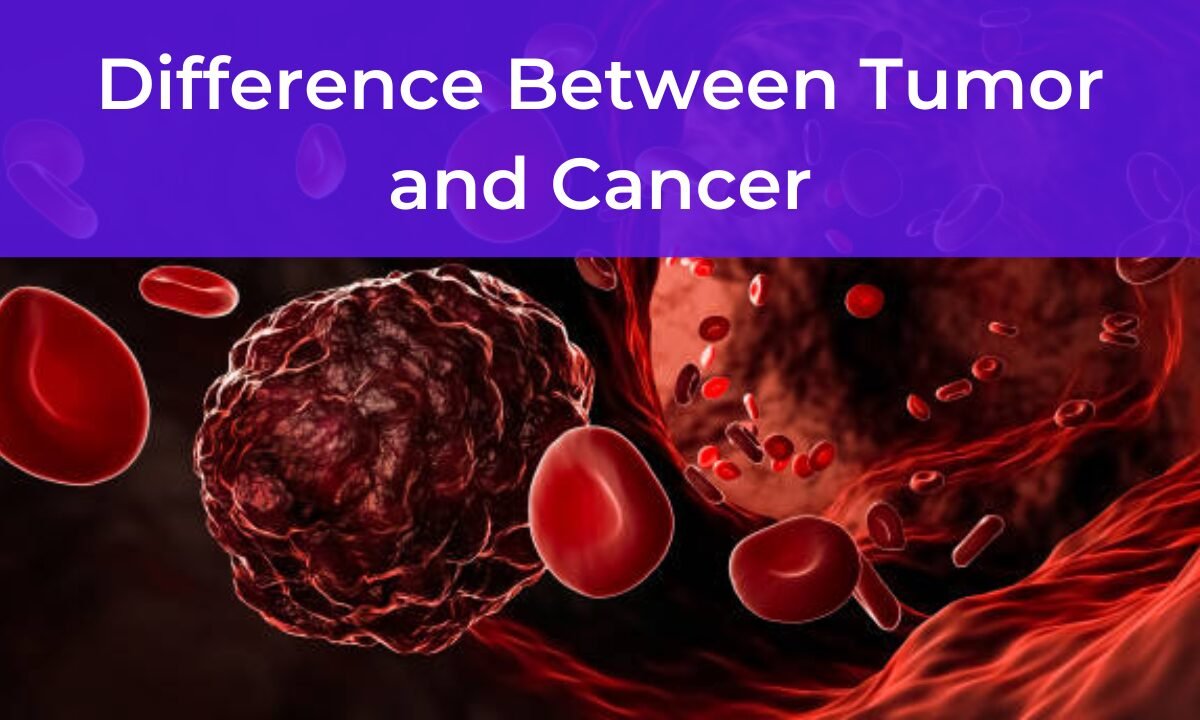
The words ‘tumor,’ and ‘cancer’, sound almost the same to many people, so they automatically assume that the two have the same meaning. As the two terms seem interchangeable, they are not. The difference between cancer and tumor needs to be understood for clarity, prevention, and above all, early detection and treatment. This article simply explains concepts, including what they mean and how they are related, as well as their differences.
What is a Tumor?
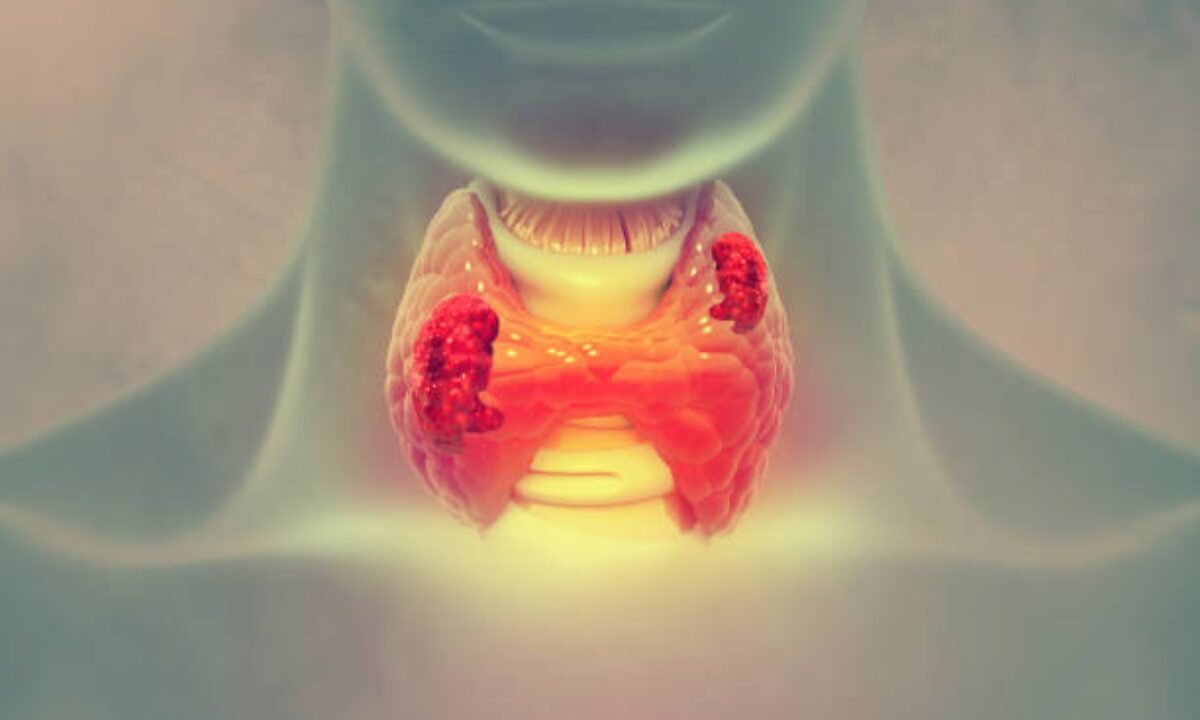
A tumor is a mass of tissue that results from the excessive and abnormal multiplication and division of cells. Normally, cell growth is a precisely controlled process that goes wrong when cells start dividing uncontrollably and form a tumor.
Yet not all tumors are bad. Tumors can be classified into two main categories:
1. Benign Tumors (Non-cancerous):
Most benign tumors are not life-threatening. They don’t spread elsewhere in the body and often stay put. For example, a lipoma, which is a benign tumor composed mostly of fat cells, doesn’t spread into neighboring tissue. Benign tumors aren’t cancer, but because they can grow too large or press on vital organs, blood vessels, or nerves, they can cause problems.
2. Malignant Tumors (Cancerous):
This is where the confusion between cancer and tumor is so often made. A malignant tumor is a cancer. Malignant means the tumors will grow uncontrollably and can spread to nearby tissues damaging healthy cells. And they can spread to other parts of the body, a process called metastasis.
What is Cancer?
Cancer is a group of diseases in which cells grow uncontrollably and can spread to other parts of the body. Cancer starts when the DNA of cells becomes damaged and tumors can develop in almost any part of your body. That damage might be due to genetic mutations, exposure to UV radiation during skin sun damage, or certain lifestyle choices such as smoking.
Cancer is also able to spread, meaning it’s different from a benign tumor. If the cancerous cells behave differently than normal cells your body may be changed and put under serious threat due to this.
What’s important to understand is not all tumors are cancerous, but all cancer begins as a tumor. With that in mind, we can begin to understand more clearly the difference between cancer and tumor as we proceed.
The Big Difference—Between Cancer and Tumor
To gain a clear understanding of the difference between cancer and tumor, let us dive deeper into their unique characteristics:
1. Definition:
Tumor: A tumor is a mass due to abnormal cell growth. It can be either malignant or benign.
Cancer: Cancer is a disease in which cells overgrow and spread uncontrollably, beginning as a tumor.
2. Nature:
Tumor: Not all tumors are harmful. Other benign tumors are noninvasive and are considered harmless unless they grow extremely large or press upon vital organs.
Cancer: Cancer is always harmful. Tumors are classified as malignant (cancerous) tumors that destroy tissues, can spread, and are life-threatening.
3. Spread:
Tumor: A benign tumor doesn’t spread to other parts of the body.
Cancer: Malignancies are cancers that metastasize or spread to different organs and tissues.
4. Aggressiveness:
Tumor: Tumors that grow slowly and are less aggressive are called benign tumors.
Cancer: Cancer cells do not always die, they continue to grow quickly and are aggressive, growing through surrounding tissue and causing severe damage.
5. Treatment:
Tumor: Tumors may not be treated if they are Benign. They may be surgically removed when they cause discomfort or represent health risks.
Cancer: Treatments for cancer detection, like surgery, chemotherapy, radiation therapy, immunotherapy, or some combination of all these approaches, are more intense.
Tumor and Cancer Similarities.
There are a few overlaps, but it’s crucial to clarify the two terms. Let’s address those:
1. Both Involve Abnormal Cell Growth: Unregulated cell growth in the body is the cause of both tumors and cancers.
2. Detection Methods Are Similar: Often imaging tests, biopsies, and scans are used to diagnose benign and malignant tumors as well as cancer.
3. Both May Require Medical Attention: A tumor can be benign or malignant, so based on the size, location, and impact on the body it may or may not require intervention.
How do Tumors and Cancer form?
Now we can dig deeper to find out what causes cancer to grow and what causes a tumor to grow.
Causes of Tumors:
- Genetic predisposition
- Infections
- Hormonal imbalances
- Chronic inflammation
- Examples include environmental or lifestyle factors (such as smoking, alcohol, etc.)
Causes of Cancer:
- Genetic mutations
- Or carcinogens such as tobacco smoke or asbestos
- Excessive alcohol consumption
- This means long-term exposure to UV radiation.
- Human Papilloma Virus (HPV)
- Lack of exercise and poor diet
How are Tumors or Cancer diagnosed by doctors?
Doctors find out if a tumor is benign or malignant, and if a person has cancer, by doing a combination of tests and procedures. These diagnostic tools may include:
1. Physical Examination: Looking for lumps or abnormalities.
2. Imaging Tests: The characteristics of a tumor can be revealed by X-rays, MRIs, CT scans, or ultrasounds.
3. Biopsy: An analysis of a small tissue sample is made under a microscope to find out if it is cancer or not.
4. Blood Tests: Certain cancers release specific marker products into the bloodstream for diagnosis.
Should a Benign Tumour Be Treated?
Not all benign tumors require treatment. Benign tumors may remain stable and cause no symptoms and yet many live their whole lives with them. But a benign tumor that begins to grow enough to press on vital structures such as blood vessels or nerves or creates problems might have to be removed surgically.
Whereas malignant tumors are always medical intervention required. The earlier a cancer is found and treated, the better.
Is a Benign Tumor Oddly Able to Turn into Cancer?
Sometimes a benign tumor can turn cancerous. The term for this, malignant transformation, is rare and depends on the type of tumor and its location. To give an example, some polyps in the colon, even though they may begin as benign tumors, can turn into colorectal cancer. That’s why doctors often have people remove these growths despite them not being cancerous.
Importance of Early Detection
Tumor and cancer are when early detection is critical in managing them. If you find a strange lump or if you experience any other unusual symptoms, you must see the doctor as soon as possible. Mammograms, colonoscopies, and Pap smears are regular screenings that can be done to find out whether a problem is present.
Understanding the difference between cancer and tumors means you can spot early warning signs and get the right care without going into unnecessary panic.
Conclusion
In conclusion, the knowledge of the difference between cancer and tumors will make a big difference in health knowledge. Tumor, simply, is an abnormal growth of cells that can be either benign or malignant. In contrast, cancer is the name for malignant tumors occurring in any tissues that invade surrounding tissues and spread into the rest of the body.
Though both terms may sound daunting, knowledge and rapid action are essential to effective treatment. Knowing the differences can help you to work with your healthcare provider if you ever have a diagnosis of a tumor or cancer.
A reliable and comprehensive cancer screening test Bangalore is what Koshikaa offers, aimed at early detection and prompt intervention to help increase your chances of better health.