
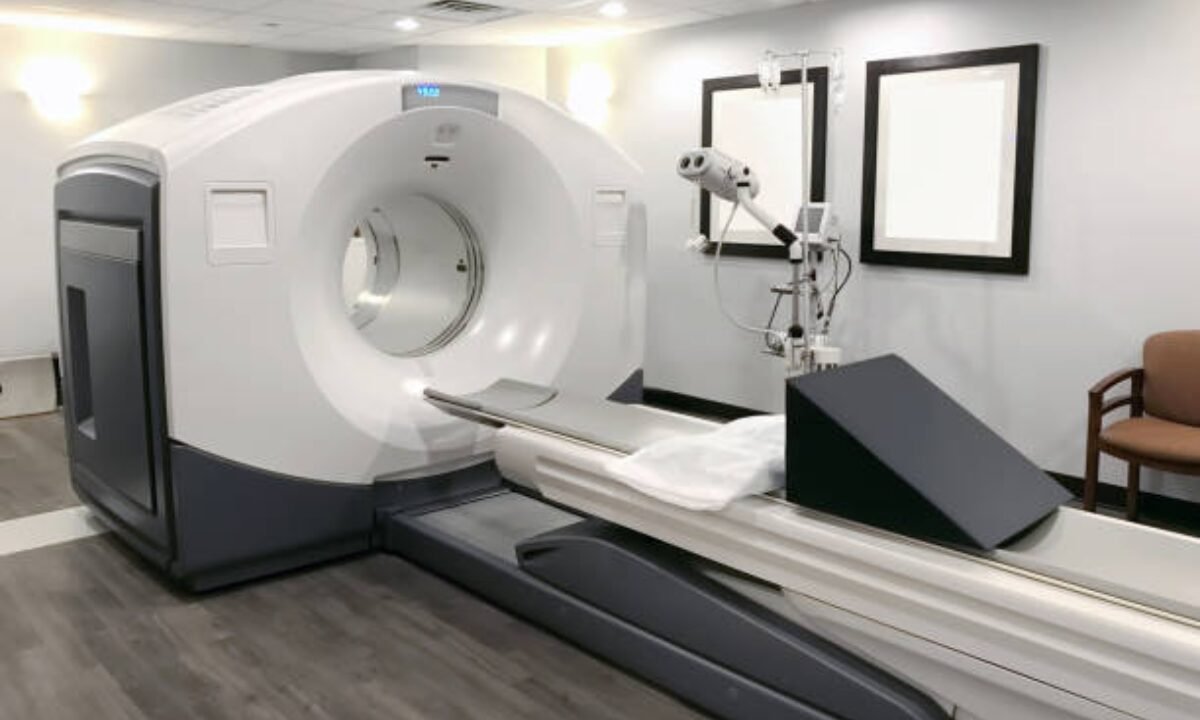
In recent years, the use of imaging technology, particularly CT (Computed Tomography) scans, has improved tremendously in the diagnosis and treatment of many health problems. Among them, the whole-body CT scan is a very powerful tool that allows healthcare professionals to identify potential issues in a variety of areas of the body at the same time.
This article will help you determine when you may need a whole-body CT scan, and why you would want to see a healthcare provider.
Understanding Whole Body CT Scan
Before diving into the signs, understanding what a whole-body CT scan is is important. A whole-body CT scan is a diagnostic imaging technique involving X-rays and computer technology that helps take detailed cross-sectional images of a person’s body. This scan is different from the individual scans that look at one specific area of the body, such as the head, chest, abdomen, and pelvis.
The scan is usually used for early detection of diseases such as cancer, internal injuries, or abnormalities. It’s not performed on healthy people very often but can be critical to evaluating conditions for patients with certain symptoms.
Common Signs for a Whole Body CT Scan

Below are some common reasons a doctor may decide to perform this comprehensive scan.
Persistent, Unexplained Pain
A whole body CT scan may be helpful if you have pain that persistently, and cannot be attributed to an easily identifiable cause. It’s also often used when the pain persists despite medication, physical therapy, or other treatment. This scan provides detailed images of bones, tissues, and organs, helping doctors identify underlying issues such as:
- Tumors: But there may be tumors that don’t show any signs in the early stages and persistent pain could be a sign of their presence.
- Internal Inflammations or Infections: This scan, however, may reveal infections that cannot be spotted with simple blood tests or external checks. This could mean, for example, spots in the abdominal area which might indicate abscesses.
After an Accident — Traumatic Injuries
Traumatic injury, e.g. after a car accident or fall, is complex and it may not always present obvious external signs. A whole body CT scan can help assess internal injuries, such as:
- Internal organs can be damaged, such as the liver, spleen, or kidneys.
- An inability to notice fractures or breaks in the spinal cord or bones — with X-rays.
- Brain injuries or bleeding.
Cancer Screening or Suspicion of Cancer
A whole-body CT scan is very important to determine and monitor cancer. Symptoms such as unexplained weight loss, prolonged cough, or fatigue might indicate a patient is at high risk due to family history, or environmental exposure and this scan might be recommended. It helps in:
- The ability to recognize different types of cancerous growths throughout different parts of the body.
- Determine which cancer has spread (metastasis).
- Checking what cancer treatment works.
Yet, routine scans in the absence of specific symptoms or risk factors are not routinely recommended for cancer screening, because overuse of CT scans exposes people to potentially unnecessary radiation.
Breathing Problems or Persistent Chest Pain Require Immediate Attention
Symptoms like shortness of breath and chest pain could point to severe underlying conditions, such as:
- Pulmonary Embolism: An MCA, which can be detected between a blood clot in the lungs and cause sudden chest pain or difficulty breathing.
- Heart Conditions: Other methods of testing, such as an echocardiogram, may be used to begin with while a more complete evaluation can be done with a whole-body CT scan to look at issues with blood flow or damage to blood vessels.
- Lung Diseases: They can even evaluate conditions such as infections, chronic obstructive pulmonary disease (COPD), and lung cancer.
No Clear Cause for Recurrent Infections
A whole-body CT scan may also be warranted if there are recurrent, unexplained infections. For example:
- Respiratory infections or urinary tract infections that keep coming back even though they are being treated over and over may mean there is a problem.
- If further evaluation is necessary, infections secondary to compromised immunity, e.g. in HIV/AIDS, should be considered.
With its in-depth look into internal organs and systems, this comprehensive scan allows pinpointing of causes that wouldn’t otherwise be detectable.
Appetite Changes or Unexplained Weight Loss
Changes in appetite or sudden unexplained weight loss can not only indicate any number of medical conditions but may also call for urgent medical attention. This may be indicative of thyroid disorders, digestive disorders, or cancers, such as stomach or pancreatic cancer. Whole-body CT scans help doctors find places where these symptoms could be coming from.
Chronic Fatigue or Weakness
Chronic fatigue, even if you can’t blame it on fatigue from lifestyle factors like stress or sleep deprivation, might be a telltale sign of a more serious health condition. However, a whole-body CT scan might find abnormalities in the blood vessels, hidden infections, or damage to several systems, including the nervous or circulatory system.
Blood in Stool, Urine, or Cough
Never is ‘bleeding’ in stool, urine, or sputum a symptom to ignore. That is exactly why it is called a sign. These could be indicative of:
- Internal bleeding.
- Infections.
- Cancers of the digestive tract, urinary tract, or lungs.
A whole-body CT scan is often a valuable step in finding out where in the body the bleeding is coming from and where.
Fevers, or sweating, without an easily explained cause
Long periods of varying temperatures of high fevers or night sweats that can’t be explained can sometimes indicate infections or diseases of the immune system. In some cases, they also can be early cues to cancer, such as lymphoma. A whole-body CT scan allows doctors to see all of the problems that could cause these symptoms from a top-down view.
After Treatment or Surgery Follow Up
If your cancer has been treated or if you had a major surgery for a serious injury and need to have follow-up imaging. A whole-body CT scan is often used to:
- Follow up to see if treatments such as chemotherapy or radiation succeeded.
- It will also help to detect any signs of recurrence of the disease or new complications.
- Check to see how well organs heal and how their overall condition is after surgery.
What Does a CT Scan Reveal?
CT scan produces a more detailed picture inside the body of bones, organs, blood vessels, and tissues. Standard X-rays or physical exams might miss fractures, tumors, infections, internal bleeding, and other abnormalities.
Conclusion
The CT scan of a whole body, sometimes called a body CT scan, can be a lifesaver in identifying serious health problems, such as cancer, traumatic injury, or something that doesn’t make sense. The full body CT scan price can vary depending on several factors, including the location, the healthcare facility, the technology used, and whether the scan is covered by insurance.
These are common signs to speak with your doctor about, such as persistent pain, difficulty breathing, unexplained fevers, or recurrent infections.
If you believe there’s any issue regarding health, please speak to a medical professional. They can also decide if this is appropriate for your condition and get you an accurate diagnosis.
CT scan in Bangalore is one of the advanced services offered by Koshikaa. It is an incredibly trusted provider of CT scans, using the latest technology and expert interpretation for accurate diagnoses, with exceptional care given to patients.
Koshikaa is a trusted provider of CT scans in Bangalore, using the latest technology and expert interpretation for accurate diagnoses, with exceptional care given to patients.