

It is frightening to go to a new hospital, and being told that you have to have a test can make you nervous. An ultrasound of the liver is easy, fast, and painless. It does not use radiation. It makes pictures of your liver and nearby areas, using high-frequency sound waves instead of light.
In this guide, we’ll walk you through what a liver ultrasound is, what it can show, how to prepare, and what to expect before, during, and after the scan. No matter whether this appointment is in Bangalore or anywhere else, think of it as just another ordinary abdominal ultrasound, only with more focus on the liver. The test lasts less than 30 minutes, causes no pain, and you can resume your day immediately afterwards.
What is a liver ultrasound?
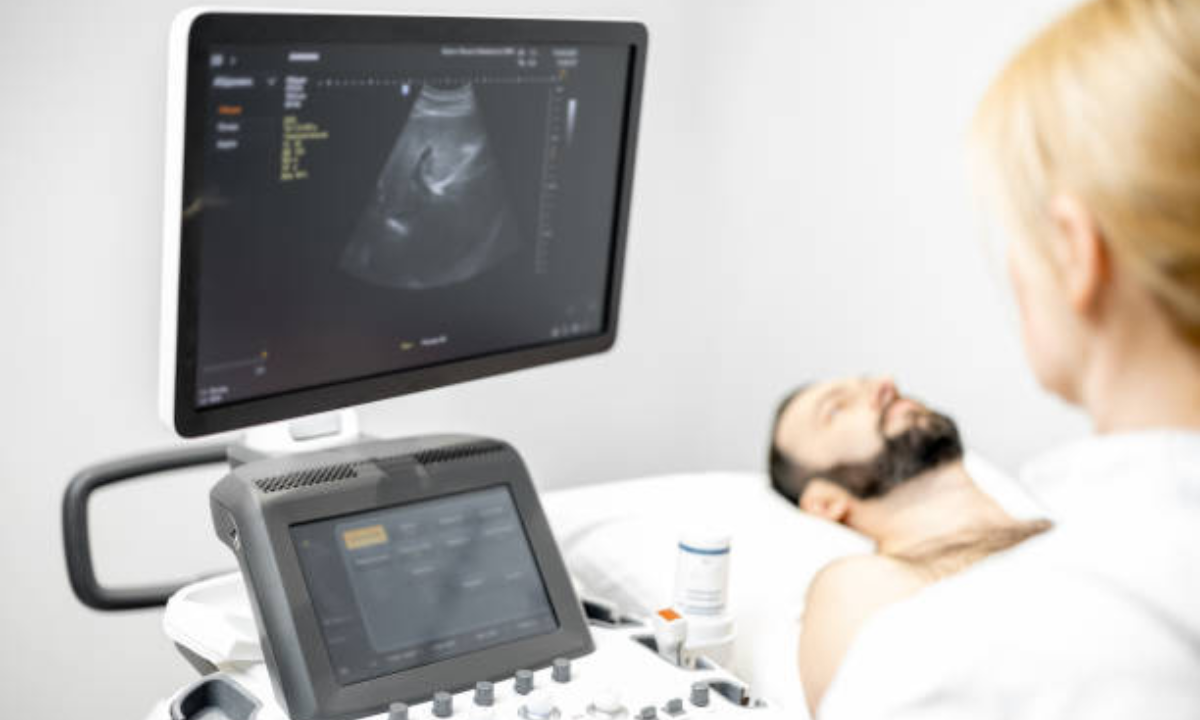
A liver ultrasound is a quick, painless imaging test used to examine the liver and surrounding organs. Doctors commonly recommend it to check the liver’s size, shape, and condition, as well as to detect diseases early. During the test, high-frequency sound waves create pictures of your liver. A small amount of gel is applied to your abdomen during the test. You won’t hear these sounds—what you’ll notice is the technician gently sliding a small device, called a transducer, across your abdomen.
Can ultrasound detect liver disease?
The most common question patients ask is: Can ultrasound detect liver disease? An ultrasound can reveal important features of liver conditions. Doctors often use it to look for fatty liver, cirrhosis, hepatitis-related changes, cysts, abscesses, tumors, and blockages in the bile ducts. With Doppler imaging, it can also evaluate blood flow through the liver’s major vessels. While ultrasound is very effective in detecting many liver problems, it may not identify very small tumors or early fibrosis. In such cases, your doctor may recommend further tests such as a CT scan, MRI, or a liver biopsy for confirmation.
What will a liver ultrasound show
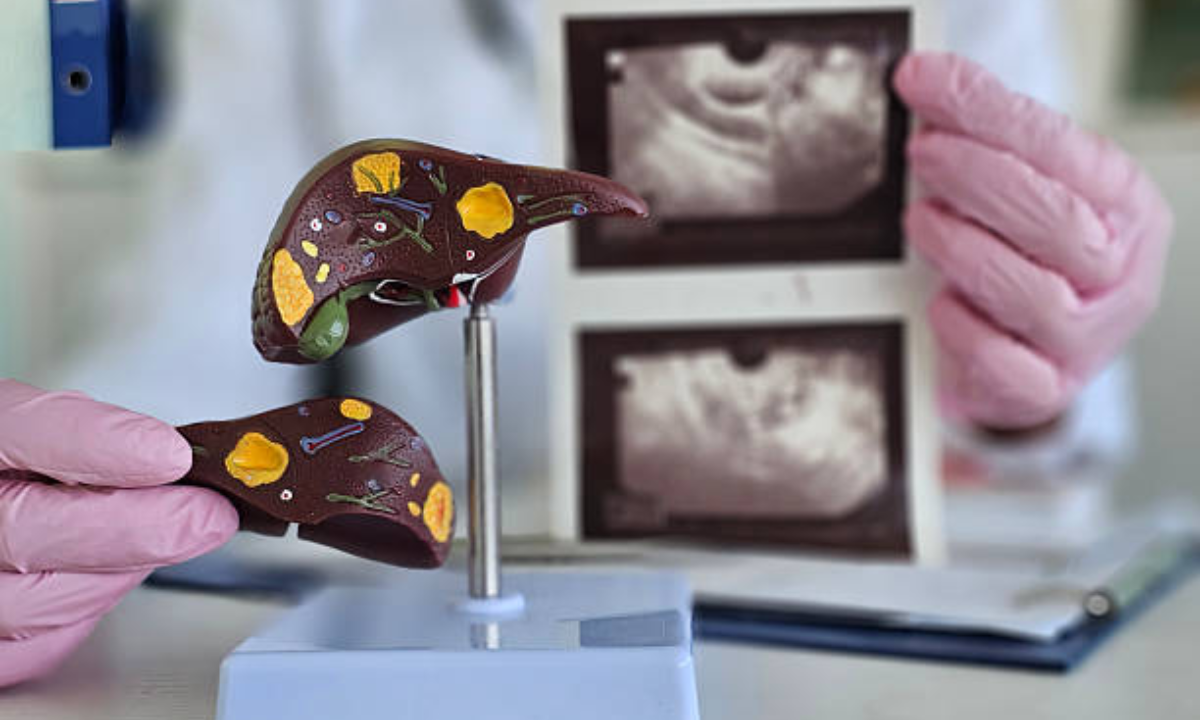
A liver ultrasound works much like an abdominal ultrasound and can reveal a great deal in just a short time. It allows doctors to examine the liver size, shape and textures, while also detecting changes such as fatty deposits, scarring, cysts, or abnormal growths that may need further evaluation. The scan also provides a view of the bile ducts and gallbladder to check for stones, swelling, or blockages, and it helps assess the spleen and nearby blood vessels. In simple terms, a liver ultrasound shows how your liver currently looks—its structure, blood flow, and overall condition—helping your doctor decide whether everything appears normal or if additional tests are necessary.
Why ultrasound liver
If you’re wondering “Why ultrasound liver,” there are several common reasons. This is because your doctor might see abnormal liver enzymes during a blood test, or you may experience pain in your right upper abdomen, or your risk factors may be diabetes, high cholesterol, alcohol consumption or hepatitis. It may also be applied as a follow-up after treatment, additional monitoring of a known liver precondition, or verification of specific results regarding a previous examination ultrasound.
Ultrasound is favored by clinicians since it is fast, available, and free of risk. Why not another test, so why an ultrasound liver? Very often, the right initial step. In case the ultrasound detects something that requires further examination, your provider may then order an alternative form of imaging or even other tests.
Procedure and Preparation Guide for Patients
What happens during the exam:
- After checking in, you’ll be taken to an exam room and asked to lie comfortably on your back or side.
- The sonographer will put some warm gel on your upper abdomen so that the transducer reaches the skin.
- The probe is scanned over your upper abdomen on the right side, and you are requested to breathe normally or temporarily accommodate breath-holds to get better images.
- Doppler can be applied to evaluate the flow of blood in the liver vessels.
- The whole procedure will normally take 16-30 minutes. It does not hurt; it only has a slight pressure. The painless part is that there is no downtime; you can go back to normal activities right after it.
To most individuals, it will feel like any other basic scan. A liver ultrasound is a painless, silent test requiring minimal preparation that takes only a few minutes and has the sonographer talk to you throughout so that you never feel left in the dark.
How to prepare (simple checklist)
- Fasting: There is a possibility that you have to go without food and water, between 6 and 8 hours before the scan. This depletes gas in the bowels, which assists with the appearance of the liver and gall bladder, which appear more distinct.
- Medications: On medications, you should take the regular medications with a little amount of water unless directed otherwise by a physician.
- Clothing: Wear a two-piece outfit in the sense that your upper abdomen should be accessible.
- Hydration: People should not abstain from water unless instructed otherwise; a little water is okay and can serve to ease discomfort.
- Records: Submit your past imaging reports, bloodwork reports, and a list of medications that you take.
- Questions: Remember any symptoms (where pain appears, when, with meals), any change of weight, or new medications to inform the doctor.
If you have ever had an abdominal ultrasound, preparation is nearly the same. The principal objective is the readiness of a clear view of the liver and the surrounding structures, which is attained with fasting.
After the scan: what to expect
- You are able to wash the gel and resume normal life immediately.
- A radiologist reads these and writes a report to your doctor, which usually takes 24-48 hours (depending on the facility).
- Your clinician will discuss plans and the future. In some cases, all is well, and additional testing is unnecessary. On other occasions, the findings can prompt imaging, laboratory tests, or lifestyle modifications to be suggested by the doctor.
Common limitations (and why that’s okay)
- Ultrasound images can be limited by bowel gas or body habitus.
- Nothing wrong with that, sound waves just don’t conduct well through gas or very deep tissues.
- In the case when the pictures are not crystal clear, your doctor might insist on doing other tests in order to have the best information.
Conclusion: A calm, clear first step toward answers
The first imaging test may feel like a big step, but an ultrasound is deliberately designed to be simple and stress-free. It is a quick, painless way to see how your liver looks and helps guide your care moving forward. Your ultrasound scan in Bangalore will go smoothly as long as you prepare with a simple checklist—bringing the right documents, following any fasting instructions, and knowing what to expect during this short and comfortable appointment.
In summary, the role of ultrasound is to highlight possible changes in the liver, while your physician will interpret the complete picture and explain the conclusions. So when you hear phrases like ‘what a liver ultrasound shows’ or ‘can ultrasound detect liver disease,’ remember that this test is a strong starting point—clear enough to reveal what matters and smart enough to indicate when more information is needed.
For a trusted Ultrasound scan in Bangalore, choose Koshikaa—book your appointment today to get started.