
Why You Can’t Afford to Skip a Full Body Checkup in Bangalore
Introduction In today’s fast-paced urban life, health often takes a backseat to hustle. With Bangalore’s ever-evolving tech scene, long commutes, and hectic schedules, it’s easy

Introduction In today’s fast-paced urban life, health often takes a backseat to hustle. With Bangalore’s ever-evolving tech scene, long commutes, and hectic schedules, it’s easy
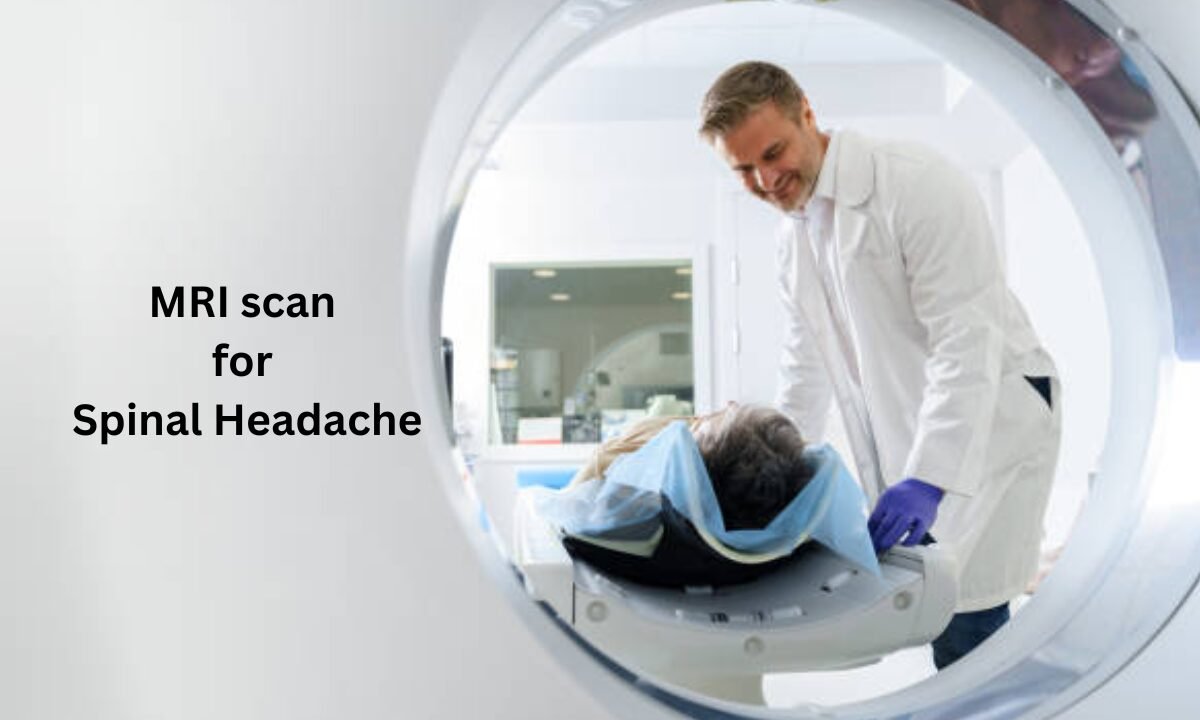
Knowing What Is a Spinal Headache For those who have had a severe headache right after a lumbar puncture or spinal anesthesia, it is often
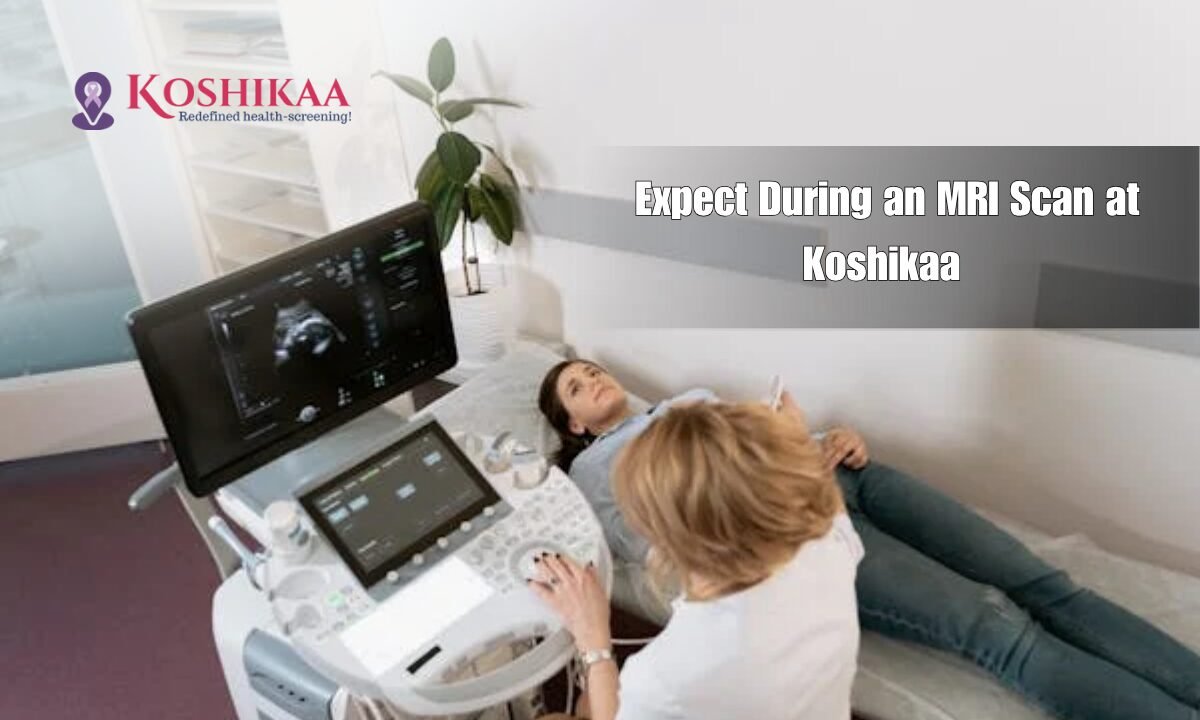
Introduction Undergoing an MRI scan can feel daunting, especially if it’s your first time. You might wonder: Is it painful? How long will it take?
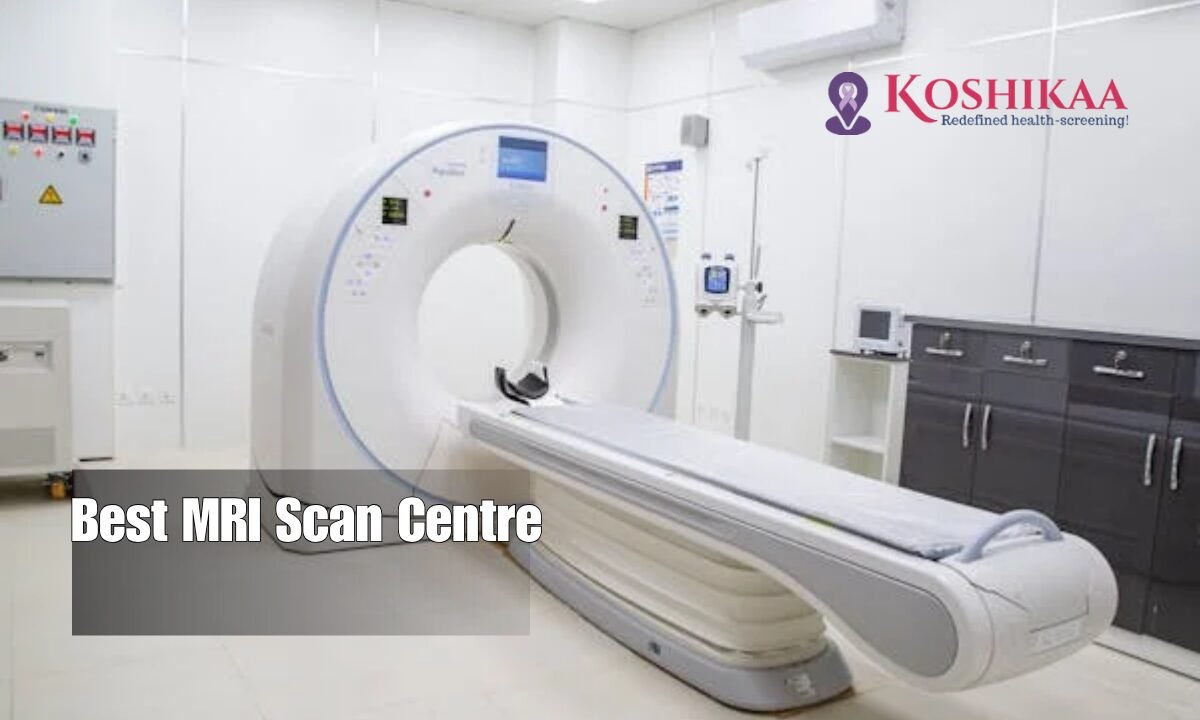
Introduction In a city like Bangalore, where medical options are plentiful and time is always ticking, choosing the right MRI scan centre is more than
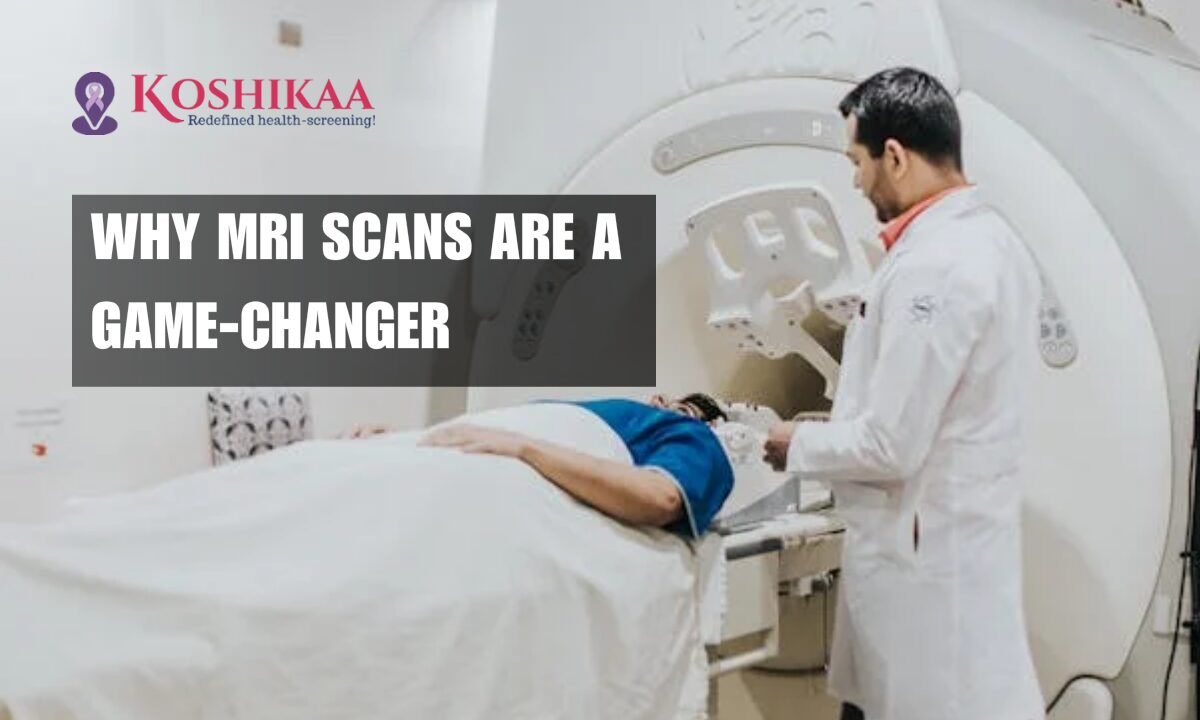
Introduction In a city like Bangalore, where fast-paced lives often sideline health, early disease detection is not just wise, it’s life-saving. Cancer, in particular, is
Introduction: Your Health, Your Comfort—Right at Home! Imagine getting a complete health checkup without leaving your home—no traffic, no waiting rooms, no stress. Sounds like
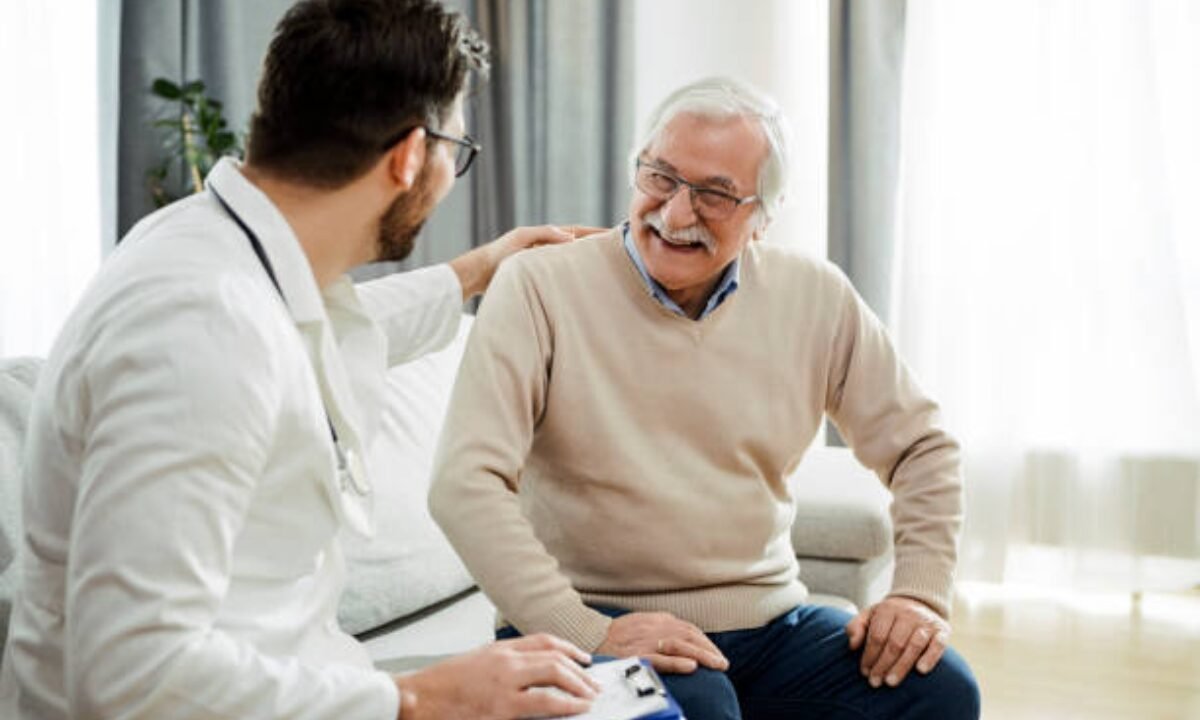
Ageing is beautiful, but it also demands attention, especially regarding health. As we grow older, our bodies require more care, and early detection can make
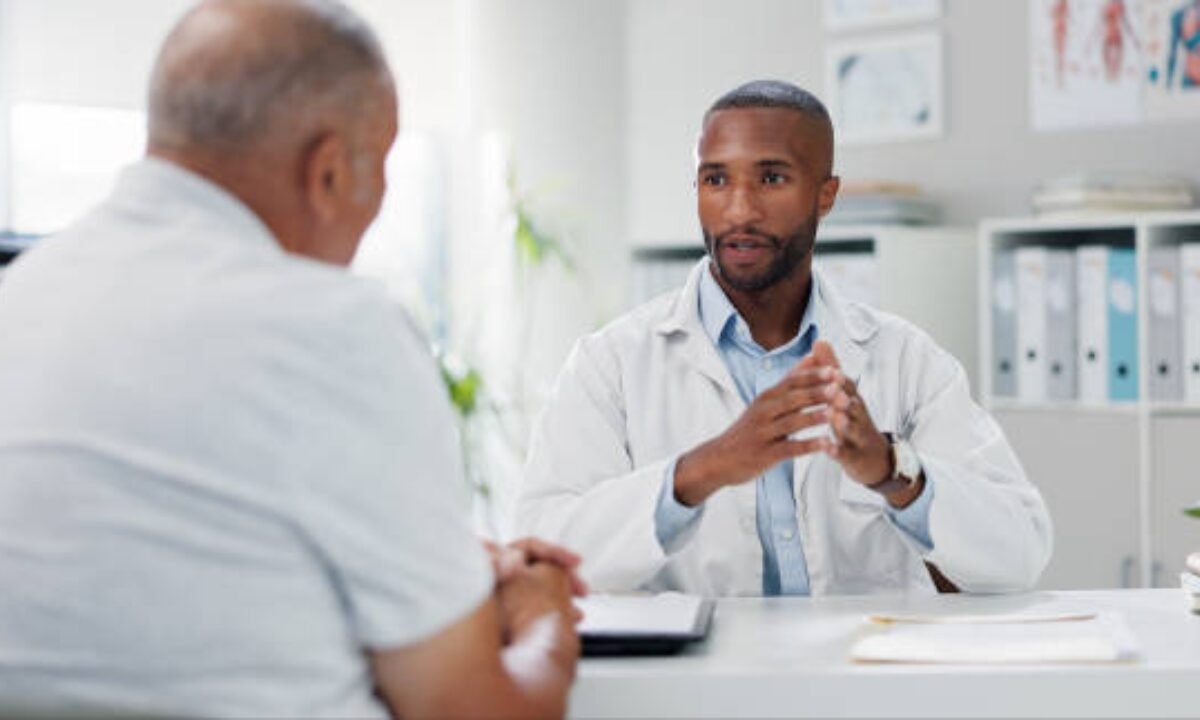
Introduction: In today’s high-paced world, health often takes a back seat—until something goes wrong. But what if you could detect health issues early and take
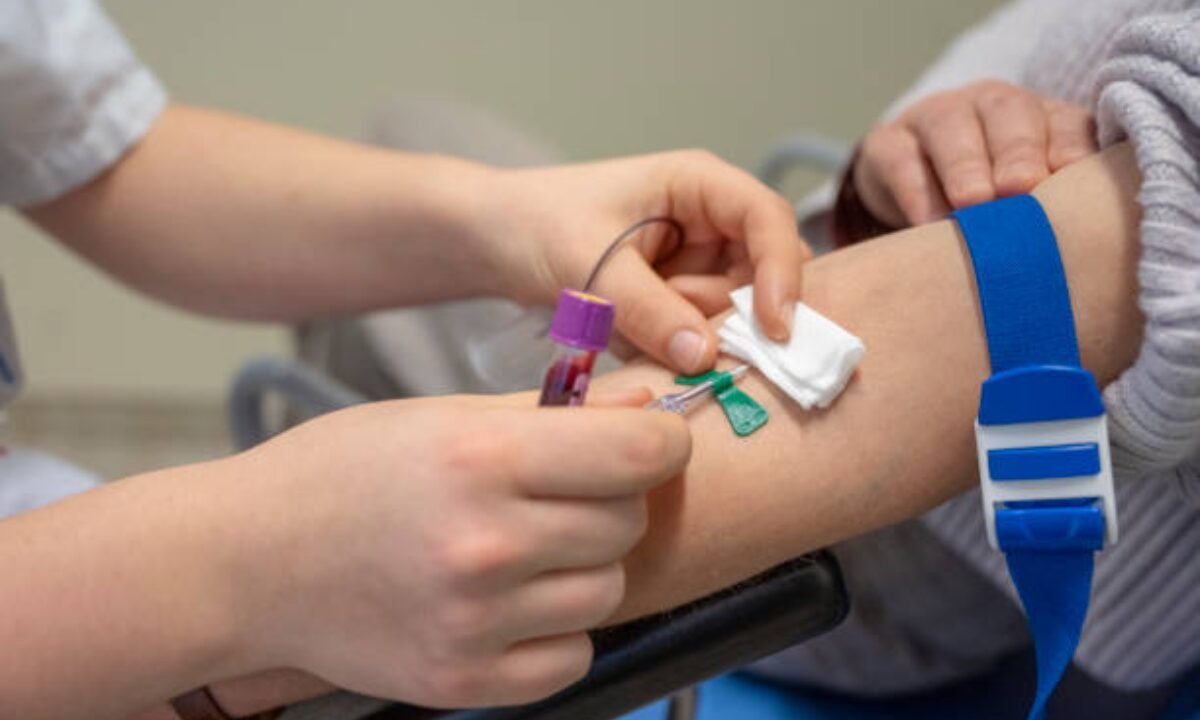
In your red blood cells, hemoglobin helps move oxygen from your lungs to all the other parts of your body. Every part of your body
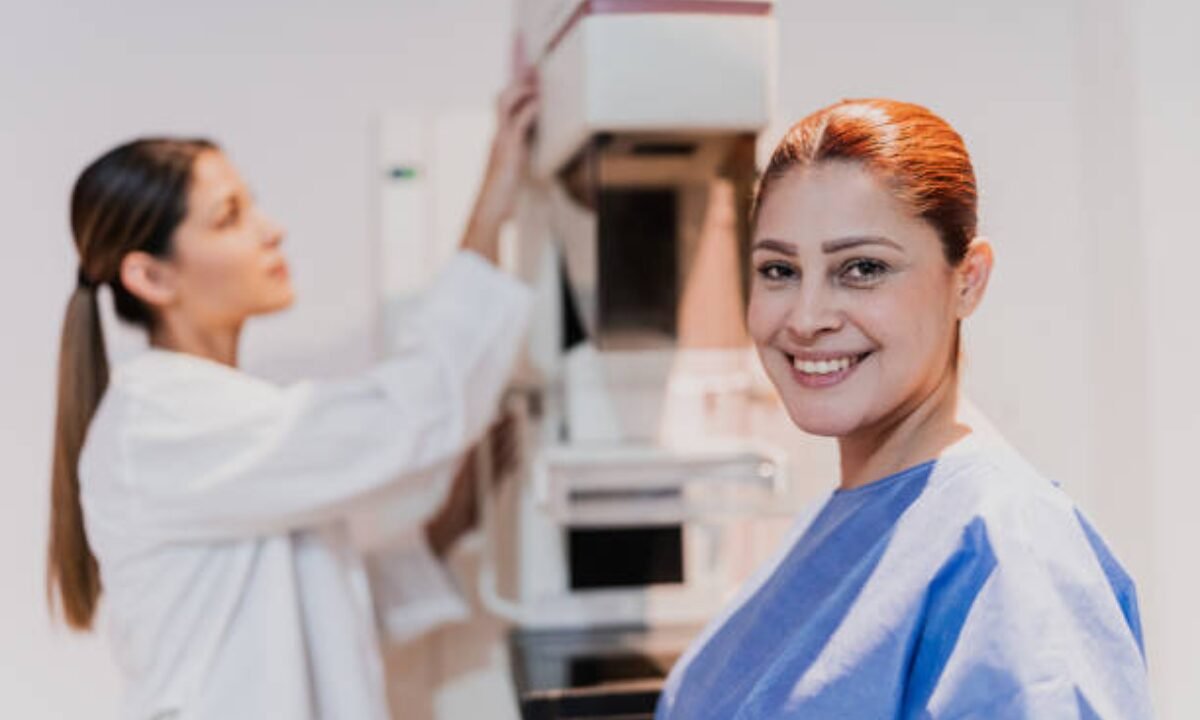
Early breast cancer detection depends heavily on mammogram as a valuable diagnostic instrument. Having first-time screening anxieties about the procedure is natural for anyone who