
Introduction
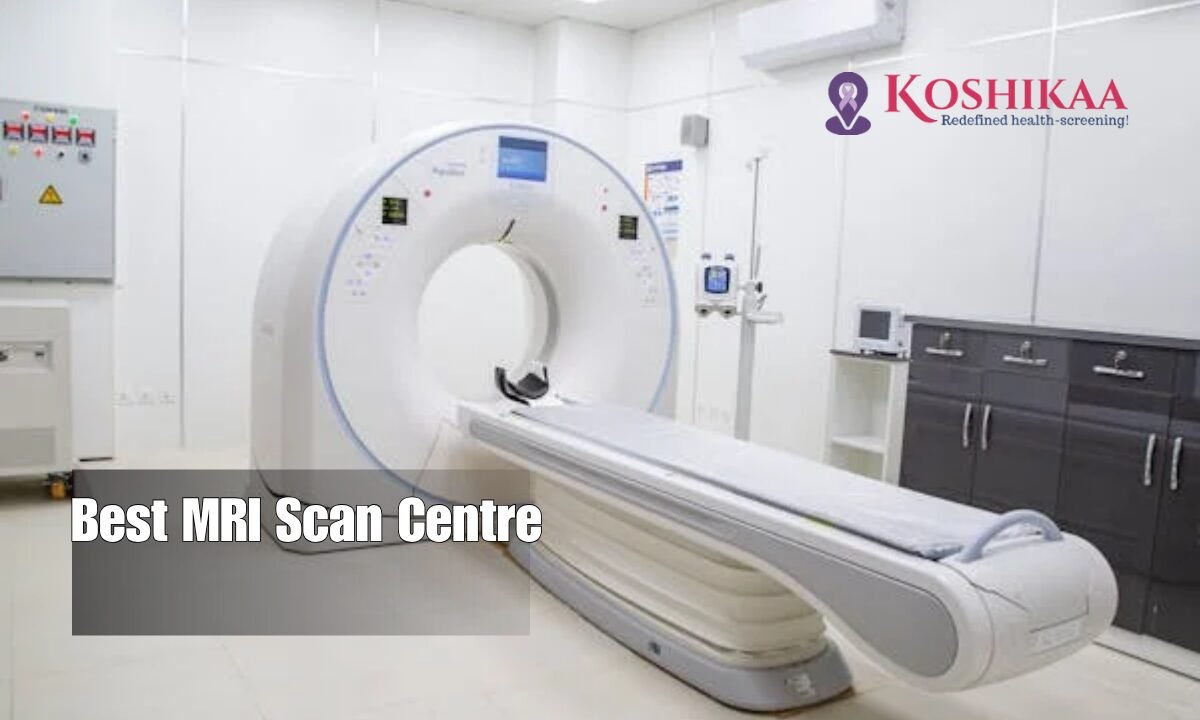
In a city like Bangalore, where medical options are plentiful and time is always ticking, choosing the right MRI scan centre is more than a health decision—it’s a strategic one. With the rise in demand for advanced diagnostics, finding a reliable and accurate MRI scan facility can directly impact the accuracy of your diagnosis, your peace of mind, and even your treatment plan.
This guide offers a step-by-step breakdown of everything you need to know when selecting the best MRI scan centre in Bangalore—from technology and staff expertise to pricing, safety standards, and turnaround times. Whether you’re a first-timer or seeking a better alternative, this blog will ensure your next diagnostic decision is a confident one.
Why It’s Crucial to Choose the Right MRI Scan Centre
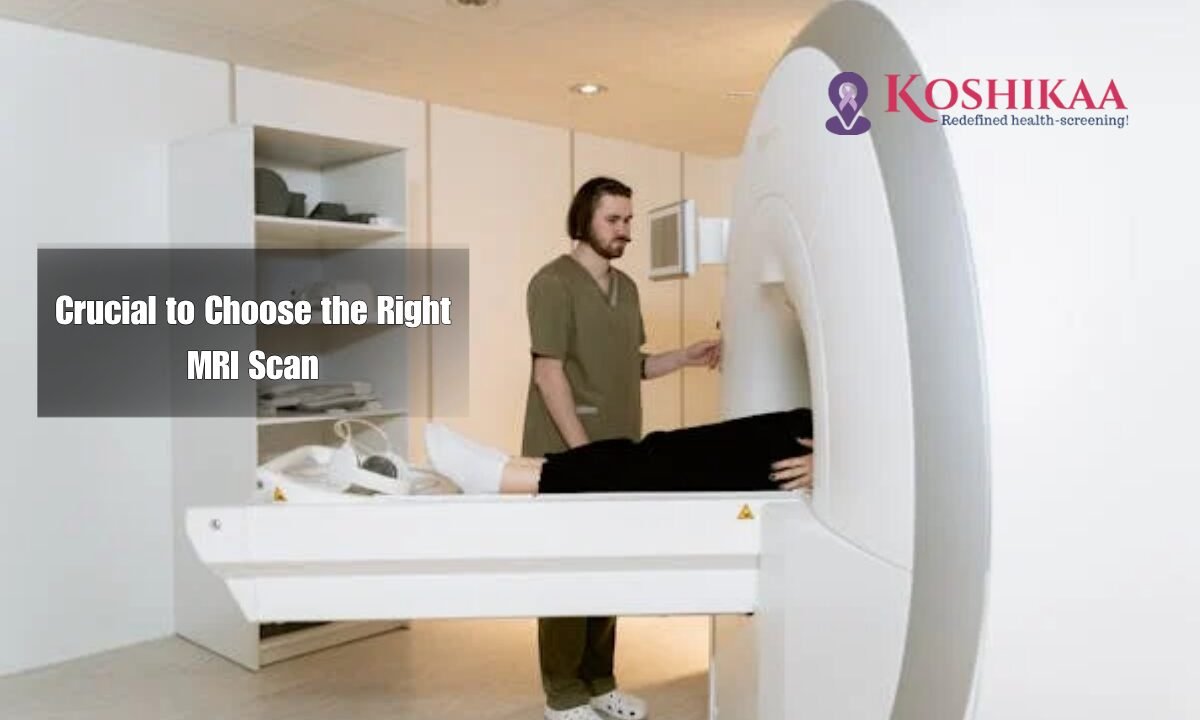
MRI (Magnetic Resonance Imaging) is one of the most advanced diagnostic tools in modern medicine. It captures high-resolution images of internal organs, soft tissues, and bones, often identifying problems that other scans might miss.
But here’s the catch: not all MRI centres are created equal.
The clarity of your scan, the interpretation of your results, and even your safety depend on the quality of the center you choose. A wrong choice could lead to misdiagnosis, delayed treatment, or unnecessary costs.
Frequently Asked Questions About Choosing an MRI Scan Centre in Bangalore
Q1: What should I look for in a good MRI centre?
- Accreditation and certifications
- Latest MRI technology (1.5T or 3T machines)
- Experienced radiologists and technicians
- Fast and reliable report delivery
- Transparent pricing
- Clean, safe, and patient-friendly environment
Q2: How much does an MRI scan typically cost in Bangalore?
The average MRI scan cost in Bangalore ranges between ₹3,500 to ₹12,000, depending on the body part and contrast usage.
Q3: Can I trust online reviews?
Yes, but always cross-verify with Google ratings, patient testimonials, and whether the centre has a dedicated support team for inquiries.
7 Key Factors to Help You Choose the Best MRI Scan Centre in Bangalore
1. Technology & Equipment
Look for centres equipped with 3 Tesla (3T) MRI machines. They offer higher resolution images and faster scan times. This matters significantly in complex cases like neurological or cancer diagnostics.
2. Qualified Radiologists & Support Team
An advanced machine is only as good as the professional operating it. Ensure the centre has certified radiologists with specialization in your condition area—neurology, orthopedics, cardiology, etc.
3. Turnaround Time
In critical cases, delays in reporting can affect your treatment. Choose a centre that offers report delivery within 12-24 hours, especially for urgent scans.
4. Transparency in Pricing
No one likes surprise bills. Opt for centres with clear, itemized billing, and if possible, ones that offer packages or combo scans for savings. Also, check whether insurance or corporate health cards are accepted.
5. Location and Accessibility
Traffic in Bangalore can be daunting. Ensure the centre is easily reachable, has ample parking, and ideally offers online booking and real-time slot availability.
6. Hygiene and Patient Comfort
MRI scans can be uncomfortable, especially for claustrophobic or elderly patients. Look for open MRI options, quiet scan modes, and a patient-first environment with clear pre-scan instructions.
7. Recommendations & Word-of-Mouth
Ask your doctor, friends, or colleagues about their experiences. A centre like Koshikaa, for instance, has built trust in Bangalore with its cutting-edge diagnostics, exceptional care, and consistent patient satisfaction.
Want to explore a top-tier facility? Visit Koshikaa’s MRI Scan in Bangalore to learn more about their advanced services.
Real Scenario: Choosing the Right Saved Time & Health
Take Priya’s story. A 38-year-old working mom, she needed an urgent spinal MRI after weeks of unexplained back pain. Her first scan at a local centre was blurry and inconclusive, leading to a misdiagnosis. She then chose a well-rated center with 3T MRI, experienced radiologists, and got accurate results within 6 hours. Her treatment began immediately, and she was back to work in a week.
Choosing the right centre saved her weeks of pain and confusion.
Red Flags to Avoid
- Outdated equipment or no mention of machine strength
- No online presence or very few genuine reviews
- Unclear pricing or pushy upselling
- Long wait times and delayed reports
- Lack of certified professionals on-site
Why Bangalore Residents Need This Guide
With healthcare options growing across the city, it’s easy to get overwhelmed by choice. This guide helps filter quality over advertising. A strong diagnostic foundation ensures accurate treatment and peace of mind—two things Bangalore’s busy lifestyle rarely offers.
And when you find a reliable MRI center, it becomes your go-to for future needs—saving you time, worry, and money in the long run.
Conclusion
Your health deserves more than a random pick from a Google search. By following this guide, you’re not only making an informed choice but also ensuring that the MRI results you receive are clear, reliable, and timely—just what your health journey needs.
Remember: The right MRI scan center in Bangalore isn’t the most expensive or most advertised—it’s the one that puts precision, people, and your peace of mind first.
Don’t wait for symptoms to escalate. Choose smart, safe and the right.
Explore trusted diagnostic excellence with Koshikaa’s MRI Scan in Bangalore today.