
This test evaluates different types of cells in your blood, such, as red blood cells, white blood cells, and platelets. It helps in diagnosing conditions like anemia, infection, and many other disorders.
LFTs measure levels of enzymes and proteins produced by the liver. These tests can help detect liver damage or liver disease and monitor the effect of medications that can affect the liver
This test measures all the cholesterol in your blood. High levels of cholesterol are associated with an increased risk of heart disease and stroke. It’s important for determining your overall risk for cardiovascular disease and guiding treatment to reduce this risk.
TFTs measure how well your thyroid is working and can detect too much or too little thyroid hormone. The thyroid regulates your body’s metabolism, so these tests can help explain symptoms like fatigue, weight gain, or weight loss.
These tests measure various parameters to assess how well your kidneys are filtering waste from your blood. Kidney function tests are crucial for detecting kidney damage or disease, which can often be silent until it is quite advanced.
Blood sugar tests measure how much glucose is in your blood. They are used to diagnose and monitor diabetes and can help manage diabetes treatment to prevent complications.
This includes tests for different chemicals in your urine. It can detect urinary tract infections, kidney disease, and other metabolic conditions like diabetes.
Routine screening through these tests is important for maintaining health, especially as it can help catch potential health issues before they develop into more serious conditions. They are particularly advised if you have risk factors such as a family history of certain diseases, are over a certain age, or have pre-existing health conditions.

Booked the basic health check-up here. It was quick, staff were welcoming, and I received a clear report that gave me peace of mind.
Asha L

Went for the basic check-up at Koshikaa. The process was efficient, no long waiting, and I got my results via email. Very satisfied.
Rahul V

Koshikaa’s basic health check-up was easy and affordable. The nurse explained the tests, the centre was clean, and I got everything done in one visit.
Geeta S

I booked the basic health check-up at Koshikaa. The process was smooth, staff was helpful, and I got my report on time. Good experience overall.
Sneha Kulkarni
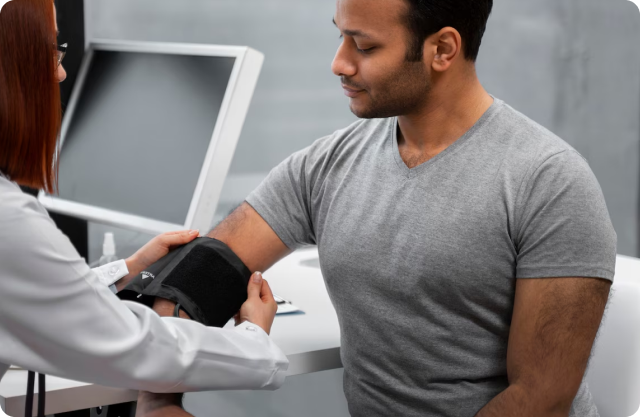
A basic health check-up typically includes a physical examination, blood pressure measurement, blood tests (such as complete blood count, blood sugar levels, lipid profile), urine analysis, and sometimes basic imaging tests like chest X-rays or an electrocardiogram (ECG).
The frequency of health check-ups depends on factors such as age, medical history, and risk factors. Generally, adults are advised to have a check-up every 1-2 years, but those with chronic conditions or higher risk factors may need more frequent evaluations.
Regular health check-ups help in early detection and management of health issues, prevention of diseases, monitoring of existing health conditions, and maintaining overall well-being. Early detection often leads to more effective and less invasive treatments.
Preparation for a health check-up may include fasting for 8-12 hours before blood tests, bringing a list of current medications, noting any symptoms or health concerns, and wearing comfortable clothing. It’s also helpful to have your medical history information handy.
During a health check-up, consider asking about your test results, any necessary lifestyle changes, vaccination updates, management of chronic conditions, and recommendations for preventive measures. It’s also important to discuss any specific health concerns or symptoms you may be experiencing.
Bone X-rays are essential for diagnosing fractures and assessing bone alignment, aiding doctors in developing treatment plans and monitoring healing progress. They provide detailed images of the skeletal system, helping identify abnormalities or injuries that may not be visible through other imaging techniques