

Women’s health needs change at different stages of life. A health checkup for women can help assess important areas such as blood health, diabetes, cholesterol, thyroid function, liver and kidney health, nutritional status and cardiovascular risk.
Women may also need age- and risk-specific screening for breast health, cervical health, reproductive health, bone health and other conditions.
There is no single set of tests that is appropriate for every woman. Age, family history, lifestyle, previous medical reports and individual health concerns can influence which investigations are suitable.
Koshikaa provides age-wise women’s health screening packages in Bangalore for women aged 30–40, 40–60 and above 60, with laboratory tests, imaging and other investigations depending on the package.
Explore Full Body Checkup in Bangalore
Why Should Women Get a Health Checkup?
Some health conditions can develop without obvious symptoms. Regular health screening can help identify abnormal results that may require further medical evaluation.
A women’s health checkup may assess:
- Blood health
- Blood sugar and diabetes risk
- Cholesterol
- Liver function
- Kidney function
- Thyroid function
- Nutritional status
- Cardiovascular health
- Breast health
- Cervical health
- Reproductive health
- Bone health
- Age-specific health risks
The appropriate tests can vary considerably between a woman in her 30s and a woman above 60.
What Tests Are Included in a Health Checkup for Women?
The exact test list depends on the package selected.
| Health Area | Common Tests |
| Blood health | CBC, haemogram, ESR |
| Diabetes | Fasting Blood Sugar, PPBS, HbA1c |
| Cholesterol | Lipid Profile |
| Liver | Liver Function Tests |
| Kidney | Kidney Function Tests |
| Thyroid | T3, T4, TSH and additional thyroid tests where included |
| Urine | Urine Routine and Microscopy |
| Nutritional health | Vitamin B12, Vitamin D, iron and calcium where included |
| Heart | ECG and other cardiac assessment where appropriate |
| Breast health | Mammogram where appropriate |
| Cervical health | Pap Smear/LBC |
| Pelvic health | Ultrasound or Transvaginal Ultrasound where included |
| Bone health | Bone-density assessment where appropriate |
| Additional screening | Age- and risk-specific investigations |
Koshikaa’s age-wise women’s packages become more comprehensive as the screening requirements change with age.
Essential Blood Tests for Women
Complete Blood Count
A Complete Blood Count (CBC) evaluates different components of blood, including haemoglobin, red blood cells, white blood cells and platelets.
It is commonly included in preventive health screening and can identify abnormalities that may require further evaluation.
Blood Sugar Tests
Diabetes screening may include:
- Fasting Blood Sugar
- Post-Prandial Blood Sugar
- HbA1c
These tests provide different information about blood glucose and can be used together as part of a broader metabolic assessment.
HbA1c
HbA1c provides an indication of average blood glucose levels over a longer period than a single blood sugar measurement.
It is commonly included in more detailed women’s health checkup packages.
Lipid Profile
A lipid profile commonly measures:
- Total cholesterol
- HDL cholesterol
- LDL cholesterol
- Triglycerides
- Other lipid parameters depending on the laboratory
Cholesterol testing is an important part of cardiovascular risk assessment for women.
Liver Function Tests
A liver function panel may include:
- Bilirubin
- SGOT/AST
- SGPT/ALT
- Alkaline phosphatase
- GGT
- Total protein
- Albumin
These tests provide information about liver-related markers and can help identify findings that may require further evaluation.
Kidney Function Tests
Kidney screening may include:
- Creatinine
- Urea
- BUN
- Uric acid
- Electrolytes where included
Kidney function becomes particularly important when monitoring women with diabetes, hypertension, existing kidney concerns or other relevant risk factors.
Thyroid Function Tests
Thyroid screening may include:
- TSH
- T3
- T4
- Free T3
- Free T4 where included
Thyroid disorders can occur at different stages of life, so thyroid testing may form part of a broader health assessment when appropriate.
Iron and Nutritional Health

Nutritional deficiencies can be relevant to women’s health, particularly when there are dietary risk factors, heavy menstrual bleeding, fatigue or other clinical concerns.
Depending on the package or clinical requirement, nutritional assessment may include:
- Iron studies
- Vitamin B12
- Vitamin D
- Calcium
These tests should be interpreted along with symptoms, medical history and other laboratory results.
PCOS and PCOD Screening
Polycystic ovary syndrome, commonly called PCOS, can affect menstrual cycles, hormones and metabolism.
A woman may need medical evaluation when she experiences concerns such as:
- Irregular menstrual cycles
- Acne
- Excess facial or body hair
- Unexplained weight changes
- Difficulty with ovulation
- Fertility-related concerns
PCOS is not diagnosed using one blood test alone. Assessment can involve medical history, menstrual history, physical evaluation, metabolic testing, hormone testing and ultrasound when clinically appropriate.
A general women’s health checkup should therefore not be described as a universal PCOS diagnostic test.
Breast Health Screening
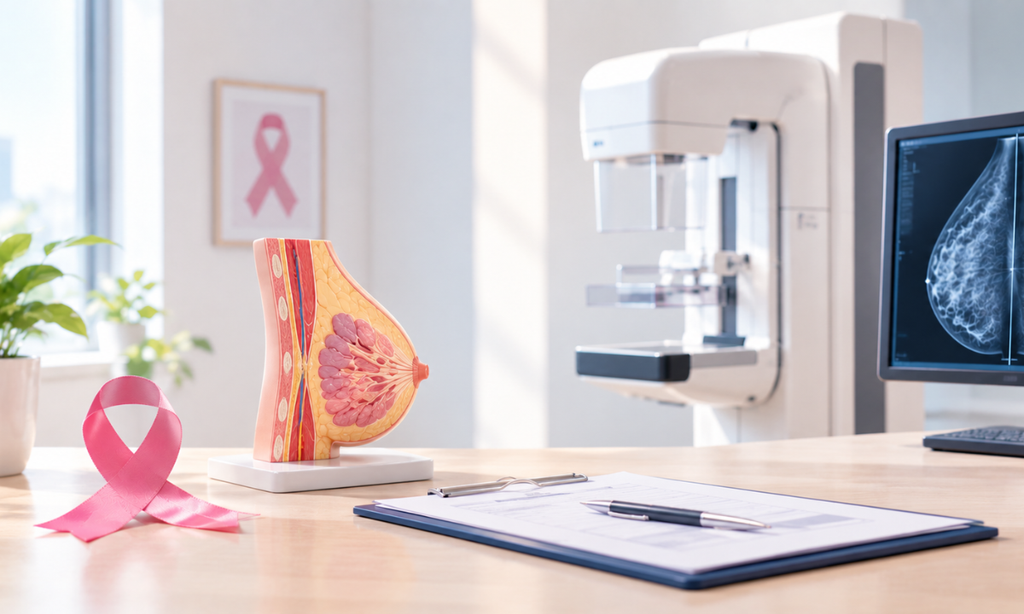
Breast health becomes an important part of women’s preventive care, particularly as age and individual risk change.
Mammogram
A mammogram uses low-dose X-rays to examine breast tissue.
Whether and when mammography is appropriate can depend on:
- Age
- Family history
- Personal medical history
- Previous breast findings
- Individual risk factors
Koshikaa includes mammography in its age-specific women’s screening packages.
Breast Awareness
Women should also be aware of changes such as:
- A new lump
- Changes in breast size or shape
- Skin changes
- Nipple changes
- Unusual discharge
- Persistent breast discomfort
Any concerning change should be discussed with a healthcare professional rather than waiting for the next routine checkup.
Cervical Health Screening
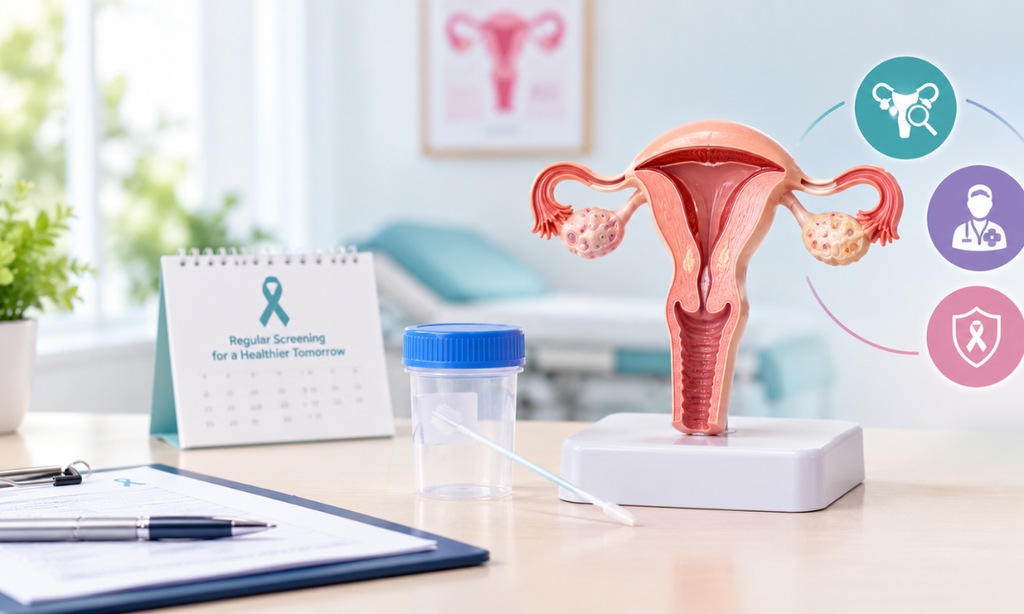
Pap Smear
A Pap smear examines cells collected from the cervix to identify abnormal cellular changes.
It is an important part of cervical cancer screening when appropriate.
Liquid-Based Cytology
Liquid-Based Cytology, or LBC, is a method used to prepare cervical-cell samples for examination.
Koshikaa includes LBC and Pap smear within its age-specific women’s screening packages.
HPV Testing
HPV testing may also form part of cervical cancer screening depending on age, screening guidelines and individual circumstances.
The appropriate screening method and frequency should be discussed with a healthcare professional.
Heart Health Checkup for Women
Heart health is important for women at every stage of adulthood.
A cardiovascular assessment may consider:
- Blood pressure
- Blood sugar
- HbA1c
- Lipid profile
- Weight and metabolic health
- Family history
- ECG where appropriate
Cardiovascular risk can change with age and around menopause, making ongoing assessment important.
Bone Health for Women
Bone health becomes particularly relevant as women approach and move through menopause.
Depending on age and risk factors, assessment may include:
- Calcium
- Vitamin D
- Bone mineral density testing
- Medical history
- Fracture-risk assessment
A bone-density scan is not automatically required for every woman. The need depends on age and individual risk factors.
Health Checkup for Women Aged 30–40
Women in their 30s can use preventive screening to establish a health baseline and monitor metabolic, hormonal and reproductive health.
Depending on individual requirements, screening may include:
- CBC
- Kidney function
- Liver function
- Thyroid function
- Fasting blood sugar
- HbA1c
- Lipid profile
- PPBS
- Urine analysis
- ECG
- Breast screening
- Cervical screening
- Abdominal ultrasound
- Other age- or risk-specific investigations
Koshikaa’s Women 30–40 Health Checkup currently includes a broader combination of laboratory tests, ECG, mammogram, ultrasound abdomen and Pap smear.
View Women’s Health Checkup for Age 30–40
Health Checkup for Women Aged 40–60
The 40–60 age group can involve changing cardiovascular, metabolic, reproductive and bone-health considerations.
A broader health assessment may include:
- CBC
- Diabetes screening
- Lipid profile
- Liver function
- Kidney function
- Detailed thyroid testing
- Urine analysis
- Breast screening
- Cervical screening
- Pelvic assessment where appropriate
- ECG
- Age-appropriate colorectal screening
- Other investigations based on individual risk
Koshikaa’s Women 40–60 Health Checkup includes a broader screening panel with mammography, transvaginal ultrasound, abdominal ultrasound, ECG and additional imaging and laboratory investigations.
View Women’s Health Checkup for Age 40–60
Health Checkup for Women Above 60
Women above 60 may require a more individualized preventive health assessment.
Important areas can include:
- Cardiovascular health
- Diabetes
- Cholesterol
- Kidney function
- Liver function
- Thyroid
- Breast health
- Bone health
- Nutritional status
- Age-appropriate cancer screening
- Other chronic health conditions
Koshikaa’s Women’s Health Checkup Above 60 provides its broadest age-wise women’s screening package, combining laboratory investigations with imaging and other health assessments.
View Women’s Health Checkup Above 60
Women’s Health Checkup During Menopause
Menopause is an important stage of women’s health because hormonal changes can be accompanied by changes in bone health, cardiovascular risk and metabolism.
A health assessment during and after menopause may consider:
- Blood pressure
- Cholesterol
- Blood sugar
- Bone health
- Vitamin D
- Calcium
- Weight and metabolic health
- Thyroid function where appropriate
- Breast screening
- Other age-appropriate screening
Not every woman needs extensive hormone testing simply because she is going through menopause. The appropriate tests depend on symptoms and clinical circumstances.
Health Checkup for Working Women in Bangalore
Women working in desk-based or demanding professional environments may experience long sitting periods, irregular meals, reduced physical activity and changes in sleep patterns.
A preventive health assessment can therefore include screening for:
- Blood sugar
- HbA1c
- Cholesterol
- Thyroid function
- Liver function
- Kidney function
- Nutritional deficiencies
- Weight and metabolic health
These tests should be selected according to individual health requirements rather than occupation alone.
Health Checkup for Women With a Family History
Family history can influence preventive screening decisions.
Women may need to discuss their screening requirements with a doctor if close family members have had:
- Breast cancer
- Ovarian cancer
- Colorectal cancer
- Diabetes
- Heart disease
- Thyroid disorders
- Other significant hereditary or familial conditions
Family history does not mean that a woman will necessarily develop the same condition, but it can influence individual risk assessment.
Full Body Checkup vs Women’s Health Checkup
A general full body checkup and a women’s health checkup can overlap, but their focus can differ.
| Full Body Checkup | Women’s Health Checkup |
| General preventive assessment | Women’s-specific preventive assessment |
| Blood and urine testing | Blood and urine testing plus female-specific screening |
| Metabolic and organ-function tests | Breast, cervical and reproductive health considerations |
| Suitable for general screening | Structured around women’s age and health needs |
| May have different package levels | Often includes age-specific screening |
The exact tests depend on the healthcare provider and package.
Women’s Health Checkup vs Master Health Checkup
The terms women’s health checkup and master health checkup do not have one standardized definition across all healthcare providers.
A women’s health package may focus on:
- Metabolic health
- Thyroid
- Heart health
- Breast health
- Cervical health
- Reproductive health
- Bone health
A master health checkup may combine a broader range of laboratory tests, imaging, cardiac investigations and consultations.
When comparing packages, look at the actual tests and services included rather than choosing based only on the package name.
How to Prepare for a Women’s Health Checkup
Preparation depends on the tests included in your package.
Common instructions may include:
- Follow the fasting instructions provided for your package.
- Drink plain water unless you are given different instructions.
- Take regular medicines only as advised by your doctor or screening centre.
- Bring previous medical reports.
- Inform the healthcare team about your medications and existing conditions.
- Follow the instructions for urine collection.
- Wear comfortable clothing for examinations and diagnostic tests.
- Follow specific preparation instructions for ultrasound or other imaging.
- Ask the centre about any special instructions for mammography, Pap smear or pelvic examinations.
For packages involving multiple investigations, Koshikaa provides preparation guidance when the appointment is confirmed.
What Happens During a Women’s Health Checkup?
A typical health screening process may include:
Registration → Medical History → Blood & Urine Collection → Diagnostic Tests → Imaging → Doctor Review → Reports
The exact sequence and duration depend on the selected package.
What Should You Do After the Health Checkup?
After receiving your reports:
- Review the results carefully.
- Compare them with previous reports when available.
- Discuss significant abnormalities with a doctor.
- Complete recommended follow-up tests if required.
- Keep your reports for future comparison.
- Follow any lifestyle or medical recommendations provided after the assessment.
A screening result outside the laboratory reference range does not automatically mean that a disease is present. Further evaluation may be needed.
Koshikaa Health Checkup Packages for Women in Bangalore
Koshikaa offers age-wise women’s health screening packages.
| Age Group | Koshikaa Women’s Health Checkup | Current Price |
| 30–40 | Women’s Health Checkup | ₹12,004 |
| 40–60 | Women’s Health Checkup | ₹17,237 |
| Above 60 | Senior Women’s Health Checkup | ₹31,637 |
The packages become broader according to age and include combinations of laboratory tests, imaging and women’s-specific screening.
View All Full Body Checkup Packages
Why Choose Koshikaa for Women’s Health Checkup in Bangalore?
Age-Wise Women’s Health Screening
Koshikaa provides separate screening packages for:
- Women 30–40
- Women 40–60
- Women above 60
This allows screening to be structured around different stages of adult women’s health.
Comprehensive Diagnostic Services
Koshikaa provides laboratory and diagnostic services covering blood and urine tests as well as imaging and other investigations.
Women’s-Specific Screening
Depending on age and package, Koshikaa’s women’s health screening includes investigations such as mammography, Pap smear, ultrasound and other age-specific assessments.
Doctor-Reviewed Reports
Koshikaa’s health checkup packages include doctor-reviewed reports, with soft and hard copy reports available.
Reports Within 24 Hours
Koshikaa’s age-wise women’s health screening pages currently state that reports are available within 24 hours.
Same-Day Appointments
Same-day appointments are available subject to slot availability.
Frequently Asked Questions
What tests are included in a health checkup for women?
Common tests include CBC, blood sugar, HbA1c, lipid profile, liver function, kidney function, thyroid testing and urine analysis. Depending on age and package, screening may also include mammography, Pap smear, ECG, ultrasound and other investigations.
What blood tests should women get regularly?
Common preventive tests include CBC, blood sugar, HbA1c, lipid profile, liver function, kidney function and thyroid testing. Additional tests depend on age, symptoms, medical history and risk factors.
What is included in a full body checkup for women in Bangalore?
A full body checkup may include blood, urine, diabetes, cholesterol, liver, kidney and thyroid testing. More comprehensive women’s packages may also include breast, cervical, cardiac and imaging investigations.
When should women start regular health checkups?
The appropriate timing depends on age, personal health history, family history and risk factors. Women can discuss an appropriate preventive screening schedule with their healthcare provider.
What tests should women above 40 consider?
Depending on individual circumstances, screening may include diabetes, cholesterol, thyroid, kidney and liver function, breast screening, cervical screening, cardiovascular assessment and age-appropriate cancer screening.
What health tests are important after menopause?
Depending on age and individual risk, health screening may include blood pressure, cholesterol, blood sugar, bone health, calcium, Vitamin D, breast screening and other age-appropriate investigations.
Does a women’s health checkup include a thyroid test?
Yes. Thyroid testing is included in Koshikaa’s age-wise women’s health screening packages.
Does a women’s health checkup include a mammogram?
Koshikaa’s age-specific women’s packages include mammography. The appropriate timing and frequency of mammography should depend on individual age and risk factors.
Is a Pap smear included in a women’s health checkup?
Yes. Pap smear and Liquid-Based Cytology are included in Koshikaa’s age-wise women’s health screening packages.
What tests are used for PCOS screening?
PCOS assessment can involve medical history, menstrual history, physical evaluation, metabolic testing, hormone testing and ultrasound where appropriate. There is no single blood test that diagnoses PCOS in every woman.
Do I need to fast before a women’s health checkup?
Some packages require fasting because they include tests such as fasting blood sugar and lipid profile. Follow the preparation instructions provided for your specific package.
How much does a women’s health checkup cost in Bangalore?
Koshikaa’s current age-wise women’s health checkup packages are ₹12,004 for women aged 30–40, ₹17,237 for women aged 40–60 and ₹31,637 for women above 60.
Book a Health Checkup for Women in Bangalore
Koshikaa provides age-wise women’s health screening designed around different stages of adult women’s health.
Women 30–40: ₹12,004
View Women 30–40 Health Checkup
Women 40–60: ₹17,237
View Women 40–60 Health Checkup
Women Above 60: ₹31,637
View Women Above 60 Health Checkup
Koshikaa
2nd Floor, 2227, 9th Main Road, Karesandra, Banashankari Stage II, Banashankari, Bengaluru, Karnataka 560070
Phone: +91 7996666106
Email: koshikaascreening@gmail.com
Final Takeaway
A health checkup for women should be based on age, health history, risk factors and individual screening needs, rather than simply choosing the package with the largest number of tests.
Routine screening may include CBC, blood sugar, HbA1c, lipid profile, liver and kidney function, thyroid and urine testing. Depending on age and individual requirements, women may also need breast, cervical, reproductive, cardiovascular and bone-health screening.
Koshikaa provides dedicated women’s health screening packages for 30–40, 40–60 and above 60, making it possible to choose a screening approach based on different stages of women’s health.