

Vitamin D deficiency is one of the most common yet often overlooked nutrient deficiencies today, especially among people living in cities with limited exposure to sunlight. While it is commonly associated with weak bones and muscle problems, the diseases due to deficiency of vitamin D can affect several areas of health, including immunity, metabolism, and heart health. Since vitamin D deficiency may not cause clear symptoms in its early stages, it can go unnoticed for a long time. A simple Blood test in Bangalore can help identify low vitamin D levels early, allowing you to take the right steps to manage your health.
Medical Disclaimer
This article is for general educational purposes only and is not a substitute for professional medical advice or diagnosis. Please consult a qualified doctor for personal health concerns.
1. Bone Disorders
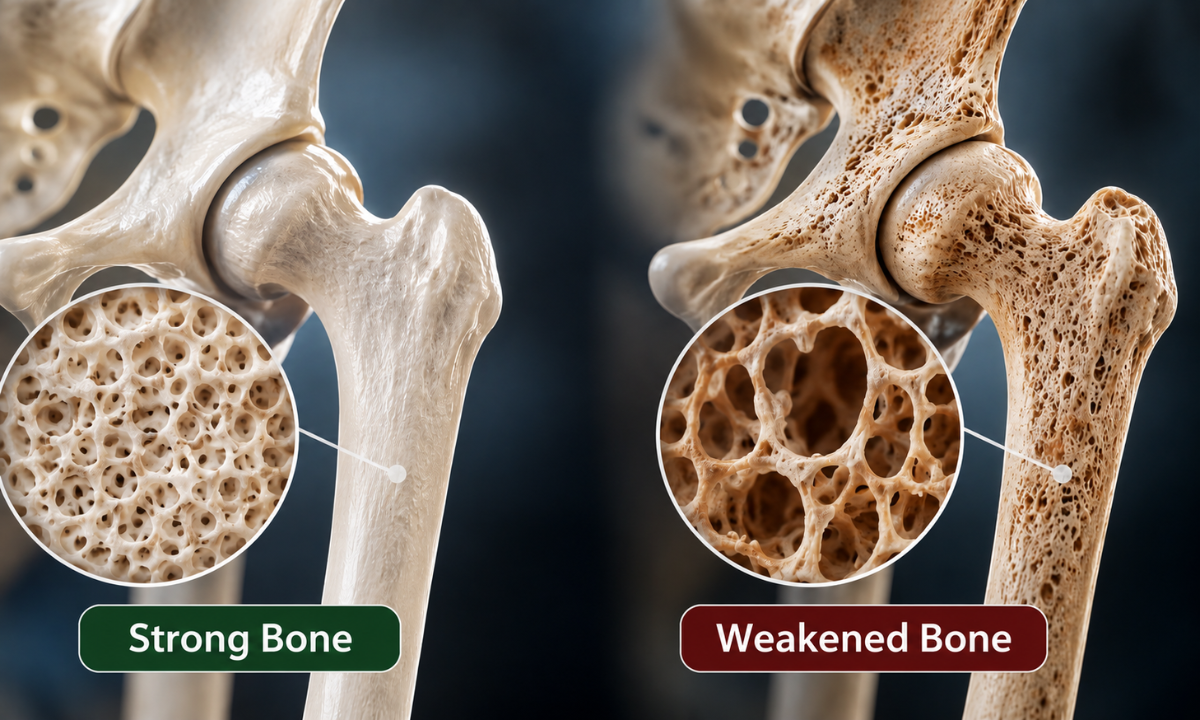
This is the most well-known effect of low vitamin D because vitamin D helps the body absorb calcium and phosphate. In children, severe deficiency can cause rickets, leading to soft, weak bones and problems such as bowed legs. In adults, it can cause osteomalacia (softening of the bones) and increase the risk of osteoporosis and fractures, especially in older adults and postmenopausal women. Long-term deficiency can also cause muscle weakness and increase the risk of falls.
2. Poor Metabolic Function
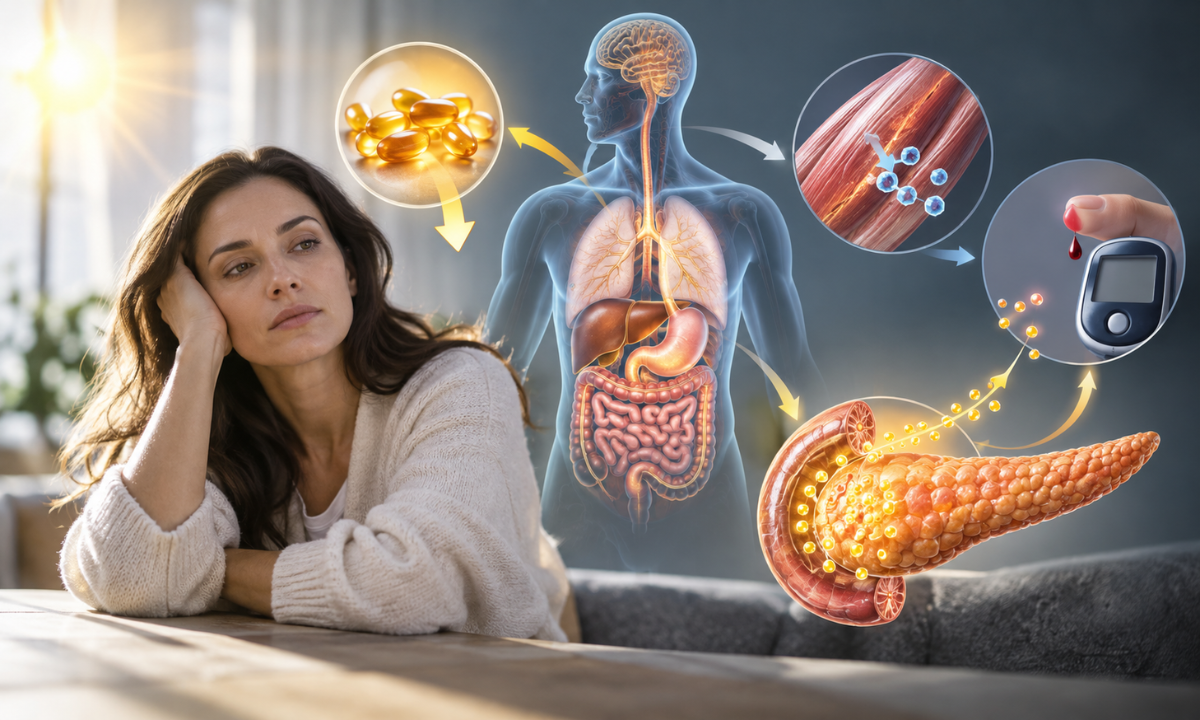
Research suggests that vitamin D deficiency may also affect metabolic health. Low vitamin D levels have been linked to insulin resistance, a higher risk of type 2 diabetes, and metabolic syndrome. Vitamin D may play a role in insulin production and blood sugar control, although researchers are still studying the exact relationship. Deficiency has also been associated with obesity, which can further increase metabolic health risks.
3. Autoimmune Diseases

Vitamin D plays an important role in supporting the immune system. Low vitamin D levels have been linked to several autoimmune conditions, including rheumatoid arthritis, multiple sclerosis, type 1 diabetes, and lupus. However, researchers are still studying whether correcting vitamin D deficiency can directly improve these conditions. For people with a family history of autoimmune diseases, keeping an eye on vitamin D levels may be helpful.
4. Heart Disorders
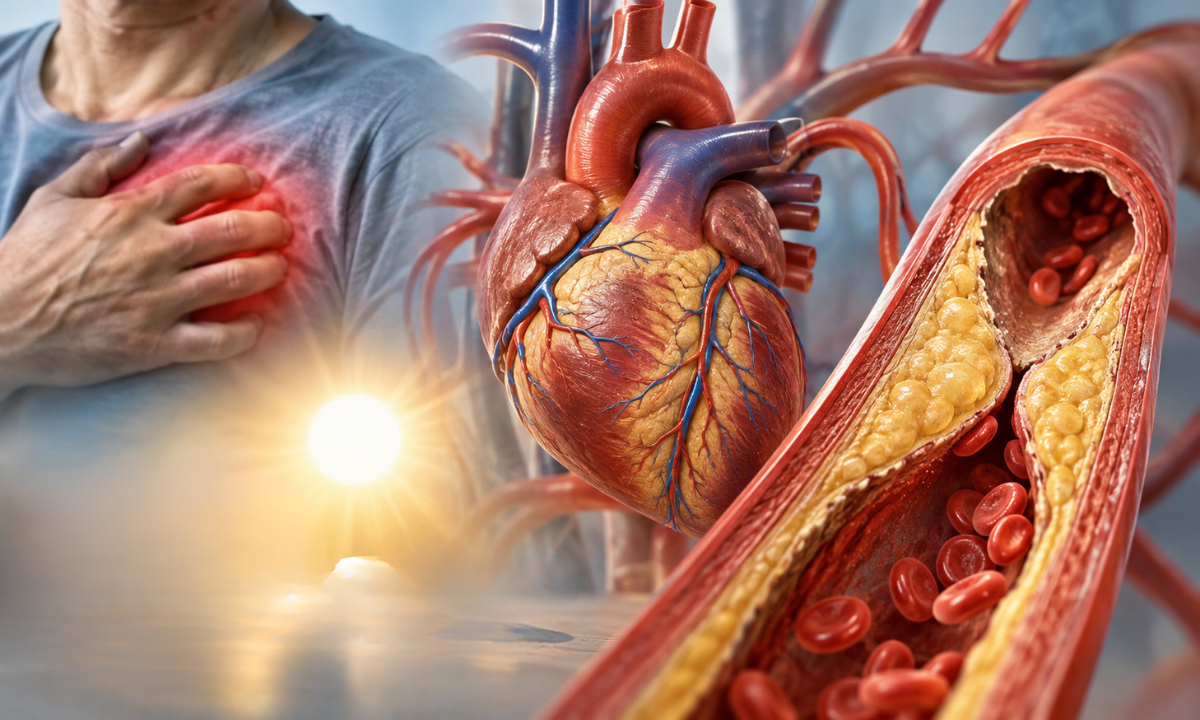
Several studies have linked vitamin D deficiency with heart problems, including high blood pressure, atherosclerosis, and cardiovascular disease. Low vitamin D may affect blood vessel function and increase inflammation, although research is still ongoing. While supplementation has not consistently been shown to reduce heart-related events, maintaining healthy vitamin D levels can still be part of supporting overall heart health.
Other Effects Worth Knowing
Vitamin D deficiency may also affect your overall health in several ways:
- Persistent fatigue – You may feel tired even after getting enough rest.
- Low mood – Low vitamin D levels have been linked with changes in mood.
- Delayed wound healing – Deficiency may affect how quickly wounds heal.
- More frequent infections – Low vitamin D may affect immune function and increase susceptibility to infections.
Because deficiency may not always cause clear symptoms, doctors may include vitamin D testing as part of routine health screening.
Why Get Tested for Vitamin D Deficiency
Vitamin D deficiency may not always cause clear symptoms, especially in the early stages. That is why testing is the best way to understand your actual vitamin D levels. A simple blood test that measures 25-hydroxyvitamin D can show whether your levels are low, insufficient, or within a healthy range. Based on the results, your doctor can suggest the right supplements or lifestyle changes.
Why Choose Koshikaa
As a trusted Health Screening Centre in Bangalore, Koshikaa offers accurate Vitamin D testing alongside our full range of preventive health panels, with physician-reviewed reports and fast turnaround, so you get clarity rather than just a number on a page.
Conclusion
The diseases due to deficiency of vitamin D can affect more than just bone health, with possible effects on metabolic, immune, and cardiovascular health. Since vitamin D deficiency can easily go unnoticed, getting tested is a simple way to understand your vitamin D levels and take the right steps for your health. If you have not checked your levels recently, consider booking a Vitamin D test with Koshikaa as part of your regular preventive health screening.
Frequently Asked Questions
1. What are the early signs of vitamin D deficiency?
Early deficiency often causes no clear symptoms. When signs do appear, they can include fatigue, bone or muscle pain, and low mood which is why testing is more reliable than symptom-watching alone.
2. Can vitamin D deficiency be reversed?
Yes, in most cases. Sun exposure, dietary changes, and doctor-recommended supplementation can restore healthy levels over weeks to months, depending on how low your levels are.
3. How is vitamin D deficiency diagnosed?
A simple blood test measuring 25-hydroxyvitamin D levels is the standard way to check your status and confirm whether you’re deficient, insufficient, or in a healthy range.
4. Who is most at risk of vitamin D deficiency?
People with limited sun exposure, darker skin, older adults, and those with certain digestive or kidney conditions are at higher risk, along with anyone spending most of their day indoors.
5. Does vitamin D deficiency directly cause heart disease or autoimmune conditions?
Not necessarily. Deficiency is strongly associated with these conditions in research, but a direct cause-and-effect relationship is still being studied. Maintaining healthy levels is considered a supportive, not standalone, measure.
6. How often should vitamin D levels be tested?
For most healthy adults, annual testing is reasonable, though your doctor may recommend more frequent checks if you’re being treated for a deficiency or have risk factors.