
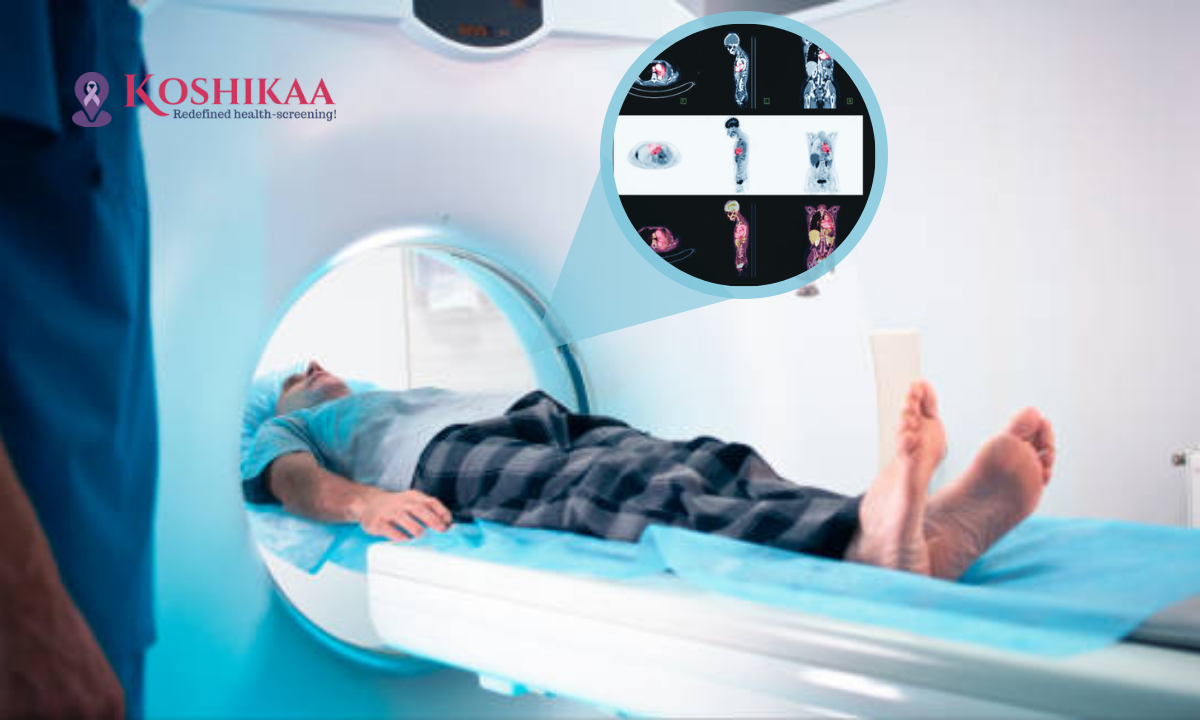
How Does a PET CT Scan Confirm Cancer?

Table of Contents

When facing a potential cancer diagnosis, getting accurate information quickly can be life-changing, and the PET CT scan has emerged as one of the most advanced imaging technologies for detecting and evaluating cancer. 

This powerful diagnostic tool combines two sophisticated imaging techniques to give doctors unprecedented insight into what’s happening inside your body at both structural and cellular levels.

If you are seeking a PET CT scan in Bangalore for cancer evaluation, understanding how this technology works can help you feel more confident about the process.

Let’s explore the science behind PET CT scans and discover why oncologists worldwide rely on them for accurate cancer diagnosis and treatment planning.

Understanding What a PET CT Scan Means
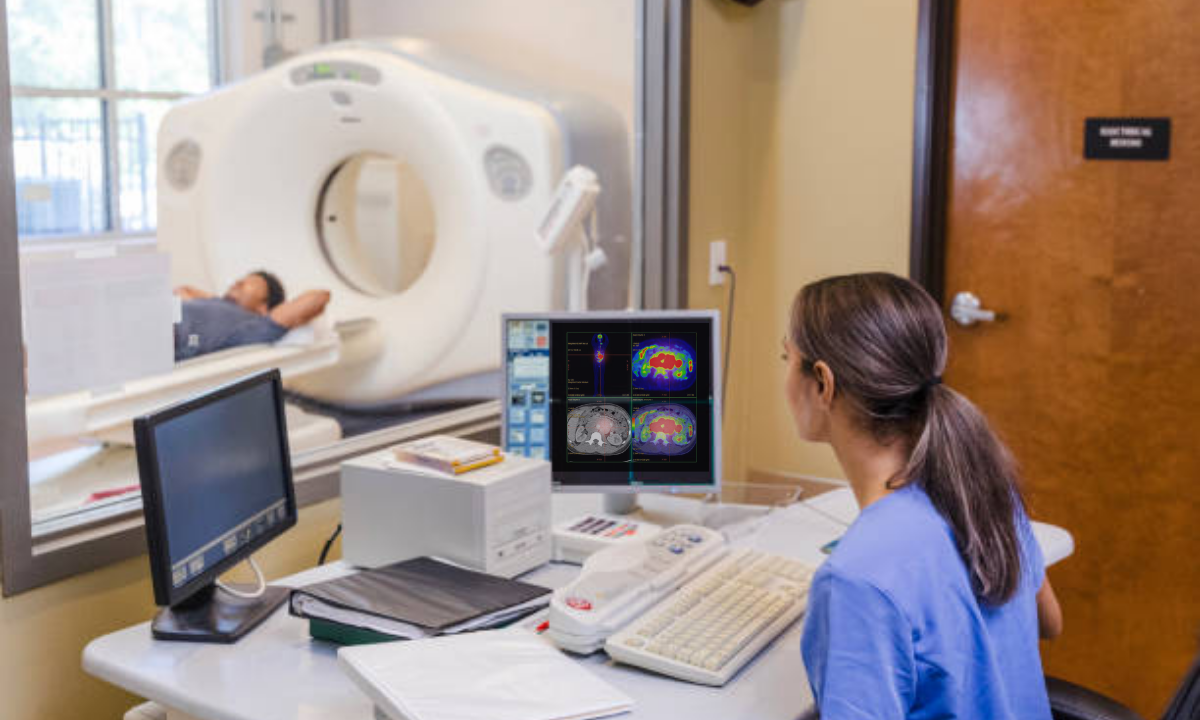
PET stands for Positron Emission Tomography, while CT means Computed Tomography.

A PET CT scan combines these two imaging technologies into a single, comprehensive examination.

The PET component detects metabolic activity and shows how your cells are functioning, while the CT component provides detailed anatomical images of your body’s structures.

Together, they create a complete picture that shows not only where abnormalities are located but also how active they are metabolically.

How the PET CT Scan Test Works

The PET CT scan test uses a special radioactive tracer, usually a form of glucose called FDG, to detect cancer cells.

Cancer cells grow and divide rapidly, which means they consume much more glucose than normal cells do.

When the radioactive tracer is injected into your bloodstream, it travels throughout your body and is absorbed by cells that use glucose.

Cancer cells, being highly metabolic, absorb significantly more of this tracer than normal cells.

The PET scanner detects the radiation emitted and creates images showing areas of high metabolic activity.

These “hot spots” on the scan often indicate the presence of cancer, though they can sometimes represent inflammation or infection.

The PET CT Scan Process Explained

Understanding the PET CT scan process helps reduce anxiety and ensures you’re properly prepared for the examination.

1. Preparation Phase

You’ll be asked to fast for 4-6 hours before the scan, though you can usually drink water.

Avoid strenuous exercise for 24 hours before the test, as physical activity can affect how the tracer distributes in your body.

Inform your doctor about any medications you’re taking, especially if you have diabetes, as blood sugar levels need to be controlled.

Wear comfortable, loose-fitting clothing without metal fasteners to the appointment.

2. Injection and Waiting Period

Once you arrive at the imaging centre, a small amount of radioactive tracer will be injected into your vein.

You’ll then rest quietly in a comfortable room for about 60-90 minutes while the tracer circulates through your body.

During this waiting period, it’s crucial to remain relaxed and avoid talking or moving excessively, as muscle activity can affect the scan results.

3. The Scanning Phase

You will lie on a padded table that slides into the PET CT scanner, which looks similar to a large doughnut.

The scan itself is completely painless and typically takes 30-45 minutes to complete.

You must remain very still during the scanning to ensure clear, accurate images.

The machine will make some noise, but you’ll be able to communicate with the technologist through an intercom if needed.

4. After the Scan

The radioactive tracer leaves your body naturally through urine within 24 hours.

Drinking plenty of water after the scan helps flush the tracer out more quickly.

You can usually resume normal activities immediately, though some centres recommend avoiding close contact with pregnant women and young children for a few hours.

Interpreting PET CT Scan Results

Understanding your PET CT scan results is crucial for planning the next steps in your healthcare journey.

A specialized radiologist or nuclear medicine physician analyses the images and prepares a detailed report for your oncologist.

1. What the Results Show

Areas of high tracer uptake (hot spots) appear brighter on the images and may indicate cancer.

The scan shows not just the primary tumor but also whether cancer has spread to lymph nodes or other organs.

PET CT scan results help determine the stage of cancer, which is essential for creating an effective cancer treatment plan.

2. Limitations to Consider

While highly accurate, PET CT scans can sometimes show false positives due to inflammation, infection, or recent surgery.

Very small tumors might not be detected because they don’t produce enough metabolic activity.

This is why doctors often combine PET CT findings with other diagnostic tests and biopsies for confirmation.

Role in Cancer Treatment Planning

PET CT scans play a vital role throughout the cancer treatment journey, not just at diagnosis.

1. Initial Diagnosis and Staging

They help determine the exact location, size, and spread of cancer, which is crucial for staging.

Accurate staging ensures patients receive the most appropriate cancer treatment for their specific situation.

2. Treatment Monitoring

PET CT scans are repeated during cancer treatment in Bangalore to assess how well the therapy is working.

They can detect changes in tumor metabolism before changes in size become apparent on regular CT scans.

This early feedback allows doctors to adjust treatment plans if needed, potentially improving outcomes.

3. Post-Treatment Surveillance

After completing treatment, PET CT scans help detect any remaining cancer cells or early recurrence.

They distinguish between scar tissue and active cancer, which regular imaging sometimes cannot do.

Choosing the Right Diagnostic Centre

  • When you need a PET CT scan in Bangalore, selecting a quality health screening centre in Bangalore is essential for accurate results.
  • Look for facilities with modern PET/CT equipment and experienced nuclear medicine specialists.
  • Check if the centre follows proper protocols for tracer preparation and patient safety.
  • Verify that they provide detailed reports promptly and maintain clear communication with your referring oncologist.
  • A good diagnostic centre will also explain the procedure thoroughly and address all your concerns before the scan.

Important Tips for Your PET CT Scan

Here are some practical tips to ensure your scan provides the most accurate results:

  • Follow all fasting instructions carefully, as eating can affect tracer distribution
  • Stay well-hydrated before and after the scan to help eliminate the tracer
  • Inform the staff about any anxiety or claustrophobia you experience
  • Bring a list of all medications you’re currently taking
  • Arrange for someone to accompany you if you feel anxious about the procedure

Final Thoughts

PET CT scans represent a remarkable advancement in cancer detection and monitoring, offering insights that were impossible just decades ago.

While the technology is sophisticated, the goal is simple: to give your medical team the most accurate information possible to guide your cancer treatment journey.

If you have been recommended a PET CT scan in Bangalore, remember that this test is a powerful tool that helps ensure you receive the most appropriate and effective care.

At Koshikaa, we understand the anxiety that comes with a cancer diagnosis and treatment, which is why we are committed to providing advanced diagnostic services with compassionate care and accurate results.

Understanding how PET CT scans work empowers you to be an active participant in your healthcare decisions.

Frequently Asked Questions

Q: Is a PET CT scan painful?

No, the scan itself is completely painless. You’ll only feel a small pinch when the tracer is injected, similar to any regular injection.

Q: How long does it take to get PET CT scan results?

Most facilities provide results within 24-48 hours. Your doctor will then discuss the findings with you and explain what they mean.

Q: Is the radiation from a PET CT scan dangerous?

The radiation exposure is minimal and considered safe for diagnostic purposes. The tracer’s radioactivity decays quickly and is eliminated within 24 hours.

Q: Can PET CT scans detect all types of cancer?

PET CT scans are highly effective for most cancers, but some slow-growing tumors or very small cancers may not be detected.

Q: How often can I have a PET CT scan?

The frequency depends on your specific medical situation. Your oncologist will determine the appropriate timing based on your treatment plan.

MRI of the uterus is primarily used for diagnosing and evaluating conditions such as uterine fibroids, adenomyosis, and malignancies. It is particularly useful in the planning of surgical procedures and assessing the extent of gynecological diseases. This imaging test is valuable for its ability to deliver detailed cross-sectional images of the uterus and surrounding structures.
An MRI of the spleen can help diagnose various disorders affecting the spleen including splenomegaly (enlarged spleen), tumors, and other abnormalities. It provides clear, detailed images that are crucial for assessing the health of the spleen and planning potential surgical interventions.
Prostate MRI is a non-invasive imaging technique that provides detailed pictures of the prostate gland and surrounding tissues. It helps in the detection, staging, and monitoring of prostate cancer. Prostate MRIs are increasingly used to guide biopsy procedures and assist in the planning of treatment strategies for prostate health.
An MRI of the pancreas is used to identify issues such as pancreatitis, pancreatic cancer, and other pancreatic disorders. It offers high-resolution images that help in detecting small lesions and assessing the pancreatic ducts. This imaging technique is valuable for guiding biopsies and planning surgeries involving the pancreas.
MRI scans of the liver, kidney, and bile ducts provide detailed images that help diagnose various conditions, such as tumors, cysts, and blockages in the bile ducts. They are crucial for assessing organ damage, staging cancer, and planning liver or kidney-related surgeries. This type of MRI can also evaluate the health and function of these organs comprehensively.
Breast MRI is highly sensitive for detecting breast cancer, especially in individuals with dense breast tissue or a high risk of cancer. It is often used in conjunction with mammography to provide a more comprehensive evaluation. Breast MRIs can also monitor the response to breast cancer treatments and provide detailed pre-surgical mapping.
Brain and spine MRIs are critical tools for diagnosing and monitoring neurological conditions, including tumors, spinal cord injuries, and multiple sclerosis. These MRIs can reveal abnormalities in brain tissue and spinal cord structure that might not be visible with other imaging methods. They are essential for planning surgeries and assessing the effectiveness of treatments in neurology.
PET-CT scans of transplant organs like the liver, kidney, or pancreas are performed to assess metabolic activity, detect complications, and monitor post-transplant function. These scans play a vital role in the early detection of issues such as organ rejection, recurrence of disease, or infection, guiding timely interventions and optimizing transplant outcomes for patients.
PET-CT examinations of organs such as the liver, kidney, or prostate are crucial for assessing metabolic activity, detecting abnormalities, and monitoring disease progression. These scans help diagnose conditions such as liver metastases, renal cell carcinoma, or prostate cancer, guiding treatment decisions and monitoring response to therapy over time.
PET-CT scans of soft-tissue masses are utilized to assess metabolic activity and detect malignant tumors or other abnormalities. By combining PET imaging with CT imaging, these scans provide detailed information about tumor location, size, and metabolic characteristics, aiding in accurate diagnosis and treatment planning for soft-tissue cancers.
PET-CT scans are valuable for detecting cysts or fluid collections within the body, including cysts in the liver, kidneys, or other organs. These scans help characterize the nature and metabolic activity of cysts, guiding diagnosis and treatment planning for conditions such as cystic liver disease, renal cysts, or pancreatic cysts.
PET-CT scans of muscles are performed to assess metabolic activity and detect abnormalities such as inflammation, infection, or tumors. These scans provide valuable information about muscle function and pathology, aiding in the diagnosis and management of conditions like myositis, muscular dystrophy, or soft-tissue sarcomas.
PET-CT scans of the brain are utilized to evaluate brain metabolism and detect abnormalities such as tumors, epilepsy, or neurodegenerative diseases. By combining functional PET imaging with anatomical CT imaging, these scans offer comprehensive information about brain function and structure, guiding neurosurgical interventions and treatment decisions for neurological disorders
PET-CT scans of bones are commonly used to detect bone metastases in cancer patients, assess bone health in conditions like osteoporosis, and evaluate response to treatment. By combining PET and CT imaging, these scans provide detailed information about metabolic activity and anatomical changes in bone structures, aiding in accurate diagnosis and treatment planning for various bone-related conditions.
CT scans of the spine are conducted to assess the vertebrae, spinal cord, and surrounding soft tissues for conditions like herniated discs, spinal fractures, or spinal stenosis, aiding in the diagnosis and management of spinal disorders with detailed imaging essential for surgical planning and intervention.
CT scans of the pelvis are utilized to visualize the pelvic bones, reproductive organs, bladder, and surrounding structures for conditions such as fractures, tumors, or pelvic inflammatory disease, guiding treatment plans and surgical interventions with precise anatomical information.
CT scans of the neck are performed to evaluate structures such as the throat, thyroid gland, lymph nodes, and blood vessels for abnormalities like tumors, infections, or injuries, assisting in diagnosis and management of head and neck disorders with detailed imaging.
CT scans of the extremities are employed to assess bones, joints, and soft tissues in the arms or legs, aiding in the diagnosis of fractures, arthritis, or other musculoskeletal conditions, guiding orthopedic treatment and rehabilitation plans for optimal recovery.
CT scans of the chest are utilized to examine the lungs, heart, blood vessels, and surrounding structures for conditions such as lung nodules, pneumonia, or pulmonary embolism, facilitating accurate diagnosis and management of respiratory and cardiovascular diseases.
CT scans of the brain are conducted to assess brain structures, identify abnormalities like tumors, hemorrhages, or strokes, and aid in diagnosing neurological conditions, guiding neurosurgical interventions and treatment strategies with precise imaging of the brain’s anatomy.
CT scans of the abdomen are performed to visualize and evaluate the internal organs such as the liver, kidneys, pancreas, and intestines for conditions like tumors, infections, or injuries, providing detailed images essential for diagnosis and treatment planning.
Transplant organ ultrasound scans, including those of the liver, kidney, or pancreas, are performed to assess organ viability, detect complications, and monitor post-transplant function. These scans play a vital role in the early detection of issues such as organ rejection, vascular complications, or fluid collections, guiding timely interventions and optimizing transplant outcomes for patients.
Ultrasound examinations of organs such as the liver, kidney, or prostate are crucial for assessing organ structure, detecting abnormalities, and monitoring disease progression. These scans help diagnose conditions such as liver cirrhosis, kidney stones, or prostate enlargement, guiding treatment decisions and monitoring response to therapy over time.
Soft-tissue masses can be evaluated using ultrasound to determine their size, location, and characteristics. Ultrasound imaging helps differentiate between benign and malignant masses, guiding further diagnostic evaluation and treatment planning. By providing real-time imaging, ultrasound assists in the precise localization of soft-tissue masses for biopsy or surgical removal if needed.
Ultrasound scans are valuable for detecting cysts or fluid collections within the body, including cysts in the liver, kidneys, or other organs. These scans help characterize the nature and size of cysts, aiding in diagnosis and treatment planning for conditions such as cystic liver disease or renal cysts, and guiding interventions such as cyst drainage or sclerotherapy.
Musculoskeletal ultrasound scans are used to assess the health and integrity of muscles, identifying issues such as strains, tears, or muscle inflammation. These scans provide detailed images of muscle structures, allowing healthcare providers to diagnose muscle injuries accurately and develop personalized rehabilitation plans to promote recovery and restore function.
Ultrasound examinations of joints are essential for evaluating joint health, detecting abnormalities such as inflammation, fluid accumulation, or cartilage damage. By visualizing the joint structures in real-time, ultrasound helps diagnose conditions like arthritis, bursitis, or ligament injuries, guiding treatment decisions and monitoring disease progression over time.
Ultrasound scans of tendons are performed to assess for injuries, inflammation, or tears, aiding in the diagnosis and management of conditions such as tendonitis or tendon tears. These scans provide detailed images of tendon structures, helping healthcare providers determine the extent of damage and plan appropriate treatment strategies, including physical therapy or surgical intervention if necessary.
Pelvis X-rays play a crucial role in diagnosing injuries, diseases, and developmental conditions affecting the pelvic region. They provide detailed images of the hip bones, sacrum, and coccyx, aiding in the assessment of fractures, dislocations, or signs of arthritis. Pelvic X-rays are instrumental in guiding surgical interventions, monitoring healing progress, and evaluating conditions such as osteoporosis or tumors. By providing precise anatomical information, these imaging studies enable healthcare professionals to deliver personalized care and improve patient outcomes.
Teeth X-rays, known as dental radiographs, are indispensable tools for dentists to assess oral health. They aid in diagnosing dental decay, gum disease, and abnormalities in tooth structure or alignment. These images provide valuable insights into hidden dental issues, allowing for early intervention and prevention of complications. Additionally, dental X-rays are essential for planning treatments such as orthodontics, root canals, or dental implants, ensuring optimal outcomes and patient satisfaction.
Spine X-rays are pivotal in diagnosing spinal fractures, degenerative conditions, and spinal misalignments, providing critical information for treatment planning and monitoring spinal health. They offer detailed images of the vertebrae and surrounding structures, enabling healthcare professionals to identify issues such as scoliosis, disc herniation, or spinal stenosis
Skull X-rays are valuable for detecting fractures, assessing head trauma, and evaluating the alignment of facial bones, crucial in diagnosing conditions like fractures, tumors, or developmental abnormalities in the skull. They provide detailed views of the cranial structure, aiding clinicians in determining appropriate treatment strategies and ensuring patient safety.
For the heart, X-ray solutions can aid in the detection of various cardiac problems, ranging from mild to severe, including – Heart failure, Cardiac congestion and other heart-related conditions. In addition to cardiac assessments, X-ray solutions are also used for breast examinations to identify tumors or signs of breast cancer.

Bone X-rays are essential for diagnosing fractures and assessing bone alignment, aiding doctors in developing treatment plans and monitoring healing progress. They provide detailed images of the skeletal system, helping identify abnormalities or injuries that may not be visible through other imaging techniques

Abdominal X-rays are performed when patients experience symptoms such as significant nausea, ongoing vomiting, abdominal pain, flank or back pain, or abdominal swelling. These X-rays can help diagnose various conditions.

Frequently Booked Tests

Frequently Booked Checkups