
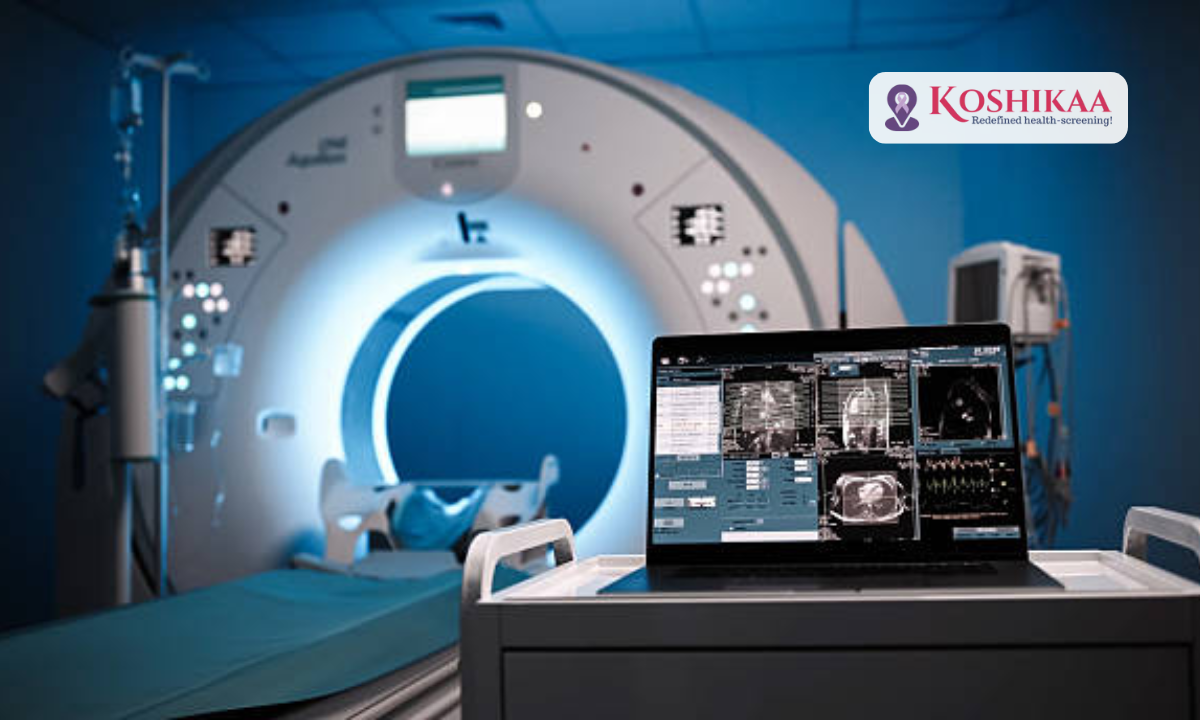
Medical imaging has revolutionized how doctors diagnose and treat various health conditions, and the CT scan is among the most powerful diagnostic tools available today. Whether you have been recommended this test or are simply curious about what it involves, understanding the basics can help ease any concerns.
If you are looking for a CT scan in Bangalore, knowing what to expect from this procedure is essential for your peace of mind and preparation.
Let’s explore everything you need to know about CT scans, from what they are to how they work and what your results might mean.
Understanding the CT Scan Definition
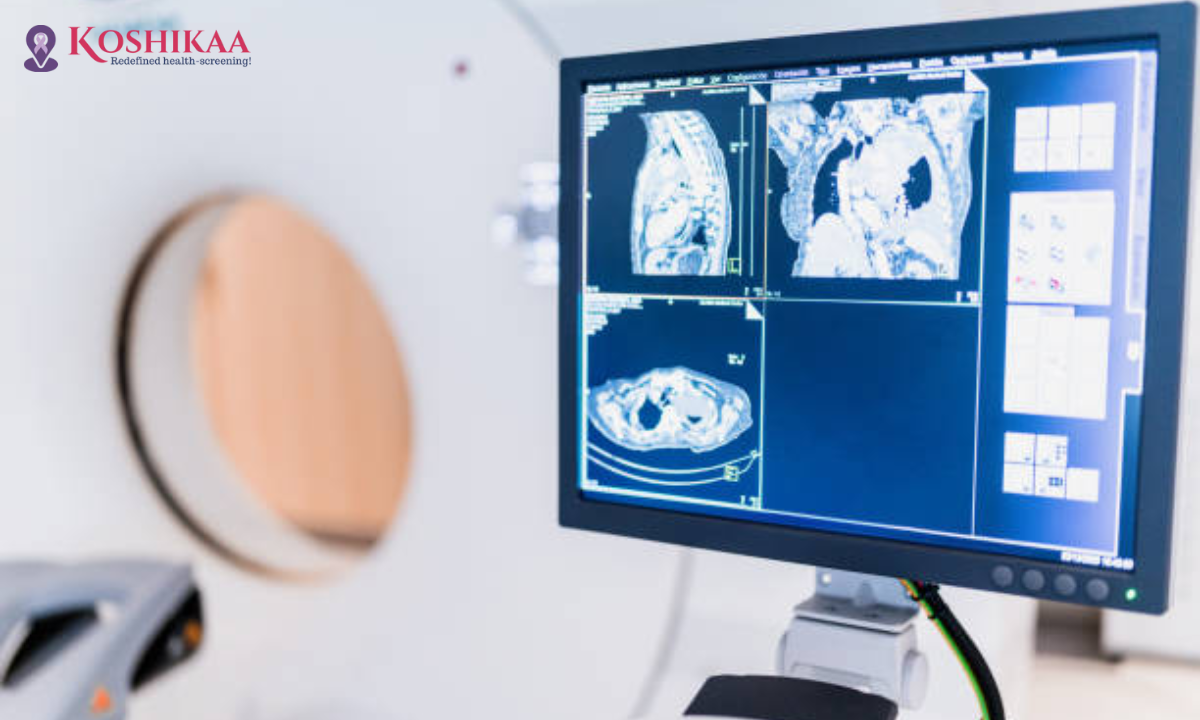
A CT scan, or computed tomography scan, is an advanced medical imaging technique that uses X-rays and computer technology to create detailed cross-sectional images of your body.
Unlike regular X-rays that produce flat, two-dimensional images, CT scans generate multiple images from different angles.
These images are then processed by a computer to create comprehensive 3D views of your bones, blood vessels, and soft tissues.
The technology allows doctors to see inside your body without making a single incision, making it an invaluable diagnostic tool.
What Is a CT Scan Used For?
CT scans serve numerous diagnostic purposes across various medical specialities.
Doctors commonly order CT scans to detect cancers, monitor tumors, and plan cancer treatments effectively.
They’re essential for diagnosing internal injuries after accidents or trauma, especially to identify internal bleeding or bone fractures.
CT scans help detect blood clots, heart disease, and stroke by providing clear images of blood vessels and the heart.
They’re also used to diagnose infections, kidney stones, appendicitis, and other abdominal conditions with remarkable accuracy.
Additionally, CT scans guide biopsies and other medical procedures by showing doctors exactly where to target.
Common Types of CT Scans
Different types of CT scans target specific areas of your body based on your symptoms and medical needs.
CT Scan of Lungs
This scan examines your chest area to detect lung cancer, infections, pulmonary embolism, or chronic lung diseases. It’s particularly useful for smokers or those with persistent respiratory symptoms.
CT Scan of Heart
Also called cardiac CT, this specialized scan evaluates your heart’s structure, coronary arteries, and surrounding blood vessels. It helps detect blockages, heart disease, and calcium buildup in arteries.
CT Scan Abdomen
This comprehensive Abdominal CT scan examines your liver, kidneys, pancreas, spleen, and intestines. Doctors order it to investigate abdominal pain, digestive issues, or suspected organ problems.
CT Scan for Kidney Stones
This is one of the most accurate methods for detecting kidney stones, showing their exact size, location, and number. It helps doctors plan the most appropriate treatment approach.
The CT Scan Procedure: What to Expect
Understanding the CT scan procedure helps reduce anxiety and ensures you’re properly prepared.
Before the Scan:
- You may be asked to avoid eating or drinking for a few hours before your scan, especially if contrast dye will be used.
- Inform your doctor about any allergies, especially to iodine or contrast materials, and if you’re pregnant or might be pregnant.
- Remove all metal objects, including jewellery, glasses, and dentures, as they can interfere with the imaging.
During the Scan:
- You will lie on a motorized table that slides into the CT scanner, which looks like a large doughnut.
- The technician will position you correctly and may use pillows or straps to help you stay still during the procedure.
- You’ll need to remain very still and may be asked to hold your breath briefly for clearer images.
- The machine rotates around you, taking multiple X-ray images from different angles. You might hear whirring or clicking sounds.
- Some scans require contrast dye, which may be injected through an IV or taken orally. This helps certain tissues show up more clearly.
After the Scan:
- The entire process is painless and non-invasive. You can typically resume normal activities immediately after the scan.
- If contrast dye was used, drink plenty of water to help flush it out of your system.
How Long Do CT Scans Take?
The duration of a CT scan depends on which part of your body is being examined.
Most CT scans take between 10 and 30 minutes from start to finish, including preparation time.
The actual scanning time is often just 5 to 10 minutes, though more complex scans may take longer.
Scans requiring contrast dye may add a few extra minutes to the procedure.
We always recommend arriving 15 minutes early to complete any necessary paperwork and preparation.
Understanding Your CT Scan Report
Your CT scan report is a detailed document prepared by a radiologist who specializes in interpreting medical images.
The report describes what was observed in each area of your body that was scanned.
It includes measurements of any abnormalities, their location, and their appearance compared to normal tissue.
Most centres provide reports within 24 to 48 hours, though urgent cases may receive faster turnaround times.
Your referring doctor will review the report with you and explain what the findings mean for your health and treatment plan.
Never try to interpret your CT scan report alone, as medical terminology can be confusing without proper context.
Understanding CT Scan Price in Bangalore
Various factors affect the overall cost, including the body area being scanned and whether contrast dye is required.
More specialized scans, like a cardiac CT or a full-body CT scan, typically involve different considerations.
Choosing a CT Scan Centre
When considering a CT scan in Bangalore, several factors influence your choice of diagnostic centre.
- Look for facilities with modern, well-maintained CT scan equipment that ensures accurate imaging.
- Check if the centre has experienced radiologists who specialize in interpreting CT scan images.
- The health screening centre in Bangalore offers comprehensive diagnostic services under one roof for your convenience.
- Always enquire about the turnaround time for reports and available payment options before booking your appointment.
- Verify if your health insurance covers the scan and whether the centre offers cashless claim facilities to make the process smoother.
Tips for a Successful CT Scan
Here are some practical tips to ensure your CT scan goes smoothly:
- Wear comfortable, loose-fitting clothing without metal zippers or buttons
- Leave valuables at home to avoid any loss during the procedure
- Inform the technician if you feel claustrophobic or anxious in enclosed spaces
- Ask all your questions before the scan begins to feel more comfortable
- Follow all pre-scan instructions carefully, especially regarding fasting
- Bring your previous medical reports and images for comparison, if available
Final Thoughts
A CT scan has become an indispensable tool in modern medicine, offering detailed insights that help doctors make accurate diagnoses and create effective treatment plans.
Understanding what the procedure involves, how to prepare, and what to expect from your results can significantly reduce any anxiety you might feel.
If you need a CT scan in Bangalore, choosing a reliable health screening centre in Bangalore with modern equipment and experienced radiologists is crucial for accurate results.
At Koshikaa, we are committed to providing comprehensive diagnostic services with advanced CT scan technology and expert radiologists who ensure accurate, timely reports.
Remember, a CT scan is a safe, quick, and painless procedure that could provide critical information about your health.
Frequently Asked Questions
Q: Is a CT scan safe?
Yes, CT scans are generally safe. While they use X-rays, the radiation exposure is minimal, and the diagnostic benefits usually far outweigh the risks.
Q: Can I eat before a CT scan?
It depends on the type of scan. For some CT scans, especially those using contrast dye, you may need to fast for 4-6 hours beforehand.
Q: Will I feel anything during the CT scan?
The scan itself is painless. If contrast dye is used, you might feel a warm sensation or metallic taste temporarily.
Q: How soon will I get my CT scan report?
Most centres provide reports within 24-48 hours. Urgent cases may receive results on the same day.
Q: Can pregnant women have CT scans?
CT scans are generally avoided during pregnancy unless necessary, as radiation may affect the developing baby. Always inform your doctor if you’re pregnant.