

Finding the right ultrasound scan centre in Bangalore can feel overwhelming, especially when your health is on the line. With hundreds of diagnostic centres across the city, how do you know which one will give you accurate results, professional care, and value for your money?
Whether you need a routine ultrasound scan in Bangalore or a specialized diagnostic procedure, choosing the right facility makes all the difference. The wrong choice could mean inaccurate reports, unnecessary anxiety, or wasted time and money.
Let me walk you through exactly what you should look for to make an informed decision.
Check for Proper Accreditation and Certifications
The first thing we recommend checking is whether the ultrasound scan centre has proper accreditations.
Look for certifications from recognized bodies like NABL (National Accreditation Board for Laboratories and Testing) or NABH (National Accreditation Board for Hospitals and Healthcare Providers).
These certifications ensure that the centre follows strict quality standards and maintains proper protocols.
An accredited centre is more likely to provide a reliable ultrasound scan report that doctors can trust for accurate diagnosis.
Evaluate the Technology and Equipment
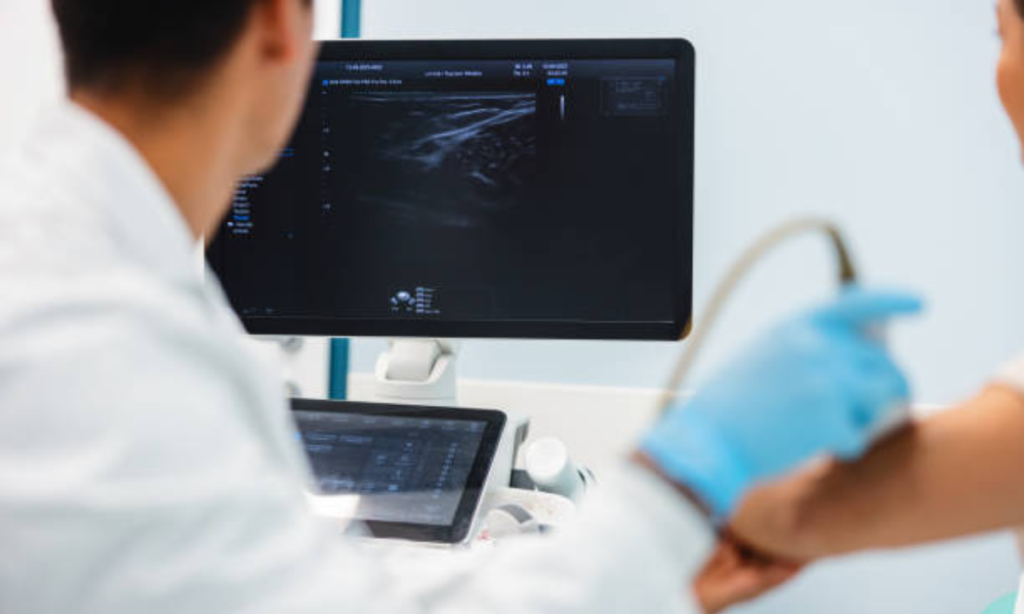
Modern ultrasound technology has advanced significantly in recent years.
A reliable health screening centre in Bangalore should have up-to-date ultrasound machines with high-resolution imaging capabilities.
Older equipment might miss critical details that newer machines can detect clearly.
Ask about the type of ultrasound machines they use. Look for centres that invest in advanced technology like 3D and 4D ultrasound systems when needed.
Better equipment directly translates to more accurate diagnoses and clearer reports.
Verify the Qualifications of Radiologists and Technicians
Technology alone isn’t enough. The people operating the machines matter just as much.
Check if the centre employs qualified radiologists with proper credentials and experience.
The sonographers or technicians performing your ultrasound scan should be trained and certified professionals.
Experienced radiologists can spot subtle abnormalities that less experienced professionals might overlook.
We always suggest asking about the qualifications of the medical team before booking your appointment.
Consider Location and Accessibility
When searching for an “ultrasound scan centre near me”, convenience matters more than you might think.
Choose a centre that’s easily accessible from your home or workplace.
This becomes especially important if you need multiple visits or follow-up scans.
Check if the centre has adequate parking facilities and is accessible for elderly patients or those with mobility challenges.
Good accessibility reduces stress and makes the entire diagnostic experience smoother.
Compare Pricing and Service Packages
Cost is an important factor, but it shouldn’t be the only deciding factor.
Compare the pricing of different centres for the specific ultrasound in Bangalore that you need.
Be wary of centres that offer prices significantly lower than the market average, as this might indicate compromised quality.
Look for transparent pricing with no hidden charges. Some centres offer comprehensive health screening packages that might provide better value.
Read Reviews and Patient Testimonials
In today’s digital age, patient reviews offer valuable insights into a centre’s quality of service.
Check Google reviews, healthcare platforms, and social media for genuine feedback.
Pay attention to comments about report accuracy, staff behavior, waiting times, and overall patient experience.
A pattern of positive reviews usually indicates consistent quality and reliable service.
However, also read negative reviews to understand potential issues and how the centre responds to complaints.
Assess Report Turnaround Time
The speed at which you receive your ultrasound scan report can be crucial, especially in urgent medical situations.
Ask about the typical turnaround time for reports. Most good centres provide reports within 24 hours.
Some advanced centres offer same-day reports for urgent cases.
Quick report delivery shouldn’t come at the cost of accuracy, so ensure the centre maintains quality standards while being efficient.
Evaluate Customer Service and Patient Care
The way a diagnostic centre treats its patients speaks volumes about its overall quality.
Notice how the staff responds to your queries when you call or visit for information.
Professional centres maintain patient privacy, provide clear instructions before the procedure, and address all your concerns patiently.
Good customer service includes comfortable waiting areas, clean facilities, and respectful treatment throughout your visit.
Check for Additional Services
A comprehensive health screening centre in Bangalore often provides multiple diagnostic services under one roof.
This becomes convenient if you need additional tests along with your ultrasound scan.
Centres offering blood tests, X-rays, ECGs, and other diagnostic services can save you time and effort.
It’s also helpful if the centre has tie-ups with hospitals and accepts insurance for cashless services.
Final Thoughts
Choosing the right facility for your ultrasound scan in Bangalore requires careful consideration of multiple factors.
Don’t rush the decision. Take time to research, compare options, and prioritize quality over convenience alone.
Remember that accurate diagnostic reports form the foundation of effective medical treatment. Investing time in finding a reliable centre is investing in your health.
At Koshikaa, we understand these concerns and strive to provide comprehensive diagnostic services with the highest standards of accuracy and patient care.
Your health deserves nothing but the best diagnostic support available.
Frequently Asked Questions
Q: Do I need a doctor’s prescription for an ultrasound scan?
A: While many centres accept walk-ins, having a doctor’s prescription ensures you get the right type of scan for your specific condition.
Q: How long does an ultrasound procedure take?
A: Most ultrasound scans take 15 to 30 minutes, though some specialized scans may take longer.
Q: Are ultrasound scans safe?
A: Yes, ultrasound scans are completely safe and non-invasive. They use sound waves, not radiation, to create images.
Q: Can I get my ultrasound report online?
A: Most modern diagnostic centres provide digital reports via email or through their patient portal for easy access.