
When it comes to thyroid health, early detection and accurate diagnosis can make all the difference. The thyroid, a small butterfly-shaped gland in your neck, plays a vital role in controlling metabolism, energy, and overall hormonal balance.
However, when something goes wrong, like swelling, nodules, or irregular hormone levels, understanding the cause becomes crucial. This is where an ultrasound for the thyroid becomes a game-changer.
At our Health Screening Centre in Bangalore, we help patients get a clear picture of their thyroid condition through advanced ultrasound technology. But what exactly can an ultrasound reveal about your thyroid? Let’s explore.
Curious to know what your thyroid ultrasound scan might uncover? Read on to find out.
Understanding Thyroid Ultrasound
A thyroid ultrasound, also known as a USG thyroid, utilizes high-frequency sound waves to produce real-time images of the thyroid gland.
It’s a non-invasive, painless, and radiation-free procedure that helps doctors visualize the structure, size, and texture of your thyroid.
Unlike blood tests that show hormone levels, a thyroid ultrasound reveals physical changes, such as cysts, nodules, inflammation, or tumors.
Why Thyroid Ultrasound Is Important
A thyroid ultrasound scan offers detailed insights that no other diagnostic test can provide. It helps in:
| Purpose | What It Reveals |
|---|---|
| Nodule Detection | Identifies lumps or cysts in the thyroid |
| Size & Shape Evaluation | Checks for enlargement or shrinkage |
| Tissue Analysis | Examines internal structure for abnormalities |
| Cancer Screening | Detects suspicious nodules for further testing |
Early diagnosis with ultrasound ensures proper treatment and prevents complications associated with thyroid health problems.
When Doctors Recommend Ultrasound for Thyroid

Doctors may advise a USG thyroid if they notice:
- A lump or swelling in the neck
- Unexplained fatigue or weight changes
- Difficulty swallowing or breathing
- Irregular hormone test results
- Family history of thyroid cancer disease
In these cases, ultrasound acts as a first-line diagnostic tool to assess underlying conditions and determine the next steps.
What Thyroid Ultrasound Can Detect
An ultrasound scan in Bangalore can reveal multiple thyroid conditions:
- Thyroid Nodules: Small lumps that may be solid or fluid-filled.
- Goiter: Enlargement of the thyroid gland.
- Thyroiditis: Inflammation due to infection or autoimmune causes.
- Thyroid Cysts: Fluid-filled sacs within the gland.
- Suspicious Growths: Possible signs of thyroid cancer that need biopsy.
Ultrasound helps doctors distinguish between harmless and potentially dangerous nodules quickly and safely.
Advantages of Ultrasound for Thyroid Health
Using ultrasound for thyroid evaluation has several benefits:
- Non-invasive and painless procedure
- No exposure to radiation
- Provides real-time images
- Detects even the smallest nodules
- Helps guide fine-needle biopsy if required
- Cost-effective and widely available
Regular thyroid scans, especially at a trusted health screening centre in Bangalore, ensure your thyroid stays in check.
How to Prepare for a Thyroid Ultrasound
Preparing for a thyroid ultrasound scan is simple and stress-free:
Before the Scan:
- No fasting or special diet needed
- Remove jewelry or neck accessories
- Wear comfortable clothing that allows easy access to the neck
During the Scan:
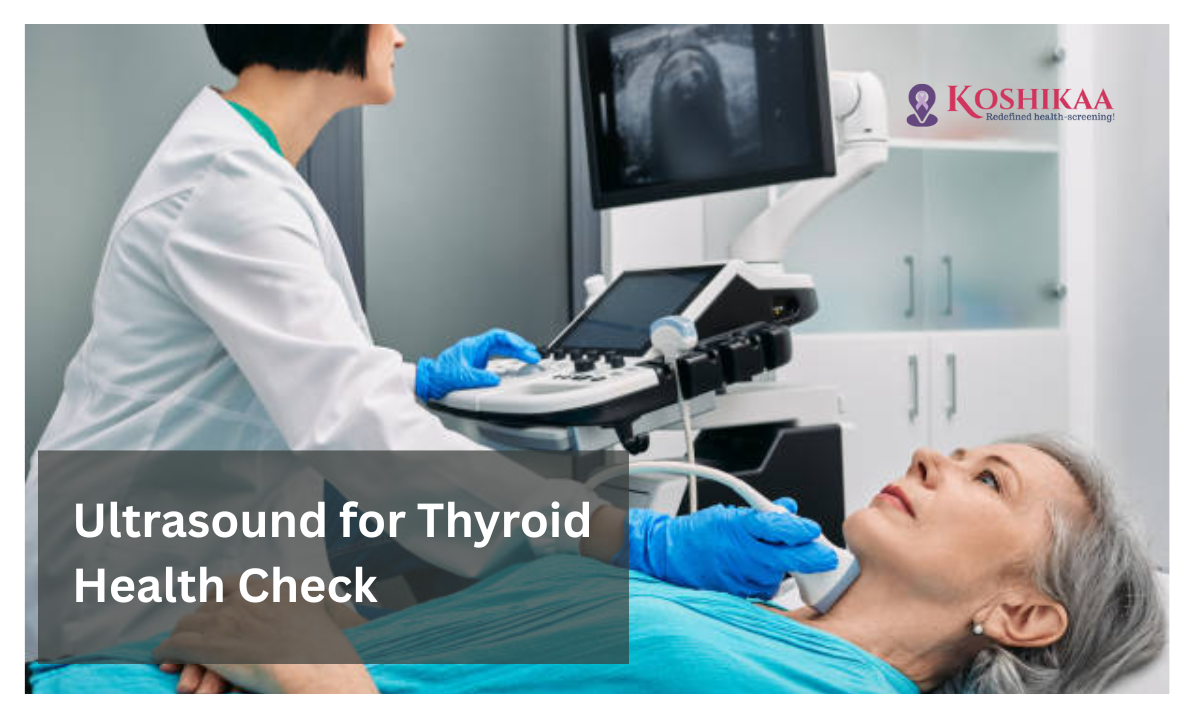
You will lie on your back while a technician applies gel to your neck and moves a small handheld device (transducer) over the area.
Duration:
The scan usually takes 15–20 minutes and is completely painless.
What to Expect in Your Ultrasound Report
Your ultrasound report will detail the following:
| Parameter | Description |
|---|---|
| Gland Size | Normal or enlarged dimensions |
| Texture | Smooth or irregular surface |
| Nodules | Number, size, and type of nodules |
| Blood Flow | Indicates inflammation or tumor activity |
| Impression | Summary of findings and recommendations |
A radiologist will review the report and share results with your doctor for further evaluation.
Tips for Maintaining Thyroid Health
Here are some simple yet effective tips to support your thyroid naturally:
- Eat iodine-rich foods like fish, dairy, and eggs.
- Avoid excessive intake of processed foods.
- Manage stress through yoga or meditation.
- Schedule regular thyroid checkups.
- Visit a reliable health screening centre in Bangalore for routine scans and early detection.
Early Detection Matters
The earlier you detect thyroid health problems, the easier they are to manage.
An ultrasound helps identify changes long before symptoms appear.
By detecting abnormalities early, treatment can begin promptly, helping you maintain a healthy metabolism, energy level, and overall wellness.
Final Thoughts
Your thyroid health plays a critical role in your body’s overall balance. Regular ultrasound scans not only ensure timely detection but also prevent long-term complications.
At Koshikaa, we combine advanced technology with compassionate care to deliver accurate thyroid imaging and dependable results. If you are looking for a trusted health screening centre in Bangalore, our team is here to guide you every step of the way.
Stay proactive, because early detection is the key to lifelong thyroid wellness.
Frequently Asked Questions (FAQs)
1. Why would a doctor order an ultrasound of the thyroid?
Doctors recommend thyroid ultrasound to detect nodules, cysts, or swelling and assess structural changes that may not appear in blood tests.
2. What are the warning signs of thyroid cancer?
A persistent neck lump, hoarseness, difficulty swallowing, or swollen lymph nodes can be warning signs of thyroid cancer.
3. What are the red flags on thyroid ultrasound?
Irregular-shaped nodules, microcalcifications, and abnormal blood flow patterns are considered red flags suggesting potential malignancy.
4. How do you prepare for a thyroid ultrasound?
No special preparation is needed. Simply wear loose clothing and remove jewelry around your neck for easy scanning.
5. How often should you get a thyroid ultrasound?
If you have thyroid nodules or hormone irregularities, doctors may recommend scans once every 6–12 months for monitoring.