
A Colonoscopy CT Scan, also known as Virtual Colonoscopy, is a modern, non-invasive imaging technique that helps doctors detect colon cancer and other bowel-related issues quickly and comfortably.
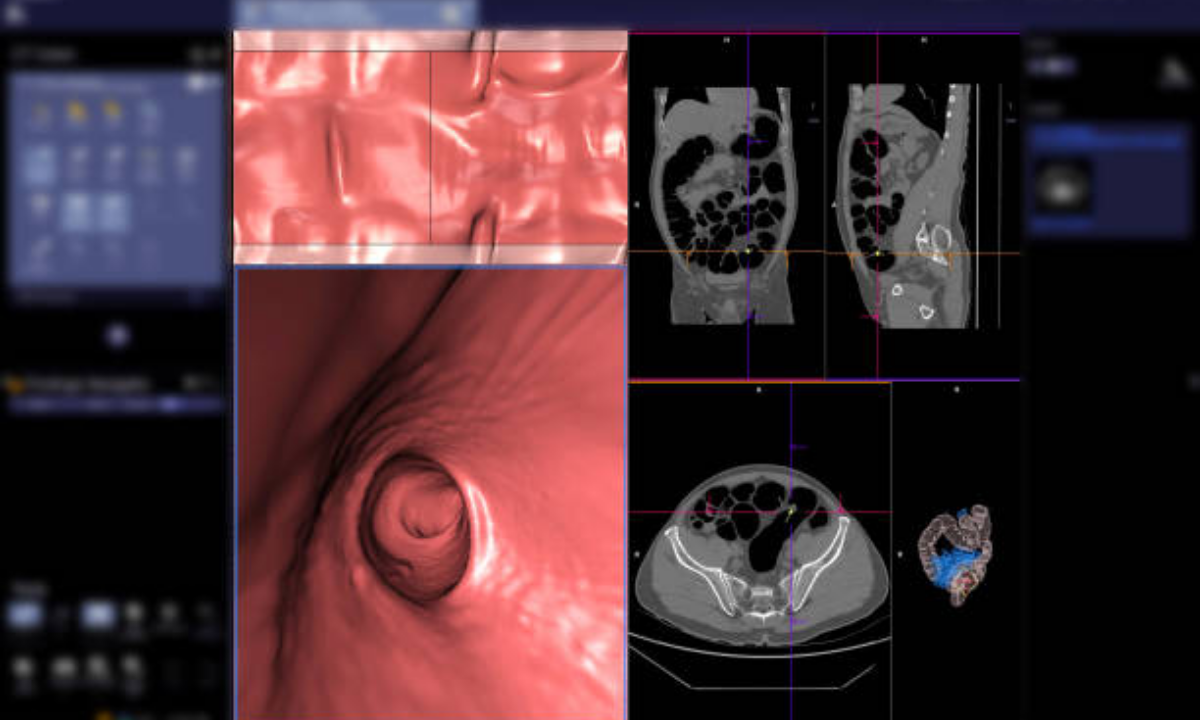
Unlike traditional colonoscopy, which uses a flexible tube inserted into the colon, a CT colonoscopy uses advanced imaging to create detailed 3D pictures of the large intestine. This makes it far more comfortable, faster, and equally accurate for early diagnosis.
At our Health Screening Centre in Bangalore, we believe early detection saves lives, especially when it comes to colon cancer, one of the most preventable cancers today. And there’s one surprising fact about this test that might make you rethink your next screening.
Understanding the Colonoscopy Definition
Before we dive into how a Colonoscopy CT Scan works, let’s start with the basics.
A colonoscopy, by definition, is a diagnostic procedure used to examine the inner lining of the large intestine (colon and rectum). It helps detect abnormalities such as polyps, ulcers, or cancer.
Traditional colonoscopy uses a scope with a camera, while CT colonoscopy or virtual colonoscopy relies on computed tomography imaging to produce similar views without the discomfort of inserting a tube.
Why Colonoscopy Is Recommended – Key Indications
Doctors recommend colon screening for various reasons, known as colonoscopy indications. Some of the most common include:
| Indication | Why It Matters |
|---|---|
| Screening for Colon Cancer | Detects cancer or pre-cancerous growths early. |
| Investigating Abdominal Pain | Identifies underlying causes like inflammation or tumors. |
| Unexplained Bleeding | Detects bleeding sources in the intestines. |
| Chronic Constipation or Diarrhea | Reveals obstructions, ulcers, or infections. |
| Family History of Colon Cancer | Ensures preventive monitoring for at-risk individuals. |
Recognizing Early Colon Cancer Symptoms
Colon cancer often begins silently, with symptoms appearing only in later stages. Here are some early colon cancer symptoms to watch for:
- Unexplained weight loss
- Changes in bowel habits (constipation or diarrhea)
- Blood in stool or dark stools
- Persistent abdominal discomfort
- Fatigue and weakness
If you notice any of these signs, your doctor may recommend a colonoscopy test or a CT scan in Bangalore to evaluate your colon health.
Colonoscopy CT Scan: A Modern, Painless Alternative
A Colonoscopy CT Scan uses computed tomography to create 3D cross-sectional images of the colon and rectum. The process is quick, non-invasive, and usually takes around 15–20 minutes.
It’s especially useful for individuals who cannot undergo a standard colonoscopy due to age, discomfort, or other medical reasons.
With this test, doctors can identify polyps, tumors, inflammation, and structural abnormalities, all without sedation or recovery time.
Colonoscopy Preparation: Getting Ready for the Test
Good preparation is key to accurate results. Here’s a simple checklist for colonoscopy preparation:
| Do’s | Don’ts |
|---|---|
| Drink clear fluids 24 hours before the scan. | Avoid solid foods or heavy meals. |
| Follow your doctor’s bowel-cleansing instructions carefully. | Don’t skip prescribed laxatives or fluids. |
| Wear comfortable clothing to the test. | Avoid carbonated drinks or caffeine before the scan. |
Tip: Proper preparation ensures a clear view of your colon, reducing the need for repeat scans.
How the Colonoscopy Procedure Works
Let’s break down the colonoscopy procedure when performed as a CT scan:
| Step | What Happens |
|---|---|
| 1. Preparation | You will follow a bowel-cleansing routine before the scan (usually the day before). |
| 2. Positioning | You lie on a CT table while a small amount of air or CO₂ is gently introduced into the colon for clear imaging. |
| 3. Scanning | The CT machine captures detailed images of the colon in just a few minutes. |
| 4. Image Reconstruction | The system builds 2D and 3D images for review. |
| 5. Colonoscopy Report | The radiologist analyzes findings like polyps, tumors, or inflammation and prepares a report for your doctor. |
This entire procedure is pain-free and doesn’t require anesthesia.
Colonoscopy Report: Understanding Your Results
Your colonoscopy report provides detailed insights into the health of your colon.
| Result Type | Meaning |
|---|---|
| Normal | No polyps, tumors, or inflammation detected. |
| Abnormal | Polyps, thickened walls, or other irregularities were found. |
| Further Evaluation | May be advised if suspicious findings are detected. |
The radiologist reviews your images and collaborates with your doctor to recommend next steps, if needed.
Why Virtual Colonoscopy Is a Safer, Smarter Choice
Traditional colonoscopy, while effective, can be uncomfortable and sometimes carries minor risks like bleeding or perforation.
In contrast, Virtual Colonoscopy CT offers:
- No sedation required
- Minimal discomfort
- Quick recovery
- High accuracy for early detection
At our Health Screening Centre in Bangalore, we use advanced CT imaging systems that make this procedure fast, safe, and remarkably detailed.
Quick Tips for a Smooth Colonoscopy CT Scan
- Schedule your scan in the morning for convenience.
- Stay hydrated before and after the test.
- Discuss any allergies or medications with your doctor.
- Keep your previous imaging reports handy for comparison.
Why Early Detection Matters
When detected early, colon cancer is highly treatable. A CT colonoscopy can catch tiny polyps before they turn cancerous, helping prevent future complications.
That’s why doctors increasingly recommend including this scan in your annual preventive health checkups, especially for people over 40 or with a family history of colon disease.
Why Choose a Trusted Health Screening Centre in Bangalore
Choosing the right diagnostic partner is just as important as the scan itself. A reputed Health Screening Centre in Bangalore offers:
- Advanced CT equipment
- Experienced radiologists
- Comfortable, patient-centered experience
- Accurate and timely reports
This ensures you receive precise results and the right guidance for your next steps.
Final Thoughts
A Colonoscopy CT Scan is an innovative, painless way to detect colon cancer early and accurately. It combines comfort, safety, and high precision, making it an excellent choice for preventive care.
At our Health Screening Centre in Bangalore, we ensure every scan is performed using the latest CT technology for the most reliable results.
If you are planning a colon screening, trust Koshikaa, where advanced diagnostics and compassionate care come together to protect your health and peace of mind.
FAQs About CT Colonoscopy Scans
1. What is a CT scan for colonoscopy?
A CT colonoscopy uses advanced imaging to create 3D pictures of the colon, detecting polyps, tumors, and inflammation without the need for invasive instruments.
2. How long is a CT colonoscopy?
The actual scan takes about 10–15 minutes, though preparation before the scan may require a few hours to ensure the colon is fully cleansed.
3. What is a normal CT colonoscopy?
A normal CT colonoscopy shows clear, healthy colon walls without signs of growths, bleeding, or inflammation, meaning no evidence of cancer or abnormalities.
4. How do you prepare for a CT scan colonoscopy?
Preparation includes a clear-liquid diet, taking prescribed laxatives, and ensuring your bowels are empty before the scan for clear and accurate imaging results.
5. Is a CT colonoscopy as accurate as a traditional colonoscopy?
Yes, for most cases. CT colonoscopy offers over 90% accuracy in detecting larger polyps or tumors, with the added benefit of being faster and non-invasive.