

Introduction:
In today’s high-paced world, health often takes a back seat—until something goes wrong. But what if you could detect health issues early and take proactive steps before they turn into costly medical emergencies? That’s the power of a Full Body Check-up.
But the big question is: Who should consider getting a full body check-up? Whether in your 20s or 60s, this article dives deep into the answer with clarity and actionable insights. If you’re searching for a Koshikaa Full Body Checkup in Bangalore is a trusted name offering precise, affordable, and comprehensive health check-up packages to safeguard your future.
Let’s uncover who truly needs a full body check-up—and why it’s more important than ever in 2025.
Who Should Consider Getting a Full Body Check-up?
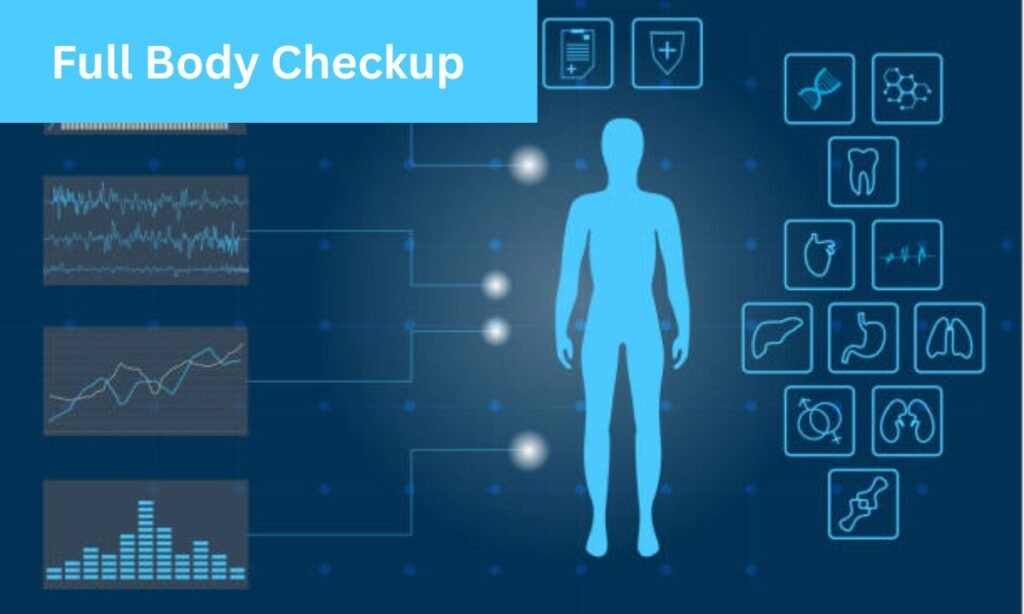
Let’s break it down into clear categories:
1. Professionals Leading a Sedentary Lifestyle
If you sit for more than 6 hours a day, you’re at higher risk of obesity, heart disease, and diabetes. Add stress, lack of sleep, and poor diet to the mix, and you’re a prime candidate for health issues.
Solution: A full body check-up can help identify rising blood sugar, poor lipid profiles, and early hypertension, before symptoms appear.
2. People Above the Age of 30
Health risks increase dramatically after 30, especially for conditions like:
- Thyroid dysfunction
- Hormonal imbalances
- Metabolic disorders
Even if you “feel fine,” silent killers like high blood pressure and fatty liver can go unnoticed.
Insight: Regular check-ups post-30 help you track key health markers and adjust your lifestyle accordingly.
3. Those With a Family History of Chronic Illnesses
If your parents or siblings have suffered from diabetes, cancer, or cardiac problems, you’re more likely to inherit those risks.
Actionable Step: Get a full body check-up every 6–12 months to catch early indicators and mitigate risk factors.
4. High-Stress Individuals and Executives
Stress triggers elevated cortisol, leading to issues like:
- Anxiety
- Weight gain
- Sleep disorders
- Hypertension
Tip: A full body check-up can detect stress-related health impacts and help prevent burnout.
5. People With Existing Conditions
If you’re already managing issues like:
- Hypertension
- Type 2 Diabetes
- Asthma
- High Cholesterol
…then frequent health assessments are crucial to ensure treatment is effective and conditions aren’t worsening.
6. Fitness Enthusiasts & Athletes
Yes, even the fit and active need check-ups! Overtraining, dehydration, and supplement misuse can lead to liver and kidney issues.
Pro tip: Baseline health data helps optimize workouts and avoid long-term harm.
7. Pre-Marital or Family Planning Couples
If you’re planning for a baby, understanding your health is vital. A comprehensive check-up ensures you’re physically prepared for pregnancy and beyond.
Frequently Asked Questions (FAQs)
Is a full body check-up necessary even if I feel healthy?
Absolutely. Many serious illnesses are asymptomatic in the early stages. Detecting them early saves time, money, and emotional strain.
How often should I get a full body check-up?
Ideally, once a year. However, those with pre-existing conditions or risk factors may require bi-annual checks.
What does a standard full body check-up include?
Typically, it covers:
- Complete Blood Count (CBC)
- Liver Function Test (LFT)
- Kidney Function Test (KFT)
- Lipid Profile
- Blood Sugar (Fasting/Postprandial)
- ECG, Chest X-ray
- Thyroid Profile
- Urine Routine and more
How long does it take?
Most labs, including Same Day Full Body Checkup in Bangalore, complete the check-up and provide reports within 24–48 hours.
The Business Case for Regular Check-ups
From a business and productivity perspective, healthy employees work better, take fewer leaves, and bring higher returns. For entrepreneurs, staying fit directly correlates with decision-making and stamina.
Investing in health is like investing in insurance—it protects your most valuable asset: YOU.
Final Thoughts: Don’t Wait for Symptoms
Health issues don’t always come with a warning. And in a world full of hustle, your body quietly keeps the score. Regular Full Body Check-ups are a commitment to longevity, vitality, and quality of life.
If you’re located in Bangalore, consider booking a full body checkup with Koshikaa, a name known for accuracy, affordability, and compassionate care.