
When symptoms cannot wait, a same-day full body checkup gets your samples collected and most reports back within 24 hours. But not every test fits a same-day window, and a little preparation often decides whether you receive results today or tomorrow. This guide explains how same-day screening actually works, which tests return fast, when fasting changes your timing, and how to choose between home collection and a centre visit. If you are ready to book a complete screening, you can start with a full body checkup in Bangalore that offers same-day sample collection.
How same-day full body checkups work

A same-day checkup compresses the usual screening timeline into a single day. The sequence is straightforward:
- Book a slot online or by phone and choose your package.
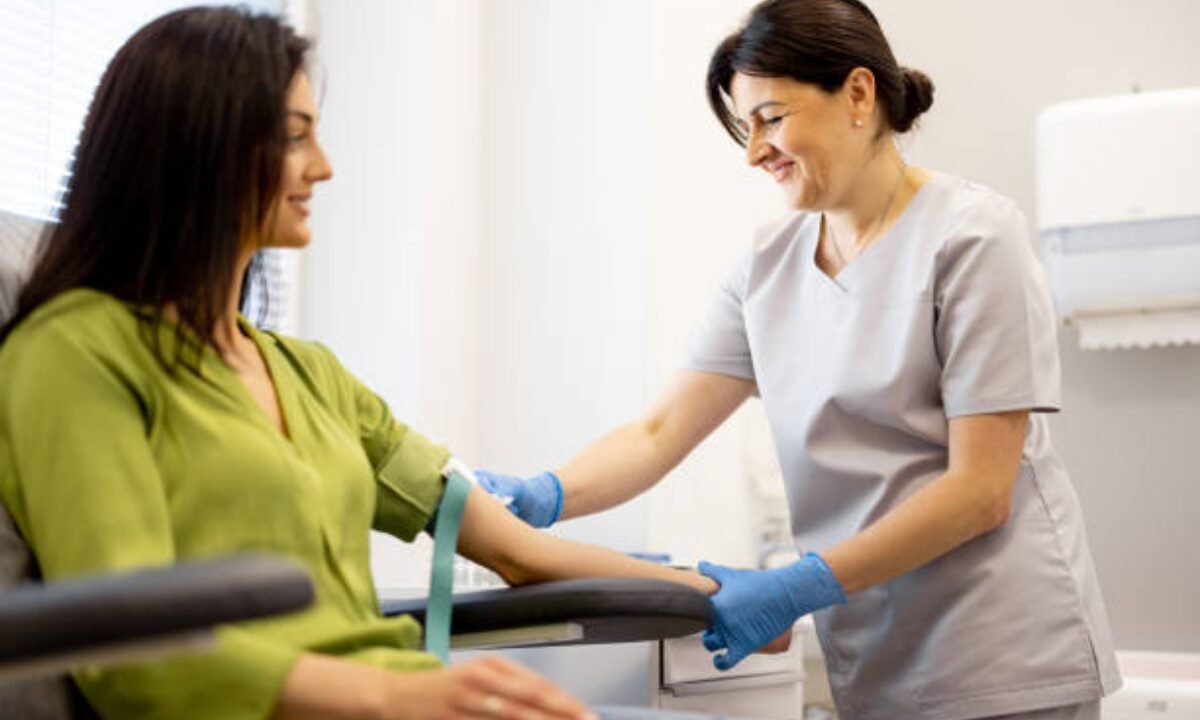
- Sample collection happens either at the centre or at home, usually in the morning so fasting tests can be processed early.
- Lab processing begins immediately for routine blood and urine tests.
- Doctor review of your results follows before the report is released.
- Report delivery for most standard panels lands within 24 hours, often the same evening.
The single biggest factor in speed is when your sample reaches the lab. Morning collection gives the lab a full working day, which is why most same-day bookings start early.
Which tests give same-day results
Not all tests move at the same pace. Knowing the difference helps you set realistic expectations.
Fast, same-day or next-morning:
- Complete Blood Count (CBC)
- Blood sugar (fasting, random, or HbA1c)
- Lipid profile
- Liver function test (LFT)
- Kidney function test (KFT)
- Thyroid function test (TFT)
- Urine routine analysis
- ECG
Slower, may extend beyond a day:
- Certain culture tests that need incubation time
- Specialised imaging that requires a separate appointment or radiologist reporting
- Hormone or marker panels sent to a reference lab
A genuinely comprehensive package mixes both, so ask which components are same-day and which follow later. Transparent centres tell you upfront.
When fasting changes your timing
Several core tests need a fasting window, typically 10 to 12 hours. Fasting mainly affects blood sugar and lipid profile accuracy. If you book a morning slot and fast overnight, your timing stays on track. Book an afternoon slot without fasting and those specific tests may need to be repeated the next morning, which delays the full report.
Practical rule: for a true same-day experience, fast overnight and take the earliest available morning slot.
Home sample collection vs centre visit
Both routes can deliver same-day results. The choice depends on convenience and the tests involved.
Home collection suits routine blood and urine panels. A trained phlebotomist visits, collects samples following hygiene protocols, and transports them to the lab. It is ideal for busy professionals, senior citizens, and anyone who wants to avoid travel.
A centre visit is necessary when your package includes imaging, ECG, or any on-site physical examination. If your checkup is imaging-heavy, plan a centre visit from the start.
Many people combine the two: home collection for bloods, a short centre visit for imaging.
Who should choose a same-day checkup
A same-day checkup is worth prioritising if you:
- Are experiencing sudden fatigue, dizziness, or unexplained symptoms and want quick clarity
- Need a baseline before travel, surgery, or a new fitness programme
- Have a narrow window and cannot return across multiple days
- Are monitoring a known condition and want current numbers fast
Preventive screening carries real value at any pace. The World Health Organization notes that a large share of chronic conditions can be managed far better when caught early through routine checks. A same-day option simply removes the delay between deciding to act and having answers.
Frequently asked questions
How fast are full body checkup reports ready?
Most standard blood and urine panels are reported within 24 hours, and many same-day bookings receive results the same evening. Specialised tests or imaging may take longer depending on the package.
Can I get a same-day checkup without fasting?
You can collect most samples without fasting, but blood sugar and lipid profile results are most accurate after a 10 to 12 hour fast. Without fasting, those specific tests may need repeating, which delays the complete report.
Is home sample collection as accurate as a centre visit?
Yes. When samples are collected by trained staff following proper hygiene and transport protocols, home collection delivers the same accuracy as a centre visit. The main limitation is that imaging and ECG still require an on-site appointment.
Ready to act today? Book your full body checkup in Bangalore with same-day collection and reports within 24 hours.
Outbound reference: World Health Organization on noncommunicable diseases