
In your red blood cells, hemoglobin helps move oxygen from your lungs to all the other parts of your body. Every part of your body needs oxygen for it to function normally. Some of the carbon dioxide your body makes attaches to your blood’s hemoglobin, and then you breathe it out. Lack of hemoglobin in your body can lead to your cells not getting enough oxygen, so you feel tired and might become short of breath.
Looking for changes in your oxygen-carrying blood is as simple as getting a hemoglobin test. Most of the time, you’ll get a complete blood test during a normal checkup or if you feel extremely tired or weak.
Why Does a Blood Test Hemoglobin Matter?
Many health problems are diagnosed and monitored using the results of blood tests for hemoglobin. Whether your body has a good supply of oxygen can be seen by your hemoglobin levels.
You should check hemoglobin to keep track of your health.
Spotting anemia (a lack of red blood cells in the blood)
- Finding out if too many red blood cells are seen
- Keeping an eye on illnesses that are hard to cure, such as kidney disease and different cancers
- Examining the body’s capacity to move oxygen throughout itself
When Should You Get a Blood Test for Hemoglobin?
For many reasons, you might find that this test is useful. These situations can be seen when someone:
- Having more weakness or tiredness than usual
- Feeling like you’re struggling to breathe, faint, or turn pale
- Suffering from a chronic illness, such as having kidney disease
- As one step in a panel of tests during a regular health checkup
Doctors could order a blood test for hemoglobin before an operation just to be certain your blood is suitable for the procedure.
What is Involved in Having a Blood Test for Hemoglobin?
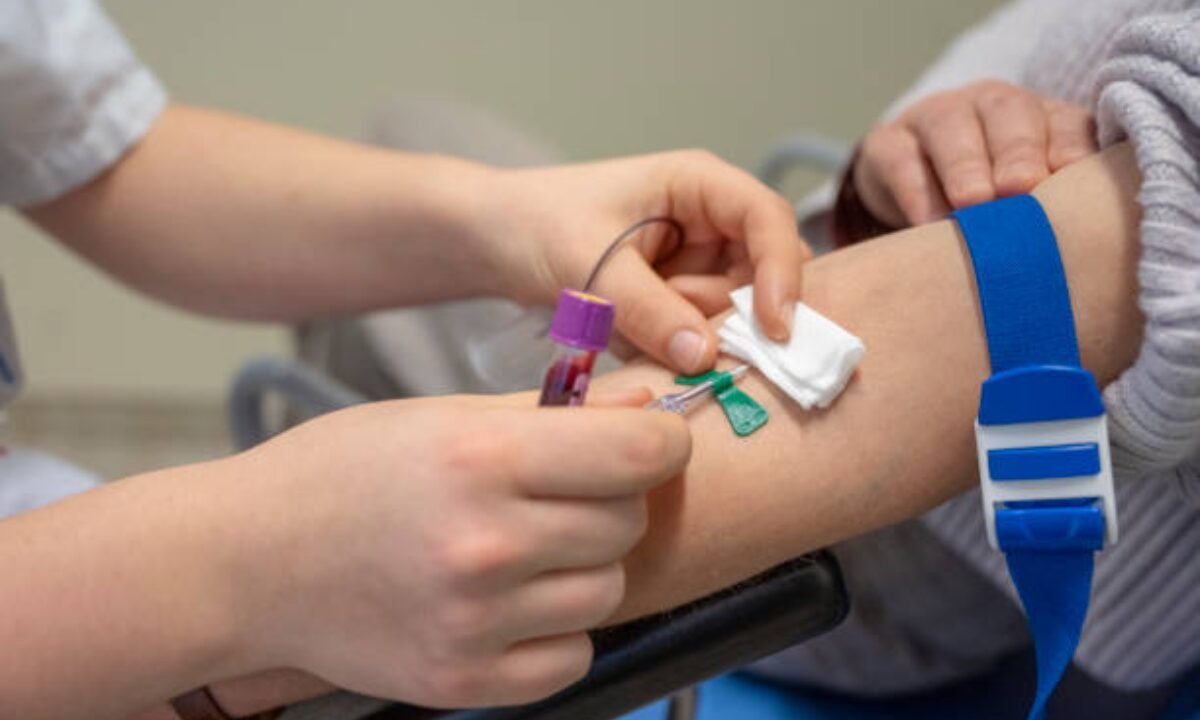
Hemoglobin blood tests are simple to do. Your blood will be taken by a nurse or lab technician and sent to a laboratory, where it is tested. Under such conditions, carrying out a Blood test in Bangalore is very straightforward and pleasant for many. You typically don’t have to prepare differently for diagnostic tests, unless your doctor tells you to.
Ways to Test Hemoglobin
Your hemoglobin level is measured based on grams per deciliter of blood. This test shows doctors if you have enough protein in your system for good health.
A blood test for hemoglobin is included in the tests that make up a complete blood count, or CBC. While looking at white and red blood cells and platelets, a CBC test depends on hemoglobin to tell if your red blood cells are in good health.
What Do Healthy Hemoglobin Levels Tell You?
Learning what your data means can benefit you. Hemoglobin’s healthy ranges are influenced by a person’s age, sex, and location. Usually, it is organized something like this:
- The recommended range for men who are adults is from 13.8 to 17.2 g/dL
- Women up to 19 years: 12.1-15.1 g/dL
Both children’s and adults’ hemoglobin levels are different and newborns generally have even more hemoglobin in their blood.
On average, the hemoglobin level for women’s blood is below what is normal for men. During menstruation, a woman’s blood usually contains a lower level of hemoglobin.
Why Should Hemoglobin Levels Matter to Women’s Health?
Hemoglobin levels for women should be frequently monitored. A condition called iron deficiency anemia is found more frequently in women because of menstruation, pregnancy, and often a diet lacking in iron.
- When hemoglobin levels in the blood are low, you might feel exhausted, regular headaches and difficulties focusing on things.
- Pregnant women are watched more closely by their doctors. Fortunately, there are signs that you should be aware of if you are pregnant and have a low hemoglobin level.
- As a result, doctors suggest taking more iron or folic acid if they see hemoglobin levels go down.
What the Red Blood Cells Normal Range Looks Like
Hemoglobin needs help to do its job. It goes hand in hand with red blood cells. Red blood cells normal range is measured by counting millions per microliter of blood.
- 4.7 to 6.1 million men cells/ml
- Women: between 4.2 and 5.4 million cells are found per milliliter of plasma
A red blood cell range that is not normal can affect both your hemoglobin and the oxygen that tissues receive.
What it Means When a Person Has Abnormal Levels of Hemoglobin
Every so often, the level of hemoglobin in your blood can be outside of its normal range. Some potential reasons are:
- Hemoglobin deficiency (Anemia).
- Loss of blood (caused by an injury, surgery, menstruation, or bleeding inside the body)
- Deficiencies in iron, one of the B vitamins (B12) or folate
For example, chronic diseases like kidney disease or cancer.
- Problems with bone marrow
- Too much hemoglobin.
- The low amount of oxygen at high altitudes leads your body to make more red blood cells.
- Problems in the lungs (such as COPD)
- Smoking
- Some people carry blood diseases that are not very common (examples include polycythemia vera).
What You Should Do to Keep Hemoglobin at the Optimal Level
Maintaining healthy blood contains a large amount of Vitamin C. Including meat, beans, spinach and fortified cereals in your diet helps produce hemoglobin. The folate and vitamin B12 in leafy greens, dairy and eggs can help as well. If someone’s hemoglobin level is low, doctors may recommend taking supplements or using medicines.
Certain health conditions may need different treatments to correct the hemoglobin problem.
Choosing a quick and easy way to get tested.
Getting a blood test to check your hemoglobin is now done quickly and easily. You can receive services at clinics, diagnostic centers, and hospitals in major cities. Fortunately, several centers in Bangalore let you book your blood test from home and schedule a nurse to collect your samples there.
How Do You Know When to Talk to Your Doctor
If you find that you are always tired, can’t breathe easily, or begin to bruise easily for no reason, mention this to your doctor. Sometimes, such symptoms may mean that the hemoglobin in your blood falls below the healthy limit. Your doctor can quickly order a blood test for hemoglobin to help figure out what’s going on.
If you have long-term illnesses that increase your risk of anemia—such as kidney disease or chronic inflammatory problems—regular monitoring of your hemoglobin and red blood cells normal range is essential. Blood test Bangalore centers provide patients with fast and accurate outcomes which help determine any required treatment.
Summary
Testing hemoglobin in blood is used to assess your oxygen levels and is a valuable method for finding and tracking different health problems. Learning about your hemoglobin levels, particularly those for women, helps you spot early signs of anemia. Both your red blood cells’ normal range and hemoglobin levels can give you important information about your health. Luckily, several cities, including Bangalore, now make it very easy to have blood tests done. Sticking to regular Doctor visits, eating healthy foods, and paying attention to any symptoms can help you stay healthy and full of energy.
If you need accurate results for Blood test in Bangalore, Koshikaa will offer you a full range of services and provide you with results in little time. So in case you or any family member have an emergency, then directly connect with our team.