
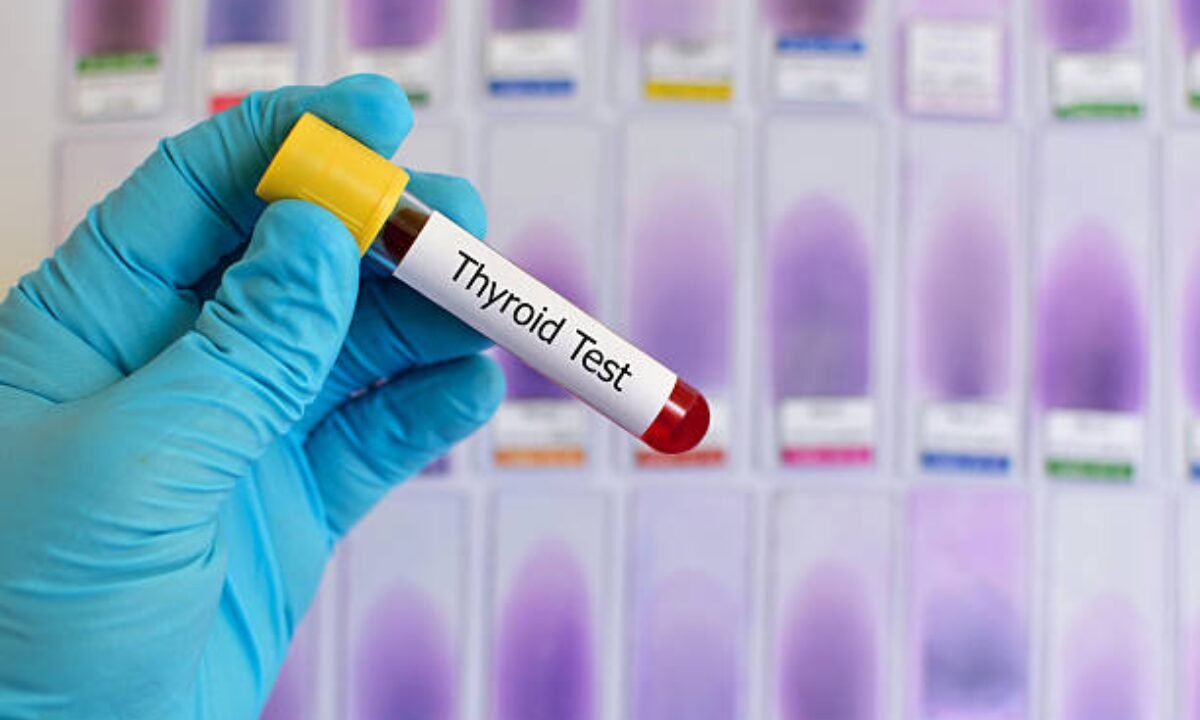
Your thyroid gland affects your overall health. It controls its metabolism, keeps its energy levels, and it touches on a lot more bodily functions. A poorly working thyroid can cause a range of health problems. Finding these problems early with thyroid function tests is beneficial. Five of these symptoms may signal you should have a thyroid function test, and guidance on where to get a ‘Blood test in Bangalore.’
1. Unexplained Weight Changes
Unexplained weight gain or loss is one of the most obvious signs of thyroid dysfunction.
Weight Gain and Hypothyroidism
One is if you can maintain a normal diet and exercise routine, but no matter how hard you try, it’s getting harder and harder to lose weight. When your thyroid isn’t working properly, it causes your metabolism to slow down, which makes gaining weight easier.
Weight Loss & Hyperthyroidism
For instance, suffering from hyperthyroidism if you are losing weight without trying and find yourself hungrier than usual. An overactive thyroid causes you to have an overactive metabolism and therefore rapid weight loss.
If your weight changes considerably, the easiest thing to do is to have your healthcare provider in Bangalore perform a blood test of the thyroid.
2. Fatigue and Low Energy Levels

Exhausted all the time, even after having lots of rest? Thyroid dysfunction is associated with fatigue.
Hypothyroidism Symptoms
Persons with hypothyroidism often complain of sluggishness and fatigue. Even everyday tasks can become overwhelming when your body’s metabolism is slowed.
Hyperthyroidism Symptoms
At the other end of the spectrum, hyperthyroidism can result in too much energy and quickly lapsing into fatigue. You can feel incredibly drained from the erratic energy levels.
It just seemed it could get worse, so if it turns out to be a constant problem then you might want to go for a blood test in Bangalore to try and detect your thyroid function.
3. Mood Swings and Mental Health Issues.
The health of your thyroid can affect your mental well-being.
Symptoms of Hypothyroidism
Hypothyroidism info points out that depression or hopelessness is a common experience for many of them. It may be the result of slowing bodily functions which affect the brain.
Symptoms of Hyperthyroidism
On the other hand, someone with hyperthyroidism may feel anxious, nervous, or irritable. This rapid metabolism can also raise stress responses.
The most common symptoms of thyroid imbalance are mood swings and these can be quite noticeable if your mood swings are getting more bizarre. There is a simple blood test in Bangalore that can give you insight into whether your thyroid is affecting your mental health.
4. Changes in Sleep Patterns
Do you struggle with sleep? Perhaps your thyroid level is affecting your sleep.
Hypothyroidism and Sleep
Poor sleep quality may be due to hypothyroidism or excessive sleepiness during the day. Your body’s energy levels go up and down, so not ordering is also a normal sleep pattern.
Sleep Disturbances and Hyperthyroidism
While hyperthyroidism can make you restless, and cause trouble sleeping, and staying awake, the opposite is true of hypothyroidism. If the body is overactive, it will keep you awake at night causing a vicious cycle of fatigue and sleeplessness.
In case your sleep disturbances are beginning to disrupt your daily life, consult for a blood test in Bangalore to see if you have a thyroid issue.
5. Hair and Skin Changes
Your hair and skin condition can also be a sign of thyroid condition.
Hypothyroidism Symptoms
Symptoms caused by thyroid disease can be different depending on whether the thyroid is underactive (hypothyroidism) or overactive (hyperthyroidism). Here are some common symptoms to watch for related to these conditions:
Hyperthyroidism Symptoms
Hyperthyroidism, however, can cause thinning hair, as well as sensitive skin. Don’t ignore it if you’re seeing some kind of change in your hair or skin condition.
A blood test in Bangalore can tell if thyroid hormone levels are the culprit for your symptoms.
What are thyroid function tests?
A series of blood tests, called thyroid function tests (TFTs), tests thyroid function. They are tests that measure levels of different hormones and things in the blood to help find out if you have a thyroid disorder, like hypothyroidism (not enough thyroid) or hyperthyroidism (too much thyroid). Below is an overview of how these tests are conducted:
1. Preparation for the Test
- Consultation: Most important, you should speak with your healthcare provider before receiving thyroid function tests. Your symptoms and medical history will be reviewed and it will be discussed which tests are right for you.
- Medication Considerations: Some medications and supplements can affect thyroid hormone levels, so let your doctor know if you’re taking any. Your healthcare provider may tell you to stop taking some medications before the test.
2. The Blood Collection Process
- Location: Normal thyroid function tests are performed from a hospital, clinic, or laboratory with facilities to do blood test in Bangalore.
- Blood Sample Collection: A needle is used to draw blood from a vein in your arm using a sterile needle by a healthcare professional. It’s usually a quick procedure and can be minimally uncomfortable.
3. Thyroid function tests are types of tests that measure the levels of hormones in your thyroid.
The following are the main types of tests included in thyroid function evaluations:
TSH Test (Thyroid Stimulating Hormone):
This is the first test done. The pituitary gland produces TSH and helps control the thyroid. Triglycerides (TSH) can be high-level indicating hypothyroidism while low indicates hyperthyroidism.
Free T4 Test (Thyroxine):
The free T4 (active form of the hormone thyroxine) is measured by this test. Freely T4 would be low in someone with hypothyroidism and high in someone with hyperthyroidism.
Free T3 Test (Triiodothyronine):
If a hyperthyroid condition is suspected, free T3 levels may be tested. The active form of triiodothyronine, which is essential for metabolism, is tested.
Thyroid Antibody Tests (optional):
If autoimmune thyroid disease (e.g., Hashimoto’s thyroiditis or Graves’ disease) is suspected further tests to measure thyroid antibodies may be done.
Laboratory Analysis
A blood sample is then taken and sent off to the laboratory for analysis. Techs will do T4, T3, TSH, and antibody assays in the lab. Results usually take a few hours to a few days to obtain based on the laboratory.
Interpreting Results
Once the results are ready, your healthcare provider will look at it to find out whether your thyroid function is right. TSH, T4, and T3 levels may fall within the normal range by age and laboratory standards. These ranges your doctor will interpret your results and those of any symptoms you may be experiencing.
But depending on the results, if a thyroid disorder is found then your doctor may talk with you about potential treatment options, like medication, lifestyle changes, or more testing.
Follow-Up
The results of your initial test and your symptoms will determine whether your doctor would recommend regular follow-up of your thyroid function to see how treatment is working or how your disorder is progressing.
Conclusion
The thyroid gland plays such a huge role in so many things that go on in your body, so it’s important to know when it’s not working properly. Unexplained weight changes, tiredness, mood swings, sleep disturbance, and changes in hair and skin may alert you to seek advice from a healthcare professional. A blood test in Bangalore will help you understand your thyroid health better.
If you need a full body checkup in Bangalore, then Koshikaa has some comprehensive packages that cover many of your health needs, allowing you to be assessed on a complete body checkup.