
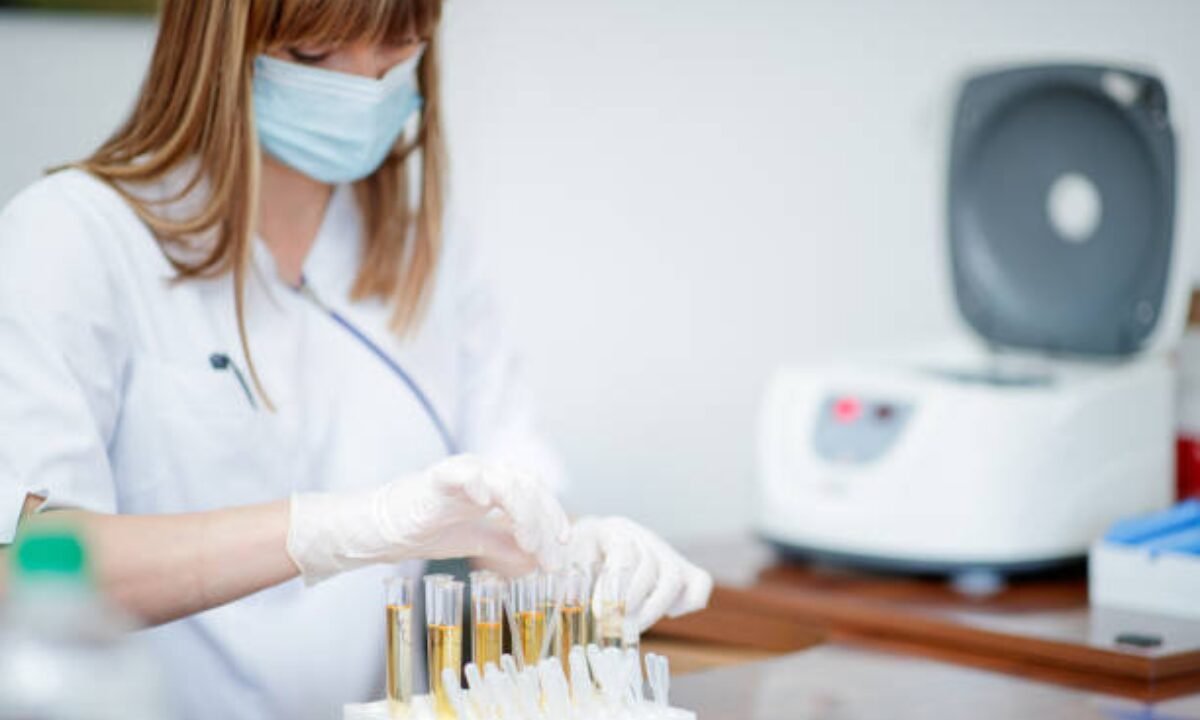
The urine test is a basic, effective tool for assessing your health because it helps you understand your body better, which supports good health maintenance. Urine tests deliver extensive health-related information about your current body condition while facilitating early detection of medical problems. The article will demonstrate five essential health benefits from urine testing procedures.
1. Examining kidney function as well as additional related complications.
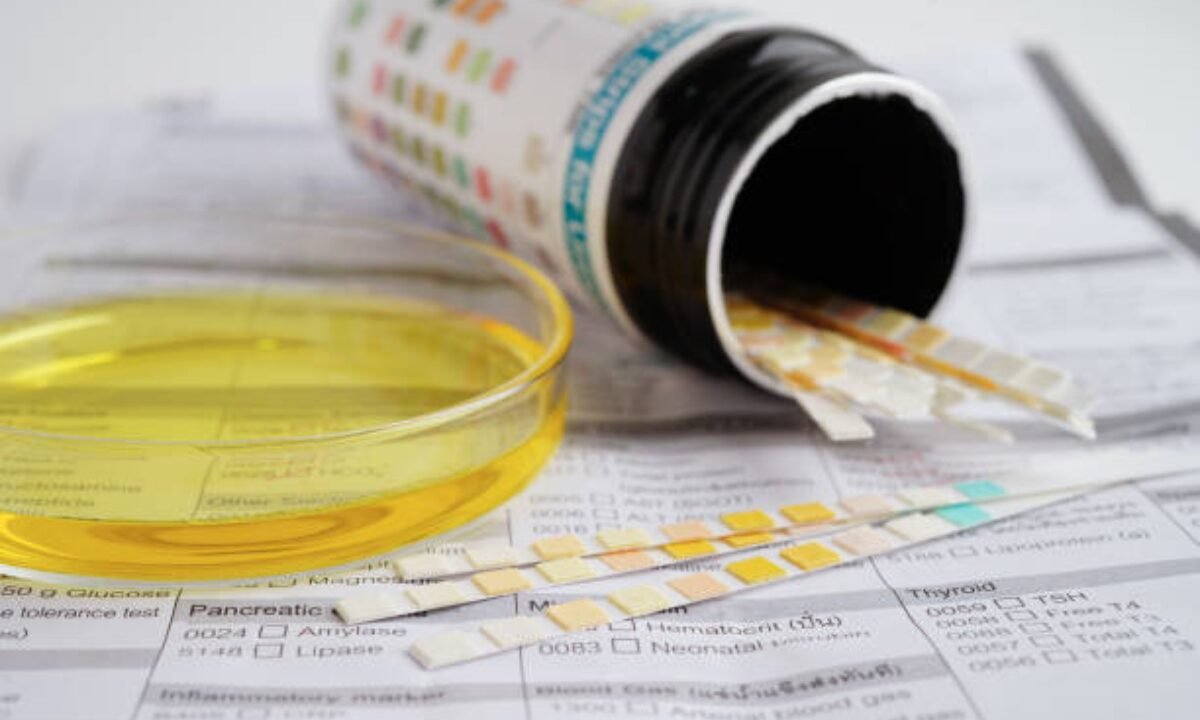
The removal of body waste and fluid management throughout the body depends on kidney functions. Urine tests are widely used to check kidney function as they serve as standard methods for measuring kidney performance. Doctors perform the test to assess abnormal proteins and blood and other urine elements for detecting kidney problems.
Why is this important?
- Kind waste filtration failure by the kidneys leads to elevated protein detection in routine urine tests.
- The test serves to both identify chronic kidney disease conditions and detect early warning signs that stem from hypertension-caused kidney harm.
- Multiple medical facilities located in Bangalore provide detailed kidney evaluation services using urine examination at reasonable costs.
2. Detecting the first signs of diabetes along with prediabetic conditions.
A urine routine test serves as an essential method for discovering symptoms of diabetes and prediabetes because high sugar levels appear in urine samples of patients with both conditions. Detection tests performed at this stage enable you to start taking preventive measures that both control diabetes progression and improve its onset as full diabetes.
What does the test look for?
- The test recognizes urinary glucose as a primary warning sign for prediabetes along with diabetes.
- Significant urine water dilution with urine loss indicates potential problems with sugar metabolic functions.
Consult your healthcare provider because unexplained tiredness combined with persistent thirst makes it necessary to perform a simple urine test to check kidney health and glucose levels.
3. Monitoring Infections and Inflammation
A urine test helps doctors diagnose both urinary tract infections (UTIs) alongside various inflammatory body conditions. Doctors use urine routine tests to confirm bacterial infections based on signs together with symptoms such as urination pain and excessive urinating habits.
What can a urine test reveal?
- Finally, bacterial presence in the sample reveals active kidney or urinary tract infections.
- White Blood Cells: Highlights inflammation or an immune response to infection.
- Blood found in the urine requires medical investigation because it indicates possible stone formation or organ damage.
The selection of professional urine examination in Bangalore enables quick accurate outcomes thus leading to speedy health interventions for infection treatment.
4. Unveiling Dehydration or Overhydration Levels
The simple urine routine test gives you insights into your hydration level performance as your body needs balanced fluids to function properly. Urine measurements of concentration along with color and specific gravity help medical professionals identify dehydration or overhydration in a person.
How does this work?
Dark Concentrated Urine: Sign of dehydration and potential kidney strain.
A very pale diluted urine indicates that you consume too much water because it reduces important electrolytes in your system.
Regular testing of kidney function through urine analysis enables you to track hydration levels so that you avoid dangerous conditions including kidney stones and essential mineral problems.
5. Helping detect additional health problems affecting the body.
A urine test analyzes more than immediate issues because it detects multiple health conditions which generate a detailed overview of your overall health. A urine test can reveal multiple things which include:
- Early Signs of Liver Disease
- The improper function of the liver results in small quantities of bilirubin remaining in urine which serves as an essential diagnostic indicator for liver problems.
- Hormonal Imbalances
- The results from a urine routine test identify particular hormonal shifts in the body.
- Detection of Certain Cancers
The needle test of urine occasionally discovers indicators of bladder and kidney cancers which appear through markers along with blood results.
Urine examination in Bangalore provides people with both cost-effective testing options which help them remain active in their health management regardless of their current location.
Which procedures should I follow for a urine assessment?
1. Stay Hydrated (But Not Overhydrated)
The test requires normal water consumption before the examination. The quantity of water consumption needs balanced control because low amounts will produce concentrated urine yet excessive water intake may erase essential metabolic indicators.
You should avoid large fluid consumption during the 1-2 hours before the first morning urine test when the nurses request the most concentrated specimen.
2. Follow “Clean-Catch” Midstream Sample Guidelines
Washing both hands and the genital area should be done before urine collection to minimize possible contamination. The midstream urine collection should begin with urine flow followed by placing the sterile collection container between the first and final urine drops.
3. Certain foods and medications along with specific drinks should be avoided before a urine test.
The results of tests could be affected by B2 and C vitamins as well as alcohol and caffeine together with high-sugar foods.
Let your doctor know about any medications you take, especially diuretics or antibiotics among others because these medicines may require temporary adjustments during the testing phase.
4. Persons requiring urgent testing should follow fast procedures for specified tests.
A urine test for kidney function or glucose level urine test demands fasting the patient in a specific timeframe of 8-12 hours. Check with the Urine Examination in Bangalore testing facilities such as Koshikaa Diagnostics to determine their requirements.
5. The urine sample must be placed into a sterile container which needs immediate delivery.
The laboratory supplies sterile containers but they do not approve unsterile jars as specimen cups. Utter the specimen to the laboratory facility within one hour but refrigerate it for up to two days in case of delayed delivery.
Conclusion
Lab tests of urine at home possess a medical significance that exceeds most people’s understanding. The analysis reveals important indicators about your health conditions to detect kidney diseases alongside prediabetes and different infections. By scheduling regular doctor visits and performing urine routine tests at proper times you will remain ahead of your wellness progress.
Special tests should be conducted regularly by professionals since diabetes or kidney disease are among your potential health risks. The city of Bangalore has many reputable laboratories that offer precise urine examination results that suit individual healthcare requirements.
The Bangalore testing facility Koshikaa Screening centre delivers dependable and affordable Urine Examinations in Bangalore for patients receiving urine tests to check kidney function and standard health monitoring.
Early detection through regular urine tests remains essential to achieve better health outcomes and these tests enable a more knowledgeable and healthier approach to life.