
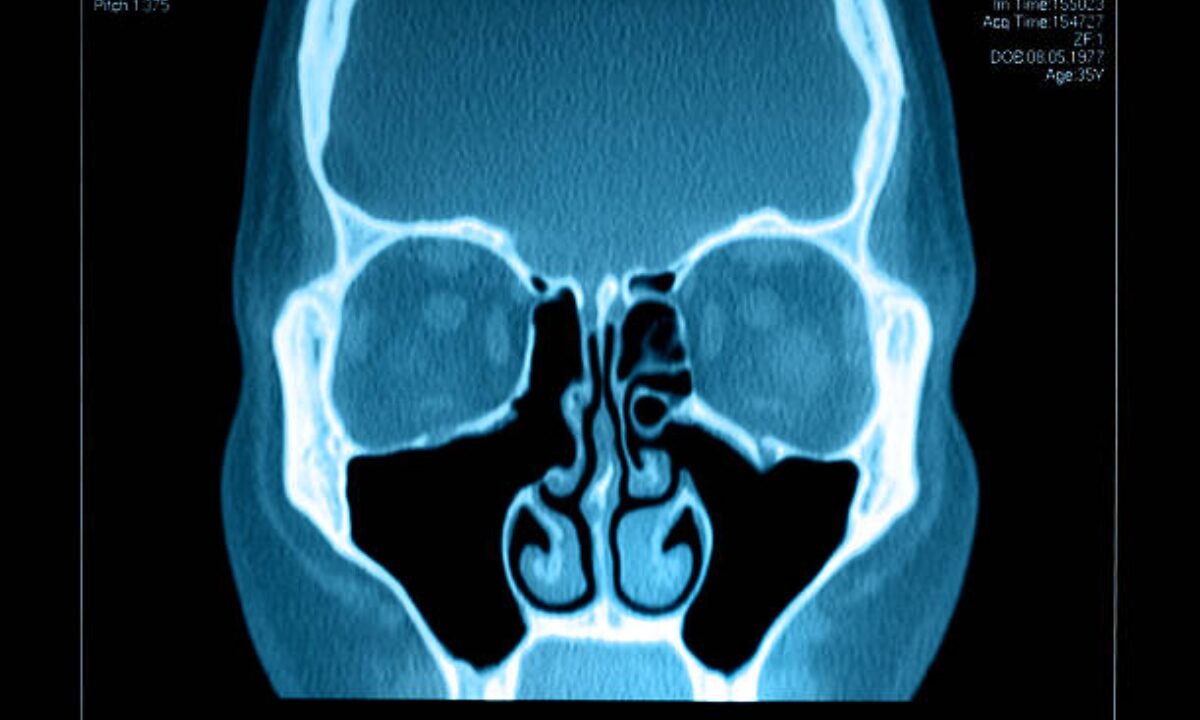
A Sinus CT Scan remains among the standard medical procedures for obtaining comprehensive sinus images throughout the facial structures. The medical technique enables proper diagnosis of infection-related issues alongside inflammation conditions and blockages along with structural abnormalities in the sinuses. This article will explain key aspects of Sinus CT Scans by explaining their functioning process and preparation guidelines as well as their significance in modern medical diagnostics.
What Is a Sinus CT Scan?
A Sinus CT Scan functions through X-ray technology to generate multi-dimensional pictures of facial sinus structures together with adjacent anatomical regions. A CT scan differs from standard X-rays because it generates three-dimensional internal images while traditional X-rays provide only two-dimensional visibility. Through an improved imaging perspective, doctors perform more precise diagnoses of sinus conditions.
What is it used for?
Medical professionals perform sinus CT scans for several diagnostic purposes. A sinus CT scan serves physicians in their evaluation of sinus infections together with chronic sinusitis and nasal polyps along with tumours and any facial discomfort with no explanation. The procedure enables both surgeons and doctors to assess structural abnormalities including septal deviations and examine sinus health before operating on patients.
Normal Sinus CT Scan vs Abnormal: What’s the Difference?
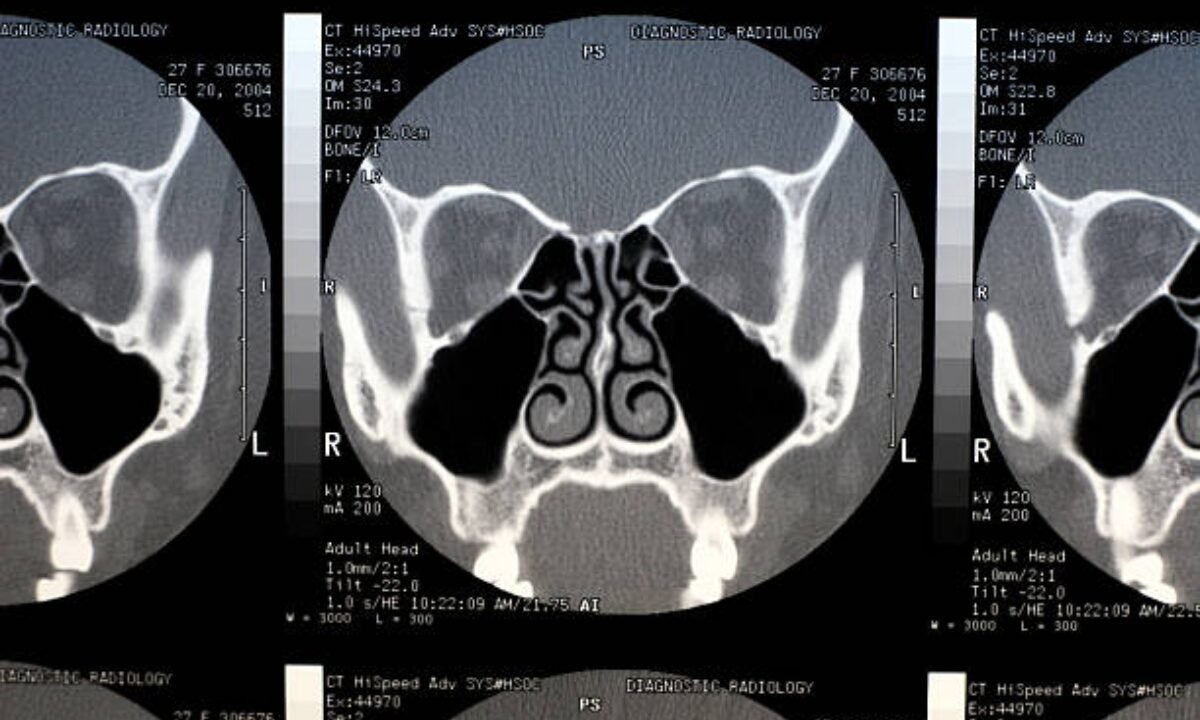
Medical professionals need to evaluate CT scan results by deciding if the viewed sinuses show normal or abnormal characteristics. The sinuses appear normal in standard CT imaging because they show both air pockets and lack any indication of swelling as well as growth abnormalities or blockages. There are no infections, and all sinus passages appear in their natural state.
On the other hand, an abnormal sinus CT scan indicates some kind of problem. This could be a sinus infection, fluid accumulation, nasal polyps, or structural deformities.
The appearance of sinus clouding along with blocked tissue usually means the patient has sinusitis or inflammation. A sinus CT scan enables doctors to make precise diagnoses through normal versus abnormal distinction which leads to correct treatment decisions.
How Do I Prepare for a Sinus CT Scan?
A sinus CT scan requires simple steps of preparation, although following these procedures leads to successful results.
1. Discuss all your existing medical situations and allergy history with your doctor.
Let your doctor be aware of active medical conditions including allergies together with diabetes and pregnancy before the scheduled scan. It becomes crucial to inform the doctor about potential adverse reactions to contrast dye because the scan process involves its use.
2. Wear Comfortable, Metal-Free Clothing
The imaging process will face disruptions because of metal items such as jewelry including glasses or hairpins. A simple non-metal clothing selection is recommended since screening technicians might need you to remove items.
3. Specific directions about using contrast dye must be followed by patients
Your doctor will require you to fast food and beverages before obtaining a contrast-enhanced sinus CT scan. Post-procedure drinking ample amounts of water aids in clearing the contrast dye from your system.
4. Your scanning process will be optimized by staying motionless while keeping calm throughout the test duration.
The examination process consumes around 10-15 minutes of time. Clear results will be attained by staying motionless throughout the imaging process. The technician will assist you throughout the process therefore remaining calm and relaxed.
The simple instructions presented here will enable you to enter your sinus CT scan experience without anxiety.
Benefits of a Sinus CT Scan
Using a sinus CT scan provides patients with multiple distinct benefits, which establishes it as a top-diagnostic method for managing sinus complaints.
Accurate Diagnosis
CT scanning technology reveals far superior image details than regular procedures which helps doctors identify tiny nasal abnormalities.
Non-Invasive and Painless
Your sinus CT scan takes place without any invasive procedures because the complete process is mechanically performed and completely painless. It serves as the top diagnostic method for population groups of any age.
Time-Efficient
CT scans that assess the sinuses usually finish within 15 minutes of the procedure time. Treatment decisions become speedier because results become available shortly after the completion of the examination.
Pre-Surgical Mapping
The scan creates essential guidance that surgeons need before performing sinus surgery on patients experiencing recurring sinus conditions. The procedure pinpoints important areas that surgeons should handle throughout the surgical process.
CT Scan in Bangalore: Why Location Matters
Any person recommended to undergo a sinus CT scan in Bangalore can find multiple trusted healthcare facilities with modern imaging technology across the city. Patients who select health screening centre that employ professional radiologists access both exact diagnosis and dependable care. The established status of Bangalore as a medical center provides you with multiple healthcare facilities that deliver international standard diagnostic services.
When Is a Full Body Checkup in Bangalore Beneficial?
Your attention to sinus care needs to be paired with a full body checkup in Bangalore particularly when you have existing medical issues. Health screening facilities throughout the city supply complete diagnostic bundles to evaluate different body systems. Through complete body testing you gain complete health insight and simultaneously detect additional health problems affecting your respiratory system which influences your sinus function.
Is a Sinus CT Scan Safe?
People express security concerns about medical imaging testing because radiation exposure frequently comes into play. The low radiation levels within sinus CT scans make them secure for general patients. CT scanners today achieve maximum radiation safety standards alongside their goals for producing clear imaging data. Women who are pregnant as well as patients with medical issues should speak with their doctor before getting this procedure because it involves radiation exposure.
The important diagnostic advantages of sinus CT scans substantially surpass the minimal safety risks that exist during medical procedures for the general patient population.
Where to Get a Sinus CT Scan in Bangalore?
A reliable site for sinus CT scan purposes in Bangalore requires patients to select a centre with established professional excellence. Avoid facilities that lack experienced radiologists or modern medical equipment because these conditions provide enhanced care to patients. You should always look at patient reviews and also ask your doctor to suggest the most reliable facilities in Bangalore.
Conclusion
Sinus CT scanning stands as an essential examination method to deliver critical information about your sinus health. This diagnostic imaging technology enables doctors to understand both chronic sinus infections and unidentified facial discomfort to decide appropriate medical treatment. Understanding the difference between a normal sinus CT scan vs abnormal findings allows patients to better comprehend their diagnosis and treatment plan.
Finally, if you’re located in Bangalore, rejoice in the fact that there are excellent facilities for CT scan as well as the option of a full body checkup in Bangalore, offered by many reputable health screening centers.
Your health control begins when you prepare with expert guidance which enables you to improve your life quality.
Koshikaa provides patients with extensive packages for full body checkups in Bangalore and personalized health evaluations through their diagnostic processes to promote patient wellness.