
Introduction
Getting a mammography can be stressful. And what’s worse than the stress? Getting a false positive result—when the test shows something suspicious, but it turns out to be nothing. For women in Bangalore, Koshikaa is changing that story.
With advanced Digital Mammography with Tomosynthesis, Koshikaa is reducing the number of unnecessary scares and biopsies. If you’ve ever worried about mammogram results or felt confused by medical jargon, this blog is here to simplify it. Read on to discover how this cutting-edge technology brings peace of mind and accuracy to breast health.
What Is Digital Mammography with Tomosynthesis?
Let’s break it down.
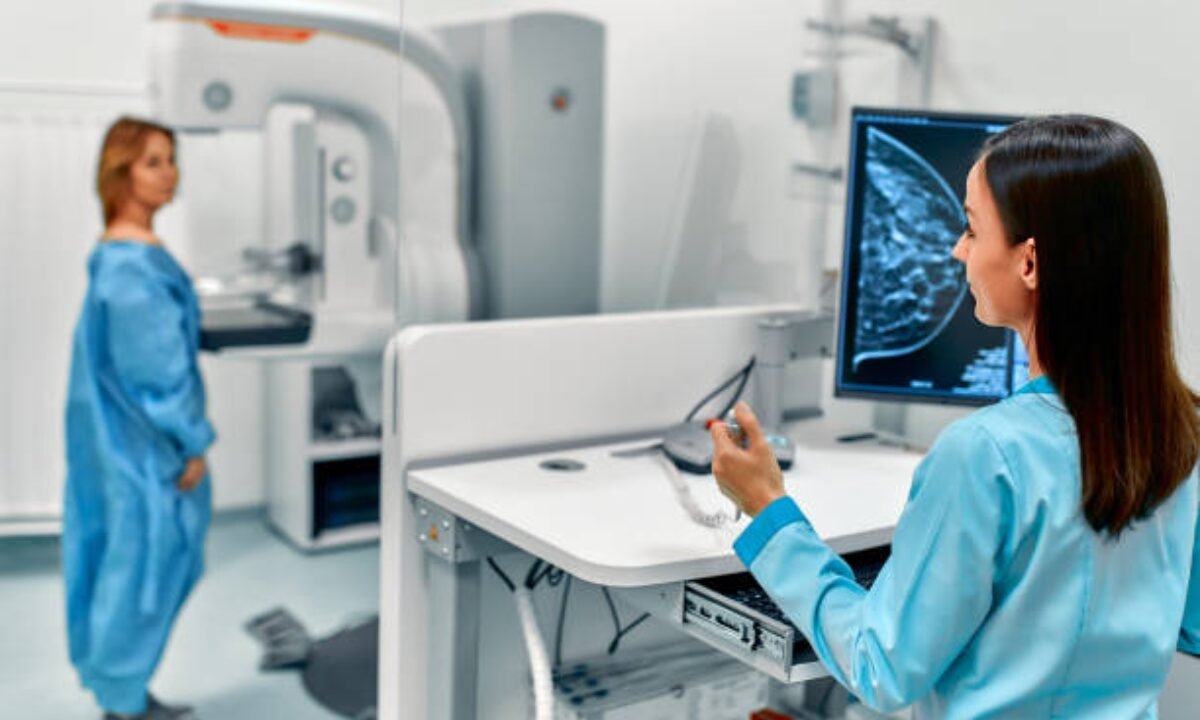
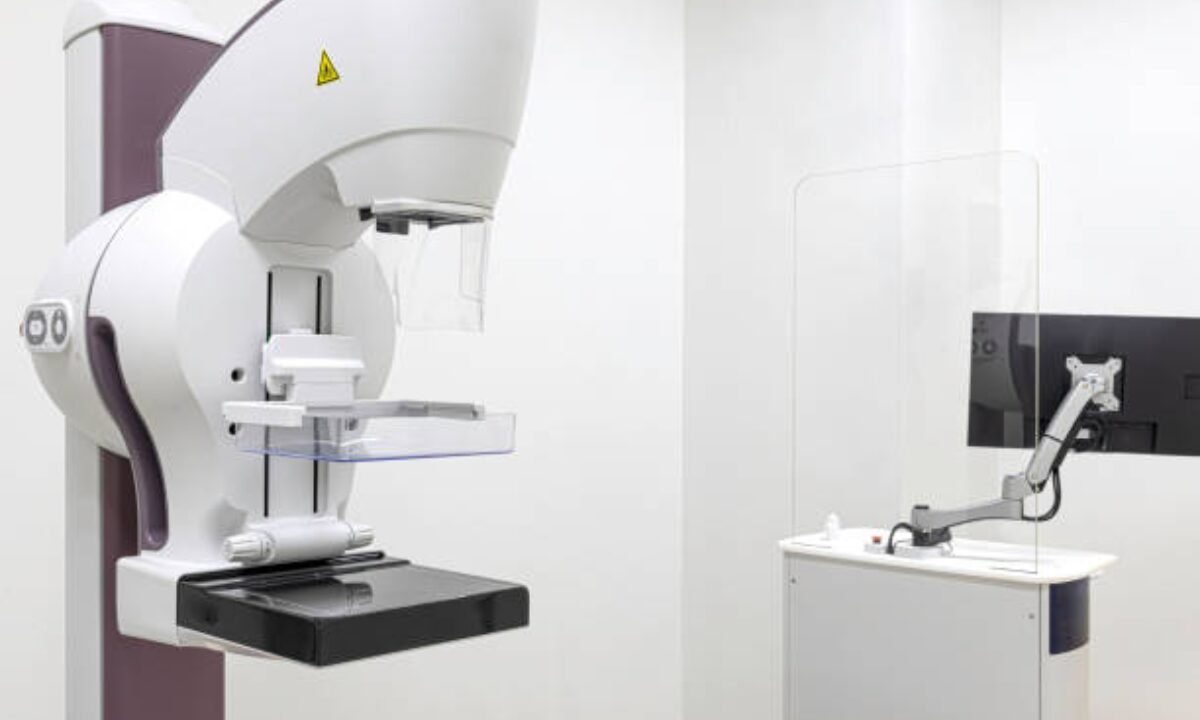
- Digital Mammography is a modern form of breast X-ray that captures images electronically.
- Tomosynthesis, or 3D mammography, takes a step further by capturing multiple images from different angles and creating a layered, 3D picture of the breast.
Together, they create a clear, precise image that helps doctors detect even the smallest abnormalities, without jumping to conclusions.
How Does It Reduce False Positives?
Here’s the big question. Let’s answer it with clarity and compassion.
1. Eliminates Overlapping Tissue Confusion
In traditional 2D mammography, overlapping breast tissues can look suspicious. But with tomosynthesis, doctors can look at thin “slices” of the breast, removing the confusion caused by overlapping tissue. This means:
- Fewer callbacks
- Fewer unnecessary biopsies
- More accurate readings
2. Greater Visibility for Dense Breasts
Did you know that over 40% of Indian women have dense breast tissue? This makes detecting tumors harder with standard mammograms. Digital mammography tests improves visibility, especially in dense tissue, allowing doctors to spot real concerns while ignoring false alarms.
3. Proven Results from Research
A major study published in the Journal of the American Medical Association (JAMA) found that tomosynthesis reduces false positives by up to 40%. That’s a big win for emotional and financial peace of mind.
4. Better for Follow-ups and Early Detection
False positives often lead to extra testing, anxiety, and costs. At Koshikaa, tomosynthesis is used in both routine screenings and follow-ups. This ensures:
- Faster clarity on previous findings
- Earlier detection of real issues
- Peace of mind for women undergoing checkups
Why Choose Koshikaa for Mammography in Bangalore?
When it comes to Mammography in Bangalore, Koshikaa stands out for several reasons:
1. State-of-the-Art Technology
Koshikaa uses premium-grade digital tomosynthesis systems trusted by radiologists worldwide. This isn’t just tech—it’s life-saving innovation tailored to Indian women.
2. Expert Radiologists
Their team includes highly trained breast imaging specialists who know how to interpret 3D mammograms with skill and accuracy.
3. Woman-Friendly Environment
Every woman deserves to feel comfortable during a mammogram. Koshikaa provides:
- Female technicians
- Private, clean exam rooms
- Compassionate support throughout
4. Quick Reports with Clarity
You won’t be left waiting for results or lost in medical language. Reports are quick, clear, and focused on your well-being. Learn more about their services for Mammography in Bangalore.
FAQs About Digital Mammography with Tomosynthesis at Koshikaa
Is this technology safe?
Absolutely. It uses low-dose radiation and is FDA-approved for breast cancer screening. Tomosynthesis exposes you to only slightly more radiation than a regular mammogram, well within safety limits.
Is it more painful than a regular mammogram?
No. The experience feels nearly the same as a traditional mammogram. The machine might take a few more seconds for each image, but the comfort level is the same.
Will my insurance cover this?
Many insurance providers now recognize the value of 3D mammograms. Check with your provider—Koshikaa also offers affordable packages.
How often should I get screened?
For most women over 40, annual screening is recommended. However, if you have a family history or other risk factors, your doctor may suggest earlier.
Do I need a referral to get this done at Koshikaa?
No referral needed! You can book an appointment directly on their website or by calling the centre.
Real Stories. Real Impact.
1. Radhika, 46, from Indiranagar, shared:
“I had a scare last year. My earlier clinic asked me to come back for more scans. At Koshikaa, they used tomosynthesis and told me it was just overlapping tissue. I cried tears of relief. They were professional, quick, and kind.”
2. Anita, 52, from Whitefield, said:
“Dense breasts run in my family. Koshikaa’s 3D mammogram helped detect an early-stage lump that the old scans missed. Thanks to them, I got treatment early.”
Conclusion
If you’re frustrated by unclear mammogram results or false alarms, get clarity and peace of mind with Digital Mammography with Tomosynthesis at Koshikaa Screening Centre.
For Bangalore women, it’s more than just a test—it’s clarity, confidence, and control over your health.
Take the step today. Because when it comes to breast health, clarity is everything. Book your mammogram at Koshikaa today.