
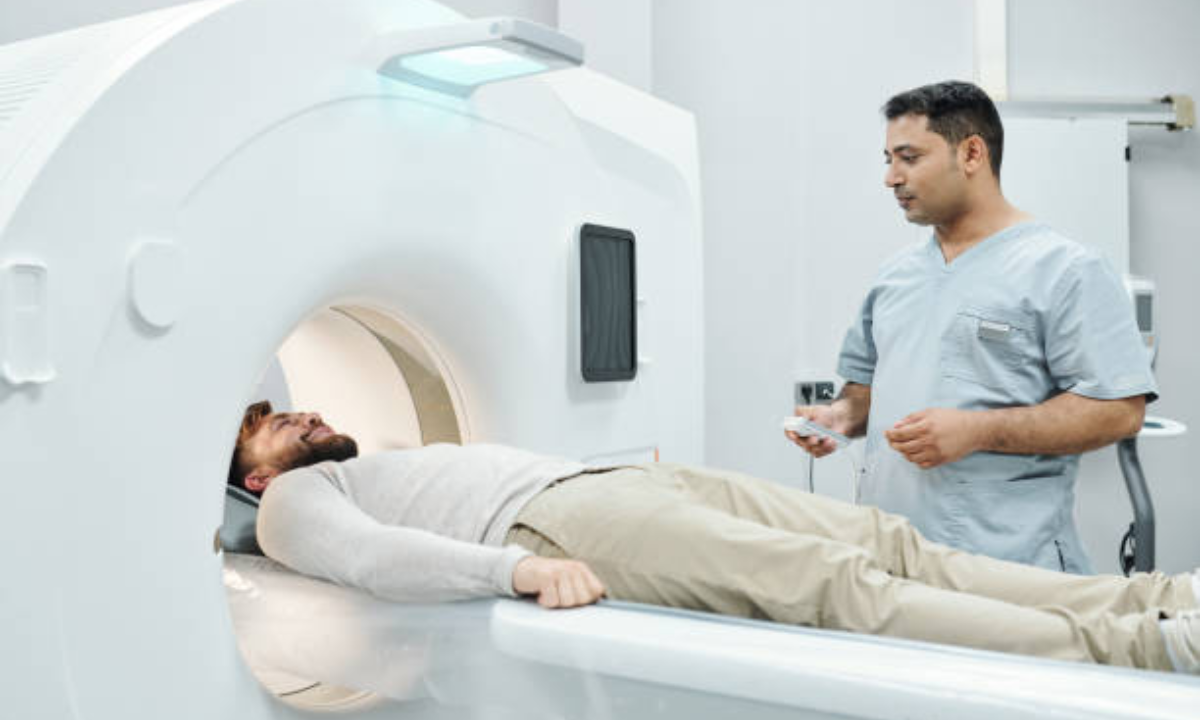
CT scans use contemporary imaging technology to produce detailed images of the body’s interior systems. Unlike traditional X-rays, CT scans combine multiple X-ray images taken from various angles around the body. These images are then interpreted by a computer, which creates more detailed cross-sectional “slices” of organs, bones, and tissues.
The process starts with the patient resting on a table that glides into a doughnut-shaped CT scanner. Inside, an X-ray tube spins around the subject, taking a sequence of photographs as it goes. A detector on the opposite side detects X-rays as they pass through the body. The computer then converts the measurements into detailed 3D images. Many clinics in Bangalore provide CT Scan, a contemporary diagnostic tool that allows doctors to precisely identify and treat a wide range of medical conditions.
CT scans Play a Significant Role in Medical Diagnosis.
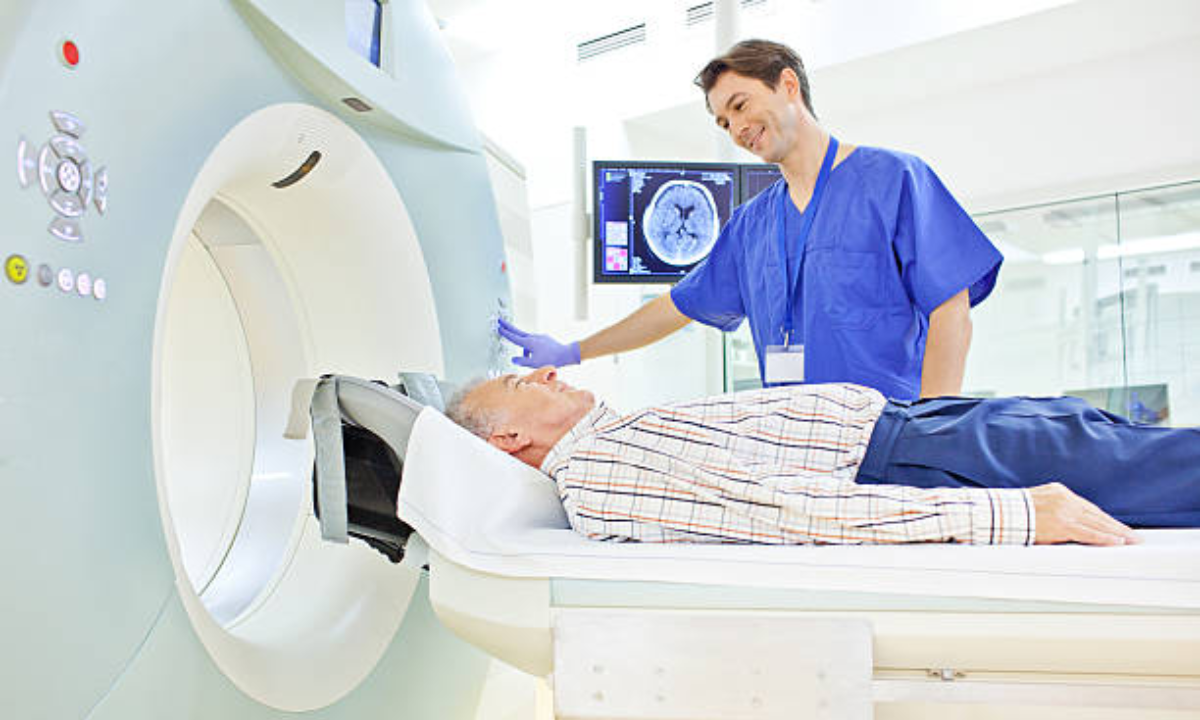
CT scans are essential tools in modern medical diagnostics, offering significant benefits over traditional X-rays and other imaging modalities. Here is why they matter:
CT scans provide exceptionally detailed images of soft tissues, bones, and blood vessels, which improves diagnostic accuracy. This level of information is critical for detecting tiny irregularities that other methods might overlook.
CT scanning is quick and non-invasive, making it ideal for emergency situations that require immediate, precise imaging. This efficiency allows for faster decision-making and treatment.
CT scans can diagnose a variety of problems, including tumors, internal bleeding, fractures, and infections. They provide essential information for more effective treatment planning.
A respected health screening centre in Bangalore provides CT scans, which allow for precise diagnosis and timely medical treatment.
Advantages of CT Scans
CT scans offer numerous significant advantages, making them indispensable in medical imaging.
High Resolution: They produce ultra-high-resolution images capable of detecting even the most minute details in the body. This level of precision is required for an accurate diagnosis and treatment strategy.
Speed: The CT scanning procedure is short, generally taking only a few minutes. This rapid approach is especially important in emergencies because prompt imaging can have a significant impact on patient outcomes.
Versatility: CT scans are versatile and can be used to examine a variety of body parts, such as the head, chest, belly, and pelvis. Because of their common use, they are critical for identifying a wide range of illnesses.
Guidance for Treatment: CT scans can aid in diagnosis and treatment. They help with the planning and monitoring of actions, such as inserting biopsy needles or evaluating the efficacy of ongoing treatments.
Understanding the Many Types of CT scans.
CT scans are classified into several types, each of which is intended to meet distinct diagnostic purposes.
Standard CT Scan: This type produces basic cross-sectional images of the body and is commonly used for diagnostic purposes. It offers a broad perspective that can aid in the diagnosis of a variety of diseases.
CT Angiography: CT Angiography which focuses on imaging blood vessels, is critical for diagnosing vascular problems such aneurysms, blockages, and other anomalies. It generates detailed images of the blood arteries, which aids treatment planning.
CT Enterography: CT enterography examines the gastrointestinal tract and creates comprehensive images of the intestines. It is especially useful for detecting and monitoring gastrointestinal issues, such as inflammatory bowel disease.
High-Resolution CT Scan: This type generates images that are even more detailed than standard CT scans. It is frequently used to evaluate lung disorders such as chronic obstructive pulmonary disease (COPD) or interstitial lung disease when precise data are required for correct diagnosis.
The Importance of CT Scans in Early Detection and Prevention of Diseases
Early identification is critical for effective treatment and better health outcomes, and CT scans play an important part in this process.
Cancer Detection: CT scans are useful in detecting malignancies in their early stages. By detecting malignant growths early, these scans enable earlier intervention, which is crucial for improving prognosis and treatment success. CT imaging delivers detailed information to patients undergoing cancer diagnosis and treatment, which can have a significant impact on treatment planning.
Trauma Assessment: CT scans are crucial for swiftly detecting internal injuries in emergencies such as car accidents. They produce clear images that clinicians may use to promptly assess and treat interior damage, which is essential for timely and effective therapy.
Chronic Condition Monitoring: CT scans can also be used to monitor chronic conditions such as chronic obstructive pulmonary disease (COPD) and inflammatory bowel disease (IBD). They enable continuous examination of critical circumstances, ensuring that any changes are detected early and addressed effectively.
Overall, CT scans are useful tools for early disease detection and continuing monitoring, resulting in better diagnosis and treatment outcomes.
Conclusion: The Use of CT Scans in Modern Healthcare
CT scans have become an essential component of modern healthcare, producing precise and accurate images of the human body. Their capacity to diagnose a wide range of disorders, acute and chronic, makes them extremely helpful in medical practice. CT scans generate high-resolution images that aid in precise diagnosis and treatment planning, hence improving patient care and results. As technology advances, CT scans become more accurate, resulting in better healthcare solutions.
To summarize, the significance of understanding how CT scans function and its role in healthcare cannot be overemphasized. CT scans, whether used for routine diagnostics or emergency medical treatments, provide critical information that allows healthcare providers to make informed decisions. Individuals wanting advanced imaging services can get a CT Scan in Bangalore, which provides access to these vital diagnostic tools and ensures complete and effective patient treatment.
Koshikaa Screening Centre offers a wide range of comprehensive cancer screening services, ensuring accurate results and personalized health care. Contact us today at +91 7996666106