

At Koshikaa, a full body checkup is one of the most important gifts you can give yourself.
It’s not just about finding out if something’s wrong; it’s about knowing exactly how your body is doing right now so you can take control of your health before problems start.
We’ve seen how early detection changes lives. A small change in a blood test today could save you from major health issues tomorrow.
What is a Full Body Checkup?
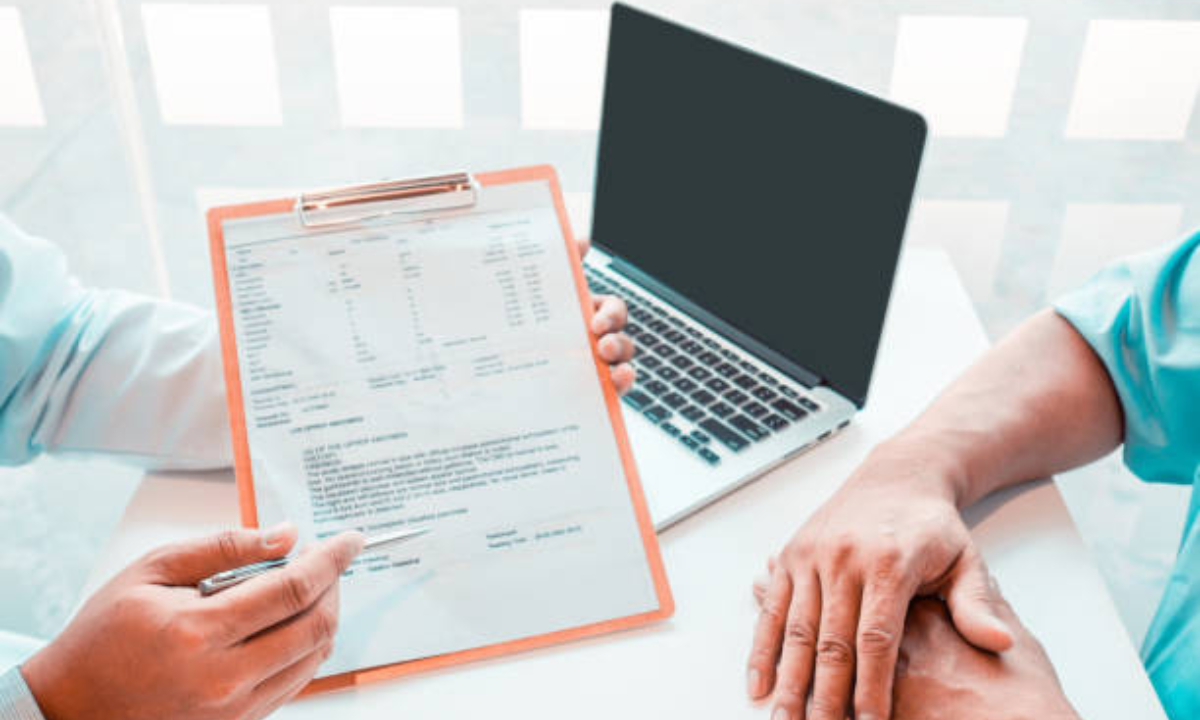
So, what exactly is a full-body checkup?
Think of it as a health report card. It’s a set of medical tests that examine different systems in your body: heart, liver, kidneys, thyroid, and more, all in one go.
Instead of guessing how healthy you are, you’ll have real numbers, real images, and real answers.
It’s especially important because many illnesses start silently. You may feel fine today, but a checkup can reveal early signs of high cholesterol, diabetes, thyroid imbalances, or even organ stress before symptoms appear.
What All Tests Are Included in a Full Body Checkup?
You might wonder: what tests are included in a full body checkup?
The exact list can vary, but here’s what most standard packages offer:
| Category | Common Tests |
| Blood Panel | CBC (Complete Blood Count), Fasting Blood Sugar, Lipid Profile, Liver Function Test (LFT), Kidney Function Test (KFT), Thyroid Profile |
| Urine Analysis | Detects infections, sugar, protein, and hydration status |
| Cardiac Tests | ECG, Echocardiogram (ECHO), Stress Test (if needed) |
| Imaging | Chest X-ray, Abdominal Ultrasound |
| Special Tests | Vitamin D, Vitamin B12, PSA (for men), Pap Smear or Mammogram (for women) |
We often recommend tailoring these tests to your age, lifestyle, and family history. For example, if your parents have diabetes, you may need more frequent sugar level checks.
Why the Full Body Checkup Blood Test Is So Important
The full body checkup blood test is where we usually find the most valuable insights.
Here’s why:
- CBC tells us about your immune system and detects anemia or infection.
- Lipid Profile gives early warnings of heart disease.
- Blood Sugar Levels can catch diabetes before it causes complications.
- Liver & Kidney Panels tell us how well your organs are functioning.
Blood doesn’t lie; it reflects everything from your diet and stress to your lifestyle habits. That’s why these tests are at the heart of any full-body checkup.
Finding a Good Health Screening Centre in Bangalore
If you’re in Bengaluru, you’re lucky; there’s no need to look further for a health screening centre in Bangalore.
At Koshikaa, you will find that we offer everything from basic packages to advanced screenings.
We always advise choosing a center that:
- Uses NABL-accredited labs for accuracy.
- Offers both basic and advanced packages.
- Provides doctor consultations with your reports.
- Has staff who explain results in simple terms
Full Body Checkup Cost in Bangalore – What to Expect
We get this question all the time: What’s the full body checkup cost in Bangalore?
The cost depends on how detailed you want the checkup to be. Here’s a rough guide:
| Package Type | Price Range (Bangalore) |
| Basic (Blood + Urine Tests) | ₹1,000 – ₹2,500 |
| Intermediate (Blood + Urine + Imaging) | ₹3,000 – ₹5,000 |
| Advanced (Includes ECG, Ultrasound, Vitamins, Hormones) | ₹6,000 – ₹10,000+ |
Tip: Many centers run special offers during health camps or on specific days. Booking online can sometimes save you 10–20%.
Why a Full Body Checkup in Bangalore or Anywhere Is Worth It
Whether you’re booking a full body checkup in Bangalore or anywhere else, the benefits are huge.
- Early Detection: Most health problems are easier and cheaper to treat when caught early.
- Peace of Mind: You’ll know exactly how you’re doing, even if you feel healthy.
- Preventive Care: You can make lifestyle changes before things get worse
A Real-Life Example from Our Experience
One of our patients, a 42-year-old IT professional in Bangalore, booked his first full body checkup after years of postponing.
He felt fine but decided to do it after a friend had a sudden heart scare.
His results showed:
- Slightly high LDL cholesterol.
- Early fatty liver changes.
- Vitamin D deficiency.
He changed his diet, started morning walks, and took supplements. Three months later, his cholesterol and liver enzymes were back in the normal range.
All this without any medication, just because we caught it early.
Tips to Get the Most Out of Your Full Body Checkup
- Fast Before Your Test: Usually 8–12 hours without food (water is fine).
- Book Morning Slots: Fresher samples mean more accurate readings.
- Bring Old Reports: Helps the doctor compare changes over time.
- Be Honest: Share lifestyle habits, even the unhealthy ones; it’s confidential.
- Follow Up: Don’t just read the report, discuss it with your doctor.
FAQ on Full Body Checkups
Q: How often should I get a full body checkup?
We recommend once a year if you’re healthy. If you have risk factors like diabetes, hypertension, or a family history of heart disease, you may need it every 6 months.
Q: Do I need every single test every year?
Not always. Some imaging tests can be spaced out unless your doctor advises otherwise.
Q: Are all health screening centres the same?
No. Choose one with quality certifications, experienced staff, and clear report explanations.
Q: Can I do a checkup at home?
Some packages include home sample collection for blood and urine tests, but imaging will require a visit to the center.
Final Thoughts
At Koshikaa, we’ve seen firsthand how a simple full-body checkup in bangalore can prevent major health problems.
It’s not just about tests; it’s about giving yourself the knowledge and confidence to live healthier.
So whether you’re searching for a health screening centre in Bangalore, comparing full body checkup cost in Bangalore, or just curious about what all tests are included in a full body checkup, remember, your health is your biggest investment. And we’ll always be here to guide you on that journey.