
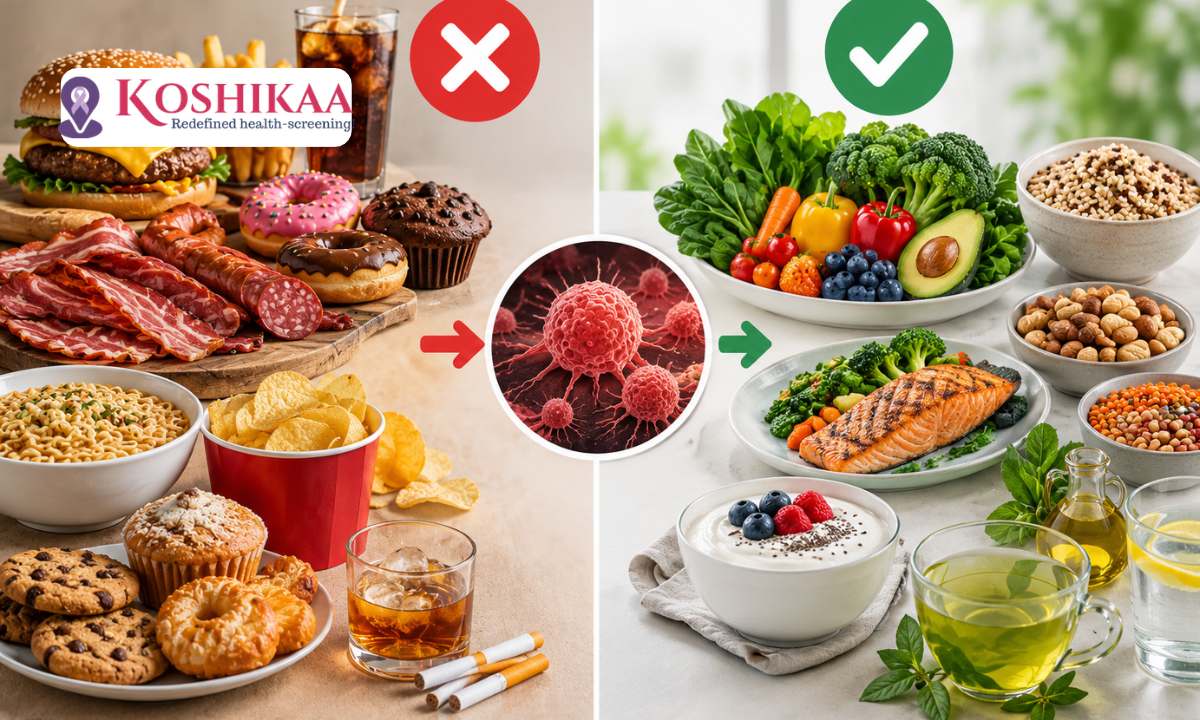
What we eat every day shapes our long-term health in ways that are easy to overlook. Alongside tobacco, physical inactivity and excess body weight, diet is one of the lifestyle factors that research has linked to the risk of developing certain cancers.
That does not mean a single meal or a single food will cause cancer. Cancer develops through a complex mix of factors, including age, genetics, infections and environmental exposures, and no diet can remove the risk entirely. What the evidence does show is that some foods and drinks are associated with a higher risk of particular cancers when they are consumed regularly, while an overall healthy eating pattern may help lower risk.
Understanding which foods increase cancer risk, and what to choose instead, gives you practical, realistic steps you can take. This guide looks at five categories of foods and drinks worth limiting, explains how strong the evidence is for each, and suggests everyday alternatives that suit Indian kitchens.
1. Processed Meat and Excessive Red Meat
Why Processed Meat May Increase Cancer Risk
Processed meat is meat that has been preserved by salting, curing, smoking or adding chemical preservatives. Common examples include bacon, sausages, ham, salami, hot dogs and many packaged cold cuts.
In 2015, the World Health Organization’s International Agency for Research on Cancer (IARC) classified processed meat as carcinogenic to humans, based on sufficient evidence linking it to colorectal cancer. IARC estimated that every 50 grams of processed meat eaten daily increases the risk of colorectal cancer by about 18 per cent.
Red meat, such as beef, pork, lamb and mutton, was classified separately as probably carcinogenic to humans, as the evidence is more limited. This classification reflects the strength of the evidence, not the size of the risk. It does not mean red meat is as harmful as tobacco. It does suggest that eating large amounts regularly is best avoided.
Healthier Alternatives to Processed Meat
You do not need to give up meat entirely to lower your intake. Practical steps include:
• Replacing processed meats with fresh fish, poultry or eggs
• Building more meals around dal, rajma, chana, sprouts, tofu and paneer
• Keeping red meat to smaller portions and fewer days a week
• Adding nuts and seeds as snacks instead of packaged meat products
Indian cuisine already offers a wide variety of protein-rich plant dishes, which makes reducing processed meat easier than many people expect.
2. Alcoholic Drinks
How Alcohol Is Linked to Cancer
Alcohol is one of the most clearly established modifiable causes of cancer. It is classified as carcinogenic to humans and is linked to cancers of the mouth, throat, voice box, oesophagus, liver, bowel and breast.
When the body breaks down alcohol, it produces a substance called acetaldehyde, which can damage DNA. Alcohol can also affect hormone levels and increase the harmful effects of tobacco when the two are combined.
Importantly, there is no level of drinking that is known to be completely free of cancer risk. The risk generally rises the more a person drinks, so reducing intake is beneficial even if you do not stop completely.
Practical Ways to Reduce Alcohol Intake
• Choose alcohol-free days each week
• Opt for water, sparkling water with lime, nimbu pani without sugar or non-alcoholic alternatives at social events
• Use smaller glasses and avoid topping up drinks
• Avoid drinking to relax after a long day by finding other routines, such as a walk or exercise
If you find it difficult to cut down or stop drinking, speak to a doctor. Professional support is available and can make a real difference.
3. Sugary Drinks and High-Sugar Foods
What Is the Connection Between Sugar, Weight and Cancer Risk?
Soft drinks, sweetened packaged juices, energy drinks and frequent sweets and desserts can add a large number of calories without making us feel full. Over time, this can contribute to weight gain.
Excess body fat is linked to an increased risk of several cancers, including bowel cancer, postmenopausal breast cancer and cancers of the womb, kidney, liver and pancreas. This is the main reason health organisations recommend limiting sugary drinks.
It is important to be clear about what the evidence does and does not say. Sugar itself has not been proven to directly cause cancer, and the common claim that sugar “feeds” cancer is an oversimplification. Avoiding sugar alone will not prevent cancer, but cutting back on sugary drinks can help with weight management and overall health.
Healthier Alternatives to Sugary Drinks
• Water, plain or infused with mint, cucumber or lemon
• Unsweetened buttermilk (chaas) or plain milk where suitable
• Unsweetened tea or coffee
• Tender coconut water in moderation
Choose whole fruit instead of fruit juice where possible. Whole fruit contains fibre, which helps you feel full and slows the release of sugar into the bloodstream.
4. Ultra-Processed Foods and Highly Refined Snacks
Which Processed Foods Should You Limit?
Ultra-processed foods include many packaged snacks, chips, instant noodles, biscuits, confectionery, sugary breakfast cereals and fast-food meals. These products are often high in calories, salt, sugar and unhealthy fats, and low in fibre and nutrients.
Research has linked diets high in ultra-processed foods to weight gain, and some studies have suggested an association with certain cancers. However, the evidence is still developing, and it is difficult to separate the effect of the food itself from the wider dietary pattern.
It is also worth remembering that not every processed food is unhealthy. Frozen vegetables, pasteurised milk, plain curd, tinned pulses and some whole-grain packaged foods can all be part of a nutritious diet. The goal is to make minimally processed foods the foundation of your meals, not to avoid anything in a packet.
Better Everyday Food Choices
• Choose whole grains such as oats, ragi, jowar, bajra, whole-wheat roti and brown rice more often
• Snack on roasted chana, fruit, nuts or homemade poha instead of packaged chips
• Add vegetables, pulses and other fibre-rich foods to most meals
• Check nutrition labels for added sugar, sodium and saturated fat
Fibre from whole grains, vegetables and pulses is associated with a lower risk of bowel cancer, so these swaps offer a double benefit.
5. Frequently Burnt, Charred or Deep-Fried Foods
Does Cooking Method Matter?
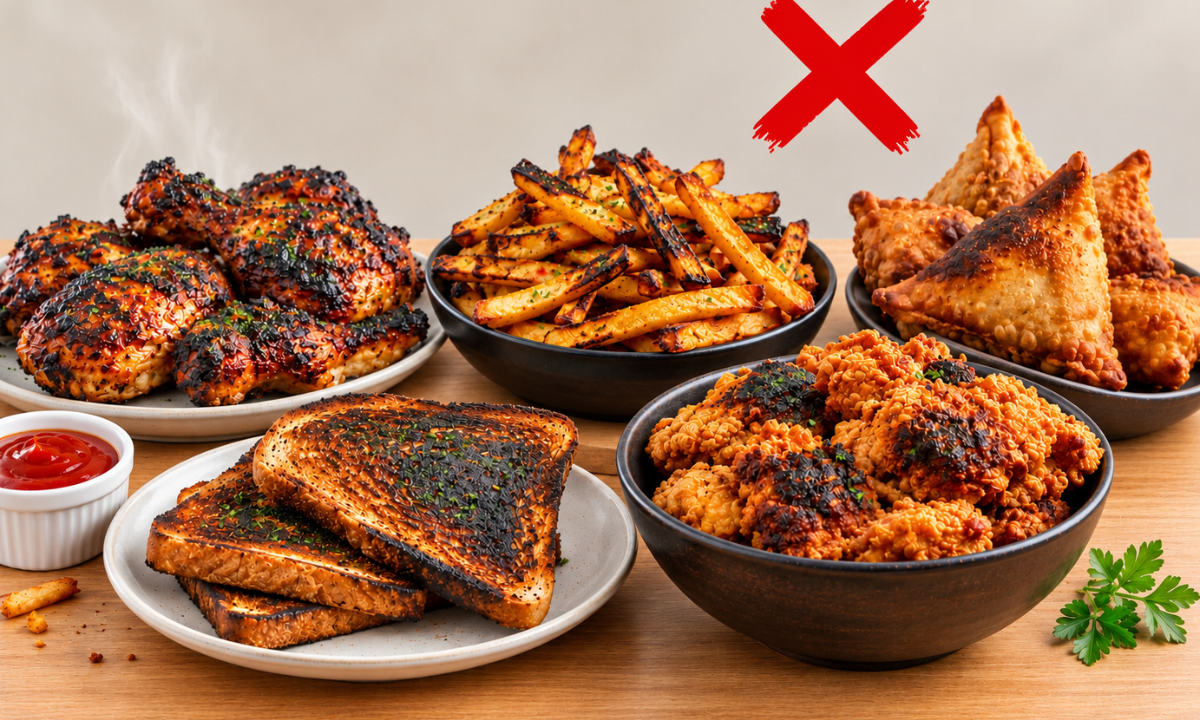
Cooking meat at very high temperatures, especially over an open flame or until charred, can produce compounds called heterocyclic amines and polycyclic aromatic hydrocarbons. In laboratory studies, these compounds have been shown to damage DNA.
The evidence in humans is more complex, and there is no reason to believe that an occasional barbecue or tandoori meal will cause cancer. The concern relates mainly to frequently eating heavily blackened or burnt meat over many years.
Deep-fried foods, such as samosas, pakoras and fried snacks, are also high in calories. Eating them often can contribute to weight gain, and repeatedly reusing frying oil is best avoided.
Healthier Cooking Methods
• Steam, pressure cook, bake, stew or sauté foods more often
• Marinate meat before grilling and cook it over moderate heat
• Trim off any heavily charred or blackened portions
• Enjoy fried snacks as occasional treats rather than daily foods
Variety is the key. There is no need to ban grilled or fried foods entirely; simply make healthier cooking methods your everyday default.
What Foods Should You Eat More Often?
Build a Balanced, Cancer-Conscious Eating Pattern
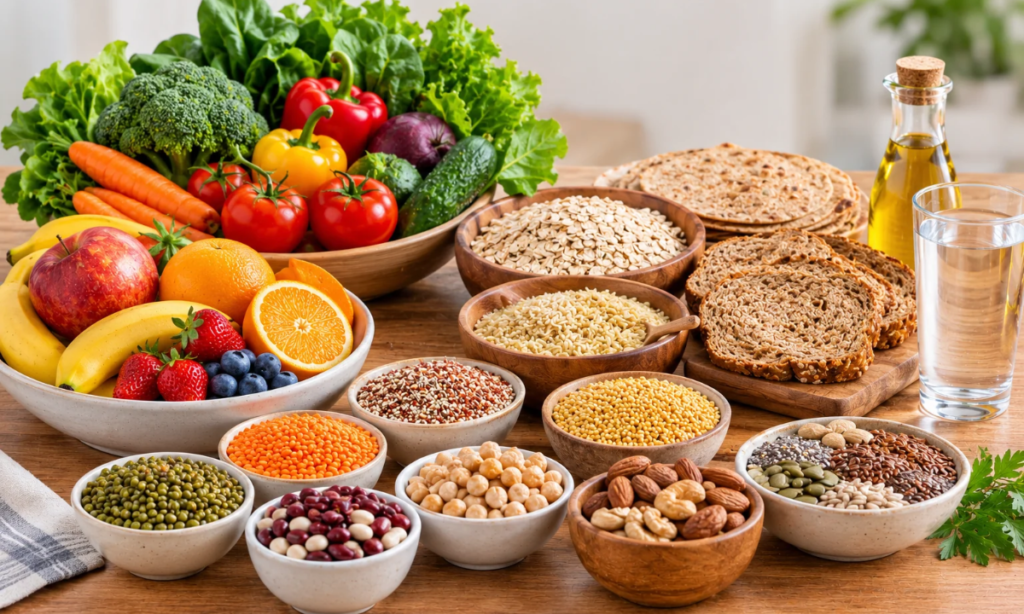
Rather than focusing only on what to avoid, it helps to build meals around foods that support long-term health:
• Vegetables and fruits: aim for a variety of colours and types through the week, including leafy greens, carrots, tomatoes, gourds and seasonal fruits
• Whole grains: oats, millets such as ragi and jowar, whole-wheat foods and brown rice
• Plant proteins: beans, lentils, peas, chickpeas and nuts
• Healthy fats: nuts, seeds and moderate amounts of unsaturated cooking oils
• Hydration: water and other unsweetened drinks
The overall pattern of your diet matters far more than any single “superfood.” No food can detoxify the body, destroy cancer cells or guarantee protection against cancer, so be cautious of products or posts that make such claims. The World Cancer Research Fund recommendations offer a helpful, evidence-based overview.
Can a Healthy Diet Completely Prevent Cancer?
No diet can completely prevent cancer. Risk is influenced by many factors, including age, genetics, infections, environmental exposures and lifestyle. Some people who eat well and live healthily still develop cancer, and some people with less healthy habits do not.
What a healthy diet can do is help reduce certain risk factors. It works best alongside other evidence-based steps:
• Avoiding tobacco in all forms, including cigarettes, bidis, gutka and chewing tobacco
• Staying physically active
• Maintaining a healthy body weight
• Limiting alcohol
• Protecting yourself from infections linked to cancer, such as HPV and hepatitis B, through vaccination where recommended by a healthcare professional
Regular health check-ups can also help you keep track of your overall health. Our guide to understanding blood tests and their role explains how routine tests fit into preventive care.
How Preventive Screening Fits Into Your Health Plan
Cancer prevention and cancer screening are different but complementary. Prevention means reducing your risk through lifestyle choices. Screening means testing people without symptoms to find certain cancers or precancerous changes early, when treatment may be more effective. Diagnostic tests are different again, and are used when someone has symptoms that need investigating.
Which screening tests are right for you depends on your age, sex, personal history and family history. Discuss your individual needs with a qualified healthcare professional, and read more about early cancer detection and preventive screening on our blog.
Frequently Asked Questions
What are the main foods to limit to reduce cancer risk?
The key foods and drinks to limit are processed meat, alcohol, sugary drinks, frequent ultra-processed foods and heavily charred meat. The evidence is strongest for processed meat and alcohol, while the links for other categories are more indirect or still developing.
Does eating sugar cause cancer?
Sugar is not established as a direct cause of cancer. However, regularly consuming too much sugar can contribute to weight gain, and excess body weight is linked to an increased risk of several cancers.
Can fruits and vegetables prevent cancer?
A varied diet rich in fruits, vegetables, whole grains and pulses supports overall health and may help reduce the risk of some cancers. However, no single food or diet can guarantee prevention.
Should I get a cancer screening test if I eat healthily?
Yes, if screening is recommended for your age and risk profile. A healthy diet does not replace recommended screening or medical assessment of new or persistent symptoms. Speak to a doctor about screening appropriate for your age, sex and family history.
Conclusion
Reducing cancer risk through diet is not about perfection or strict rules. It is about limiting processed meat, alcohol, sugary drinks, ultra-processed snacks and heavily charred foods, while building most meals around vegetables, fruits, whole grains and plant proteins. Small, sustainable changes made consistently over time can make a meaningful difference to your long-term health.
Alongside healthy eating, appropriate screening remains an important part of looking after your health. If you would like to understand which tests may suit you, explore Koshikaa’s cancer detection tests in Bangalore or call our Banashankari centre on +91 7996666106.
References
• IARC Monographs Q&A: Consumption of Red Meat and Processed Meat
• World Cancer Research Fund: About Our Cancer Prevention Recommendations