

Every cell in the human body relies on a steady, controlled supply of glucose to fuel its daily operations.
Utilizing a routine fasting blood sugar test acts as a vital diagnostic baseline, capturing your metabolic health at its most stable point. Booking a comprehensive health review at an advanced Health screening centre in Bangalore ensures that early cellular shifts in energy processing are identified before they translate into chronic wellness challenges. By proactively analyzing these internal baselines, you can take complete control of your metabolic trajectory.
In our daily lives, blood sugar levels constantly fluctuate. Every time we eat, our digestive system breaks down carbohydrates into glucose, which enters the bloodstream and signals the pancreas to release insulin. Insulin acts as a cellular key, opening the doors of our muscles, fat cells, and liver to absorb glucose and convert it into usable energy or store it for later.
When this system operates smoothly, your body maintains a tight equilibrium, protecting blood vessels and organs from the inflammatory stress of excess sugar.
However, when cells are consistently exposed to an overabundance of glucose or chronic metabolic stress, they can begin to downregulate their response to insulin, a state known as insulin resistance. In its earliest phases, this resistance is entirely invisible, as the pancreas compensates by pumping out higher volumes of insulin to keep blood sugar numbers looking normal on standard post-meal tests.
Evaluating the body during a prolonged resting state, clinicians can strip away the temporary variables of recent meals and measure the true, unassisted performance of your metabolic engine, opening the door to genuine preventive health management.
Medical Disclaimer
The physiological definitions, hormone overviews, and metabolic classifications detailed throughout this article are intended solely for public health awareness and educational purposes. This informational material does not function as a replacement for expert medical advice, direct clinical diagnoses, official therapeutic prescriptions, or individualized healthcare strategies. Glucose regulation imbalances are highly intricate and can be influenced by diverse hormonal, genetic, systemic, or temporary environmental factors. Always consult a qualified endocrinologist, diabetologist, or board-certified primary care physician to thoroughly review your unique symptoms or official laboratory printouts. Never disregard, avoid, or delay professional medical consultations As of the educational concepts discussed in this document.
The Science of the Fasting Window & Preparation

To achieve an accurate reflection of your basal metabolic state, the body must transition fully from the fed state to a state of equilibrium. When you consume a meal, your body enters the absorptive phase, which lasts for several hours as nutrients are actively taken up from the digestive tract.
Once this phase concludes, the system enters the post-absorptive state, relying on glycogen stores in the liver to maintain baseline energy. A common area of confusion for many individuals is determining precisely how many hours of fasting for fasting blood sugar assessments are required to ensure absolute clinical validity. Standard clinical protocols establish a strict window of 8 to 12 hours of complete calorie deprivation before the blood sample is drawn.
Why does this specific duration matter so deeply at a cellular level? If you fast for less than 8 hours, your metabolic system may still be actively processing glucose from your last meal, leading to a falsely elevated reading.
Conversely, extending the fast beyond 12 hours can trigger a mild starvation response. During an extended fast, the liver accelerates gluconeogenesis, the creation of glucose from non-carbohydrate sources like amino acids and glycerol to protect brain function.
This counter-regulatory spike can cause a paradoxical rise in baseline glucose levels, distorting the final data.
Achieving perfect diagnostic compliance also requires eliminating subtle morning disruptors that many assume are harmless. While plain water is highly encouraged to maintain optimal hydration and keep veins accessible, other inputs must be strictly avoided. Drinking black coffee or unsweetened tea, even without milk or sugar, introduces caffeine into your system.
Caffeine stimulates the adrenal glands to release cortisol and epinephrine, stress hormones that signal the liver to dump stored glycogen into the bloodstream. Similarly, smoking a cigarette or using nicotine products activates chemical pathways that elevate baseline glucose.
Even chewing sugar-free gum can stimulate the cephalic phase of digestion, causing the brain to signal metabolic shifts that alter your true resting baseline.
Deciphering the Biological Thresholds
When your blood sample is analyzed, the values reflect the precise balance between your pancreas’s insulin production and your cells’ sensitivity to that insulin. The clinical thresholds used to evaluate this relationship are not arbitrary numbers; they correspond directly to distinct physiological states within your tissues.
When your lab results are processed, the primary reference point used to evaluate your baseline metabolic health is the fasting blood sugar normal range.
If your baseline numbers deviate from this optimal zone, it indicates that your cells are undergoing a structural shift in how they process energy.
Clinicians categorize these metabolic states into three distinct biological phases based on how efficiently your body manages glucose when at rest.
The Three Metabolic States
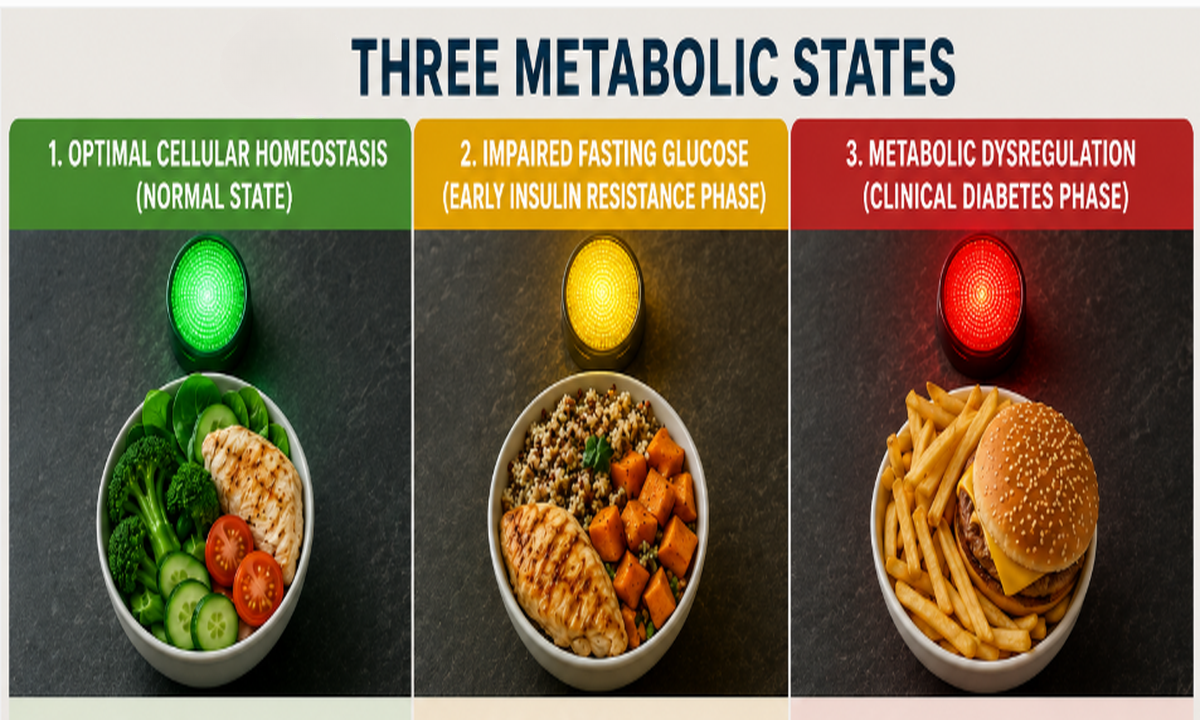
1. Optimal Cellular Homeostasis (Normal State):
In this baseline phase, your metabolic pathways are highly efficient. Your muscle and liver cells possess a high density of active insulin receptors, allowing them to absorb glucose from the blood with minimal hormonal effort.
The liver responds correctly to the baseline presence of insulin by scaling back its internal sugar production during your sleeping hours, keeping circulating glucose perfectly balanced.
2. Impaired Fasting Glucose (Early Insulin Resistance Phase):
This intermediate state represents an early warning sign from your cellular environment.
Over time, constant metabolic strain or physical inactivity causes insulin receptors on your cell walls to lose their sensitivity. As the cells are partially resistant, the pancreas is forced to work overtime, producing higher quantities of insulin just to maintain basic energy clearance. During the fasting window, the liver fails to receive the proper signaling and begins leaking excess glucose into the bloodstream, pushing your resting numbers above the optimal zone.
3. Metabolic Dysregulation (Clinical Diabetes Phase):
This phase occurs when the underlying metabolic imbalance overcomes the body’s natural defenses. The insulin-producing beta cells in the pancreas, exhausted from years of over-compensating for cellular resistance, can no longer generate enough hormone to bridge the gap.
At the same time, cellular resistance reaches a point where glucose molecules are effectively locked out of muscle tissues, causing sugar to accumulate continuously within the vascular system.
Cellular Behavior Matrix
| Metabolic Phase | Insulin Receptor Sensitivity | Pancreatic Beta-Cell Output | Hepatic (Liver) Glucose Release |
|---|---|---|---|
| Normal Homeostasis | Exceptionally High | Balanced & Baseline | Correctly Suppressed |
| Impaired Glucose Phase | Moderately Diminished | Significantly Elevated | Excess Nighttime Release |
| Metabolic Dysregulation | Severely Compromised | Exhausted & Insufficient | Uncontrolled Glucose Output |
Key Cellular Indicators of Impairment
- Receptor Down-regulation: The cell membranes physically reduce the number of available gateways for glucose entry as a protective mechanism against chronic nutrient overabundance.
- Microvascular Stress: Even before entering a clinical condition, slight elevations in circulating glucose interact with proteins in the blood, creating advanced glycation end-products (AGEs) that can irritate the delicate lining of your blood vessels.
- Basal Hyperinsulinemia: The circulating volume of fasting insulin remains elevated during resting hours, a clear sign that the body is expending excessive cellular energy simply to maintain structural balance.
Recognizing these metabolic shifts during the early, impaired phase provides a vital window for intervention. As early cellular changes are fully malleable, tracking these biological thresholds allows you to implement targeted lifestyle changes, giving your cellular infrastructure the exact support it needs to recover completely.
The Metabolic Metrics Reference Chart
To help you cross-reference your laboratory numbers with your exact physiological status, clinicians utilize a standardized diagnostic index. This comprehensive fasting blood sugar level chart breaks down the numerical ranges established by the American Diabetes Association (ADA), linking each specific category to its real-time impact on your body’s cellular network. Rather than treating these values as simple pass-or-fail scores, viewing them as a continuum allows you to see exactly where your metabolism sits on the scale between optimal efficiency and functional strain.
The Basal Glucose Reference Matrix
| Fasting Glucose Range (mg/dL) | Clinical Classification | Cellular Implications & Homeostasis State |
|---|---|---|
| 70 to 99 mg/dL | Normal | Optimal Metabolic Balance: Muscle and liver cells maintain excellent insulin sensitivity. The pancreas produces a controlled, baseline amount of insulin, and the liver correctly limits its internal sugar release during the night. |
| 100 to 125 mg/dL | Prediabetes (Impaired Fasting Glucose) | Early Cellular Down-Regulation: The cell membranes are beginning to lose their sensitivity to insulin, forcing the pancreas to produce higher insulin volumes to clear glucose. The liver exhibits early resistance, releasing unneeded glucose into the blood during sleep. |
| 126 mg/dL or higher | Diabetes | Metabolic Dysregulation: Severe insulin resistance is present across peripheral tissues. The pancreatic beta-cells are exhausted and can no longer produce enough insulin to match the resistance, leaving glucose trapped in the bloodstream. |
Understanding the Clinical Nuances
When evaluating these numbers, context is everything. A single reading that edges into the intermediate zone does not automatically mean long-term metabolic dysfunction. Circulating blood sugar is highly dynamic and can be temporarily influenced by short-term factors like an acute low-grade infection, poor sleep the night before, or high emotional stress before the blood draw.
However, if your baseline values consistently trend within the upper limits of the normal range (90 to 99 mg/dL), it indicates that your metabolic system is working harder than ideal to maintain stability. Catching this upward trend early gives you a vital window to adjust your nutrition, sleep habits, and physical activity, giving your cellular infrastructure the exact support it needs to return to optimal efficiency before structural imbalances establish themselves.
Interpreting Your Diagnostic Findings
When you receive your final fasting blood sugar report, looking past the raw number and understanding the broader physiological context is essential. A single high or low reading does not immediately point to a chronic underlying condition. Instead, it serves as a structural baseline that your healthcare team will evaluate alongside your lifestyle, daily habits, and full biological patterns.
Navigating Sudden Fluctuations and Anomalies

It is completely common to experience an unexpected reading even when you have followed the fasting timeline perfectly. Your body’s glucose regulation pathways are highly dynamic and react quickly to environmental and physical inputs.
Several non-diabetic factors can cause a temporary spike in morning sugar levels:
- The Sleep Deprivation Effect: Shorter or interrupted sleep cycles prevent the body from entering deep, restorative states. This biological strain prompts the adrenal system to release excess cortisol, which directly blocks insulin performance and raises morning glucose levels.
- Acute Physical Stress or Low-Grade Infection: When your body combats a minor virus or handles localized tissue irritation, it enters a protective state. The immune system releases signaling proteins called cytokines, which temporarily reduce cellular insulin sensitivity.
- The Dawn Phenomenon: Between 4:00 AM and 8:00 AM, the brain naturally signals a surge of counter-regulatory hormones (such as growth hormone and cortisol) to help you wake up. In a well-balanced system, the pancreas releases a small wave of insulin to match this surge.
However, if your cells have early insulin resistance, this morning hormone release can cause a visible spike in your resting numbers.
The Role of Confirmatory Markers
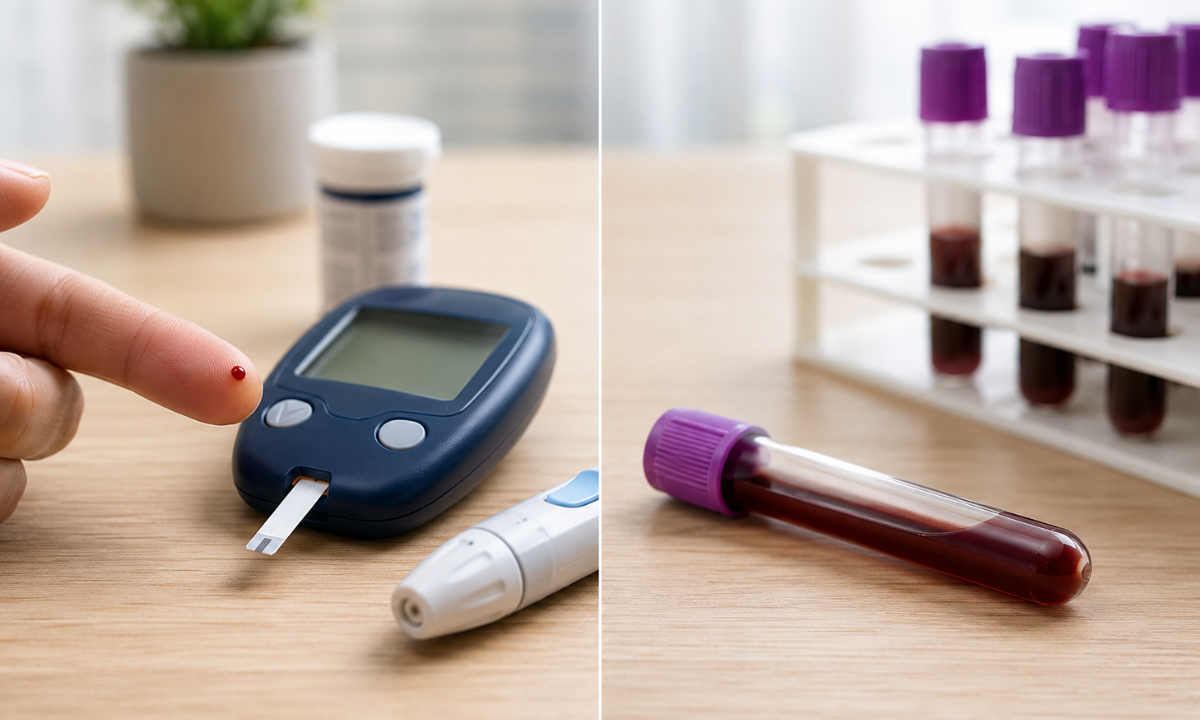
As individual morning readings can vary based on your immediate environment, modern preventive medicine does not rely on a single snapshot to map your health. Opting for a comprehensive metabolic Blood test in Bangalore at a specialized screening center like Koshikaa provides the exact multi-dimensional panels needed to validate your baseline.
To gain complete clarity, clinicians cross-reference your fasting glucose with an advanced confirmatory marker:
The Glycated Hemoglobin (HbA1c) Test: While a fasting test captures your real-time glucose level at the exact second your blood is drawn, the HbA1c test measures the percentage of hemoglobin proteins coated with sugar. As red blood cells live for roughly three months, the HbA1c score provides a highly reliable, average look at your blood sugar control over the past 90 days.
Combining the immediate baseline of a fasting test with the long-term context of an HbA1c panel, medical teams can accurately distinguish short-term environmental spikes from genuine, progressive metabolic changes.
Why Choose Koshikaa for Proactive Metabolic Tracking?
Prioritizing your long-term wellness requires a diagnostic companion that looks beyond generic reference intervals to evaluate health at its primary source, the cell. At Koshikaa, our preventive screening methodology is intentionally designed to observe early, subtle changes in energy processing long before they progress into persistent wellness hurdles. Situated in the neighborhood of Banashankari, our sophisticated facility offers a highly precise, comfortable, and reliable environment where individuals can map out their physiological baselines with total clarity.
Our preventative care framework stands apart through several dedicated service standards:
- Customized Age-Wise Biological Profiling: We understand that every body functions differently across distinct life stages. We craft individual screening strategies by integrating your distinct daily habits, family medical lineage, and current stress indicators.
- Comprehensive Metabolic Multi-Panels: Rather than observing raw glucose values in isolation, our clinical pathways connect resting plasma sugar assessments with long-term glycated markers and comprehensive lipid breakdowns, providing a complete picture of your metabolic health.
- Advanced Cellular Longevity Focus: In alignment with our name, inspired by the fundamental cellular unit (koshika), our screening models excel at pinpointing early, reversible stress within your cells, giving you the power to intervene before structural imbalances mature.
- A Relaxed, Patient-First Environment: Medical evaluations should never feel chaotic. Our screening space is thoughtfully tailored to minimize anxiety and maximize transparency, ensuring that tracking your internal wellness remains a positive, empowering habit.
Collaborating with a dedicated team centered on non-invasive metabolic quantification and early identification, you gain a deep, accurate blueprint of your internal physiology, laying the groundwork for continuous physical vitality.
Conclusion
Protecting your vascular health and physical energy levels depends entirely on proactive monitoring rather than waiting for structural symptoms to arise. Recognizing how early insulin resistance develops quietly within the tissues allows you to adjust your lifestyle choices with absolute precision. By regularly checking your resting physiological metrics and understanding the dynamics of cellular energy regulation, you actively preserve your long-term health and daily vigor.
True wellness empowerment relies on stepping in when your biological systems are highly receptive to positive adjustments. Maintaining a consistent, verified record of your cellular efficiency ensures that minor internal imbalances are identified and reversed quickly. Prioritizing routine metabolic evaluations is a direct, valuable investment in an independent, energetic, and fully thriving future.