

We often ignore subtle changes in our bodies, assuming they are due to stress or a busy lifestyle. However, understanding your thyroid test and results at the right time can make a huge difference in identifying hidden health concerns early, especially when access to a reliable blood test in Bangalore is easily available today.
The thyroid may be small, but it plays a big role in controlling metabolism, energy levels, and hormonal balance. Many of us don’t realise that simple symptoms like fatigue, weight changes, or mood swings could be early signs of a thyroid imbalance.
So, how do we know when it’s time to take action? Let’s explore the signs your body may already be showing you. By the end of this blog, you might recognise signals you never thought were connected to your thyroid.
Key Takeaways
- The thyroid controls metabolism, energy, and hormones
- Early symptoms are often mild but should not be ignored
- Weight changes, fatigue, and mood swings are common warning signs
- A thyroid test is simple and usually does not require fasting
- Timely testing helps prevent long-term complications
- Imaging, like thyroid ultrasound, may be needed in some cases
- Regular screening at a trusted health centre ensures peace of mind
What Does the Thyroid Do?
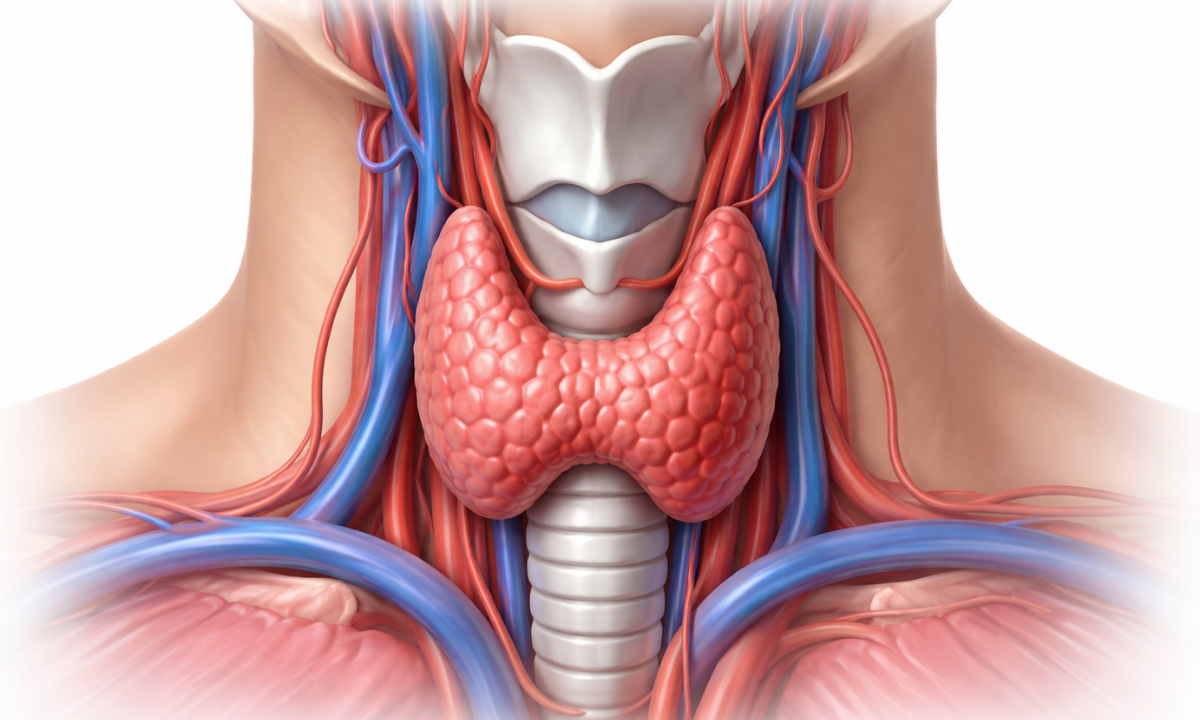
The thyroid is a small, butterfly-shaped gland in the neck that produces hormones controlling how your body uses energy. When it doesn’t function properly, it can lead to hypothyroidism (underactive thyroid) or hyperthyroidism (overactive thyroid).
These conditions may develop slowly, which is why early detection becomes so important.
Early Warning Signs You Should Not Ignore
Sometimes, our body gives us small hints long before a condition becomes serious. We just need to pause and listen carefully to these signals instead of brushing them aside.
1. Constant Fatigue and Low Energy

Do you feel tired even after a full night’s sleep? This could be one of the earliest signs of a thyroid imbalance.
When your thyroid hormones are not balanced, your body’s ability to produce and use energy gets affected. This can leave you feeling drained even after minimal activity.
- Hypothyroidism often causes sluggishness
- Hyperthyroidism may lead to restlessness, but poor sleep
If your energy levels don’t match your routine, it’s worth checking.
2. Unexplained Weight Changes

Sudden weight gain or loss without changes in diet or exercise can be linked to thyroid issues.
The thyroid directly controls how fast your metabolism works, which means even small imbalances can affect how your body burns calories. Over time, this can lead to noticeable changes that feel difficult to manage.
| Condition | Common Weight Change |
|---|---|
| Hypothyroidism | Weight gain |
| Hyperthyroidism | Weight loss |
If your weight feels “out of control”, your thyroid might be involved.
3. Hair Thinning and Skin Changes

We often blame hair fall on stress or weather, but thyroid imbalance can also be a cause.
Thyroid hormones play a key role in maintaining healthy skin, hair, and nails by supporting cell renewal. When these hormone levels are off, these visible changes can slowly start to appear.
- Dry, rough skin
- Hair thinning or excessive hair fall
- Brittle nails
These changes happen because thyroid hormones affect cell growth.
4. Mood Swings and Mental Fog

Your thyroid also impacts brain function. If you feel emotionally different, it might not just be stress.
When thyroid hormone levels are imbalanced, they can affect neurotransmitters in the brain, which influence how we think and feel. Over time, this can make even simple daily tasks feel overwhelming or harder to manage.
- Depression or low mood
- Anxiety or irritability
- Difficulty concentrating
These symptoms are often overlooked but are very important.
5. Irregular Periods or Fertility Issues

For women, thyroid health plays a major role in reproductive health.
The thyroid helps regulate hormones that control the menstrual cycle and ovulation. When this balance is disturbed, it can lead to noticeable changes in periods and even affect fertility over time.
| Symptom | Possible Cause |
|---|---|
| Irregular cycles | Hormonal imbalance |
| Heavy or light periods | Thyroid dysfunction |
| Difficulty conceiving | Thyroid hormone disruption |
If you notice these signs, timely testing can help.
6. Sensitivity to Temperature

Do you feel unusually cold or hot compared to others?
The thyroid plays a key role in regulating your body’s internal temperature by controlling how energy is produced and used. When hormone levels are imbalanced, your body may struggle to maintain a normal temperature, making you feel uncomfortable in everyday environments.
- Feeling cold often – Hypothyroidism
- Feeling too warm – Hyperthyroidism
Your body’s temperature regulation is directly linked to thyroid hormones.
7. Swelling in the Neck
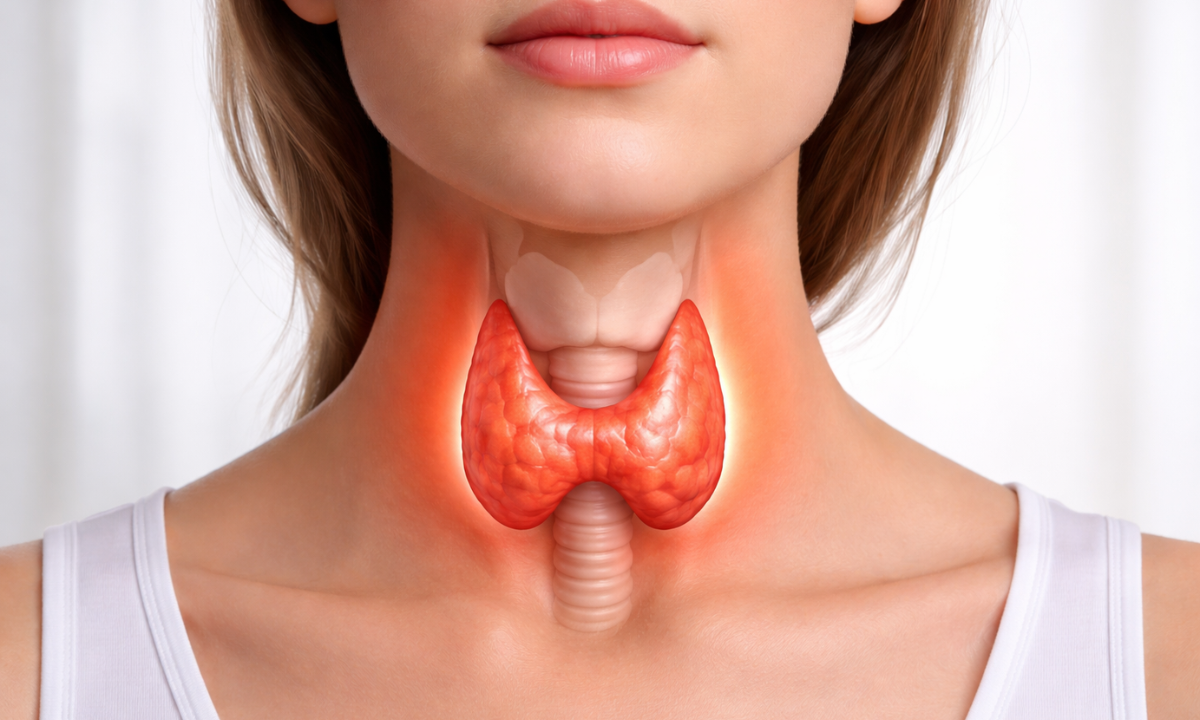
A visible swelling or lump in the neck area may indicate thyroid enlargement (goitre).
This swelling may develop slowly and is often painless, which is why many people ignore it in the early stages. However, it can sometimes affect swallowing or cause a feeling of tightness in the throat if it grows larger.
In such cases, doctors may recommend a thyroid ultrasound to understand the structure of the gland better.
When Should Thyroid Test Be Done?

Many people ask, when should a thyroid test be done? The answer depends on your symptoms and health history.
In many cases, thyroid issues develop slowly and may not show strong symptoms at first. That’s why knowing the right time to get tested can help detect problems early and prevent them from becoming more serious.
Here are some common situations:
- If you notice any of the symptoms mentioned above
- During pregnancy or while planning pregnancy
- If you have a family history of thyroid disorders
- As part of a routine health check-up
Early testing helps avoid complications and ensures timely treatment.
How Many Hours of Fasting Is Required for a Thyroid Test?
A very common question is: how many hours of fasting are required for a thyroid test?
Many people worry about test preparation and whether they need to skip meals before getting tested. The good news is that thyroid testing is usually simple and does not require complicated preparation in most cases.
The good news is:
- Most thyroid blood tests do not require fasting
- You can usually eat and drink normally
- However, always follow your doctor’s advice
This makes it easy to schedule your test without much preparation.
Types of Tests for Thyroid Evaluation
Thyroid diagnosis usually involves simple blood tests and sometimes imaging.
1. Blood Tests
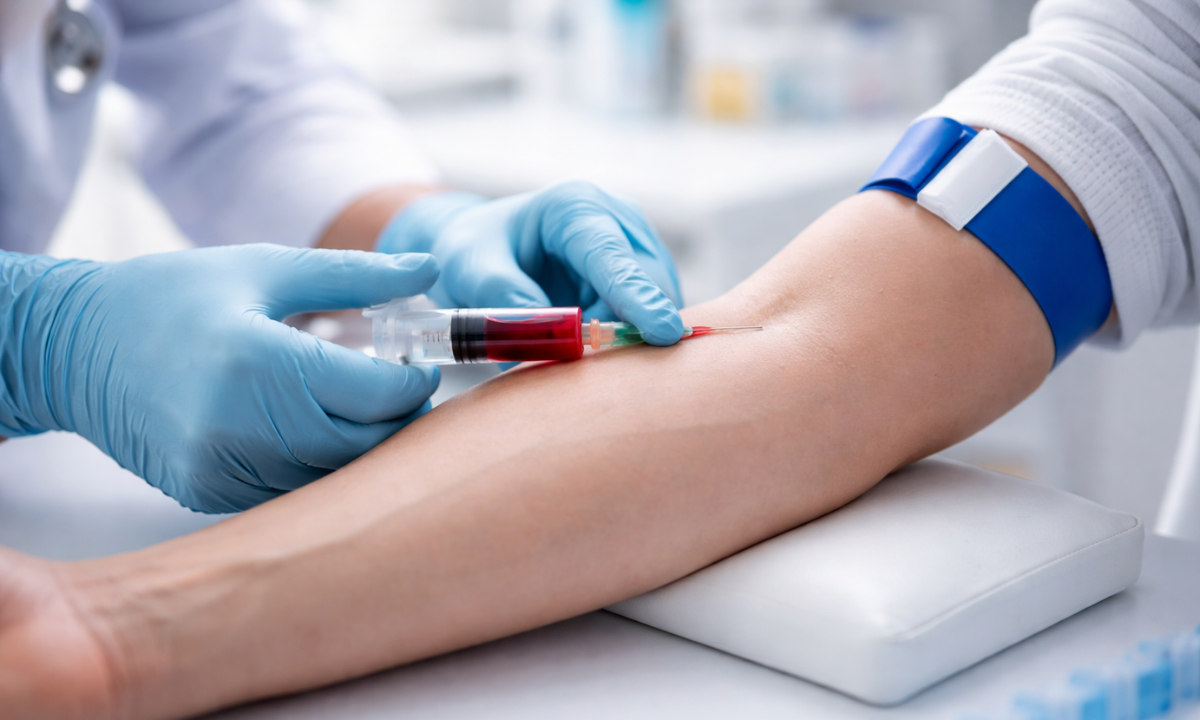
| Test Name | Purpose |
|---|---|
| TSH (Thyroid Stimulating Hormone) | Primary screening test |
| T3 and T4 | Measure thyroid hormone levels |
These are commonly available at our trusted health screening centre in Bangalore.
2. Imaging Tests
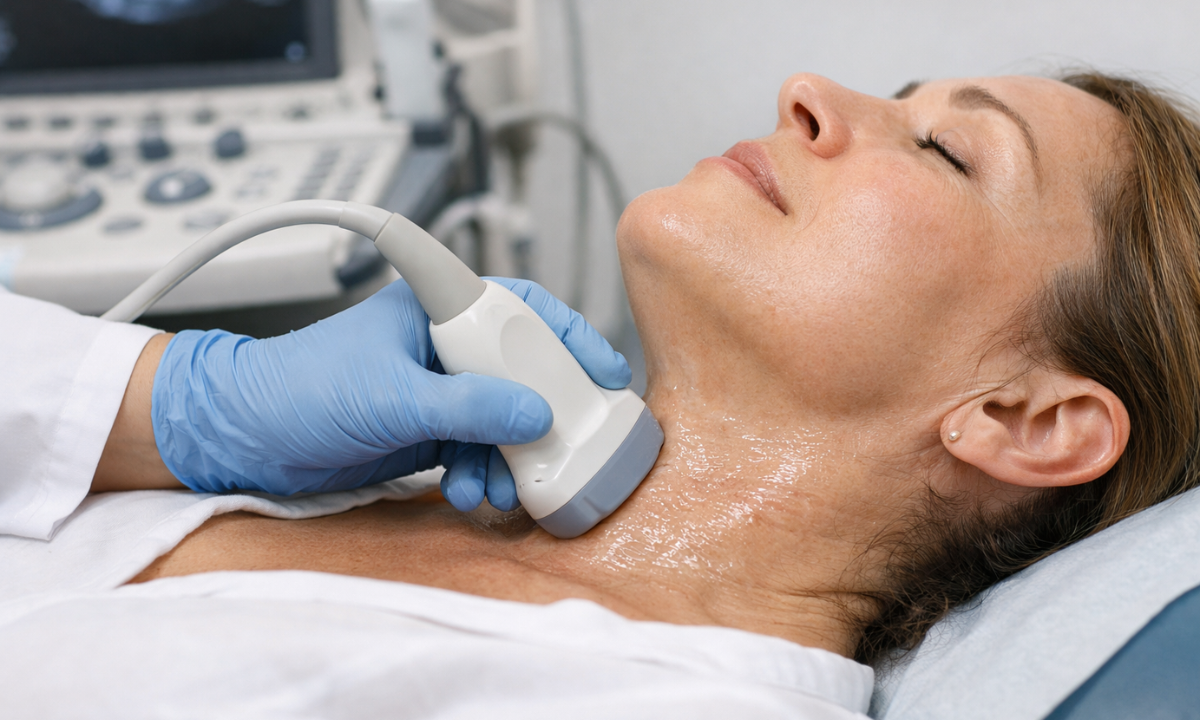
If required, doctors may suggest imaging tests like:
- Thyroid ultrasound to detect nodules or swelling
- Advanced scans if abnormalities are suspected
A good ultrasound scan in Bangalore can help provide detailed insights.
Why Early Detection Matters
Ignoring thyroid symptoms can lead to long-term health issues if left untreated.
Because the thyroid affects multiple systems in the body, even a small imbalance can gradually impact your overall health and quality of life. Identifying the problem early makes it much easier to manage and prevents complications later on.
- Heart problems
- Infertility
- Severe fatigue
- Weight management issues
Early diagnosis allows simple treatment, often through medication and lifestyle changes.
Simple Tips to Maintain Thyroid Health
We can take small steps to support thyroid health in our daily lives:
- Eat a balanced diet with iodine and selenium
- Manage stress through relaxation techniques
- Exercise regularly
- Avoid self-medication
- Go for regular health check-ups
Consistency is key when it comes to hormonal balance.
Final Thoughts
Listening to our body is one of the most important things we can do for our health. If you notice any unusual symptoms, don’t delay getting checked, especially when access to a reliable blood test in Bangalore at a trusted health screening centre in Bangalore makes the process simple and convenient.
At Koshikaa, the focus is on making preventive healthcare easy, accessible, and stress-free for everyone. A small step, like a thyroid test today, can help you avoid bigger health concerns tomorrow.
FAQs
1. Is thyroid testing painful?
No, thyroid testing is a simple blood test and is usually quick and painless. You may feel a slight prick when the needle is inserted, but it lasts only a few seconds. Most people find the process comfortable, and it is completed within minutes without any major discomfort or recovery time.
2. Can thyroid problems be cured?
Many thyroid conditions may not always be completely cured, but they can be effectively managed with the right treatment. With proper medication, lifestyle changes, and regular monitoring, most people are able to lead a normal and healthy life without major complications or disruptions to their daily routine.
3. How often should I get tested?
The frequency of thyroid testing depends on your symptoms, medical history, and whether you already have a diagnosed condition. If everything is normal, testing once a year may be enough. However, if you have thyroid issues, your doctor may suggest more frequent monitoring to keep hormone levels balanced.
4. Is an ultrasound always required?
No, an ultrasound is not always required for thyroid evaluation. A Thyroid ultrasound is usually recommended only when there are signs of swelling, nodules, or structural abnormalities in the neck. In most cases, a blood test is sufficient to assess thyroid function and identify any hormonal imbalance.