
Staying aware of serious health conditions can help us act quickly when it matters most. Understanding what a blood clot in the brain is extremely important because it is a life-threatening condition that can lead to stroke or permanent brain damage if not treated on time.
When diagnosed early through tools like a CT scan in Bangalore, doctors can act quickly and improve outcomes. But how do we recognise the warning signs early enough to actually save a life?
Disclaimer:
This blog is intended for informational and educational purposes only and should not be considered a substitute for professional medical advice, diagnosis, or treatment. A blood clot in the brain is a serious medical emergency that requires immediate attention. If you or someone around you experiences symptoms such as sudden weakness, speech difficulty, or severe headache, please seek urgent medical care or contact emergency services without delay. Always consult a qualified healthcare professional for personalized medical guidance.
Key Takeaways
- A blood clot in the brain blocks oxygen supply and can cause a stroke
- Symptoms usually appear suddenly and need immediate attention
- Early diagnosis through imaging, such as CT or MRI, is critical
- Lifestyle and medical conditions increase the risk
- Treatment is most effective during the “golden window”
- Choosing the right health screening centre in Bangalore improves care quality
What is a Blood Clot in the brain?
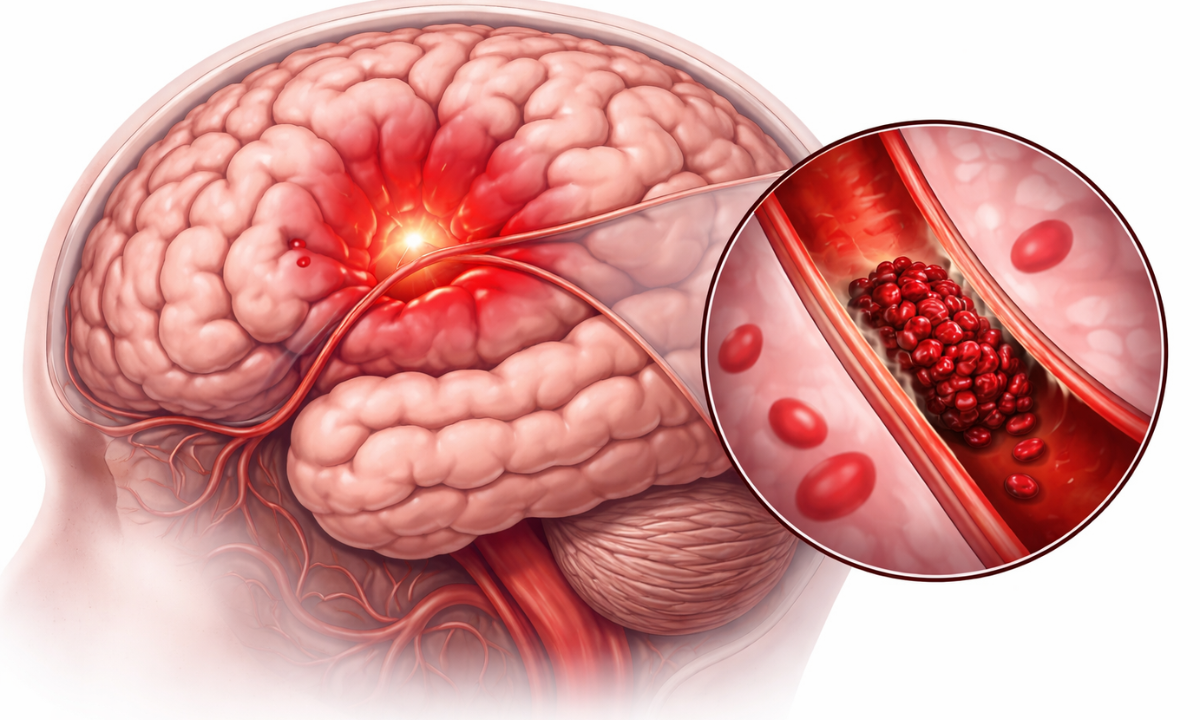
A blood clot in the brain occurs when blood solidifies inside a blood vessel, blocking the normal flow of oxygen-rich blood to the brain. This condition is also known as cerebral thrombosis or embolism.
Without oxygen, brain cells begin to die within minutes, which is why this condition is considered a medical emergency. Immediate diagnosis and treatment are essential to prevent serious complications.
Types of Blood Clots in the Brain
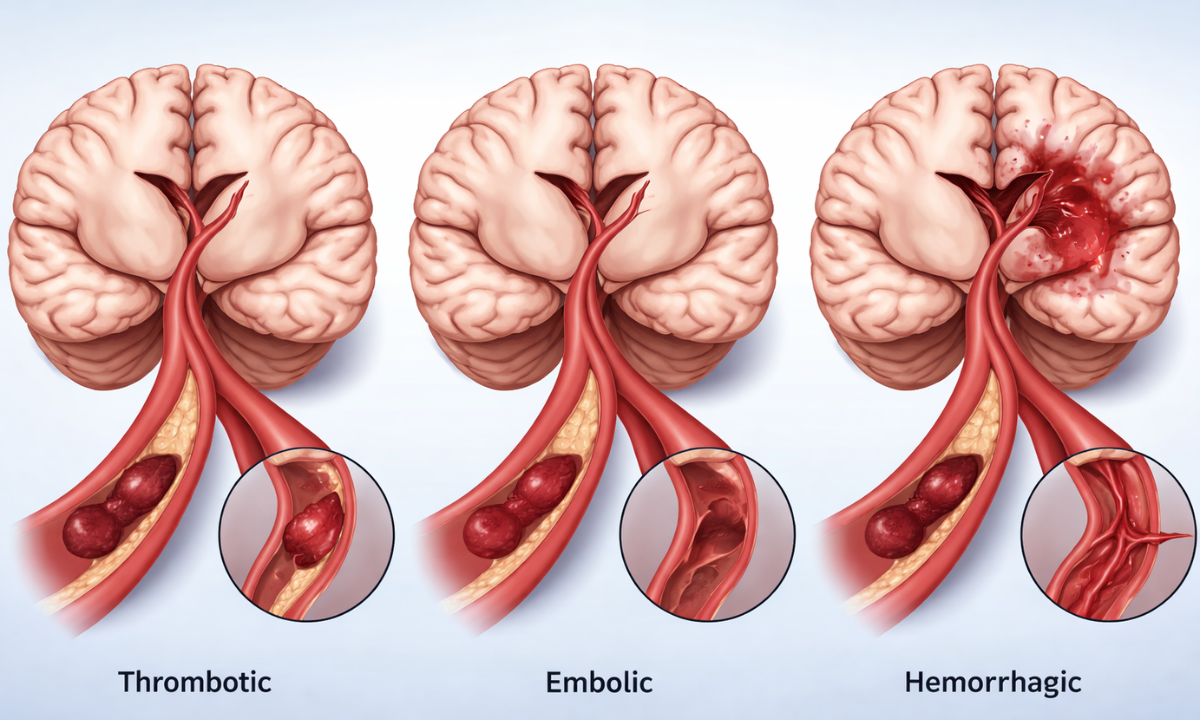
Understanding the types of blood clots in the brain helps us know how and where the blockage occurs.
| Type | Description |
|---|---|
| Thrombotic Stroke | A clot forms directly in the brain artery |
| Embolic Stroke | A clot travels from another part of the body to the brain |
| Hemorrhagic Stroke | Caused by bleeding due to a ruptured vessel |
Each type requires a slightly different approach to treatment, making early and accurate diagnosis very important.
Blood Clot in the Brain Causes

Many factors contribute to blood clots in the brain, and they are often a combination of medical and lifestyle issues.
Medical Conditions
- High blood pressure – Damages blood vessels over time, increasing the risk of clot formation.
- Diabetes – Affects blood circulation and can lead to thickened or damaged blood vessels.
- High cholesterol – Causes plaque buildup in arteries, which can block blood flow.
- Atrial fibrillation (irregular heartbeat) – Leads to improper blood flow, increasing the chances of clot formation.
- Blood clotting disorders – Make the blood more likely to clot even without injury.
Lifestyle Factors
- Smoking or vaping – Damages blood vessels and increases clotting risk.
- Obesity – Puts extra strain on the heart and affects blood circulation.
- Lack of physical activity – Slows blood flow, making clot formation more likely.
- Dehydration – Thickens the blood, increasing the risk of clots.
Other Risk Factors
- Pregnancy or hormone therapy – Hormonal changes can increase blood clotting tendency.
- Long-distance travel – Sitting for long periods reduces circulation and may lead to clots.
- Head injury or trauma – Can damage blood vessels and trigger clot formation.
Understanding why blood clots in the brain happens helps us take preventive steps early.
Blood Clot in Brain Symptoms
The blood clot in the brain symptoms usually appear suddenly and should never be ignored. Acting fast can save a life.
In many cases, these symptoms may seem mild at first, but they can worsen quickly within minutes or hours. The signs depend on which part of the brain is affected, as different areas control different body functions. Recognising these early warning signals and acting immediately can significantly improve recovery and reduce long-term damage.
| Symptom | What We May Notice |
|---|---|
| Weakness or numbness | One side of the body, face drooping |
| Speech difficulty | Slurred or confused speech |
| Vision problems | Blurred or double vision |
| Severe headache | Suddenly, an intense “thunderclap” headache |
| Dizziness | Loss of balance or coordination |
Other Warning Signs
- Seizures
- Nausea or vomiting
- Loss of consciousness
If we notice any of these symptoms, we must seek emergency care immediately.
How Is A Blood Clot Diagnosed?
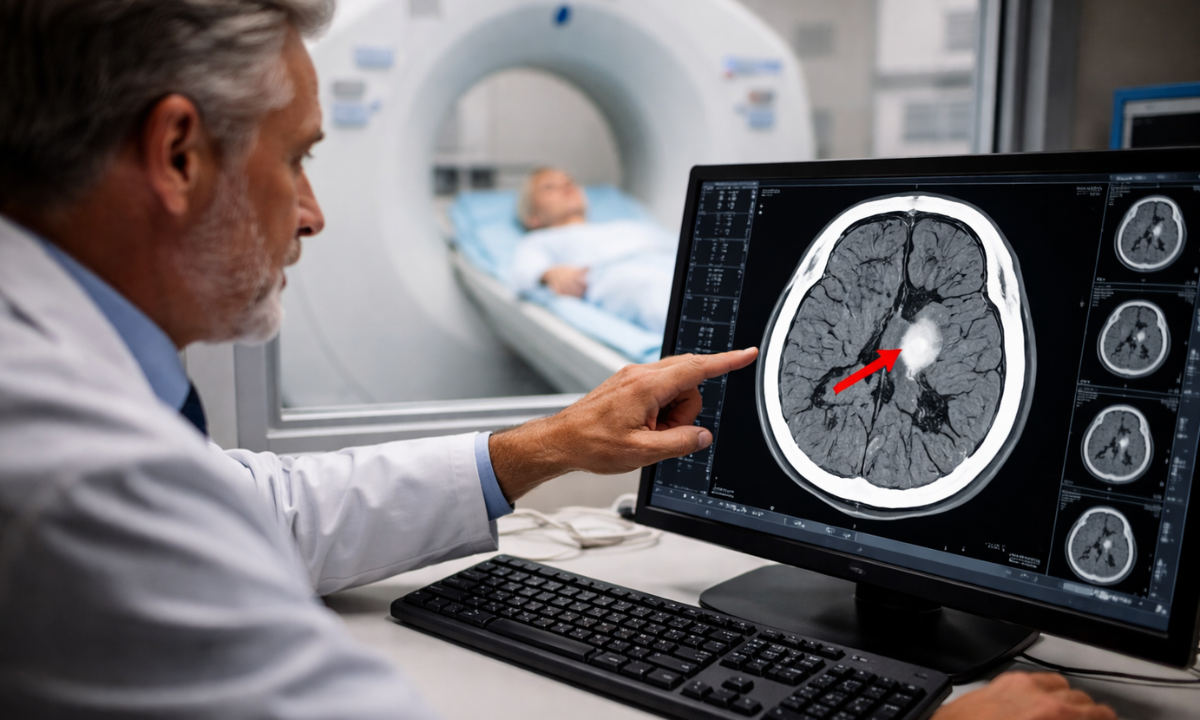
Diagnosis plays a crucial role in saving brain function and life. Doctors use imaging techniques to confirm the presence of a clot.
When a patient arrives with suspected symptoms, doctors act immediately to assess the situation and choose the right tests. Speed is extremely important because even a small delay can affect brain function. These diagnostic tools not only confirm the clot but also help determine its location, size, and severity, which guides the treatment plan.
Common Diagnostic Tests
| Test | Purpose |
|---|---|
| CT Scan | Quickly detects bleeding or blockage |
| MRI Scan | Provides detailed brain images |
| Blood Tests | Identify underlying conditions |
Both CT scan and MRI scan in Bangalore are widely used for quick and accurate diagnosis. The faster we identify the clot, the better the chances of recovery.
Blood Clot in Brain Treatment
The blood clot in the brain treatment depends on how quickly the patient receives medical care. Time is critical here.
When symptoms appear, immediate hospital care is essential to prevent permanent brain damage. Doctors quickly evaluate the condition and begin treatment based on the type and severity of the clot. The goal is to restore blood flow to the brain as soon as possible and minimise complications or long-term disability.
Emergency Treatments
| Treatment | Description |
|---|---|
| Clot-busting drugs (tPA) | Dissolve the clot and restore blood flow |
| Mechanical thrombectomy | Physically removes the clot |
| Blood thinners | Prevent further clot formation |
| Surgery | Relieves pressure in severe cases |
Doctors often refer to the first few hours as the “golden window”, where treatment is most effective.
Why Early Detection Matters
When we delay treatment, the brain suffers irreversible damage. Early detection not only saves lives but also reduces long-term disability.
The brain depends on a constant supply of oxygen, and even a few minutes of blockage can start damaging brain cells. When we act quickly, doctors can restore blood flow and prevent serious complications like paralysis, speech loss, or memory issues. Early diagnosis also increases the chances of faster recovery and a better quality of life after treatment.
Even simple symptoms like sudden weakness or headache should not be ignored. Timely scans and medical attention can make a huge difference.
Tips to Reduce the Risk
Prevention is always better than a cure, especially for serious conditions like this.
- Maintain healthy blood pressure and sugar levels
- Stay physically active
- Avoid smoking and excessive alcohol use
- Stay hydrated
- Go for regular health check-ups
- Manage stress effectively
These small lifestyle changes can significantly reduce the risk of developing a clot.
Choosing the Right Health Screening Centre
Selecting the right health screening centre in Bangalore ensures accurate diagnosis and timely treatment.
Look for:
- Advanced imaging facilities
- Experienced medical professionals
- Quick emergency response
- Integrated diagnostic services
A reliable centre can make all the difference during critical situations.
Final Thoughts
A blood clot in the brain is not something we can afford to ignore. Quick action, early diagnosis, and the right treatment can save lives and prevent long-term complications. That’s why access to timely imaging, like a CT scan in Bangalore, becomes so important in emergencies.
At Koshikaa, we focus on providing personalised and accurate diagnostic support, helping you make informed decisions about your health with confidence. Because when it comes to your brain, every second truly counts.
Frequently Asked Questions
1. What is a blood clot in the brain?
A blood clot in the brain occurs when a blood vessel becomes blocked, preventing oxygen-rich blood from reaching brain cells. Without oxygen, brain cells begin to get damaged within minutes, which can lead to a stroke or permanent complications.
A blood clot in the brain is considered a medical emergency, and immediate diagnosis and treatment are essential to prevent serious outcomes, including long-term disability or even life-threatening situations.
2. What are the first signs of a blood clot in the brain?
The first signs usually appear suddenly and can vary depending on the affected area of the brain. Common symptoms include weakness or numbness on one side of the body, slurred speech, confusion, vision problems, and a severe headache.
Recognising these early warning signs and seeking immediate medical attention can greatly improve the chances of survival and reduce the risk of long-term damage.
3. Can a blood clot in the brain be treated?
Yes, a blood clot in the brain can be treated, especially if medical care is provided quickly. Treatment options include clot-dissolving medications, procedures like mechanical thrombectomy to remove the clot, and supportive therapies.
The success of treatment largely depends on how fast the patient reaches a hospital, as early intervention within the “golden window” significantly improves recovery and reduces complications.
4. How can we prevent blood clots in the brain?
We can lower the risk of blood clots in the brain by adopting a healthy lifestyle and managing existing medical conditions. Controlling blood pressure, diabetes, and cholesterol levels is essential, along with staying physically active and avoiding smoking.
Regular health check-ups help detect risk factors early, allowing timely intervention and lifestyle changes that can prevent serious complications in the future.
Reference
1. From Google
2. https://my.clevelandclinic.org/health/diseases/24208-ischemic-stroke-clots