

It is normal for you to have questions regarding PET CT scanning since you have been thinking about it or received medical advice to get one. The diagnostic medical imaging method known as PET CT scan has revolutionized both medical examination and diagnostics. This article will present 10 vital points about PET CT scans by explaining their nature along with their importance and the procedures involved. Let’s dive in!
1. What is a PET CT Scan?
The PET CT scan unites two imaging technologies which integrate Positron Emission Tomography (PET) and Computed Tomography (CT). A CT scan shows detailed anatomical body pictures whereas a PET scan helps detect variations in cellular performance. These two diagnostic methods create an exceptionally precise system to inspect body organs along with their surrounding tissues.
The medical combination proves beneficial in cancer detection due to its ability to create thorough visual images of atypical cells including both structure and cellular function. Other conditions besides cancer treatment use PET CT scans for neurological examination and heart disease assessments.
2. Why are PET CT Scans Done?
A PET CT scan serves the main objective of revealing cell functional patterns throughout your entire body. Through PET CT medical staff can track disease development and measure treatment results as well as discover abnormal features including tumours.
The medical tool serves primarily for oncology applications involving cancer identification but it additionally benefits heart examinations alongside Alzheimer’s disease brain assessments. Early diagnosis relies heavily on this diagnostic method because it reveals the functional status of anatomical components.
3. Can PET CT Scan Detect Bone Cancer?
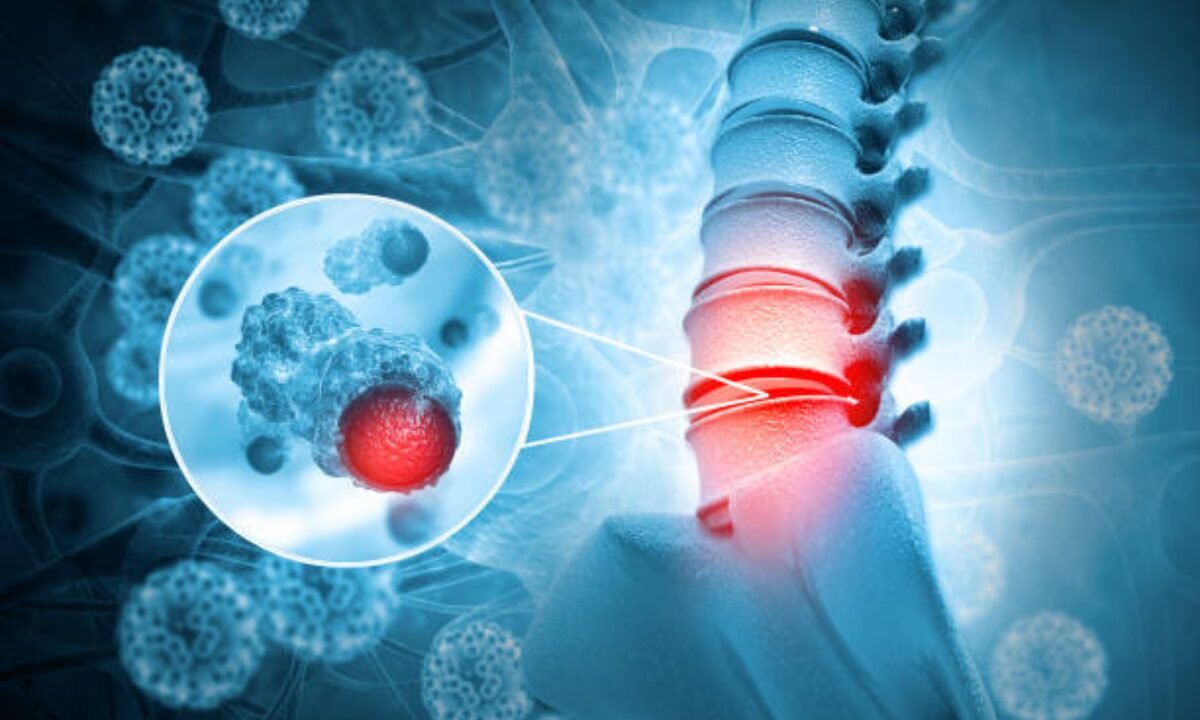
PET CT technology provides professionals with the capability to find bone cancer in patients. The scan tracks irregular metabolic activities occurring within bone tissues to identify potential cancer indications.
The imaging process points to highly active areas which makes this tool valuable for finding bone cancer while it remains at early stages. Additional testing through biopsies continues to be needed because they serve to validate diagnoses.
4. What Happens During a PET CT Scan Procedure?
The pet CT scan procedure implements a simple method to reach its final goal. The procedure consists of four main steps as described below.
1. Medical staff may instruct patients to maintain fasting during the few hours before the scan. Healthcare providers provide particular instructions to patients based on which medical condition requires diagnosis.
2. A professional staff member administers the special radioactive tracer through your bloodstream when performing the procedure. The tracer designated for this process distinguishes high-activity regions in the human body.
3. When you participate in the scanning procedure you need to position yourself on a moving table inside the scanning machine. The PET CT scanner records functional and structural scan images which last for under one hour.
4. The examination process finishes when you need to drink lots of fluids to eliminate the radiotracer from your system.
People experience minimal discomfort during the painless procedure while accessing excellent information.
5. Is a PET CT Scan Safe?
The PET CT scan procedure carries an overall safe status for medical patients. Although patients experience slight radiation exposure during the procedure the tracer delivers a very small radiation amount. The examination process creates no adverse reactions which most participants can easily endure without complications.
PET CT testing must be strongly avoided by expectant mothers who are breastfeeding unless medical necessity confirms the need for the procedure.
6. How Much Does a PET CT Scan Cost?
Customers can discover that pet ct scan cost depends on multiple factors when researching scan prices. The test requires a facility, a precise placement, and distinct reasons for scanning as essential factors. For instance, the pet CT scan in Bangalore costs relatively less than what you would pay in Western areas, making it accessible to a wider audience.
It’s always a good idea to check with your insurance provider to understand what part of the expense, if any, is covered under your plan.
7. How Long Does the Scan Take?
A standard PET CT scan operates at a time interval ranging from 45 minutes up to 2 hours. The large portion of the scan duration requires patients to wait until the radioactive tracer becomes fully distributed throughout their body during preparation.
The scanning process extends between 30 to 60 minutes. The complete procedure requires different durations based on the medical condition that healthcare professionals are treating according to their protocols.
8. How should you prepare before undergoing this scan?
Accomplished PET CT examinations require proper preparation before the procedure starts. Your test-specific instructions will vary based on the testing procedure you need to complete.
- The procedural period requires no food consumption during a 4 to 6-hour window before examination time.
- Drink only water before the procedure unless the medical staff provides different instructions.
- Before your appointment, you must notify your doctor about all prescriptions under your care.
- High-intensity physical exercise must be avoided within 24 hours of the scanning appointment because it will affect test results.
- Notify medical staff members about your pregnancy status and breastfeeding choices.
9. What Are the Benefits of a PET CT Scan?
The examination provides distinct diagnostic benefits when used as a PET CT scan against alternative imaging technologies.
- Metabolic activity evaluation from PET CT scans enables doctors to detect diseases such as cancer at an early stage when no symptoms have manifested yet.
- PET CT evaluations enable healthcare professionals to determine treatment effectiveness when using chemotherapy together with radiation therapy.
- The device demonstrates versatility through its utility in cancer diagnosis and monitoring of heart problems in addition to brain and nervous system evaluation.
PET CT offers advanced imaging that results in diagnoses that occur faster and more correctly thereby leading to better patient results.
10. Where Can You Get a PET CT Scan?
Various hospitals and advanced diagnostic centres across the world provide PET CT scanning services to their patients. PET CT imaging services exist at distinguished imaging facilities within the Indian cities of Bengaluru and Delhi together with Mumbai. The pet CT scan facilities of Bangalore have earned a solid reputation through their delivery of highly professional services.
Research about your scan appointment must be finished before you book an appointment. The selection of a diagnostic centre that utilizes radiologists with proper qualifications will produce interpretation results beneficial for doctors.
Final Thoughts
PET CT scans represent a top modern medical diagnostic instrument. PET CT scans enable medical practitioners to observe details along with exact results which surpass the capabilities of standard image diagnostic methods when detecting various medical conditions.
Correct medical assessment in combination with accurate treatment strategies helps reduce costs along with the most essential benefit of saving lives while also conserving time.
Your understanding of these ten points about PET CT helps you create a better foundation for continued health advancement. Contact your healthcare provider to receive detailed information about the pet CT scan procedure and if you’re wondering can pet CT scan detect bone cancer? Then it will also be answered by your professional.
Koshikaa is a reputed screening centre, providing residents with advanced services of PET CT scan in Bangalore through which they secure accurate results while receiving superior patient support.